Waldorf Astoria Costa Rica Punta Cacique Redefines Luxury Hospitality on the Guanacaste Coast

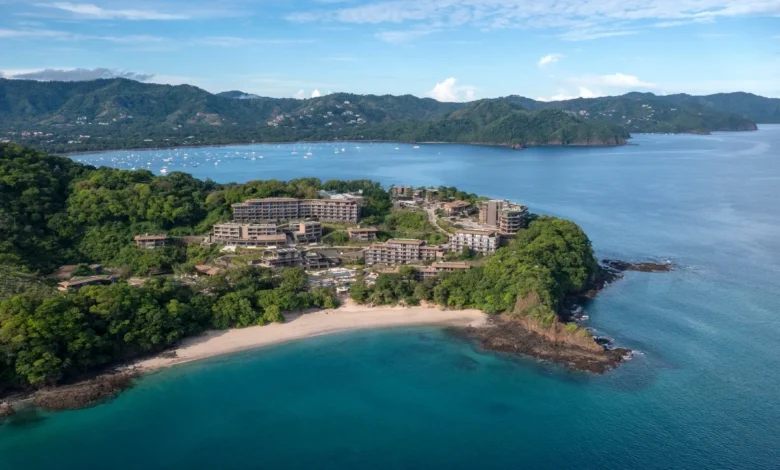
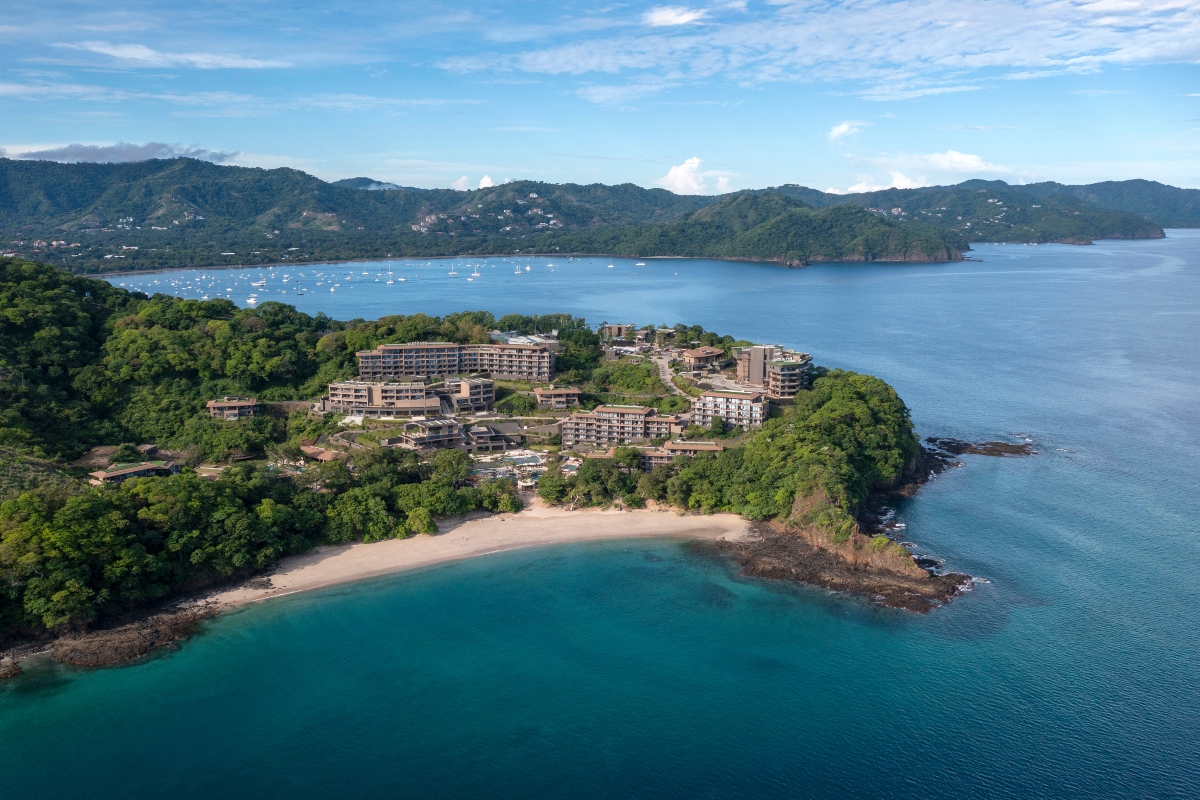
The hospitality sector along Costa Rica’s sun-drenched Guanacaste coastline has welcomed a significant new addition with the official opening of the Waldorf Astoria Costa Rica Punta Cacique. Perched high above the Pacific Ocean on a lush, dramatic headland overlooking Playa Penca and the Gulf of Papagayo, this ambitious property represents the iconic luxury brand’s debut in Central America. While massive mega-resorts are frequently characterized by overwhelming scale, continuous activity hubs, and extensive transit times between amenities, the Waldorf Astoria Punta Cacique takes a markedly deliberate, terraced design approach. By stepping low-rise stone-and-wood structures down a steep hillside, the resort successfully marries a substantial array of high-end offerings with an intimate sense of seclusion, establishing a new benchmark for upscale family and multigenerational travel in the region.

Main Facts and Geographic Positioning
Strategically situated within the northern Guanacaste province, the resort occupies a prime cliffside peninsula flanked by the laid-back beach communities of Playa Hermosa and Playas del Coco. Industry analysts note that its precise location is distinct from the neighboring Peninsula Papagayo, a well-established 600-acre coastal enclave renowned for its high-density luxury compounds and championship golf architecture. Instead, Punta Cacique carves out a unique identity centered on sweeping, unobstructed coastal vistas and seamless indoor-outdoor architectural integration.
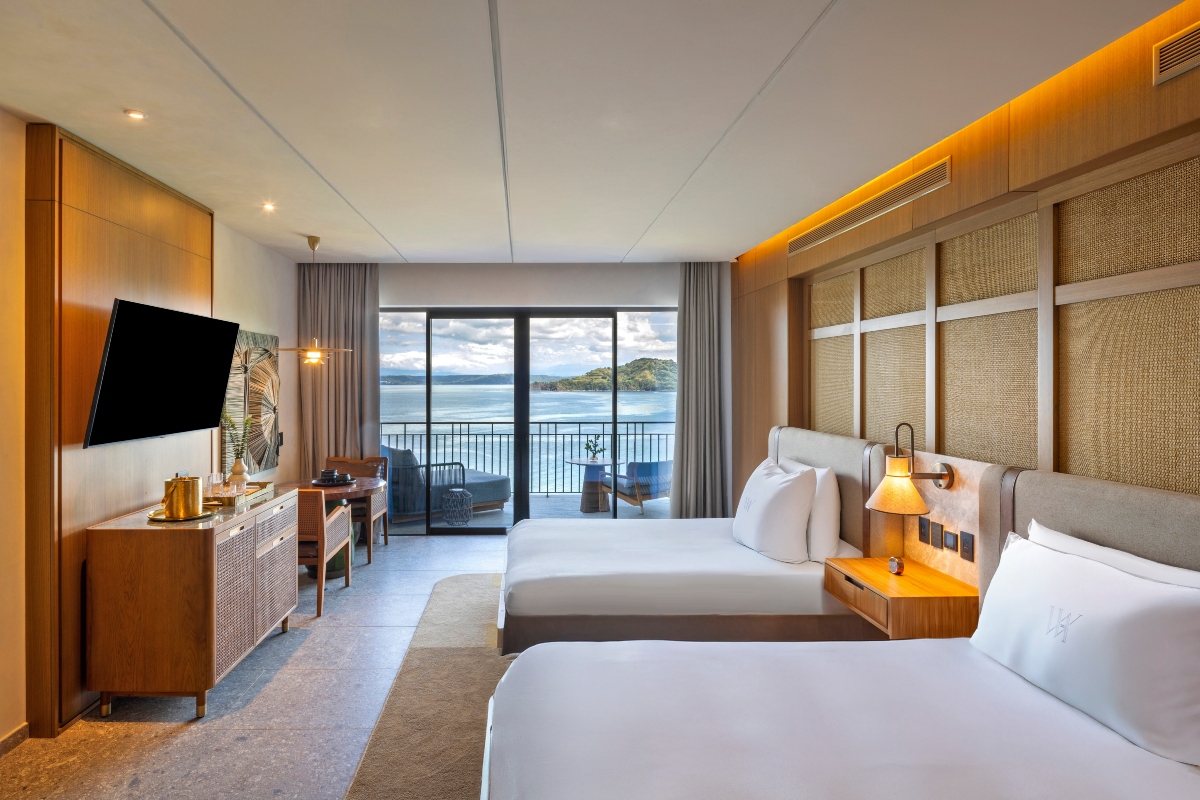
The property encompasses 188 thoughtfully configured guest accommodations, spanning more than two dozen distinct categories ranging from standard king and two-queen layouts to expansive one-, two-, and three-bedroom suites equipped with private plunge or infinity pools. Furthermore, the resort features an exclusive collection of private residences that debuted in the summer of 2026. These residences are situated within a dedicated enclave of the property, catering specifically to travelers seeking the autonomy of a private vacation home coupled with the white-glove services of a five-star international hotel brand.
Chronology and Development Timeline
The path to the debut of Waldorf Astoria Costa Rica Punta Cacique reflects years of strategic expansion by Hilton within the luxury leisure sector, particularly targeting emerging demand in Latin America for experiential yet refined family travel. Planning and hillside civil engineering for the complex began years prior to its completion, with a primary design mandate focused on environmental preservation and slope management. Because the terrain is exceptionally steep, engineers and architects utilized a terraced methodology to ensure minimal disruption to the existing tropical canopy while maximizing ocean views from virtually every vantage point on the property.
The rollout of the private residences in mid-2026 marked the final phase of the resort’s initial launch timeline, completing its ecosystem of high-end amenities. This phased introduction allowed the property to test its operational workflows—such as on-call golf cart transit systems required to navigate the hilly topography—before welcoming a full complement of multigenerational groups and high-net-worth leisure travelers.
Supporting Data and Accommodations Architecture
The architectural philosophy of Waldorf Astoria Punta Cacique relies heavily on organic, locally sourced textural elements, including woven caning, premium leather, regional hardwoods, and rugged stonework that complement the surrounding dry-forest ecosystem of Guanacaste.
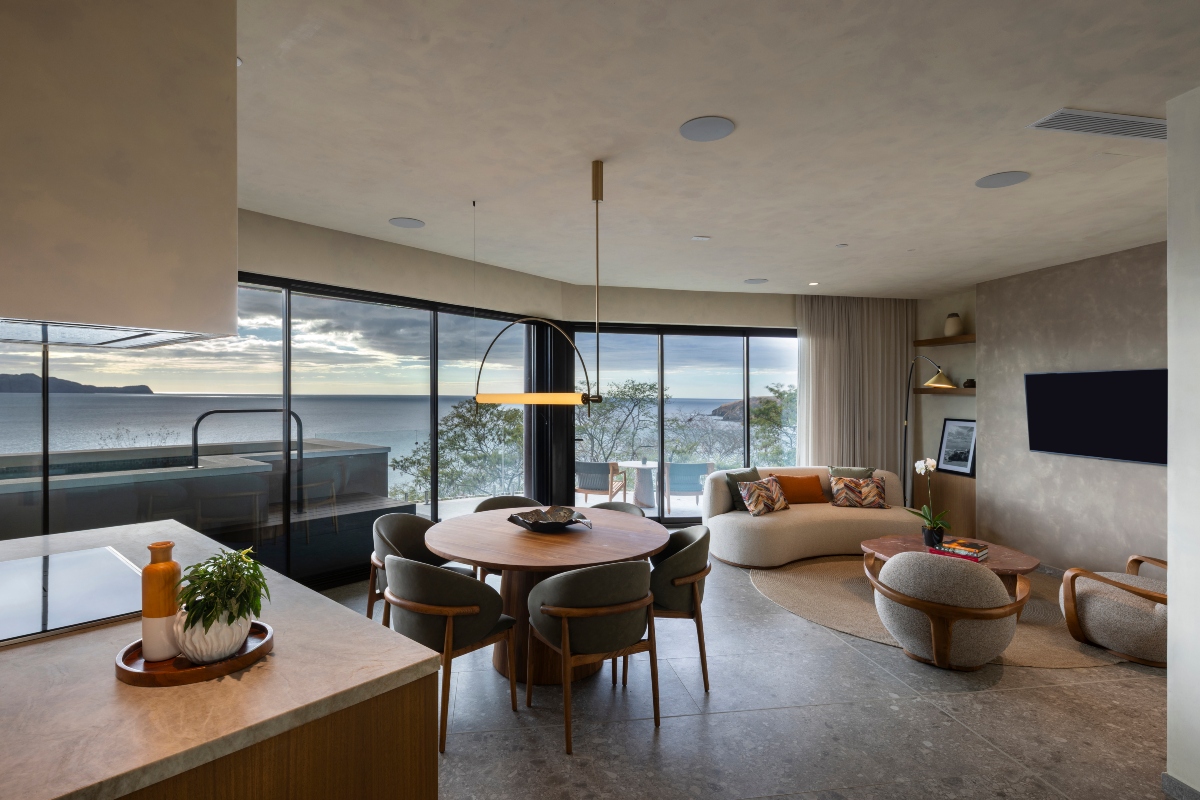
Accommodation tiers are structurally diverse:
- Standard Rooms: Ocean View King and Two-Queen configurations featuring integrated desks, floating nightstands, and innovative woven spatial dividers that separate sleeping quarters from expansive bathrooms with pass-through showers.
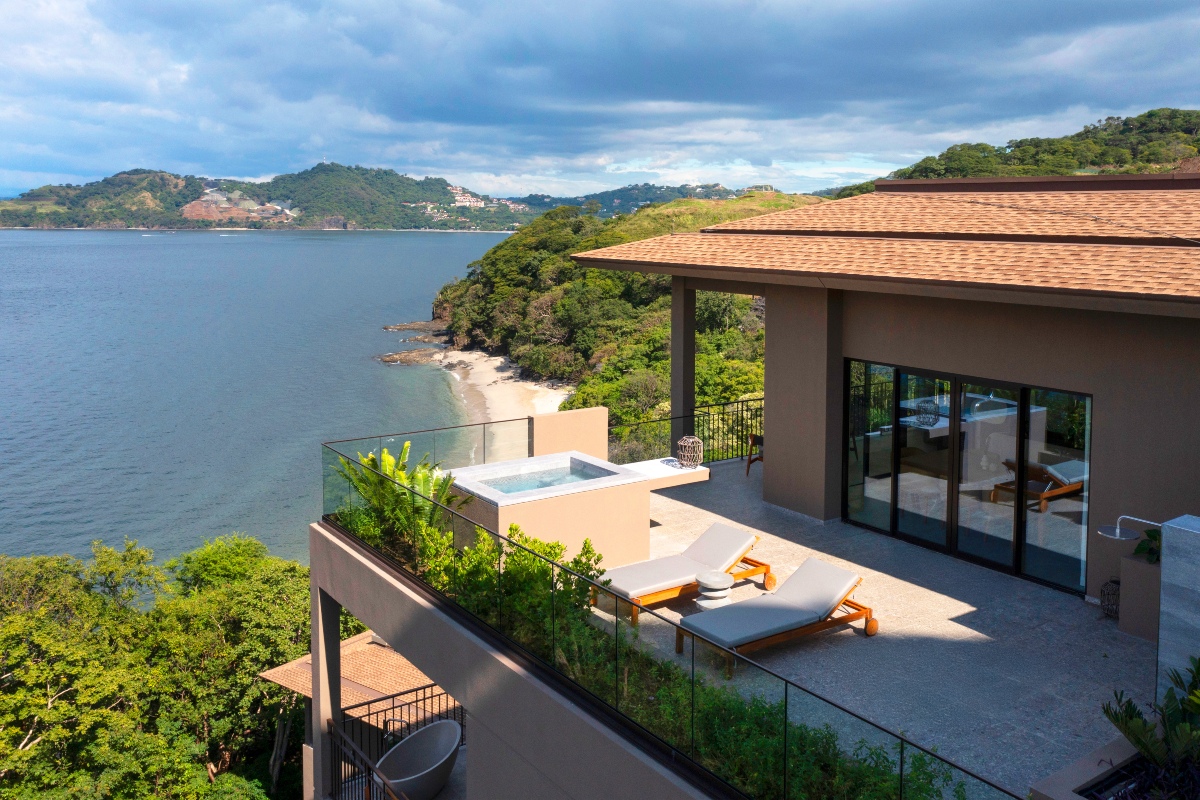
- Suites: One- and two-bedroom variants boasting wraparound terraces, private plunge pools, and spacious living zones designed for small families.
- Standalone Residences: Ranging from one to three bedrooms and accommodating up to eight guests, these units feature floor-to-ceiling glass, full gourmet kitchens, in-unit laundry facilities, and private swimming pools. Residence guests are additionally assigned a dedicated personal concierge to curate bespoke itineraries, handle private check-in procedures, and manage off-site excursions.
Culinary Landscape and Gastronomic Identity
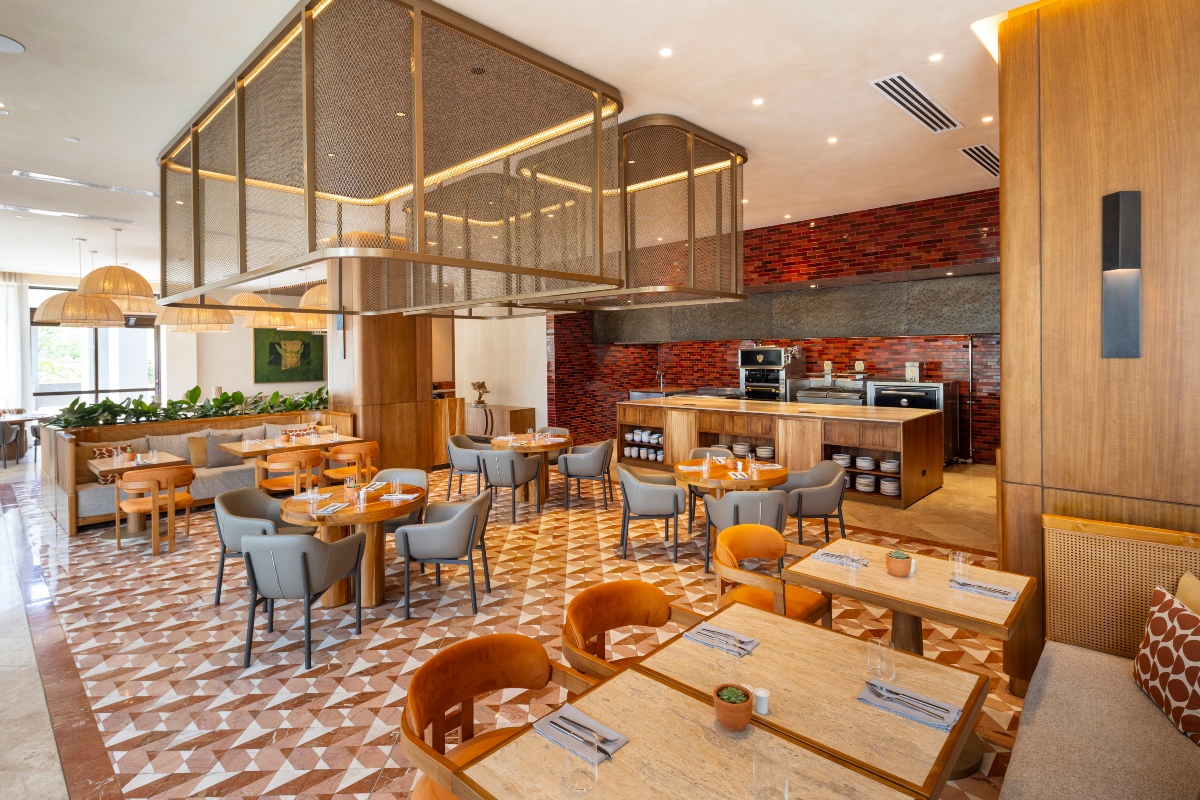
Dining at the resort is anchored by two primary concepts supported by several specialty food and beverage venues designed to highlight Costa Rican heritage ingredients. Tico Tica serves as the all-day dining anchor, offering a breakfast menu evenly split between American standards and regional specialties, most notably ancestral chorreadas (fresh corn pancakes) served with local cheeses and refried beans. Lunch and dinner menus at Tico Tica lean globally inspired, incorporating wood-fired seafood, local red snapper, and an elevated interpretation of the traditional Costa Rican casado featuring braised wagyu beef, black beans, green rice, and sweet plantains.
For evening dining, La Finca operates as the resort’s signature dinner venue, presenting a sultry, refined atmosphere with a menu that draws on broader Latin American and Caribbean influences. Standout dishes include cured scallops with passion fruit-cilantro aguachile, spiny lobster with chorizo butter and salsa macha, and charred octopus served with smoky avocado. A six-course tasting menu is also available for guests seeking a comprehensive gastronomic journey.
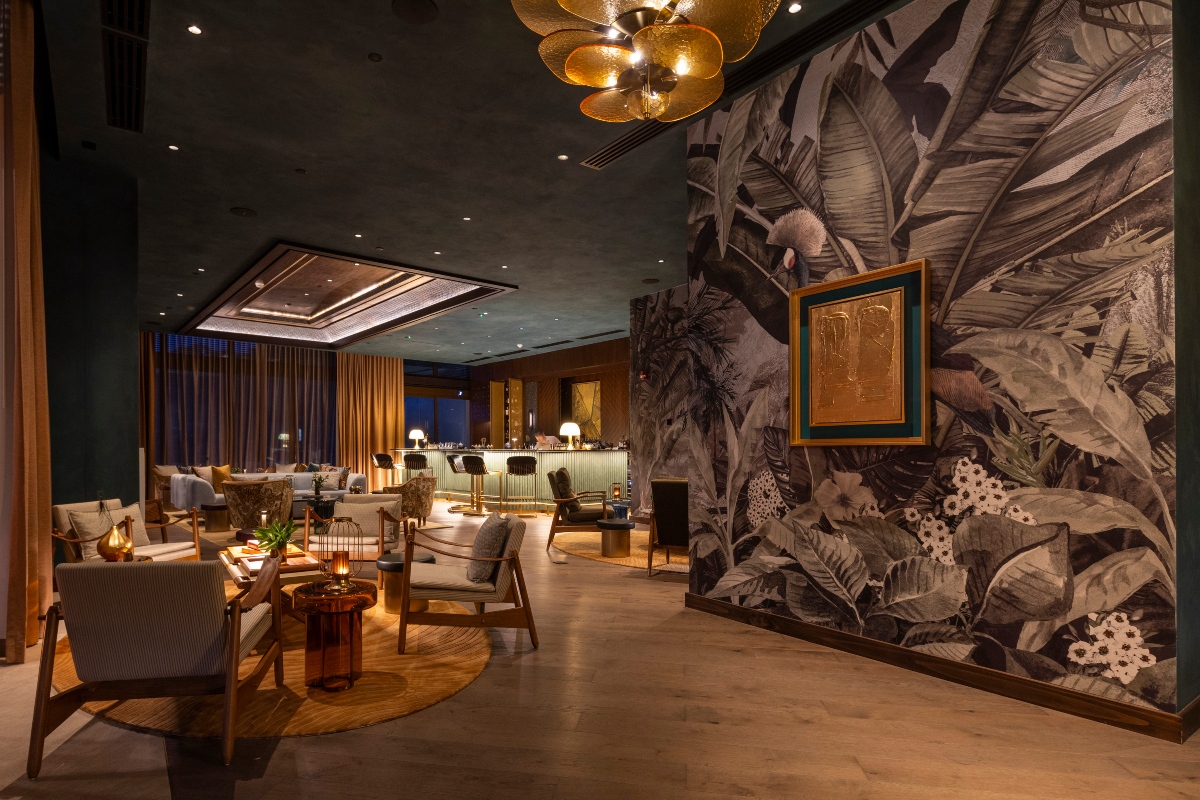
Additional beverage and casual options include Peacock Alley—the signature Waldorf Astoria lounge adapted here with a cocktail program heavily featuring Costa Rican spirits and local botanicals—alongside Vida Pool & Grill, The Terrace sunset lounge, Buena Nota Café for morning coffee, and Copo y Cono for artisanal ice cream and fresh tropical juices.
Activities, Amenities, and Wellness Infrastructure
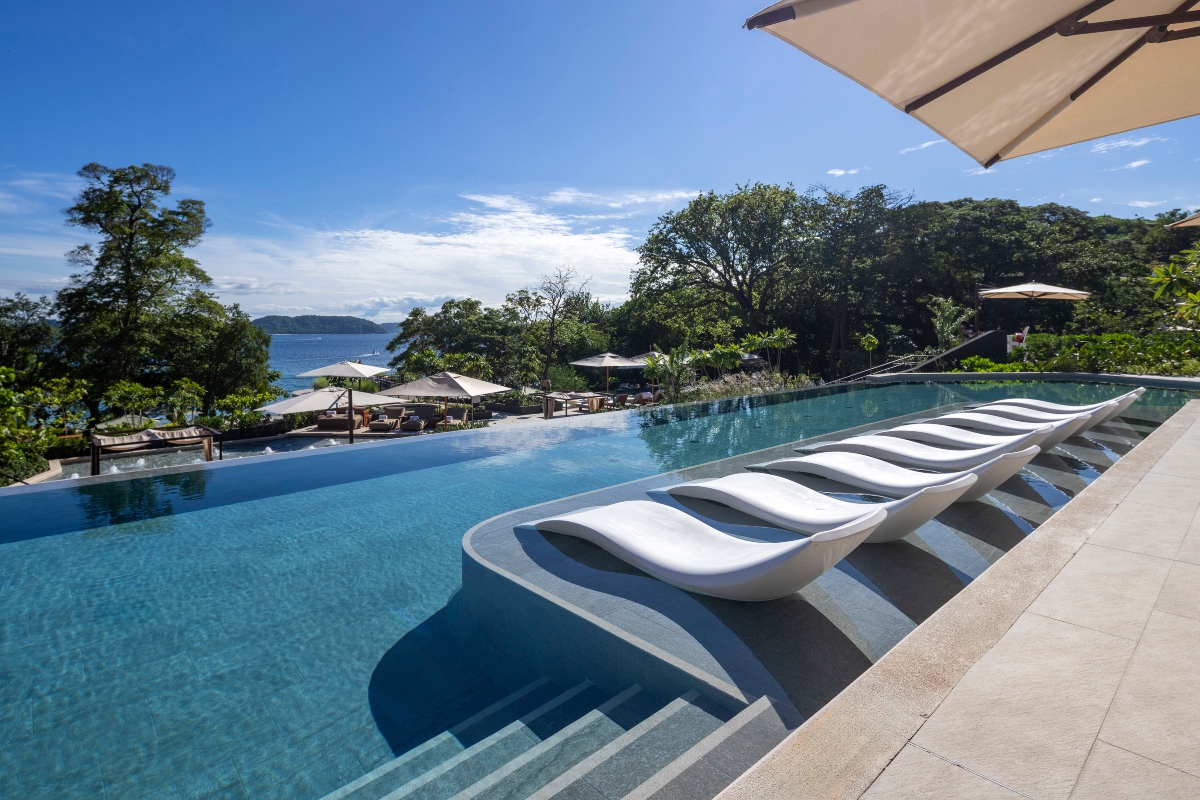
At the heart of the resort lies a cascading, multi-level water complex featuring 10 distinct pools that step down the hillside toward the Pacific. The complex is carefully zoned to accommodate different demographics, housing a toddler splash pool equipped with interactive fountains, a slightly elevated pool featuring a water slide for older children, a tranquil adults-only sanctuary adjacent to the spa, and a striking infinity pool lined with submerged chaises that frame the horizon. Residence guests enjoy an exclusive, private rooftop pool and bar facility as part of their tier-specific perks.
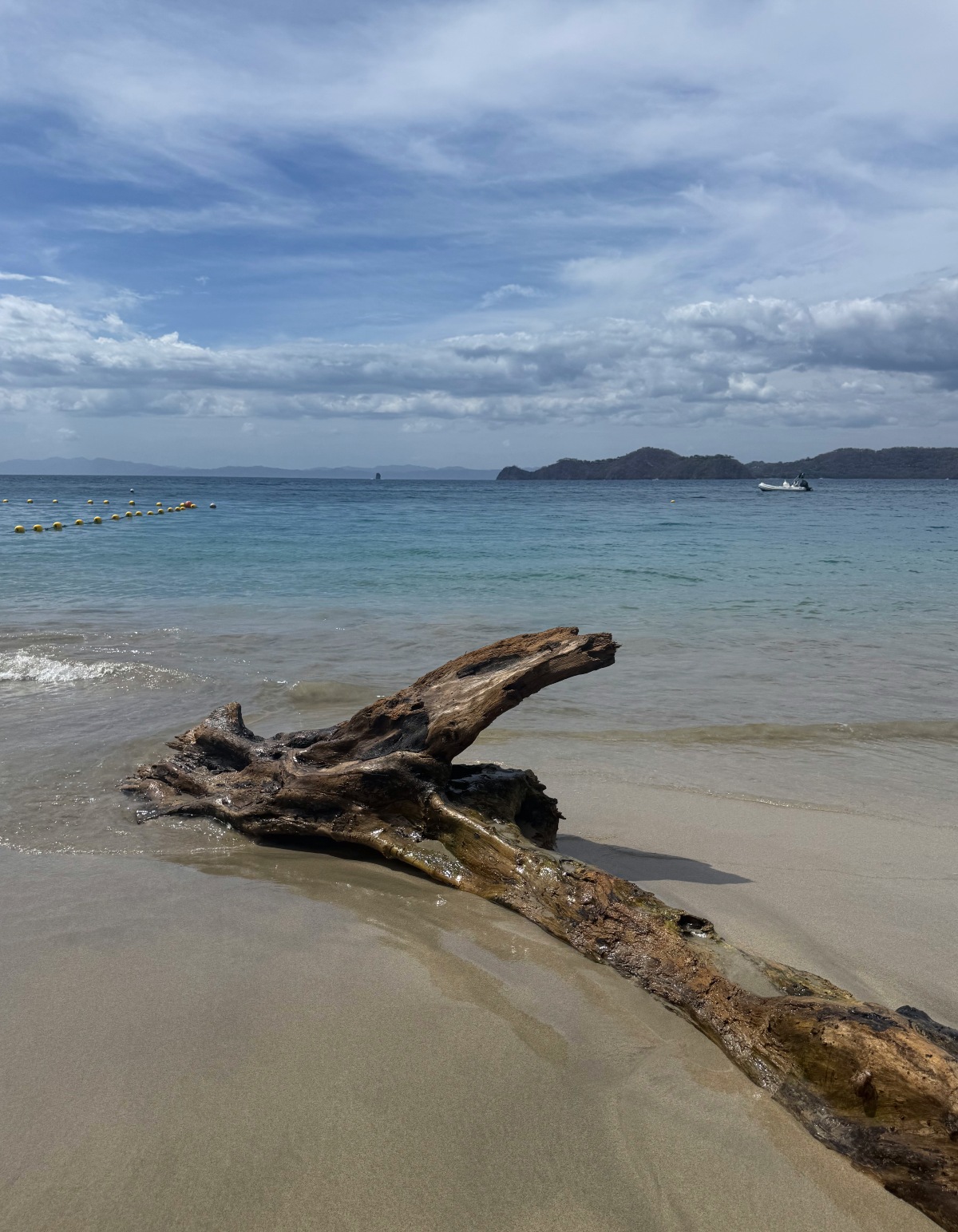
The adjacent shoreline of Playa Penca provides calm, protected waters suitable for swimming, paddleboarding, and kayaking, complemented by shaded loungers and cabanas. Beyond the immediate property boundaries, the resort facilitates an extensive catalog of excursions curated by its concierge team, ranging from Guanacaste rainforest hikes, wildlife birdwatching, and ziplining to waterfall rappelling, catamaran sailing, and nocturnal bioluminescence tours. For high-end travelers, the property offers signature long-range expeditions, including air-and-water excursions to Tortuguero National Park on the Caribbean coast.
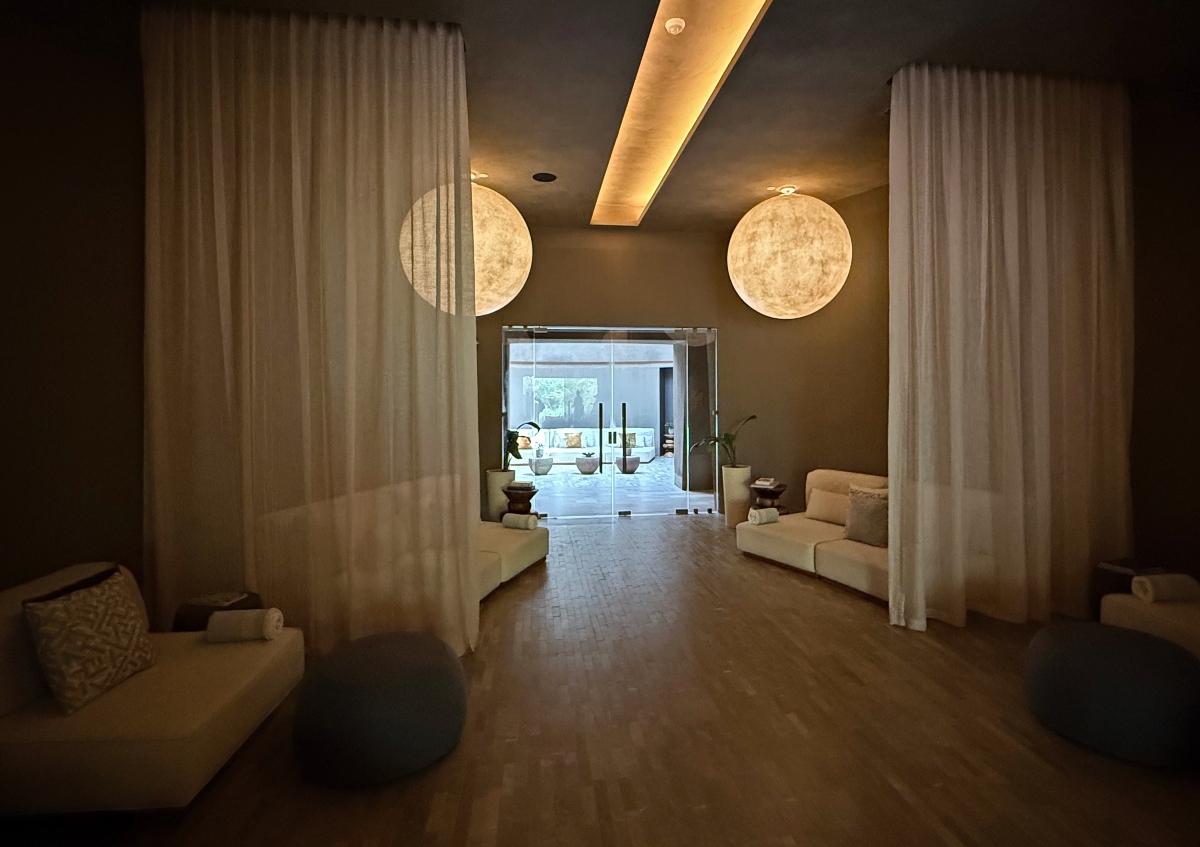
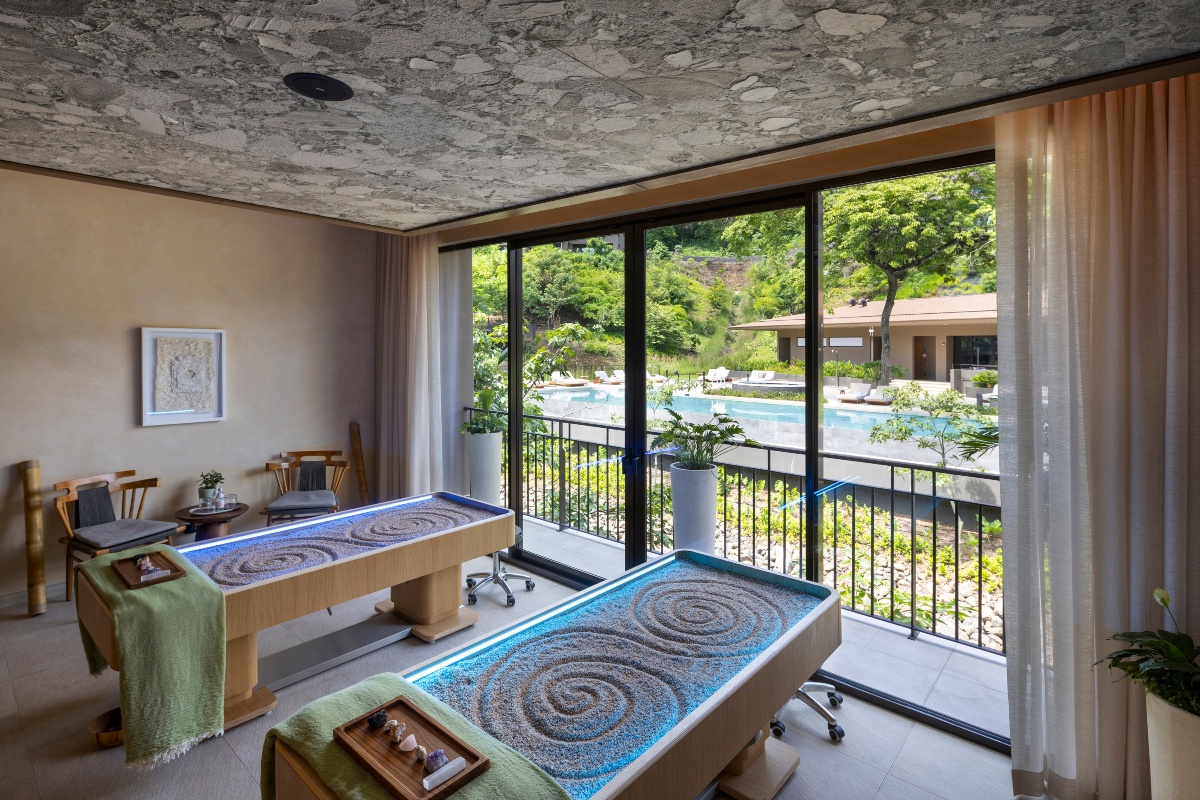
The crown jewel of the resort’s wellness infrastructure is its 17,000-square-foot spa and wellness complex. Equipped with saunas, steam rooms, saltwater Jacuzzis, and a state-of-the-art fitness center, the facility draws directly upon indigenous Costa Rican healing traditions. Treatments incorporate regional elements such as volcanic mud, raw sugarcane, and local honey through specialized services like the Quartz Sand Massage, the Trapiche Ritual, and immersive multi-hour programs hosted within private Tree House Spa Suites.
Family-Centric Design and Youth Programming
A notable differentiator for Waldorf Astoria Punta Cacique is its deliberate prioritization of children and teenagers—a demographic frequently overlooked in ultra-luxury coastal developments. The Nantunki kids’ club, designed for ages 4 through 12, features cloud-inspired decorative elements, dedicated craft and gaming zones, and an outdoor playground. Simultaneously, the Nasome teen club caters to guests aged 13 to 17 with dedicated gaming consoles, pool tables, and modern lounge spaces. Both facilities offer structured, complimentary daily programming including beach excursions, treasure hunts, and movie nights, supported by professional resort babysitting services.
Broader Impact and Market Implications
The launch of Waldorf Astoria Costa Rica Punta Cacique underscores a broader evolution in luxury tourism across Central America. As travelers increasingly seek destinations that combine ecological immersion with uncompromising international service standards, properties that successfully balance adult-oriented sophistication with robust family and multigenerational infrastructure are capturing a larger share of the high-end leisure market. By integrating local cultural heritage—from agricultural culinary nods to indigenous wellness practices—into a high-end hospitality framework, the resort serves as a case study for sustainable luxury development within ecologically sensitive coastal zones. Industry observers anticipate that the property’s tiered design and comprehensive residential model will influence upcoming hospitality projects throughout the greater Guanacaste region, setting a new benchmark for how major global hotel brands establish a presence in environmentally rich destinations.
Related posts: