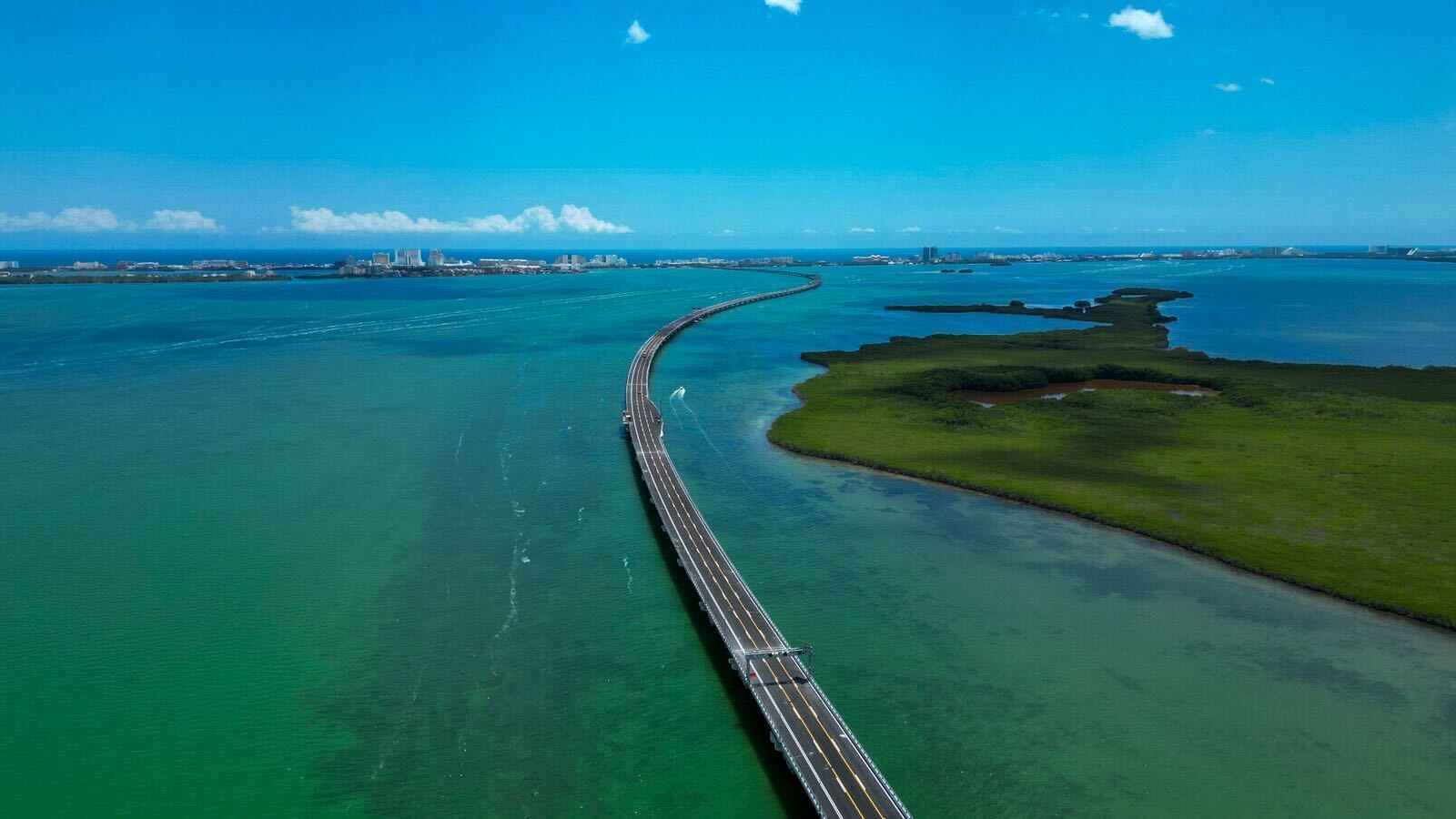
The completion of the Nichupté Bridge stands as a landmark achievement in the infrastructure development of the Mexican Caribbean, providing a critical new artery for traffic flow between downtown Cancún and the world-renowned Hotel Zone. By creating a direct, elevated connection across the Nichupté Lagoon, this project addresses a chronic logistical bottleneck that has long challenged the region’s tourism industry. For the millions of travelers who visit this coastal hub annually, the bridge represents more than just concrete and steel; it signifies a strategic shift in how the state of Quintana Roo manages the intersection of mass tourism and urban efficiency.
Historical Context and Infrastructure Necessity
For decades, the Hotel Zone of Cancún—a narrow barrier island stretching roughly 22 kilometers—relied almost exclusively on a single corridor for all ingress and egress. As the destination grew from a burgeoning resort project in the 1970s into a global travel powerhouse, the strain on the Kukulcán Boulevard became increasingly evident. During peak travel seasons, visitors arriving from the Cancún International Airport often faced significant delays, with traffic congestion serving as a persistent point of friction in the guest experience.
The planning for the Nichupté Bridge project was born from an urgent need to mitigate these transit delays. The project sought to offer a secondary route that would not only serve tourists moving to and from their resorts but also facilitate the daily commute for thousands of hotel staff and local service providers. By diverting traffic from the overburdened boulevard, the bridge aims to reduce the carbon footprint of idling vehicles and enhance the operational resilience of the city’s transportation network.
Chronology of Development
The path to the bridge’s completion was a complex undertaking involving federal oversight, environmental impact assessments, and extensive engineering coordination.
- Early Conceptualization (2018–2020): Urban planners identified the lagoon crossing as the most viable solution to decouple airport-to-resort traffic from local urban transit.
- Formal Announcement (2021): Federal authorities solidified the commitment to the project, categorizing it as a high-priority infrastructure investment for the Mexican Caribbean.
- Construction Phase (2022–2026): Over several years, engineering crews navigated the sensitive ecological environment of the Nichupté Lagoon system, implementing specialized measures to preserve the local mangrove forests and aquatic life.
- Completion and Inauguration (May 2026): The bridge was finalized, marking the end of a multi-year construction effort.
- Industry Spotlight (May 2026): The project was formally presented to international tourism stakeholders at the EDGE 2026 conference in San Diego, setting the stage for the region’s hosting of the subsequent EDGE 2027 event.
Supporting Data: Tourism and Transit Metrics
The necessity of the Nichupté Bridge is underscored by the sheer volume of visitors the region accommodates. According to recent data from the Mexican Caribbean Tourism Board, the region continues to experience record-breaking occupancy rates, with the Cancún International Airport processing tens of millions of passengers annually.
Before the bridge’s opening, peak-hour transit times from the downtown district to the furthest reaches of the Hotel Zone could fluctuate between 45 and 90 minutes depending on seasonal demand and maintenance work on the main boulevard. Initial projections from traffic engineering consultants suggest that the new bridge could reduce average travel times for these routes by up to 30 to 40 percent.
Beyond time savings, the economic implications are significant. Reduced travel time facilitates better labor mobility, allowing hotel staff to reach their workplaces more reliably, and encourages tourists to explore the downtown area—a move intended to diversify the economic benefits of tourism beyond the confines of all-inclusive resorts.
Official Perspectives and Industry Reaction
The reception of the Nichupté Bridge within the travel industry has been largely positive, with stakeholders highlighting its role as a catalyst for future development. Andrés Martínez Reynoso, CEO of the Mexican Caribbean Tourism Board, has frequently framed the bridge as a "transformational project." In statements released following the EDGE 2026 summit, representatives noted that the infrastructure serves as a physical manifestation of the region’s commitment to "modern tourism."
Industry analysts observe that the bridge aligns with a broader trend in global tourism: the move toward "frictionless travel." As travelers increasingly prioritize convenience and efficiency, the success of a destination is no longer judged solely by the quality of its beaches or the luxury of its accommodations, but by the ease with which visitors can navigate their environment. By investing in the "experience between the destinations," the Mexican government is signaling that it understands the evolving expectations of the modern, time-conscious traveler.
Analysis of Broader Implications
The construction of the Nichupté Bridge serves as a case study for future development in other high-growth tourism hubs. As destinations like Playa del Carmen and Tulum continue to see rapid expansion, the lessons learned from the planning and execution of this project—particularly regarding environmental mitigation and public-private coordination—will likely inform future policy.
Furthermore, the integration of this bridge into the local transportation network is expected to have a ripple effect on the local economy. With easier access to the Hotel Zone, local businesses in downtown Cancún are anticipating a surge in patronage from tourists who previously felt discouraged by the logistical challenges of leaving their resort areas. This could lead to a more sustainable, decentralized tourism model that benefits a broader segment of the local population.
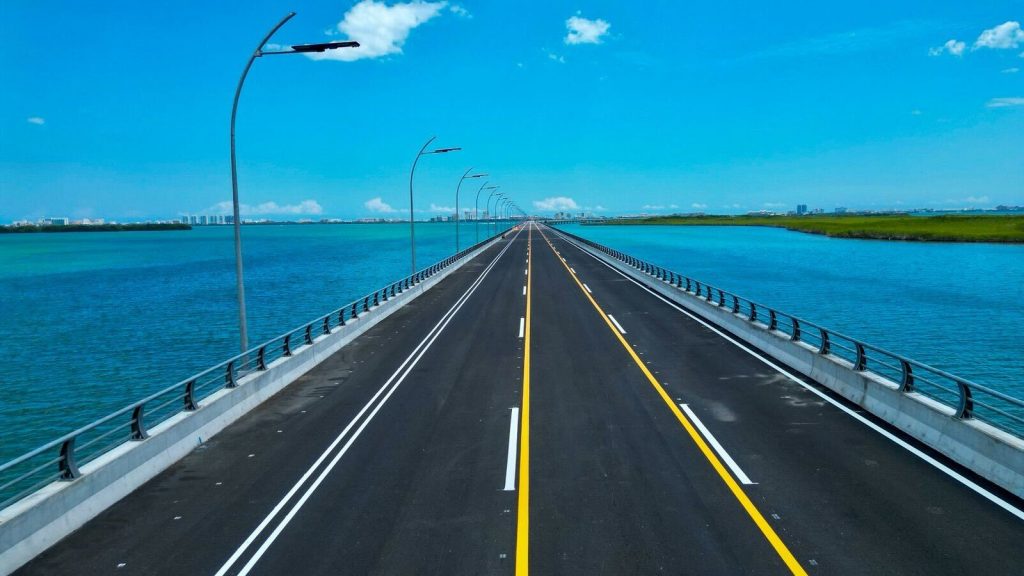
However, the project also highlights the inherent tension between infrastructure development and environmental stewardship. The Nichupté Lagoon is a protected ecological site, and the construction process faced intense scrutiny to ensure that the bridge would not disrupt the delicate balance of the local ecosystem. The successful navigation of these regulatory hurdles serves as a benchmark for future large-scale projects in the Mexican Caribbean.
Looking Ahead: The Future of the Mexican Caribbean
The announcement at the EDGE 2026 conference that the 2027 summit will be held in the Cancún–Riviera Maya region is a clear signal of the industry’s confidence in the area’s infrastructure. By hosting such a prestigious gathering, local authorities are aiming to showcase the region not just as a sun-and-sand destination, but as a sophisticated hub capable of supporting large-scale international events and complex logistical requirements.
As the region looks toward the remainder of the decade, the focus will likely shift from building new foundational infrastructure to optimizing the existing network. The Nichupté Bridge is the flagship of this effort, but it is unlikely to be the last. With the growth of the Mayan Train project and continued enhancements to regional airports, the Mexican Caribbean is positioning itself as a leader in integrated travel logistics.
For the individual traveler, the implications are clear: the vacation experience is becoming more fluid. Whether one is looking to attend a business conference in the heart of the city, dine at an authentic local restaurant, or quickly reach the coastline for a sunset, the barrier to movement has been significantly lowered. In an era where time is the ultimate luxury, this infrastructure project provides a tangible benefit that enhances the overall value proposition of the Mexican Caribbean, ensuring it remains at the forefront of global tourism for years to come.
Related posts: