The current promotion requires new cardholders to spend $5,000 on purchases within the first three months of account opening. While the spending threshold is higher than the standard $4,000 requirement often seen with this card, the reward represents a significant increase over the typical 60,000-point introductory offer. This move is widely viewed by financial analysts as a strategic effort by Chase to capture market share in the premium travel sector as global tourism continues its robust post-pandemic recovery.
Historical Context and Market Strategy
The 100,000-point benchmark is a rare occurrence for the Chase Sapphire Preferred, which carries a modest $95 annual fee. Historically, this level of bonus has only been offered twice before: once during the summer of 2021 and briefly during a promotional window in early 2024. In the intervening years, the standard offer has fluctuated between 60,000 and 80,000 points.

By offering a six-figure point bonus on a mid-tier card, Chase is disrupting the traditional hierarchy of credit card rewards. Typically, 100,000-point bonuses are reserved for "ultra-premium" cards that carry annual fees ranging from $395 to $695. The decision to attach such a high value to a $95-a-year product suggests a calculated risk by Chase to acquire long-term customers who may eventually graduate to the Chase Sapphire Reserve® or the bank’s business-oriented Ink portfolio.
Industry data suggests that the "customer acquisition cost" for banks has risen sharply. By offering $1,000 or more in value upfront, Chase is betting on the high "stickiness" of the Ultimate Rewards ecosystem. Once a consumer begins accumulating Chase points, they are statistically more likely to keep the card active to maintain access to transfer partners and the Chase Travel℠ portal.
Comprehensive Analysis of Card Benefits
The Chase Sapphire Preferred has long been considered a "staple" card for both novice and experienced travelers. Beyond the introductory bonus, the card’s earning structure was recently overhauled to include higher multipliers in everyday categories.
Current earning rates include:
- 5x points on travel purchased through Chase Travel℠.
- 3x points on dining, including eligible delivery services and takeout.
- 3x points on online grocery purchases (excluding Target, Walmart, and wholesale clubs).
- 3x points on select streaming services.
- 2x points on all other travel purchases.
- 1x point per dollar spent on all other purchases.
Furthermore, the card includes a $50 annual Chase Travel Hotel Credit, which effectively reduces the net annual fee to $45 for those who book at least one hotel stay through the bank’s portal. On each account anniversary, cardholders also receive a "10% Anniversary Boost," which grants bonus points equal to 10% of the total purchases made the previous year.
From a risk-mitigation perspective, the card remains a leader in travel insurance. It provides primary collision damage waivers for rental cars—a rare feature for a mid-tier card—as well as trip cancellation and interruption insurance, baggage delay insurance, and trip delay reimbursement.

Redemption Value and Transfer Partnerships
The true value of the 100,000-point bonus depends heavily on the cardholder’s redemption strategy. Chase Ultimate Rewards points are highly regarded for their flexibility. When redeemed directly through the Chase Travel℠ portal, points earned on the Sapphire Preferred are worth 1.25 cents each. Under this math, the 100,000-point bonus is worth $1,250 toward flights, hotels, or car rentals.
However, the most lucrative redemptions are found through Chase’s 14 airline and hotel transfer partners. Points transfer at a 1:1 ratio to partners including:
- Airlines: United Airlines MileagePlus, Southwest Airlines Rapid Rewards, British Airways Executive Club, Air France/KLM Flying Blue, Air Canada Aeroplan, and Virgin Atlantic Flying Club.
- Hotels: World of Hyatt, Marriott Bonvoy, and IHG One Rewards.
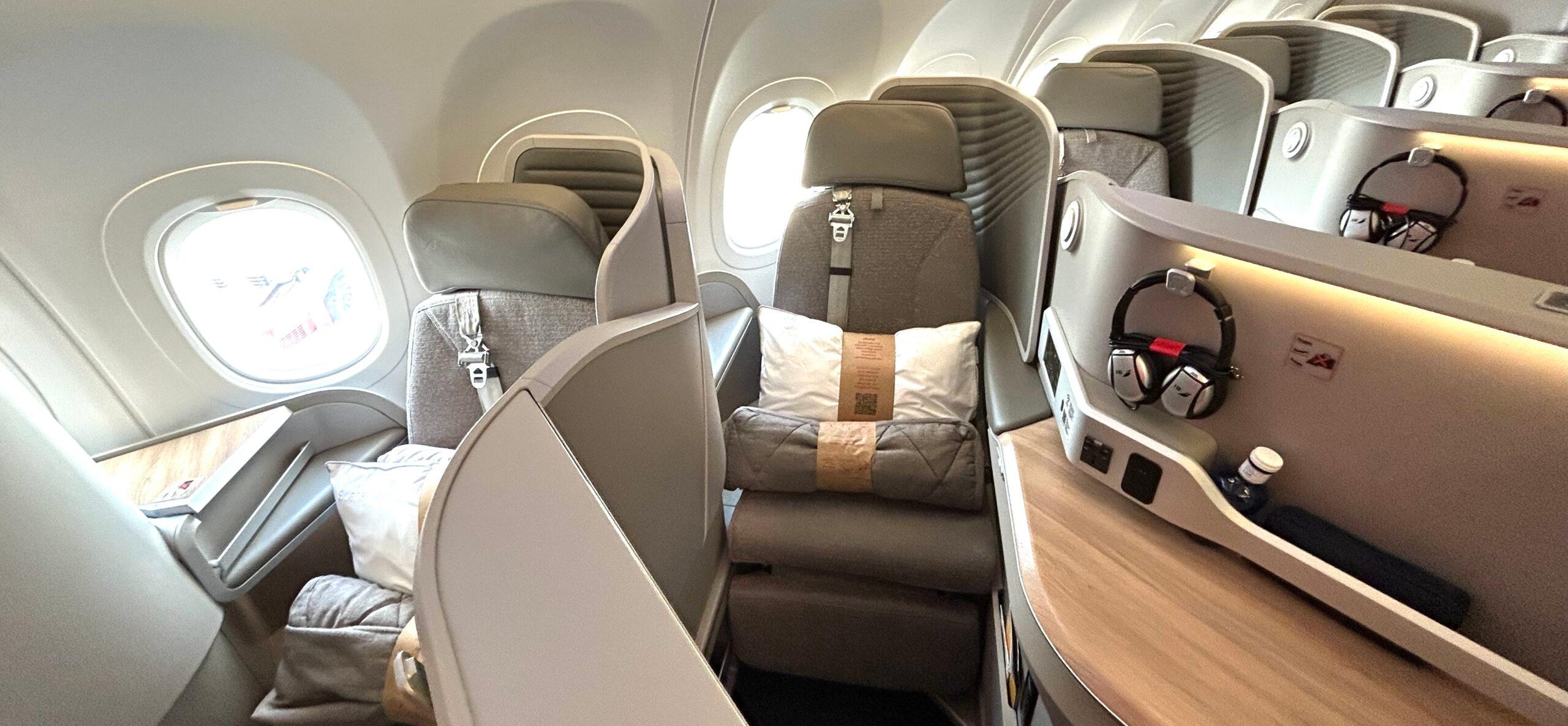
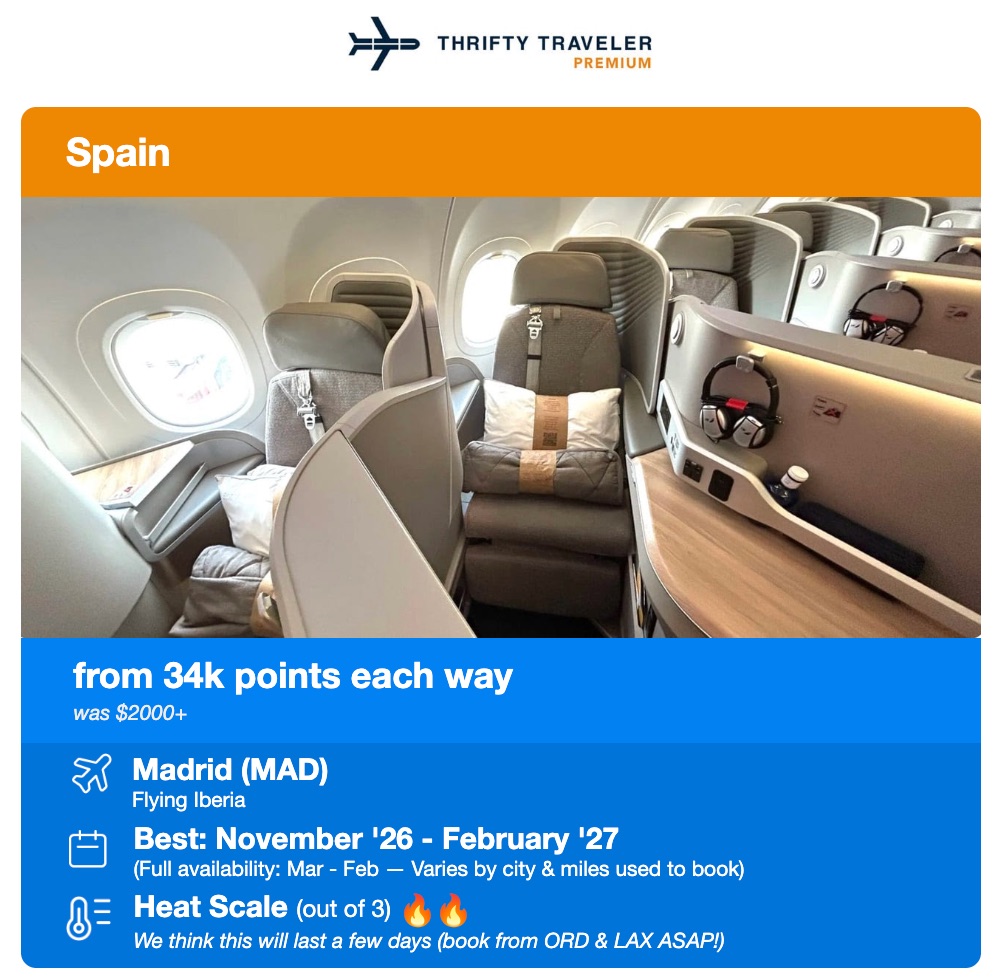
Financial experts often highlight the World of Hyatt partnership as one of the most valuable in the industry. Because Hyatt’s award chart remains relatively stable, 100,000 points can often cover four to five nights at a Category 5 or 6 luxury property, where cash rates might exceed $500 per night. In the aviation sector, transferring points to Iberia Plus can allow travelers to book round-trip business class flights from the East Coast to Madrid for as little as 68,000 to 81,000 points, provided they travel during off-peak dates.

Eligibility Requirements and Restrictions
Securing the 100,000-point bonus is subject to several strict internal policies maintained by Chase. The most significant hurdle for many applicants is the "5/24 Rule." While not an official written policy, it is widely documented that Chase will generally decline any application if the individual has opened five or more personal credit cards from any issuer within the past 24 months.
Additionally, specific "Sapphire-series" rules apply:
- The 48-Month Rule: An applicant is ineligible for the bonus if they currently hold any Sapphire card or if they have received a new cardmember bonus for any Sapphire card in the last 48 months.
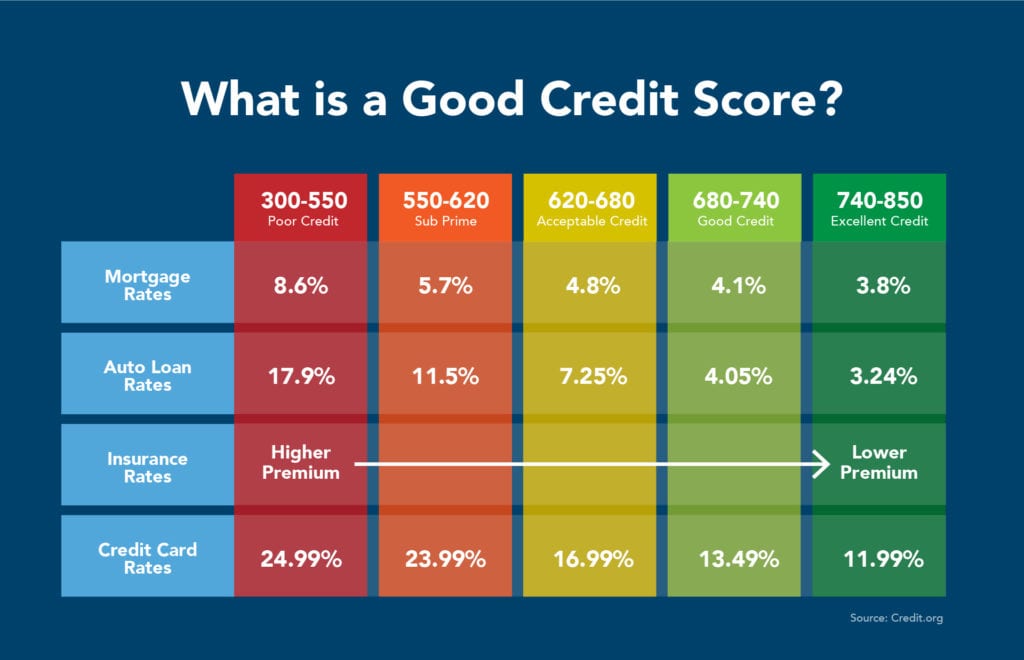
- Credit Score Standards: Internal data indicates that Chase typically looks for "Good to Excellent" credit. Applicants with scores below 700 may face higher rejection rates, though a pre-existing banking relationship with Chase can sometimes mitigate a lower score.
- Application Pop-Up: To improve transparency, Chase has implemented a notification system during the digital application process. If a user is ineligible for the bonus based on their account history, a pop-up window will inform them before the bank performs a "hard pull" on their credit report.
Economic Implications for the Credit Industry
The timing of this offer reflects broader economic trends. As interest rates remain elevated, banks are increasingly focused on high-spend, low-risk consumers. The $5,000 minimum spend requirement acts as a filter, ensuring that the cardholders who receive the bonus are those with significant organic spending capacity.
Furthermore, the "Points Boost" redemptions and the expansion of the Chase Travel℠ ecosystem signal Chase’s intent to compete directly with travel agencies like Expedia and Booking.com. By incentivizing cardholders to book through their internal platform, Chase captures more of the travel value chain, allowing them to fund these massive sign-up bonuses.
The impending deadline of July 30 suggests that Chase is reaching its acquisition targets for the quarter. Once the 100,000-point offer expires, analysts expect the bonus to revert to the standard 60,000-point level, which represents a $400 to $500 decrease in total value for the consumer.
Final Considerations for Applicants
While the 100,000-point bonus is undeniably attractive, financial advisors urge consumers to approach credit card applications with discipline. The $5,000 spending requirement must be met through "organic" spending—purchases the consumer would have made regardless of the card. Carrying a balance on the card would result in interest charges that quickly negate the value of the points.
For those who can meet the spending requirement and pass the 5/24 eligibility check, the window is closing rapidly. The July 30 deadline is firm, and historically, Chase has been strict regarding the cutoff time for digital applications. This promotion represents a rare alignment of a low annual fee and a high-value reward, a combination that has historically redefined consumer expectations for the travel rewards market.