Navigating the Cultural Complexity of Rajasthan Through the Lens of a Women’s Expedition

The landscape of international tourism in India has undergone a significant transformation in recent years, with a growing emphasis on specialized itineraries that cater to solo female travelers and small-group expeditions. For many Western travelers, particularly those from North America, the transition into the high-density urban environments of India—exemplified by the 35.5 million residents of the National Capital Region (NCR) of Delhi—presents a profound logistical and cultural challenge. Recent reports from travel participants, including those on Intrepid Travel’s Women’s Expedition in Rajasthan, highlight the critical role that local female leadership plays in bridging the gap between external perception and the nuanced reality of life on the ground in the Indian subcontinent.
The Urban Entry Point: Navigating Delhi During Peak Festivity
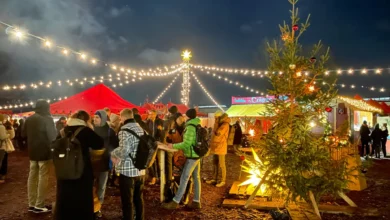
Arriving in Delhi during the lead-up to Diwali, the Hindu festival of lights, offers an immediate immersion into the sensory intensity of Indian urban life. With the city’s population exceeding that of many small nations, the logistical infrastructure is defined by a rhythmic, if seemingly erratic, flow of traffic. Travelers often report an initial period of "culture shock," a psychological state characterized by the overwhelming nature of unfamiliar social cues and environmental stimuli.
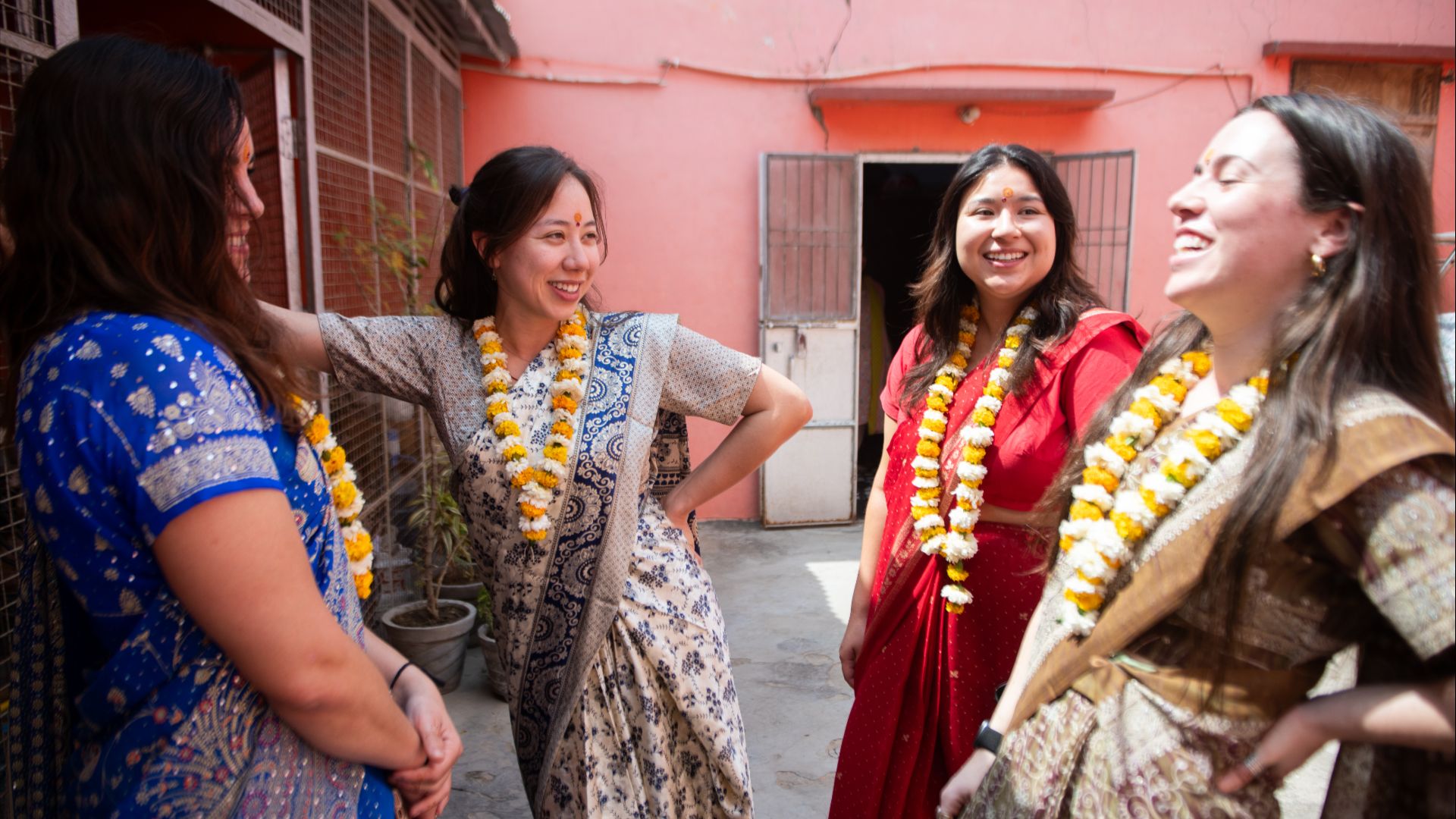
Industry experts note that for solo female travelers, this initial entry point can be the most daunting. The perceived chaos of merging rickshaws, pedestrians, and motor vehicles often requires a period of recalibration. However, as noted by local guides like Parul, an experienced leader for Intrepid Travel, there is an inherent logic to the movement. The role of the local leader extends beyond mere navigation; they serve as "cultural decoders," translating the unspoken rules of the road and the marketplace into a framework that Western visitors can process.
The Strategic Importance of Local Female Leadership
The "Women’s Expedition" model is designed to address specific safety concerns and social barriers that can affect the quality of travel for women in India. By employing local women as group leaders, travel organizations provide a layer of security and insider knowledge that is often inaccessible to independent travelers. Parul, who has led numerous groups through the Rajasthan circuit, emphasizes that her role is as much about shifting international perceptions as it is about logistics.
"Helping shift people’s perception of my country is an honor," Parul stated during a recent expedition. "India has genuine safety concerns, but international media sometimes creates the impression that women cannot travel independently here."

These leaders act as translators, safety experts, and mediators. They facilitate interactions in spaces that might otherwise feel restrictive, such as busy train stations or crowded markets. Data from the travel industry suggests that group-based travel significantly reduces the "mental load" for participants, allowing them to focus on cultural immersion rather than the stresses of navigating transport and food safety.
Chronology of a Rajasthan Circuit: From Urban Centers to the Thar Desert
A typical high-impact expedition through Rajasthan follows a specific chronological path designed to showcase the region’s diversity:
- The Delhi Gateway: The journey begins with an introduction to the capital’s history and the intensity of its commercial hubs.
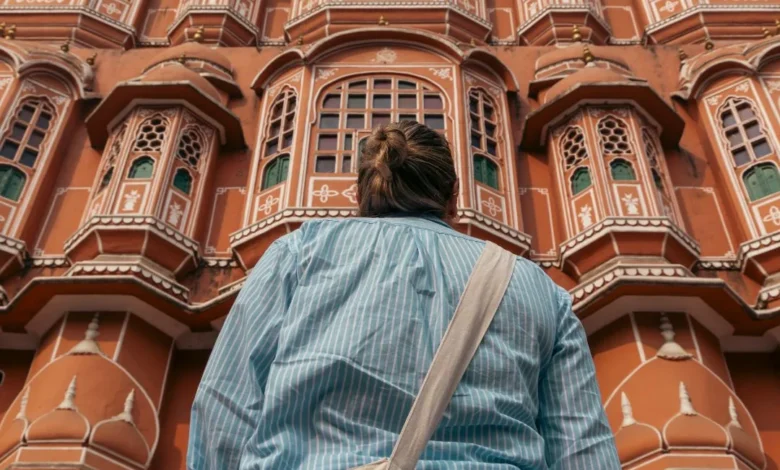
- The Pink City (Jaipur): Travelers move toward the capital of Rajasthan, focusing on architectural landmarks like the Hawa Mahal and the Amber Fort. This stage often includes interactions with local female-led initiatives, such as the women rickshaw drivers of Jaipur.
- The Blue City (Jodhpur): The expedition moves deeper into the desert state, exploring the Mehrangarh Fort and the intricate alleyways of the old city.
- The Thar Desert Immersion: A shift from urban density to rural tranquility, involving open-air camping and interactions with desert communities.
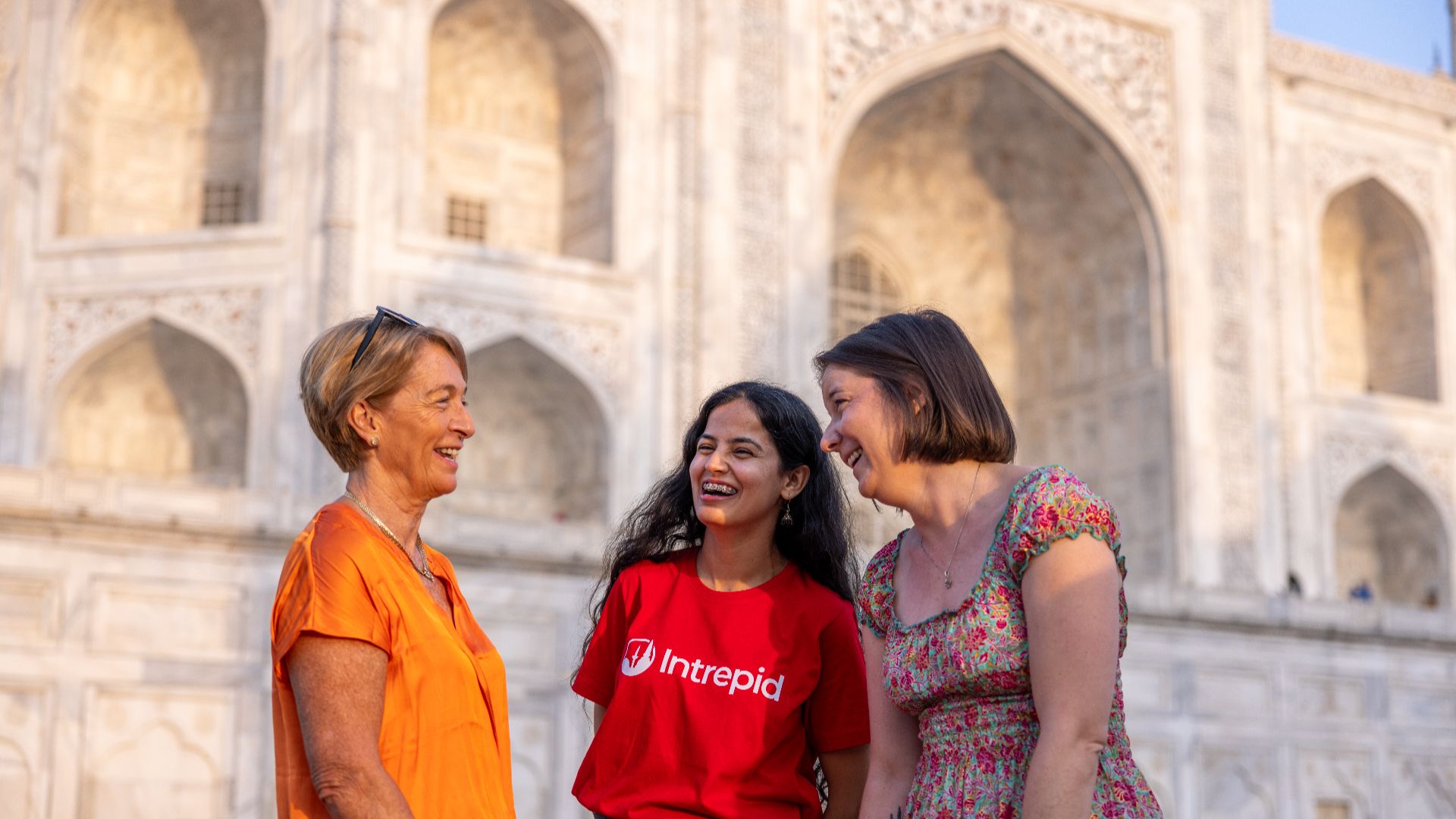
- The Monument of Love (Agra): The circuit often concludes or peaks with a visit to the Taj Mahal, providing historical context for the Mughal influence on Indian culture.
Safety, Perception, and Social Etiquette
Safety remains a primary concern for the tourism sector in India. According to the Ministry of Tourism’s 2023 statistics, India saw a significant rebound in international arrivals, reaching over 9.2 million. To support this growth, the government and private sectors have implemented measures such as women-only carriages on the Delhi Metro and long-distance trains, as well as specialized police units in tourist-heavy areas.
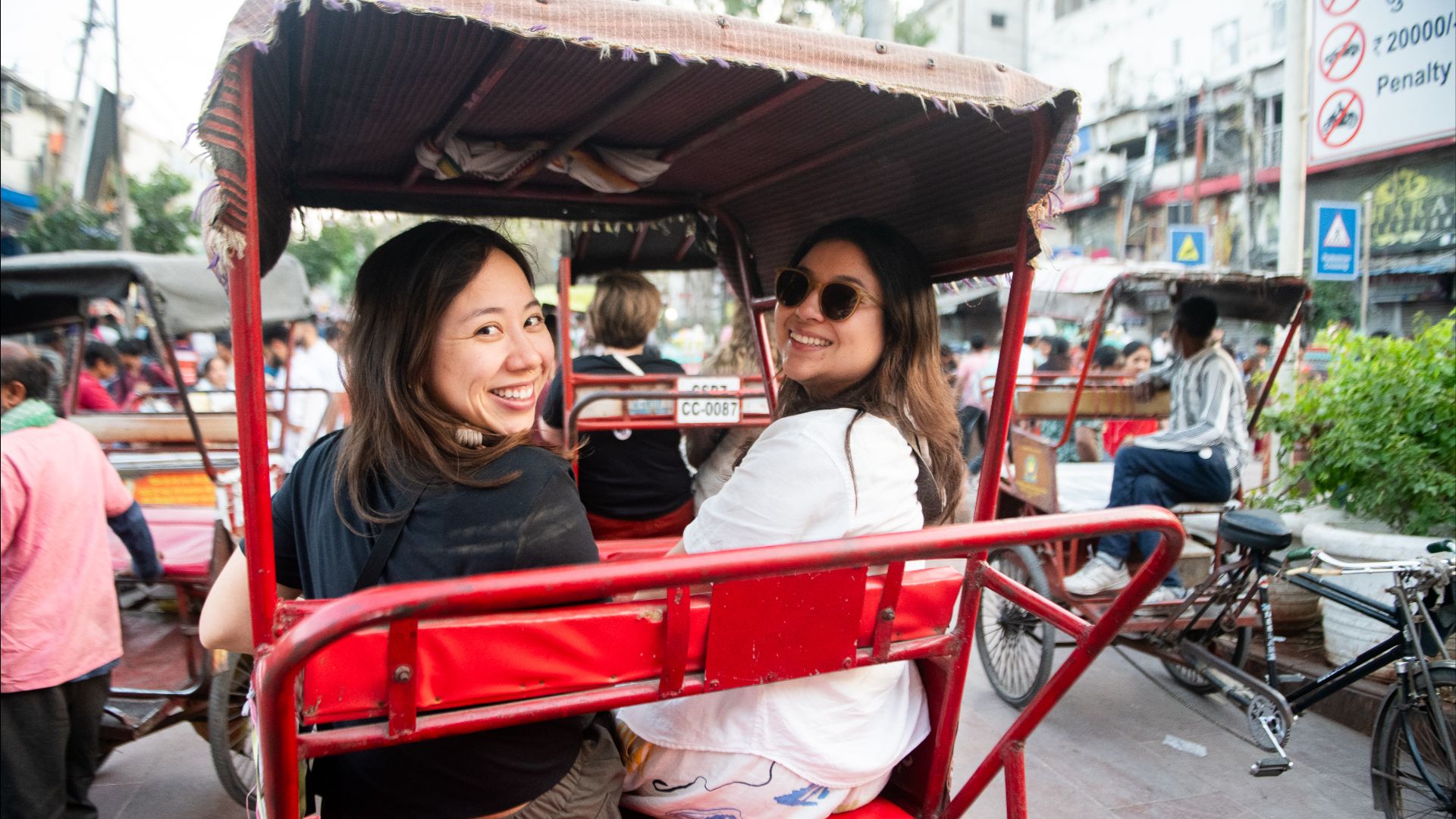
Participants in women-only expeditions report that the group dynamic creates a "safety in numbers" effect that allows for greater exploration. However, social etiquette remains a complex field to navigate. One of the most frequently cited adjustments for Western women is the "curiosity of crowds." In many parts of India, foreign travelers attract significant attention, including requests for photographs and persistent staring. Local leaders advise that while this is generally rooted in curiosity rather than hostility, maintaining personal boundaries is essential. The ability to say "no" politely but firmly is a skill often taught early in these expeditions.
Culinary Traditions and Regional Nuances
The culinary landscape of India is often misunderstood in the West as a monolith. In reality, the diet of Rajasthan is heavily influenced by its arid climate and history of princely states.
North Indian Traditions: In Rajasthan and the surrounding northern states, the cuisine is characterized by the use of wheat (roti and paratha), dairy products (ghee and cream), and tandoor-style cooking. The influence of the Mughal Empire is evident in the rich, aromatic gravies and milk-based desserts like kulfi.
South Indian Contrasts: Leaders often introduce travelers to South Indian staples, such as dosas (fermented rice crepes) and idlis, to demonstrate the country’s regional diversity. The southern diet relies more heavily on rice, coconut, and seafood, tempered with curry leaves and mustard seeds.
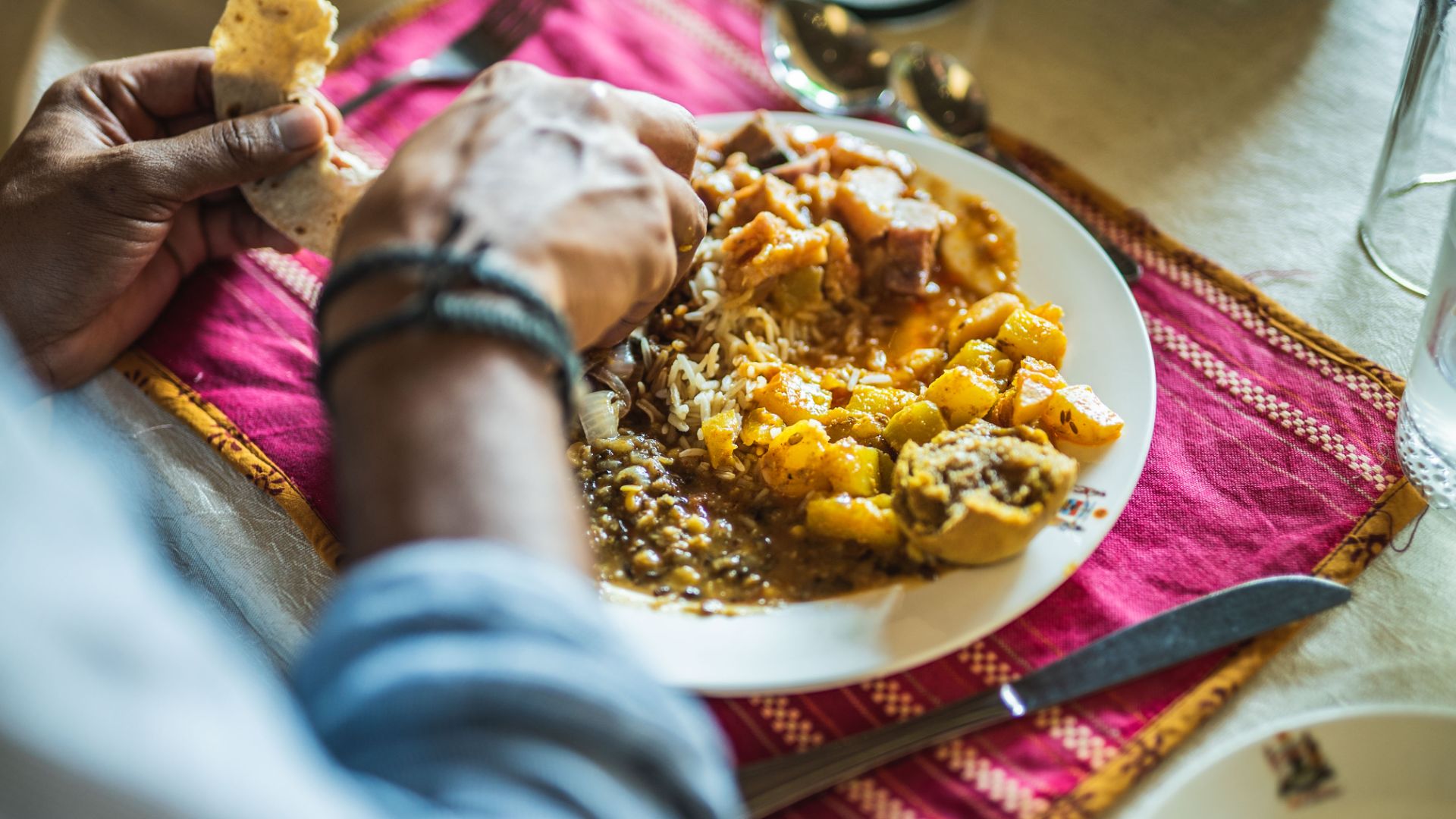
Etiquette training is a core component of the cultural immersion process. This includes the traditional practice of eating with the right hand—a custom rooted in hygiene and spiritual beliefs—and the communal nature of sharing "thalis" or platters.
Economic and Social Impact of Female-Centric Tourism
The rise of women’s expeditions has a direct economic impact on local communities. By prioritizing female-owned businesses, such as home-stays, craft collectives, and transport services, these tours contribute to the financial independence of Indian women.

In Jaipur, for instance, the integration of women rickshaw drivers into the tourism supply chain provides these women with a sustainable income and a sense of empowerment in a traditionally male-dominated field. Furthermore, the presence of international female travelers in rural villages often sparks dialogues about education and career aspirations among local girls.
Implications for the Future of Meaningful Travel
The success of specialized expeditions in India points to a broader trend in the global travel industry: the shift toward "meaningful" or "transformative" travel. Modern travelers are increasingly seeking experiences that go beyond the "highlights reel" of major monuments. They are looking for authentic connections—making dinner with a local family, attending a Bollywood film without subtitles, or learning the intricacies of draping a sari.
As India continues to modernize, the tension between tradition and progress remains a central theme of the travel experience. Festivals like Diwali, while celebratory, also highlight the challenges of urban management, pollution, and infrastructure strain. Having a local leader to navigate these complexities—adjusting schedules when traffic becomes impassable or explaining the spiritual significance of a Ganesha painting on a village door—is what transforms a standard tour into a deep cultural exchange.
The data suggests that as long as the travel industry continues to prioritize safety, local expertise, and gender-equitable practices, India will remain a premier destination for those seeking to challenge their perspectives. The "Women’s Expedition" model serves as a blueprint for how tourism can be both a bridge between cultures and a tool for social empowerment, proving that the best way to understand a place as complex as India is through the eyes of those who call it home.