Unveiling Albania’s Accursed Mountains: A Three-Day Odyssey from Lake Koman to Theth

Albania’s northern frontier, a rugged expanse often referred to as the "Accursed Mountains" (Bjeshkët e Nemuna), holds one of Europe’s most captivating and least-trodden natural wonders. This region offers a profound journey that marries breathtaking alpine scenery with deep cultural immersion, culminating in a three-day trek from the serene waters of Lake Koman, through the verdant Valbona Valley, and over a dramatic mountain pass to the historic stone village of Theth. This expedition serves not merely as a physical challenge but as an invitation to step back in time, engaging with communities whose traditions have endured centuries of isolation.
The Gateway: Lake Koman Ferry – A Hydroelectric Marvel and Scenic Artery
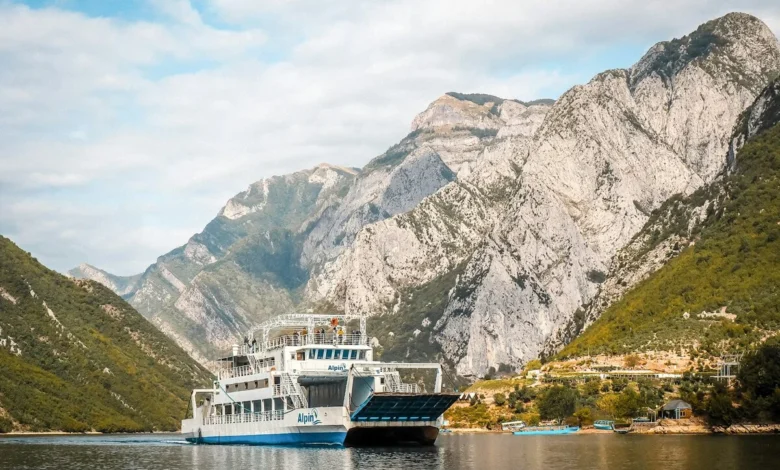
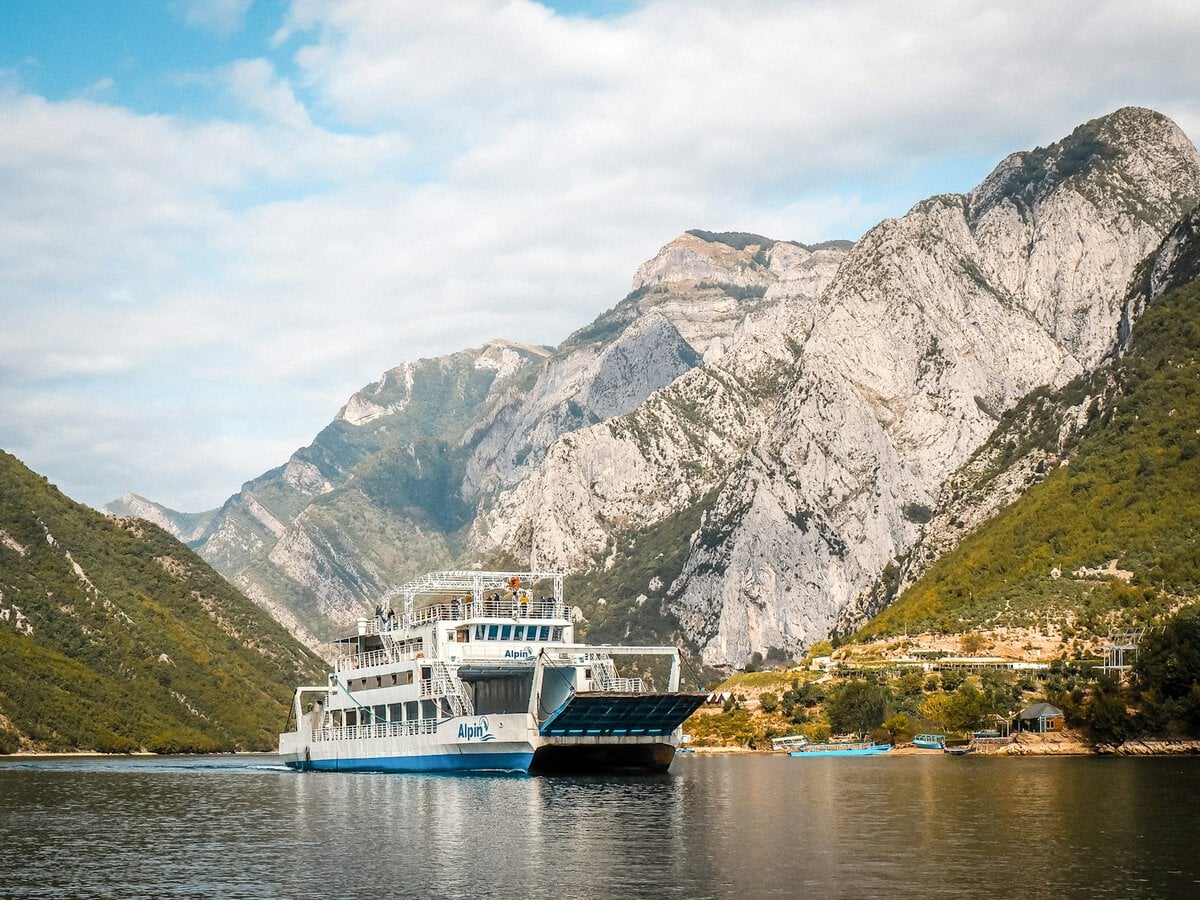
The adventure typically commences with a scenic three-hour road journey north from Albania’s capital, Tirana, leading to the embarkation point for the Lake Koman ferry. This 57-kilometer passage is not merely a mode of transport but an integral part of the experience, often lauded as one of Europe’s most dramatic boat journeys. Lake Koman itself is a man-made reservoir, created in the late 1970s and early 1980s by the construction of three hydroelectric dams on the Drin River. This ambitious engineering project, undertaken during Albania’s communist era, reshaped the landscape, submerging ancient river valleys to create a series of interconnected, fjord-like lakes that wind through towering limestone cliffs.
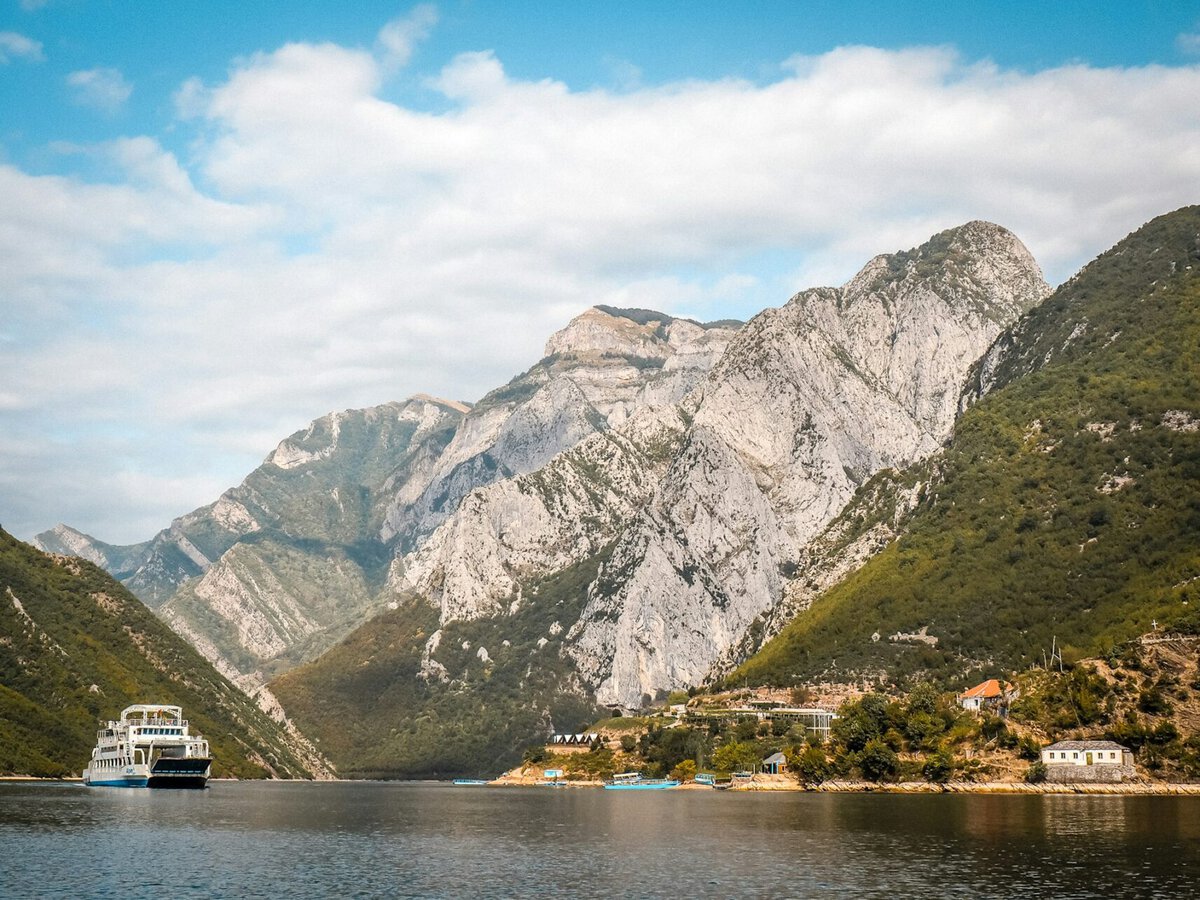
The ferry, a working vessel that serves as a vital lifeline for the isolated communities along the lake’s shores, carries a diverse mix of locals, their supplies, and a growing number of intrepid travelers. This blend fosters an authentic atmosphere, setting the tone for the journey ahead. As the boat navigates the narrow, canyon-like passages, the water beneath shifts from a deep, emerald green to a pale, luminous turquoise, reflecting the varying depths and the interplay of sunlight filtering through the dramatic geological formations. Sheer cliffs, often plunging directly into the water, are densely forested, creating a primordial landscape largely untouched by modern development. The absence of roads along the shore means that small, scattered homesteads, perched precariously on shelves of land, are accessible only by boat, underscoring the profound isolation that has shaped life here for generations.
Passengers on the Lake Koman ferry often find themselves captivated, spending the entire three-hour crossing at the rail, absorbing the unfolding panorama in silence. There are no commentary announcements, allowing the natural grandeur to speak for itself. It is a place where the urge to document with a phone often gives way to a deeper need for pure observation, a sentiment frequently echoed by visitors who report instinctively putting their devices away, feeling that the scene defies reduction to a screen. This involuntary digital detox is a testament to the raw, unadulterated beauty of the Albanian Alps.
Valbona Valley: Cradle of Tradition and Mountain Hospitality
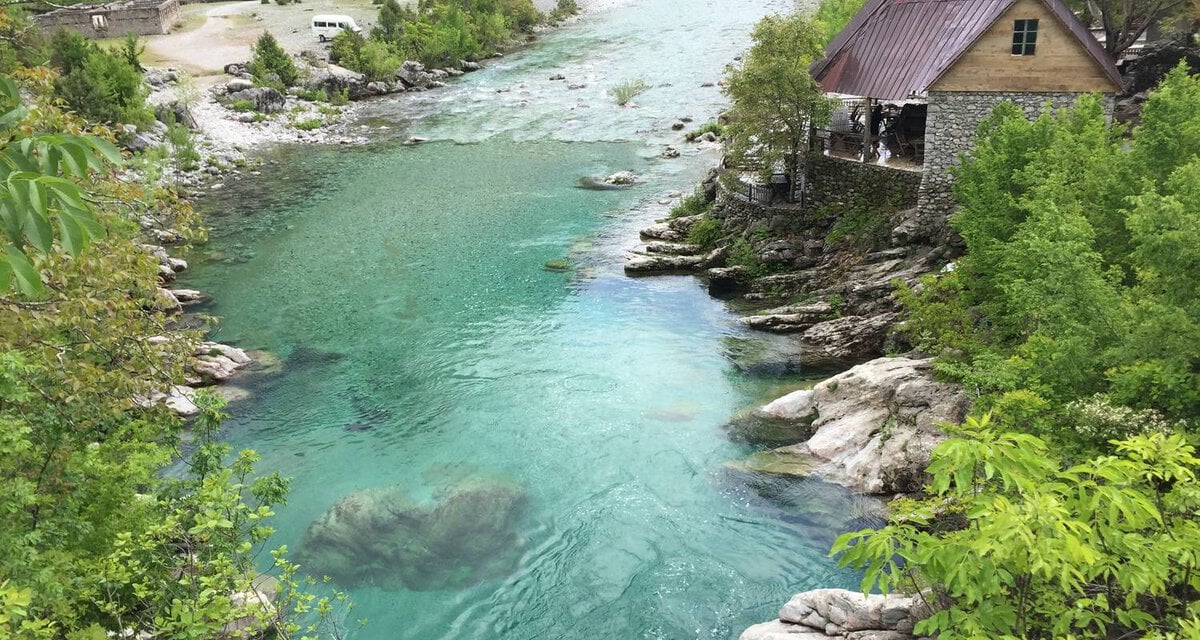
Upon disembarking at Fierza, at the far end of Lake Koman, the route continues by road into the majestic Valbona Valley. This valley, part of Valbona Valley National Park, is a designated protected area renowned for its pristine wilderness, rich biodiversity, and traditional mountain culture. Here, accommodation takes the form of family-run guesthouses, many of which have been welcoming travelers for two or three generations. These are not hotels in the conventional sense but homes where the principle of mikpritja është ligj – "hospitality is law" – is lived rather than performed.
Rooms are typically simple, clean, and comfortable, reflecting the practicality of mountain living. Meals are a highlight, prepared in the guesthouse kitchen and served at a communal table, fostering a sense of camaraderie among guests and hosts. Dinner on the first evening often features homemade bread, local white cheese, mountain honey, and a slow-cooked meat dish, all sourced locally and prepared according to time-honored recipes. The food is organic, hearty, and deeply flavorful, a direct reflection of the valley’s self-sufficient agrarian lifestyle. Hosts frequently offer generous portions and glasses of homemade raki, a potent fruit brandy, not as a commercial gesture but as an ingrained custom of generosity and welcome.
The cultural immersion deepens as guesthouse patriarchs share stories over dinner, offering invaluable context that no guidebook can provide. Many recall growing up in Valbona during the Communist era, a period when the valley was almost completely cut off from the outside world, especially during harsh winters. These personal narratives illuminate the resilience, resourcefulness, and intricate social structures that allowed mountain communities to thrive in isolation. They paint a vivid picture of a way of life that, while gradually changing, still forms the bedrock of the valley’s identity, making the natural beauty even more meaningful.
The Valbona to Theth Trek: Traversing the Heart of the Accursed Mountains
The centerpiece of this Albanian adventure is the hike from Valbona to Theth, a challenging yet immensely rewarding 14-kilometer trek that traverses some of the most spectacular terrain in the Albanian Alps. The trail involves an approximate 600-meter elevation gain to the pass, followed by a similar descent into Theth, typically taking 6-7 hours to complete, including rest stops. It demands moderate fitness but does not require technical climbing skills, making it accessible to most reasonably fit hikers.
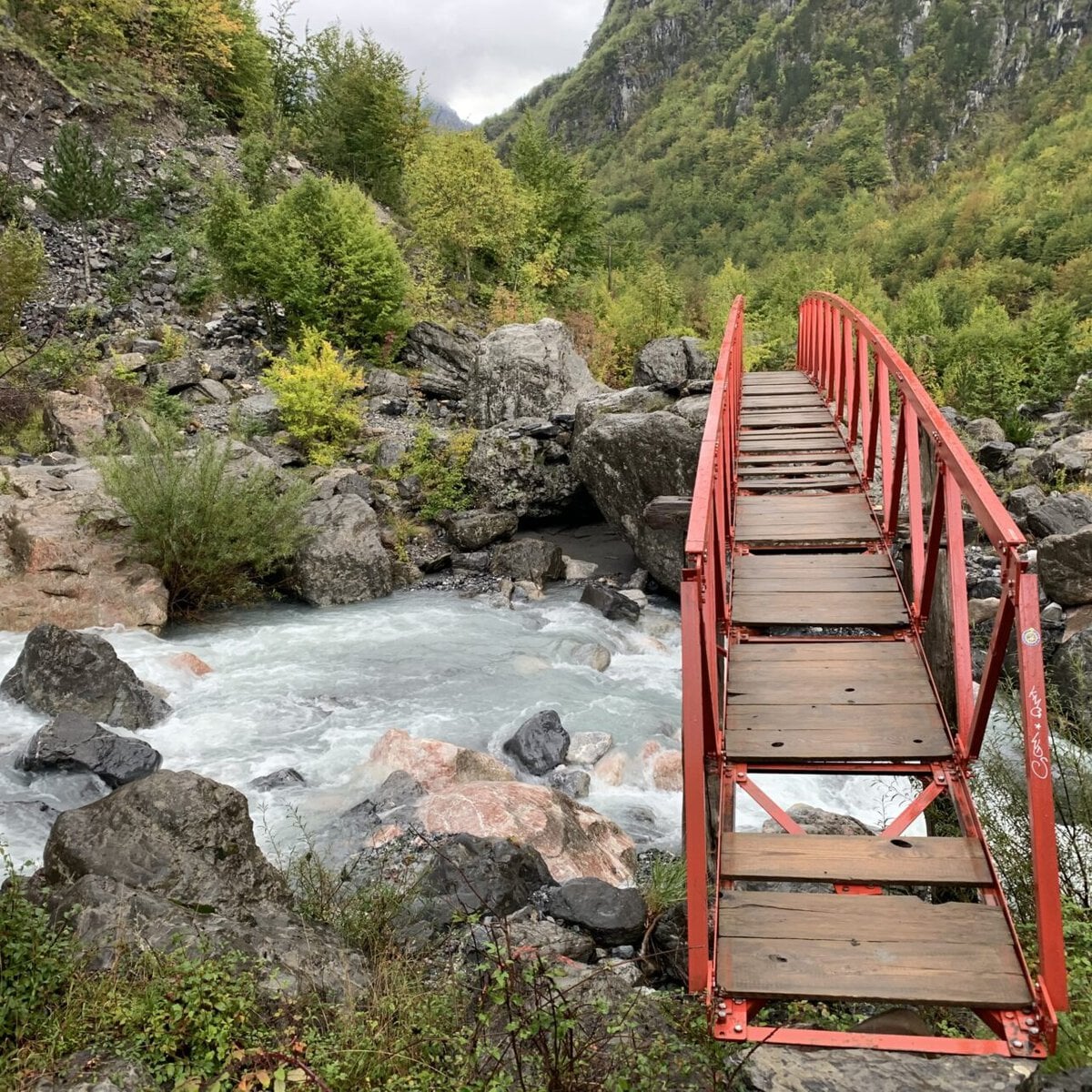
Hikers typically begin early, when the mountain air is crisp and invigorating. The initial segments of the trail wind through dense pine and beech forests, where sunlight filters through ancient branches, and the scent of wild herbs and damp earth fills the air. The path, an ancient route used for centuries to connect these mountain communities, feels distinctly different from more commercialized hiking destinations across Europe. There are no crowds, no elaborate facilities, just the raw beauty of nature and the occasional greeting from local shepherds tending their flocks. This sense of untouched wilderness is a profound draw for many.
As the ascent continues, the forest gradually gives way to expansive mountain meadows, dotted with vibrant wildflowers in season and traditional stone shelters. The terrain becomes rockier, requiring more careful footing, but the physical effort is continually rewarded with increasingly panoramic views of the surrounding peaks. The biodiversity of the region is noteworthy, with species like the Balkan pine, various orchids, and a chance to spot elusive wildlife such as chamois, wild boar, and even the occasional golden eagle soaring overhead.
The most powerful moment for many hikers arrives at the trail’s highest point, Qafa e Valbonës (Valbona Pass), situated approximately 1,800 meters above sea level. After several hours of steady climbing, the landscape dramatically transforms. The mountains, which had previously felt enclosing, suddenly open up in every direction, revealing an endless expanse of jagged peaks stretching to the horizon. It is a moment of profound silence, a vastness that often renders travelers speechless. Many guests have been observed taking out cameras only to put them away again, choosing instead to simply sit, absorb, and imprint the sheer scale of the "Accursed Mountains" into their memory. A Canadian guest eloquently described this experience, noting that it wasn’t just the visual spectacle that moved him, but the overwhelming feeling of standing in a place so remote and pristine that it offered a powerful reminder of the world’s enduring beauty and wildness—an experience that transcends photography.
Theth National Park: Living History in Stone
The descent from the Valbona Pass leads hikers into the enchanting realm of Theth National Park, revealing one of Albania’s most remarkable and iconic villages. Theth (pronounced "Teth") is characterized by its traditional stone houses with distinctive slate roofs, scattered across the valley floor. Many of these dwellings date back centuries and are still inhabited by families whose ancestors first built them, offering a tangible link to a long and resilient past. The architecture itself tells a story of mountain life: thick stone walls designed for winter warmth, strategic positioning for protection, and craftsmanship that has withstood generations of harsh weather and isolation.
Theth is rich in cultural heritage. Visits to the village typically include its iconic stone church, a modest but striking symbol of the community’s enduring faith and resilience. Another pivotal site is the Lock-in Tower, or Kulla e Ngujimit. This traditional refuge structure, often mistakenly viewed as a mere relic, represents the complex social codes that once governed mountain communities, particularly the Kanun – a customary law code that included provisions for blood feuds (gjakmarrja). The kulla provided a sanctuary for men under threat of vengeance, allowing them to remain safe until a resolution could be negotiated. It stands as a powerful, living testament to the intricate system of justice and honor that once defined life in these remote valleys, now serving as a poignant reminder of a difficult past and the evolution of social norms.
Natural wonders abound in Theth. The crystal-clear Grunas Waterfall, fed by pristine mountain springs, cascades into pools that reflect the surrounding peaks with mirror-like precision, creating an atmosphere of profound peace. Further exploration can lead to the "Blue Eye" (Syri i Kaltër), a mesmerizing cold-water spring forming a deep blue pool, accessible via a picturesque walk. The sound of cascading water throughout the valley, mingled with the profound mountain silence, contributes to an almost meditative experience.
Evenings in Theth mirror the hospitality found in Valbona: shared meals, opportunities for local stories, and the kind of genuine connection that transforms travelers into temporary members of the family. The guesthouse owners in Theth often provide unique perspectives on mountain life, having experienced firsthand the transition from complete isolation to a gradual, yet carefully managed, connection with the outside world.
Beyond the Landscapes: Deep Cultural Immersion and Sustainable Tourism
What truly distinguishes the Albanian Alps hiking experience from other mountain adventures across Europe is the depth of cultural connection it offers. While the landscapes are undeniably spectacular, it is the profound human element that transforms a beautiful trip into a deeply meaningful journey. This region is a living museum, where traditions continue not for tourist performance, but because they remain practical, meaningful, and deeply woven into the fabric of daily life.
Local partners, including guides and guesthouse owners, are not merely service providers; they are cultural ambassadors. They share their way of life with genuine openness, inviting guests to learn about traditional food preservation techniques, the seasonal migration patterns of livestock, and social customs that have evolved over centuries of mountain living. These insights provide an invaluable context, imbuing the physical beauty of the landscape with a richer, more profound significance. The authenticity is striking; visitors experience daily life in communities where traditions are preserved out of necessity and identity, rather than commercialization.
Responsible tourism development in the Albanian Alps is a delicate balancing act. As interest in the region grows, local communities and tourism operators are increasingly focused on sustainable practices. This involves supporting family-run guesthouses, employing local guides, preserving traditional architecture, and educating visitors on respecting the environment and cultural norms. The goal is to ensure that the economic benefits of tourism empower local communities while safeguarding the pristine natural environment and the unique cultural heritage that makes this region so special. Travelers are encouraged to engage beyond superficial observations, asking deeper questions about how modern life integrates with traditional practices, how younger generations view their mountain heritage, or what environmental changes locals have observed over decades. These conversations often yield the most rewarding insights, fostering genuine cross-cultural understanding.
Practical Information for the Albanian Alps Adventure
Best Time to Visit: The optimal period for hiking in the Albanian Alps is from late May through early October. During these months, weather conditions are generally stable, offering pleasant temperatures. Expect daytime temperatures ranging from 15°C (59°F) in the early mornings to 28°C (82°F) in the afternoons, with cool, comfortable evenings ideal for outdoor dining and stargazing. Early spring and late autumn can bring unpredictable weather, including snow at higher elevations.
Physical Requirements: The Valbona to Theth hike is classified as moderately challenging. The 14-kilometer trail involves approximately 600 meters of cumulative elevation gain and a similar descent. Most reasonably fit travelers can complete the trek comfortably in 6-7 hours, including ample breaks for rest and photography. Regular walking, jogging, or light hiking in the months leading up to the trip is recommended, particularly if you are unaccustomed to mountain terrain.
What to Pack: Essential items include sturdy, worn-in hiking boots with good ankle support, layered clothing suitable for fluctuating temperatures (including a fleece or warm jumper), waterproof and windproof rain gear, sun protection (hat, sunglasses, high-SPF sunscreen), and a comfortable daypack for water, snacks, and personal items. Guesthouses provide bedding and meals, so a lightweight approach to packing for overnight stays is advised. A reusable water bottle is also highly recommended.
Transportation: The experience typically begins with organized transport from Tirana to the Lake Koman ferry terminal. This package usually includes the ferry crossing, all subsequent transfers between villages (e.g., Fierza to Valbona, Theth to Shkodra/Tirana), and return transport to Tirana, ensuring a seamless logistical experience.
Accommodation: Throughout the journey, accommodation is in welcoming, family-run guesthouses in both Valbona and Theth. These establishments offer clean, comfortable private rooms, typically with shared bathroom facilities. The emphasis is on authentic cultural immersion and traditional hospitality rather than luxury amenities. Meals, featuring delicious homemade mountain cuisine, are included and prepared by the local families themselves.
Cost Considerations: For a comprehensive three-day experience, including all transport from Tirana, the Lake Koman ferry, accommodation, and all meals, budget approximately €150-200 per person. This estimate covers the major expenses, excluding personal items, alcoholic beverages, and optional gratuities for guides and hosts.
Safety & Connectivity: Reputable tour operators prioritize safety, utilizing experienced local guides who are intimately familiar with the terrain and local weather patterns. While mobile phone signal can be intermittent or non-existent in remote areas of the Alps, this often contributes positively to the "digital detox" aspect of the journey. Emergency protocols are in place for unforeseen circumstances.
Frequently Asked Questions
How challenging is the hike between Valbona and Theth for beginners?
The Valbona-Theth trek requires moderate fitness and some prior hiking experience is beneficial, especially for mountain terrain. It does not involve technical climbing. The pace is generally comfortable, with guides adjusting timing and incorporating plenty of rest stops to accommodate the group’s needs. Regular walking or light hiking in the weeks before your trip will significantly enhance your enjoyment.
What happens if weather conditions make the ferry crossing impossible?
Lake Koman ferries operate reliably in most weather conditions. However, in rare instances of severe storms or exceptionally high winds, delays or cancellations can occur for safety reasons. Tour operators closely monitor weather forecasts and have alternative route options available, such as overland transport, to ensure the journey can proceed with minimal disruption. Flexibility is key when traveling in mountain regions.
Are the guesthouses comfortable for travelers used to hotel amenities?
The guesthouses in Valbona and Theth offer clean, private rooms and a warm, hospitable atmosphere, emphasizing traditional mountain charm over conventional luxury. Most feature shared bathroom facilities and communal dining. While they may not have the amenities of a modern hotel, guests consistently find the authentic cultural immersion and genuine warmth of the hosts to be a far more rewarding experience than standard accommodations.
Can families with children handle this mountain adventure?
This mountain adventure is generally suitable for families with active children who enjoy hiking and outdoor activities. The ferry ride is often a captivating experience for younger travelers, and interactions with local families (who often have children of their own) can be enriching. We typically recommend this trip for families with children aged 10 and above who have some prior hiking experience and an adventurous spirit.
How much interaction with local families actually happens during the stay?
The level of interaction can vary based on your interest and the specific guesthouse, but most guests share at least one meal with their host family and have ample opportunities for conversation about local life and traditions. Many hosts speak some English, and guides are available to assist with translation when needed. The communal evening meals are naturally conducive to cultural exchange and forming connections.
What makes Albanian Alps hiking different from other destinations in the Balkans?
The Albanian Alps offer a unique combination of elements not easily found elsewhere in the Balkans. The Lake Koman ferry journey provides an unparalleled dramatic entrance to the region. The Valbona-Theth trek traverses ancient paths connecting truly authentic mountain villages that have largely maintained their traditional character due to historical isolation. Unlike more developed hiking areas, the absence of extensive tourist infrastructure means a more genuine cultural immersion alongside spectacular, pristine mountain scenery, offering a rare glimpse into a vanishing way of life.