Comprehensive Guide to Disney Good Neighbor Hotels and Off-Property Resort Strategies for Walt Disney World and Disneyland

The hospitality landscape surrounding the Walt Disney World Resort in Florida and the Disneyland Resort in California has evolved into a complex ecosystem of tiered accommodations designed to meet a wide spectrum of budgetary and logistical needs. While the "Disney-owned and operated" hotels remain the primary choice for those seeking full immersion, a significant portion of the tourism market is captured by the Disney Good Neighbor Hotel program and other third-party resorts located within or adjacent to Disney property. Understanding the distinctions between these categories is essential for families navigating the financial and operational realities of a modern theme park vacation.
The Framework of the Disney Good Neighbor Program
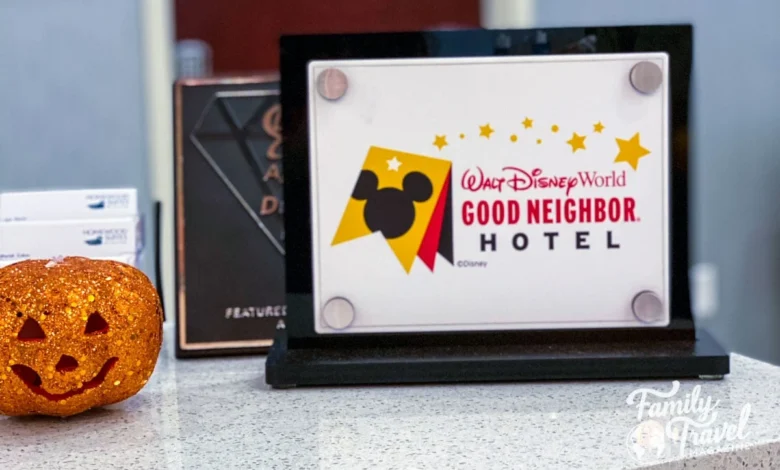
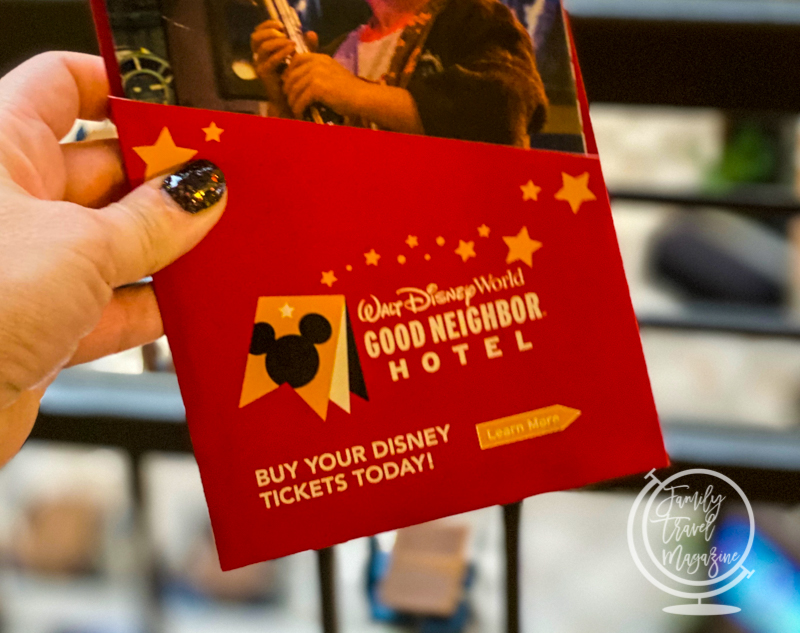
The Disney Good Neighbor Hotel designation is a formal certification awarded by Disney to select off-property hotels that meet specific criteria for quality, service, and convenience. To maintain this status, a property must be vetted annually by Disney. These hotels are required to provide a dedicated guest services desk to assist with Disney-related inquiries, facilitate the sale of theme park tickets, and offer reliable transportation to the parks.
While these hotels are not owned by the Walt Disney Company, they are integrated into the broader Disney marketing ecosystem. This relationship allows Disney to manage regional tourism overflow while providing guests with standardized quality assurances. In Anaheim, many Good Neighbor Hotels are within walking distance of the Disneyland Resort entrance on Harbor Boulevard, whereas in Orlando, they are typically located within a short drive of the Walt Disney World gates, often in the International Drive or Lake Buena Vista corridors.
Historical Evolution of Third-Party Partnerships
The concept of third-party hotels operating on or near Disney property dates back to the early development of Walt Disney World in the 1970s. When Disney opened the Magic Kingdom in 1971, it recognized that it could not build enough rooms to house every visitor. This led to the creation of the "Hotel Plaza Boulevard" area, now known as the Disney Springs Resort Area.
Over the decades, the partnership model expanded. In the late 1980s, Disney partnered with Tishman Realty and Construction to develop the Walt Disney World Swan and Dolphin resorts, which are managed by Marriott but sit on Disney land. This paved the way for the "Good Neighbor" branding, which was designed to help consumers distinguish reputable local hotels from the thousands of unverified motels in the Central Florida and Southern California regions.
Comparative Analysis: On-Property vs. Off-Property Logistics
For travelers, the decision to stay at a Good Neighbor Hotel or a third-party resort often hinges on a cost-benefit analysis of "The Disney Bubble."
The Value Proposition of Space and Amenities
One of the primary drivers for selecting a Good Neighbor Hotel is the availability of larger accommodations. While Disney-owned "Value" and "Moderate" resorts often feature standard hotel rooms of 260 to 314 square feet, off-property suites frequently offer 500 to 800 square feet. Properties such as the Embassy Suites Orlando-International Drive South or the Homewood Suites by Hilton Orlando Theme Parks provide multi-room configurations, kitchenettes, and full-sized refrigerators. These amenities allow families to reduce food costs by preparing meals in-room, a factor that significantly lowers the total cost of a multi-day vacation.
Transportation and Access
A critical distinction lies in transportation. While Disney-owned resorts offer complimentary, continuous service via monorail, ferry, Skyliner, or bus, Good Neighbor Hotels typically operate on a fixed shuttle schedule. Some properties may charge a nominal fee for this service. In the Disneyland Resort area, the "Good Neighbor" designation is particularly valuable for hotels that are part of the Anaheim Resort Transportation (ART) system, providing easy access for those not within walking distance.
Specialized Categories of Non-Disney Hotels
Not all non-Disney hotels are categorized equally. There are three distinct tiers of third-party accommodations that offer varying levels of park benefits.
1. The Disney Springs Resort Area Hotels
Located within walking distance of the Disney Springs shopping and dining district, these seven hotels occupy a unique middle ground. They are situated on Disney property but are operated by major brands such as Hilton, Wyndham, and Marriott. These hotels include:
- B Resort & Spa
- DoubleTree Suites by Hilton Orlando
- Hilton Orlando Buena Vista Palace
- Hilton Orlando Lake Buena Vista
- Holiday Inn Orlando
- Wyndham Garden Lake Buena Vista
- Drury Plaza Hotel Orlando
Guests at these resorts often receive "Early Theme Park Entry," allowing them to enter any of the four Disney World parks 30 minutes before the general public.
2. The Walt Disney World Swan, Dolphin, and Swan Reserve
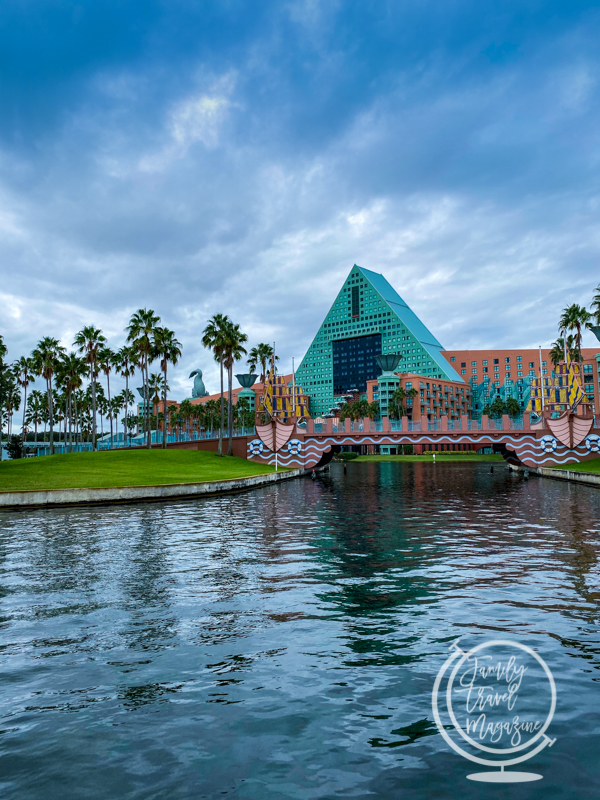
These Marriott-managed properties are located in the Epcot Resort Area, nestled between Epcot and Disney’s Hollywood Studios. Despite not being Disney-owned, they are considered "Deluxe" level partners. Consequently, guests here receive the most significant perks available to non-Disney guests, including Extended Evening Theme Park Hours on select nights—a benefit usually reserved for Disney’s highest-priced hotels.
3. The Bonnet Creek Collection and Luxury Tier
The Bonnet Creek enclave is a geographically unique area entirely surrounded by Walt Disney World but not owned by it. It houses luxury options such as the Signia by Hilton Orlando Bonnet Creek, the Waldorf Astoria, and the JW Marriott Orlando Bonnet Creek. Furthermore, the Four Seasons Resort Orlando, located within the Golden Oak residential community on Disney property, offers a Five-Diamond experience that exceeds the luxury offerings of most Disney-owned resorts.
Data-Driven Trends in Guest Preferences
Recent industry data suggests a shift in how families allocate their travel budgets. As theme park ticket prices and "Genie+" (now Lightning Lane Multi Pass) costs have risen, travelers are increasingly looking for "room-only" savings to offset daily park expenditures.
Analysis of average daily rates (ADR) shows that a standard room at a Disney Deluxe Resort can range from $500 to over $1,000 per night. In contrast, a Good Neighbor Hotel suite often ranges from $180 to $300 per night. For a seven-day stay, this represents a potential saving of $2,000 to $5,000, which many families reallocate toward dining, guided tours, or extended park stays.
Early Entry and the Competitive Edge
In the current operational climate, "Early Theme Park Entry" has become the most sought-after benefit. Following the retirement of "Extra Magic Hours" in 2021, Disney introduced this 30-minute head start for all on-site guests. Importantly, Disney has extended this privilege to several Good Neighbor and partner hotels.
According to park strategy experts, this 30-minute window is vital for riding high-demand attractions like Star Wars: Rise of the Resistance or Avatar Flight of Passage without long wait times. Travelers are advised to verify their hotel’s participation in this program via the official Disney World "Early Entry" participating hotels list, as not all Good Neighbor properties qualify.
Broader Impact and Industry Implications
The existence of the Good Neighbor program is a strategic necessity for Disney. By certifying local hotels, Disney ensures that the regional infrastructure can support the millions of visitors who flock to Orlando and Anaheim annually. This partnership also forces local hotels to maintain higher maintenance standards to keep their "Disney-approved" status, which elevates the overall quality of the local tourism industry.
However, the program also highlights the increasing "unbundling" of the Disney experience. Years ago, staying on-property included perks like "Magical Express" airport transportation and free MagicBands. As Disney has transitioned these into paid services, the gap between staying on-property and off-property has narrowed, making Good Neighbor Hotels more competitive than ever.
Summary of Strategic Considerations
For travelers, the choice of accommodation should be dictated by the specific goals of the trip. On-property Disney hotels remain the superior choice for those prioritizing "immersion," ease of transportation, and the ability to charge purchases to a room key or MagicBand.
Conversely, off-property and Good Neighbor options are best suited for:
- Large Families: Who require suites or connecting rooms with kitchens.
- Budget-Conscious Travelers: Who prefer complimentary breakfast and lower nightly rates.
- Loyalty Program Members: Who wish to earn or redeem points with Hilton, Marriott, or IHG.
- Multi-Destination Tourists: Who plan to visit other area attractions like Universal Studios, SeaWorld, or local beaches.
As the theme park industry continues to adapt to post-pandemic travel patterns, the Good Neighbor program stands as a critical bridge between the high-cost exclusivity of Disney resorts and the diverse needs of the global traveling public. Proper due diligence—confirming current shuttle schedules, resort fees, and early entry eligibility—remains the hallmark of a successful Disney vacation strategy.