Paris continues to hold its position as the preeminent global destination for international tourism, drawing approximately 44 million visitors annually to the Île-de-France region. As the capital of France, the city serves as a central hub for art, fashion, gastronomy, and history, offering a complex urban landscape that requires strategic planning to navigate effectively. This comprehensive guide outlines the essential logistical frameworks, historical contexts, and a structured five-day itinerary designed to optimize the experience of the city’s 20 arrondissements.
The Infrastructure of Parisian Tourism: Logistics and Arrival
For international travelers, the primary gateway is Charles de Gaulle (CDG) Airport, Europe’s second-busiest aviation hub. The city is also served by Orly Airport and an extensive high-speed rail network (TGV) terminating at major stations such as Gare du Nord, Gare de l’Est, and Gare de Lyon. These stations link Paris to major European capitals, including London, Brussels, and Amsterdam, in under three hours.
Within the city, the Régie Autonome des Transports Parisiens (RATP) operates one of the world’s most efficient public transit systems. The Paris Metro consists of 16 lines and over 300 stations, complemented by the Réseau Express Régional (RER) for suburban travel. Urban planners and tourism experts generally advise against the use of private vehicles or taxis within the city center due to high congestion and the "Plan Vélo," which has significantly increased pedestrianized zones and bike lanes. For short-term visitors, the "Paris Pass" or the "Navigo Liberté +" offers a streamlined method for accessing both transit and over 60 museums and monuments, providing a cost-effective alternative to individual ticket purchases.
A Chronological Five-Day Itinerary
To maximize efficiency, the following itinerary is organized by geographic proximity, minimizing transit time and allowing for a deeper immersion into the specific historical character of each district.
Day 1: The Architectural Evolution of the West End
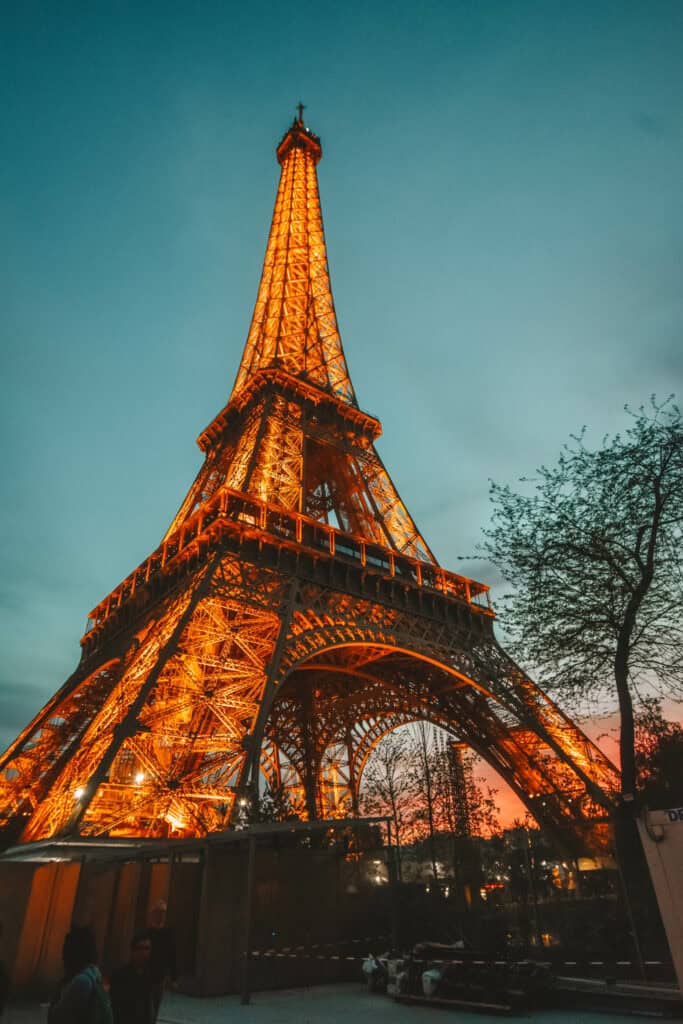
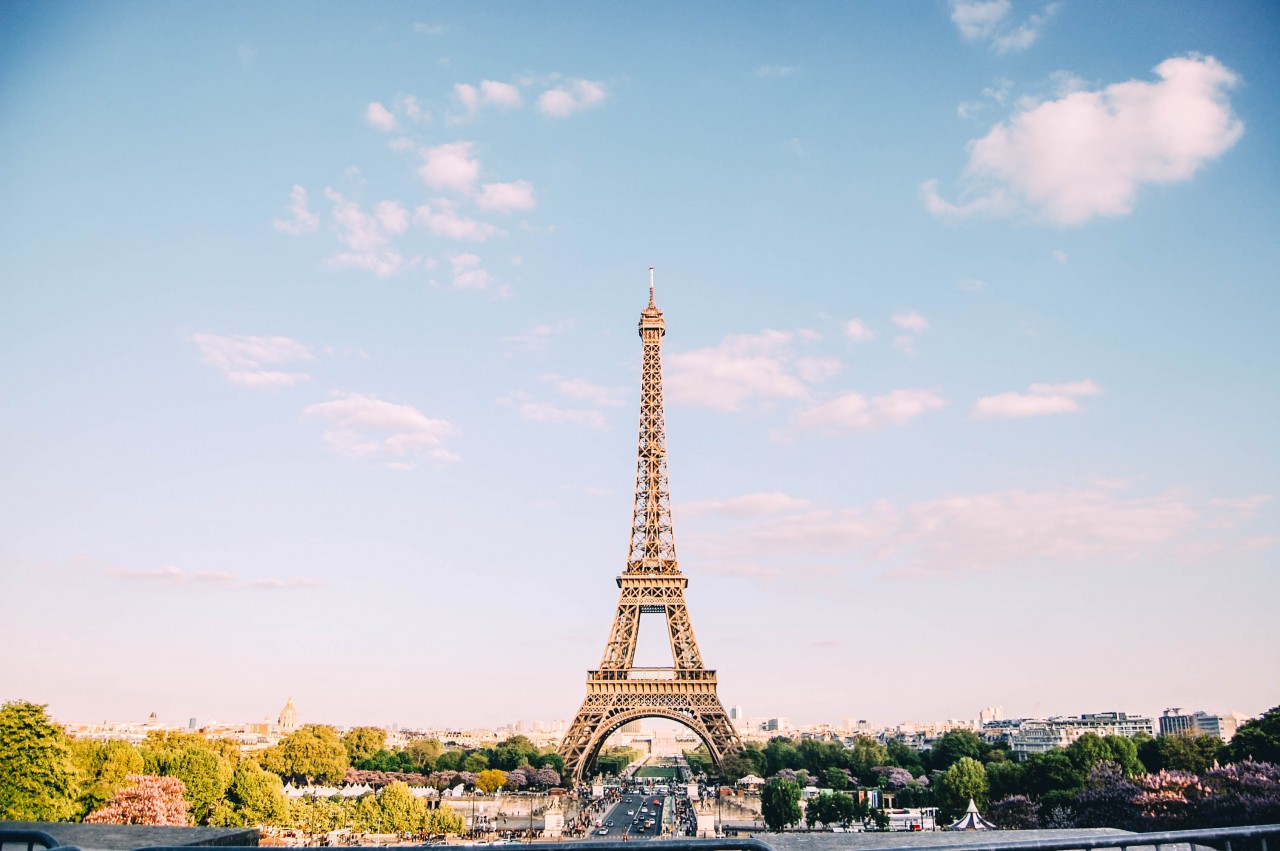
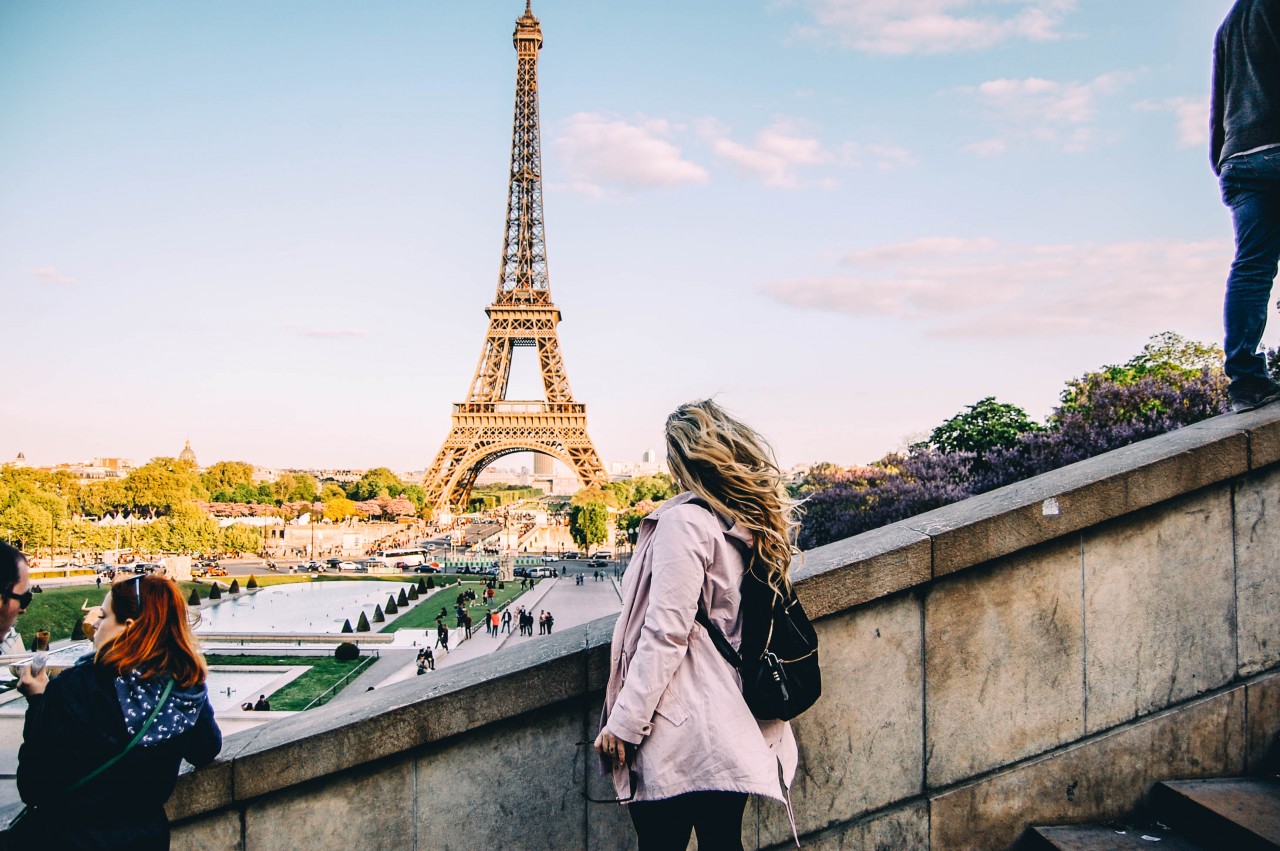
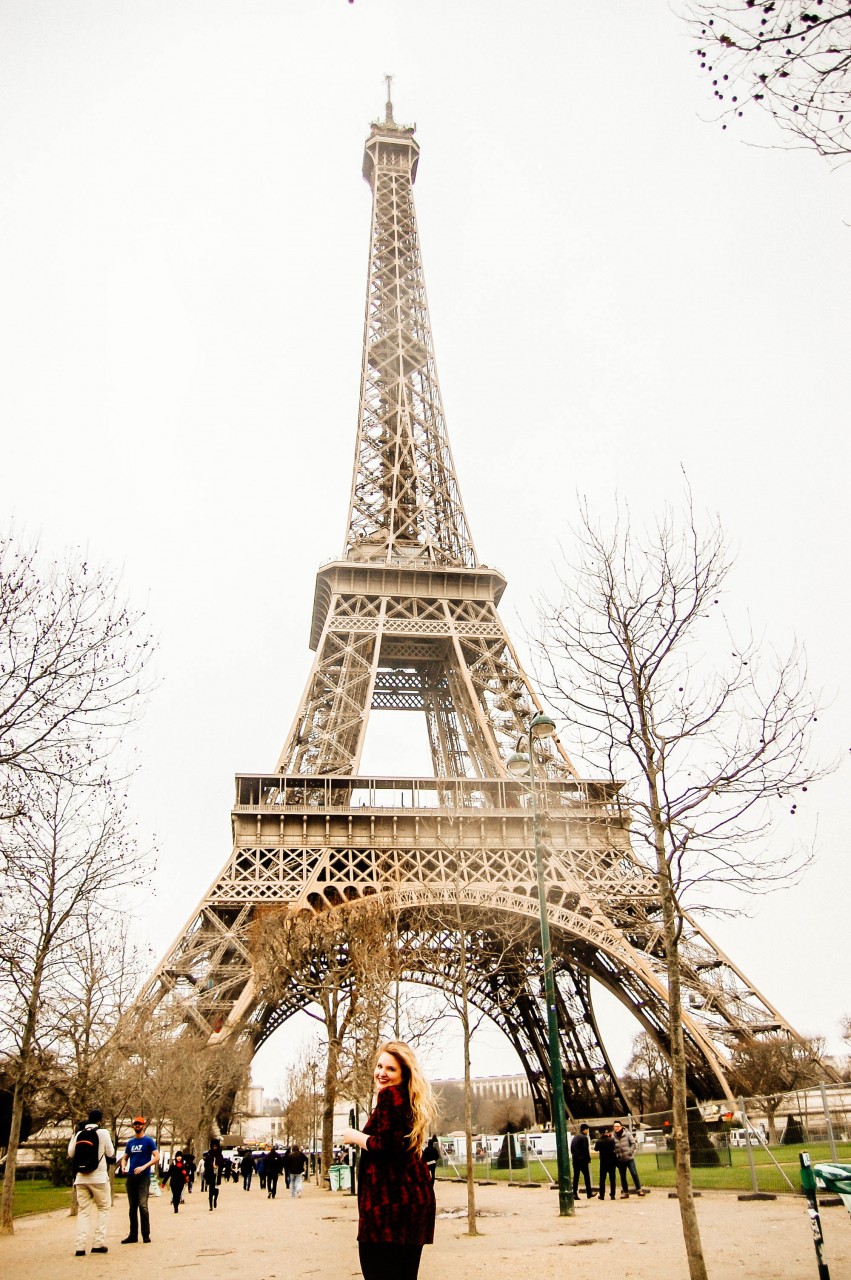
The initial phase of a Parisian exploration typically focuses on the 7th and 8th arrondissements, home to the city’s most recognizable landmarks. The Eiffel Tower, originally constructed as a temporary installation for the 1889 World’s Fair, now serves as the global symbol of France. Visitors are encouraged to arrive during early morning hours to mitigate queues, which can exceed two hours during peak summer months.
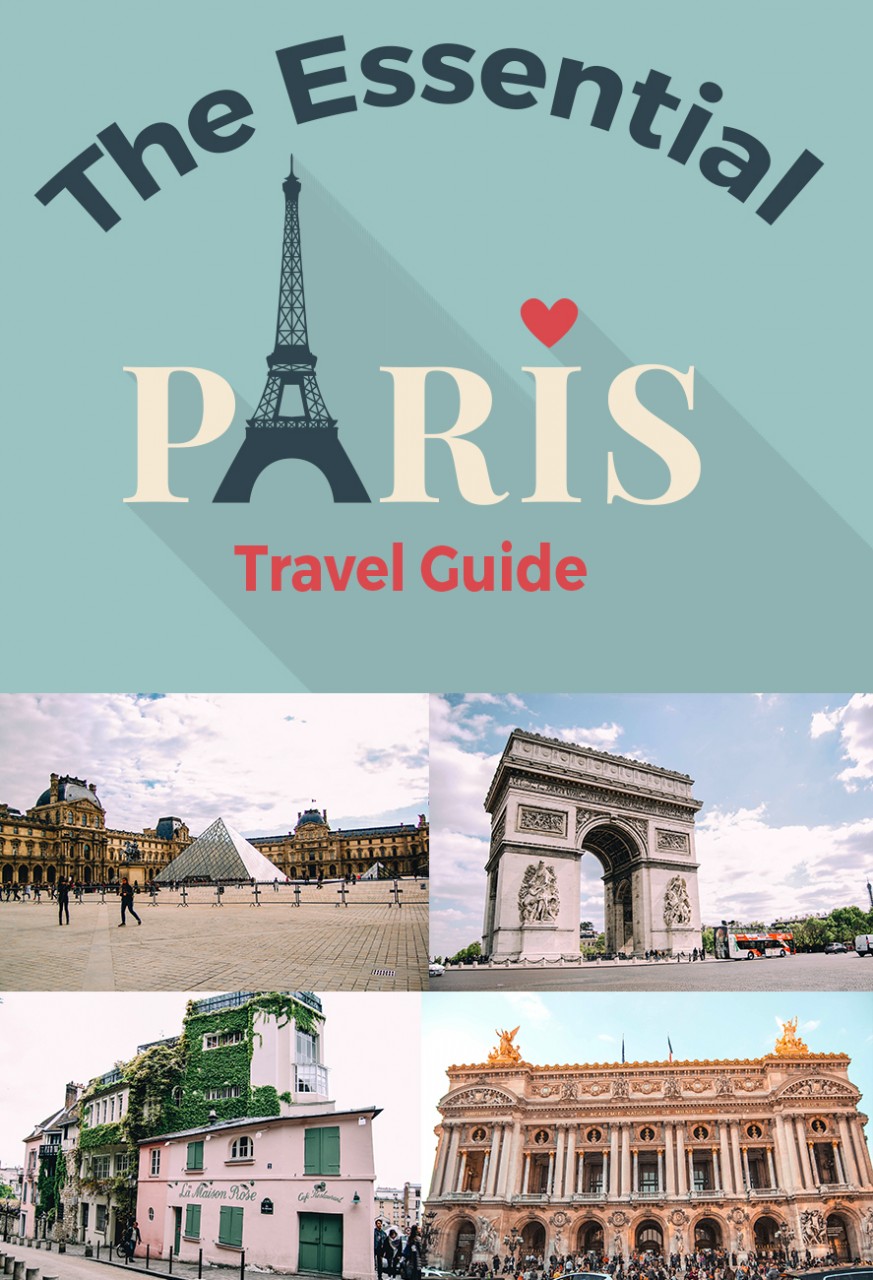
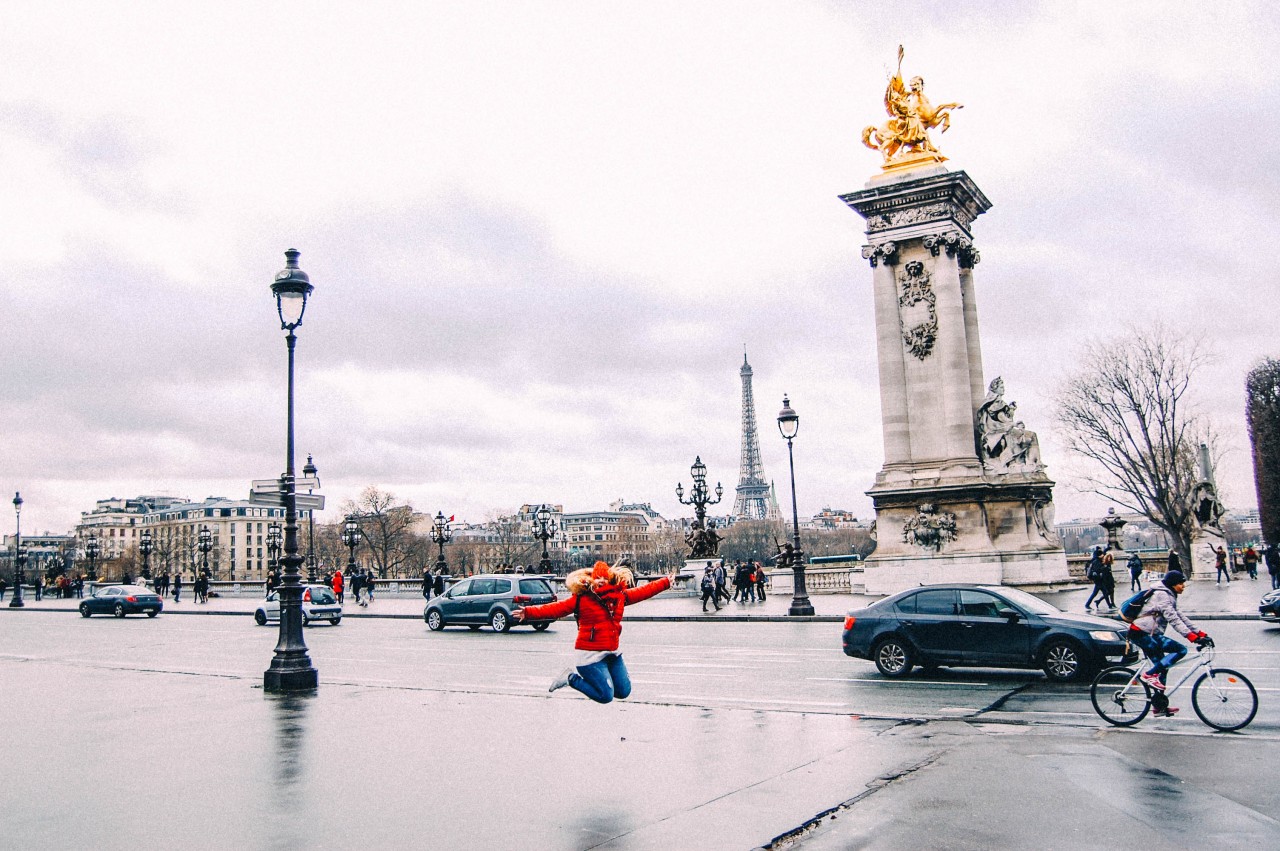
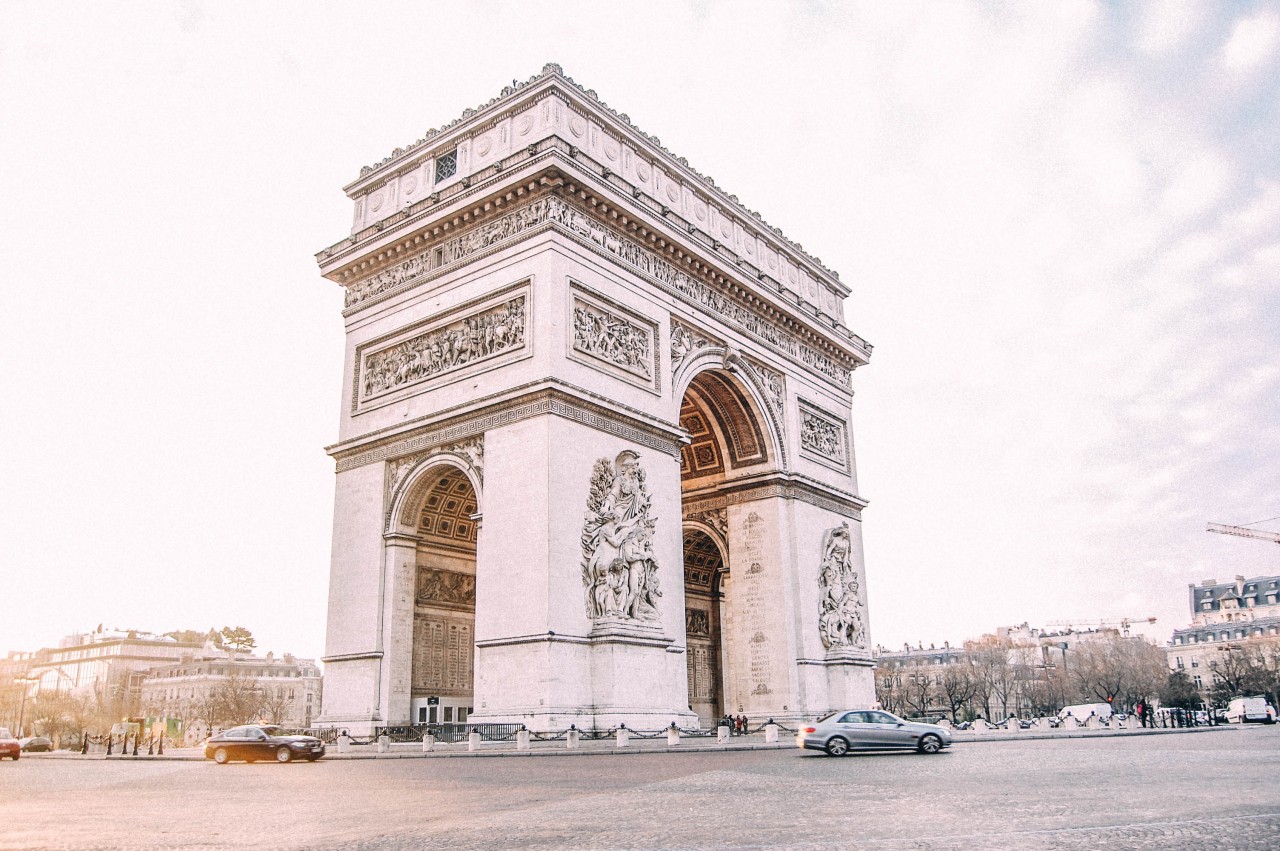
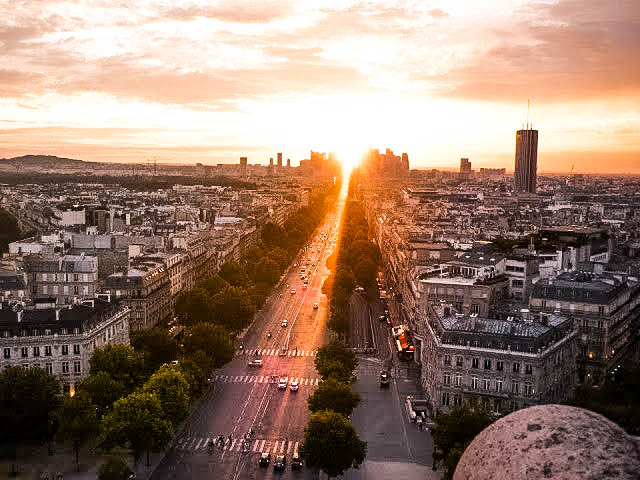
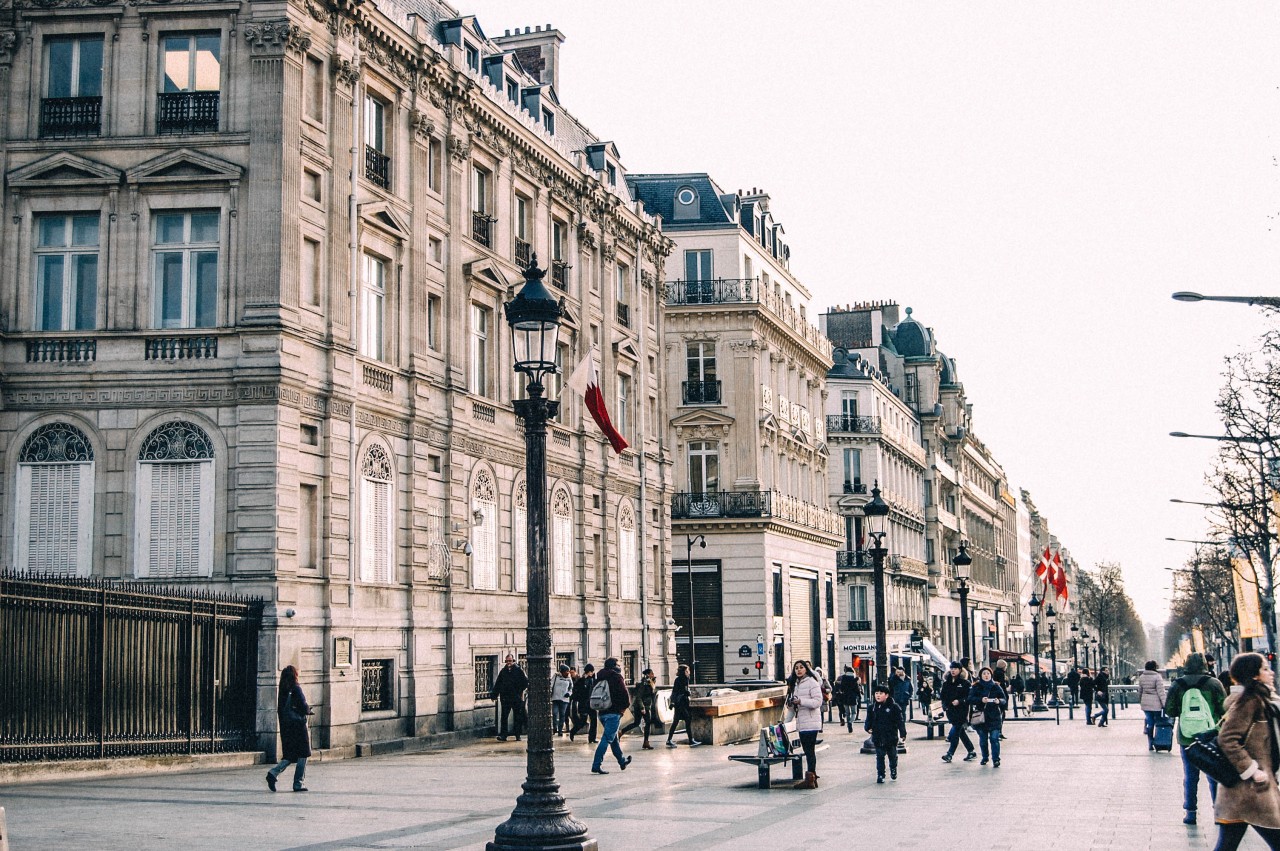
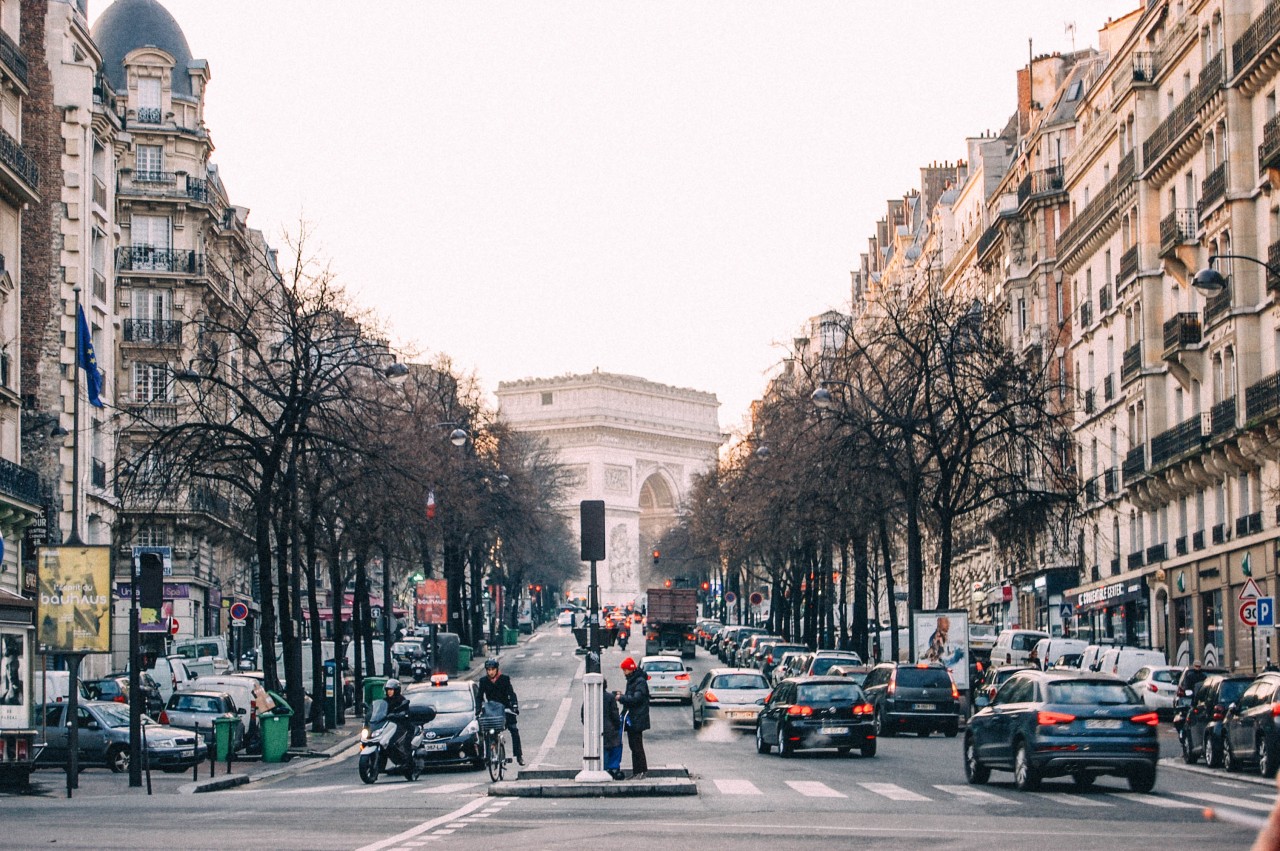
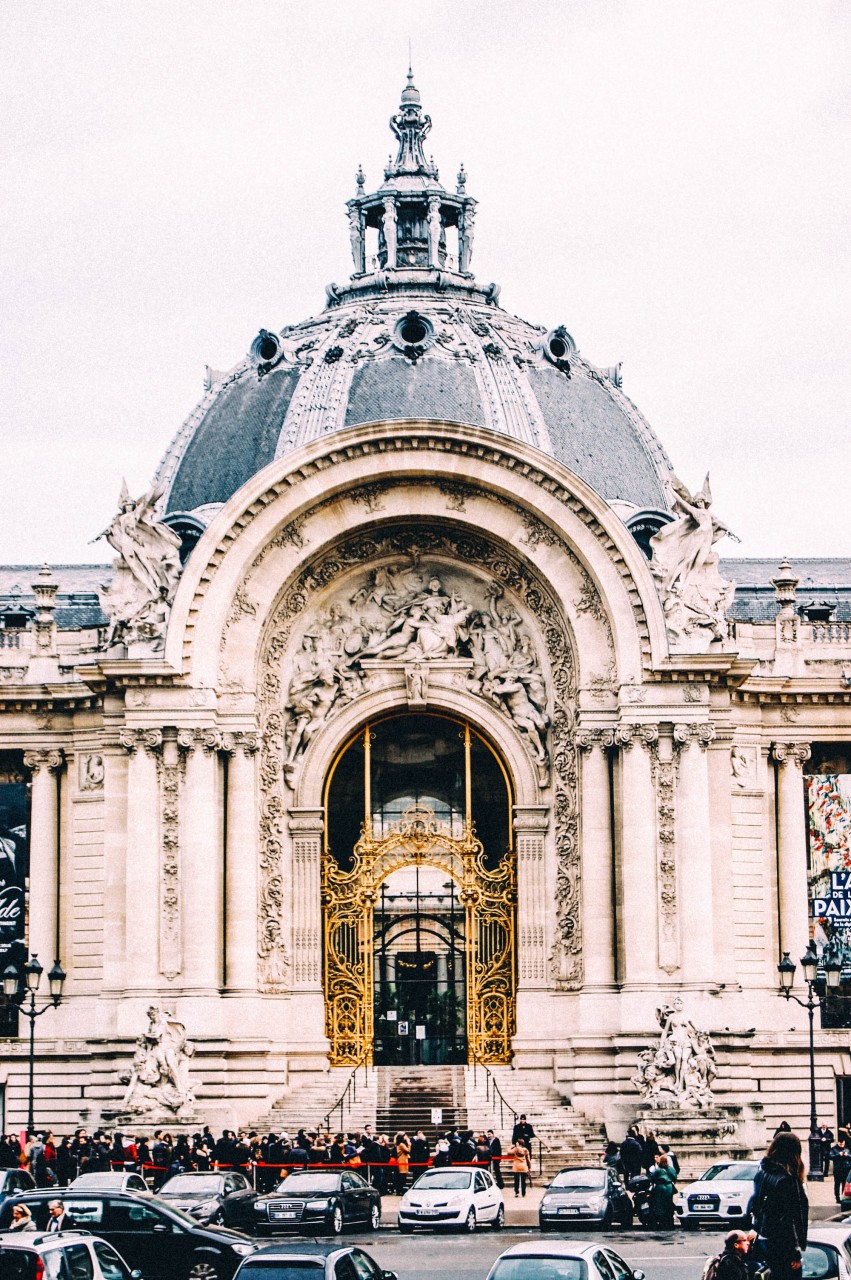
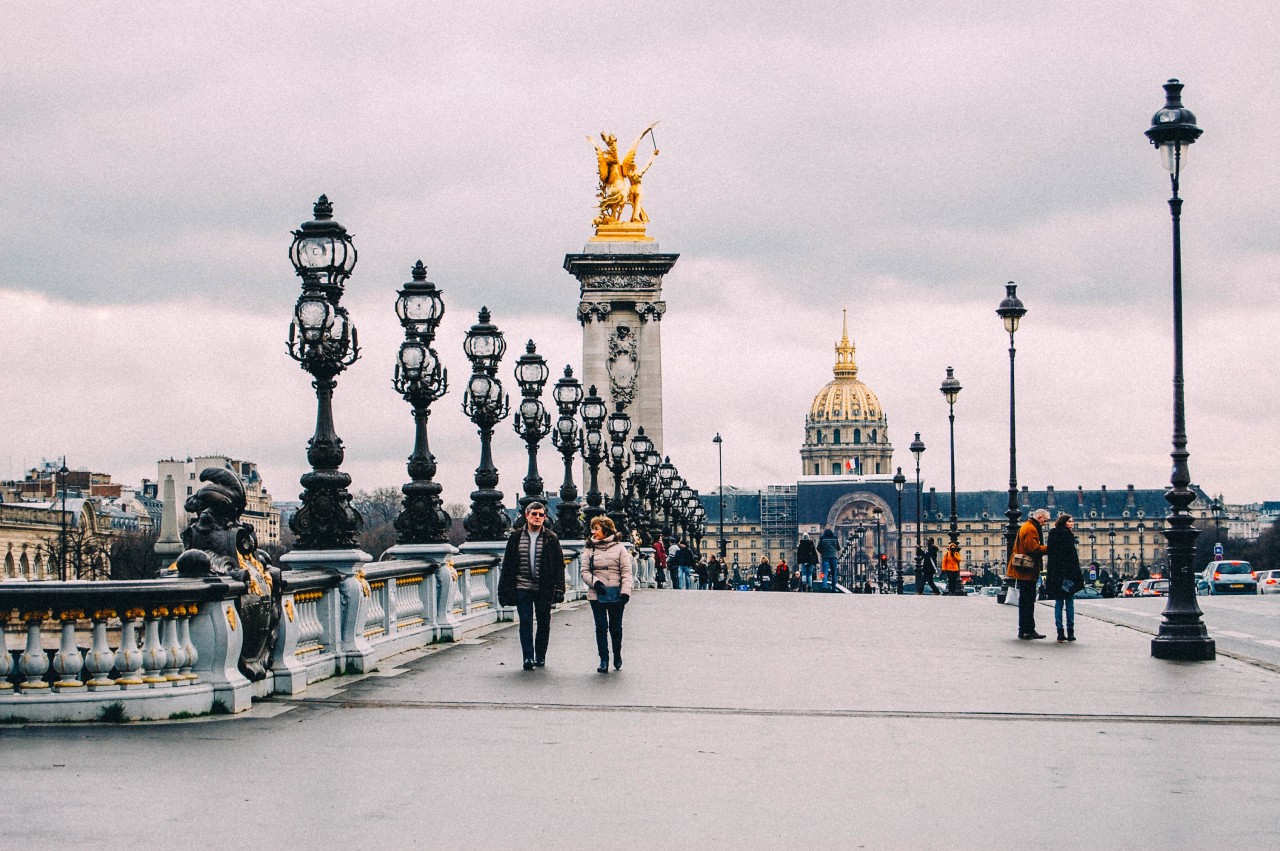
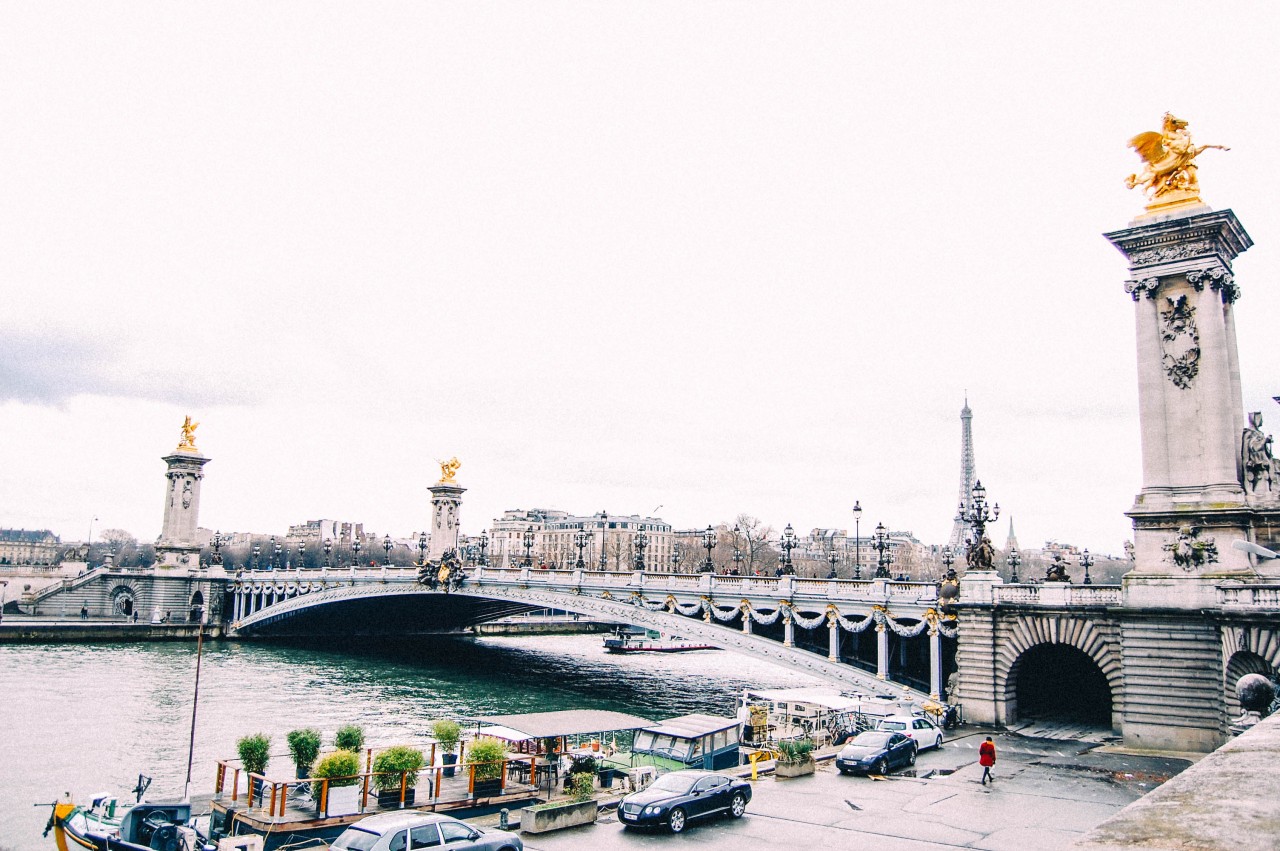
From the Champ de Mars, a short transit leads to the Arc de Triomphe, commissioned by Napoleon I in 1806. Situated at the center of the Place Charles de Gaulle, the monument anchors the Avenue des Champs-Élysées. The architectural tour continues at the Grand Palais and Petit Palais, both remnants of the 1900 Universal Exhibition. These structures exemplify the Beaux-Arts style, characterized by grand glass domes and intricate ironwork. The day concludes at the Pont Alexandre III, widely regarded as the city’s most ornate bridge, connecting the Champs-Élysées quarter with the Invalides complex.
Day 2: The Religious and Royal Foundations
The second day shifts focus to the Île de la Cité, the historical heart of the city. While the Notre Dame Cathedral remains under restoration following the 2019 fire, its exterior remains a primary site of interest for Gothic architecture enthusiasts. Nearby, the Sainte-Chapelle offers a 13th-century display of stained glass, depicting 1,113 scenes from the Old and New Testaments.
Crossing into the 1st arrondissement, the Louvre Museum stands as the world’s largest art museum. Housing over 38,000 objects across 72,735 square meters, the museum requires several hours for even a cursory visit. Historical data indicates that the "Mona Lisa" and the "Venus de Milo" remain the most visited exhibits. To avoid the primary entrance queues at the Pyramid, travelers often utilize the "Carrousel du Louvre" underground entrance. The day finishes in the Latin Quarter (5th arrondissement), home to the Sorbonne University and the Panthéon, the final resting place for French luminaries such as Voltaire and Marie Curie.
Day 3: Bohemian Heritage and Modern Commerce
The northern 18th arrondissement, specifically the hill of Montmartre, provides a stark contrast to the Haussmannization of central Paris. Historically an independent village, Montmartre became a sanctuary for artists like Picasso and Dalí in the late 19th century. The Basilique du Sacré-Cœur, a Romano-Byzantine edifice, marks the highest point in the city, offering panoramic views of the metropolitan area.
Descending from the heights of Montmartre, the itinerary moves toward the 9th arrondissement to the Opéra Garnier and the Galeries Lafayette. The latter represents the pinnacle of Parisian retail culture, featuring a neo-byzantine dome and a panoramic rooftop terrace. The day concludes at the Père Lachaise Cemetery in the 20th arrondissement, the most visited necropolis in the world, containing the graves of Jim Morrison, Oscar Wilde, and Édith Piaf.
Day 4: The Extravagance of the Ancien Régime
A comprehensive visit to Paris necessitates an excursion to the Palace of Versailles, located approximately 20 kilometers southwest of the city center. Originally a hunting lodge for Louis XIII, it was transformed by Louis XIV into a sprawling seat of absolute monarchy. Key features include the Hall of Mirrors, the Royal Apartments, and the expansive Gardens of Versailles, designed by André Le Nôtre.
Upon returning to the city, the afternoon can be dedicated to the Paris Catacombs in the 14th arrondissement. This underground ossuary holds the remains of over six million people, relocated from overflowing city cemeteries in the late 18th century. The site provides a somber but critical look at the city’s public health history and subterranean geography.
Day 5: Civic Elegance and Artistic Grandeur
The final day focuses on the refined aesthetics of the Right Bank. The Tuileries Garden, created by Catherine de’ Medici in 1564, serves as a formal transition between the Louvre and the Place de la Concorde. For art enthusiasts, the Musée de l’Orangerie, located at the edge of the gardens, houses Claude Monet’s monumental "Water Lilies" (Nymphéas) series.
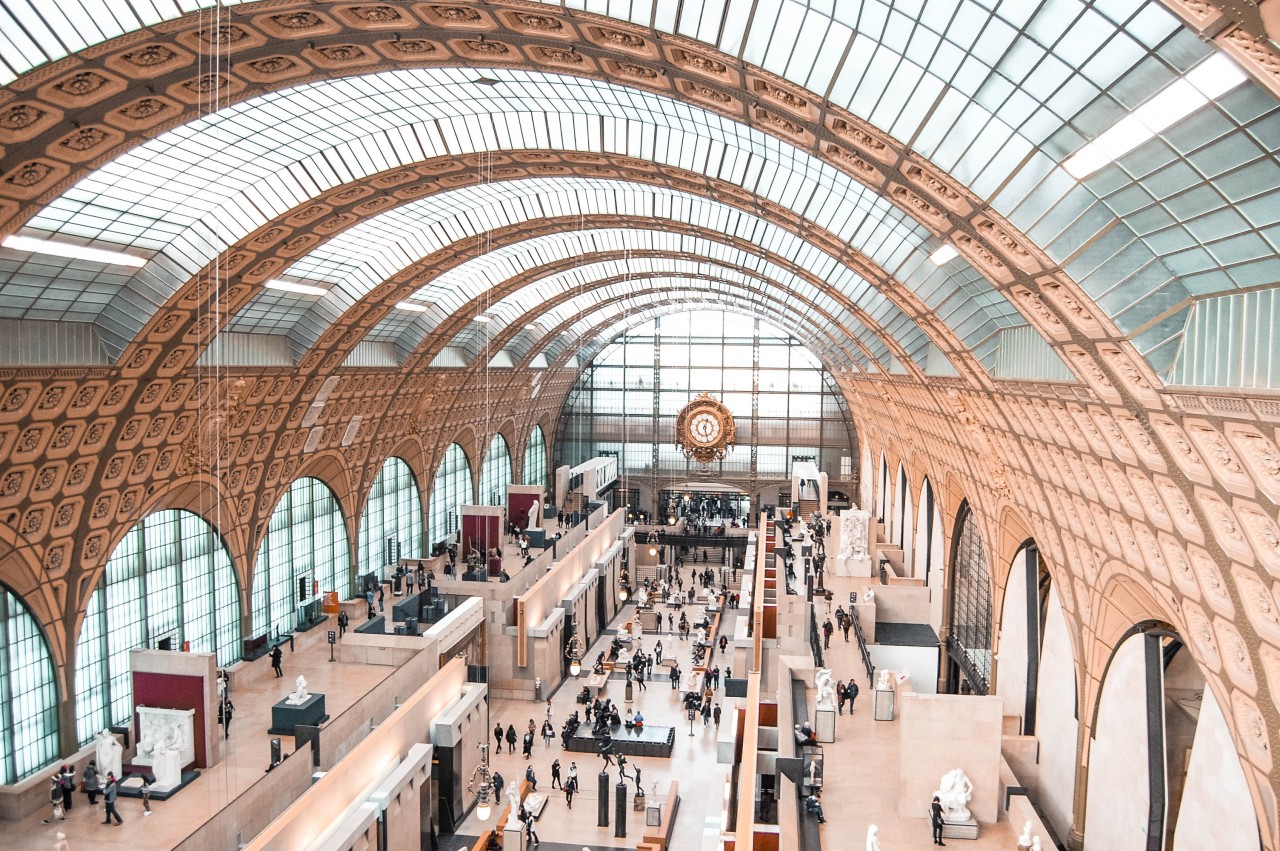
The late afternoon is reserved for a stroll along the Rue de Rivoli and a visit to the Musée d’Orsay, situated in a repurposed railway station. The museum holds the world’s largest collection of impressionist and post-impressionist masterpieces. The five-day experience typically culminates with a nighttime view of the Eiffel Tower’s hourly light display, which utilizes 20,000 light bulbs to create a sparkling effect.
Gastronomy as a Pillar of the Parisian Experience
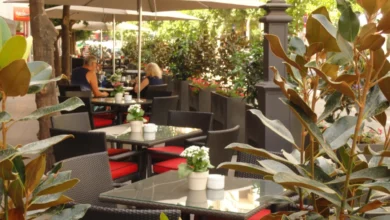
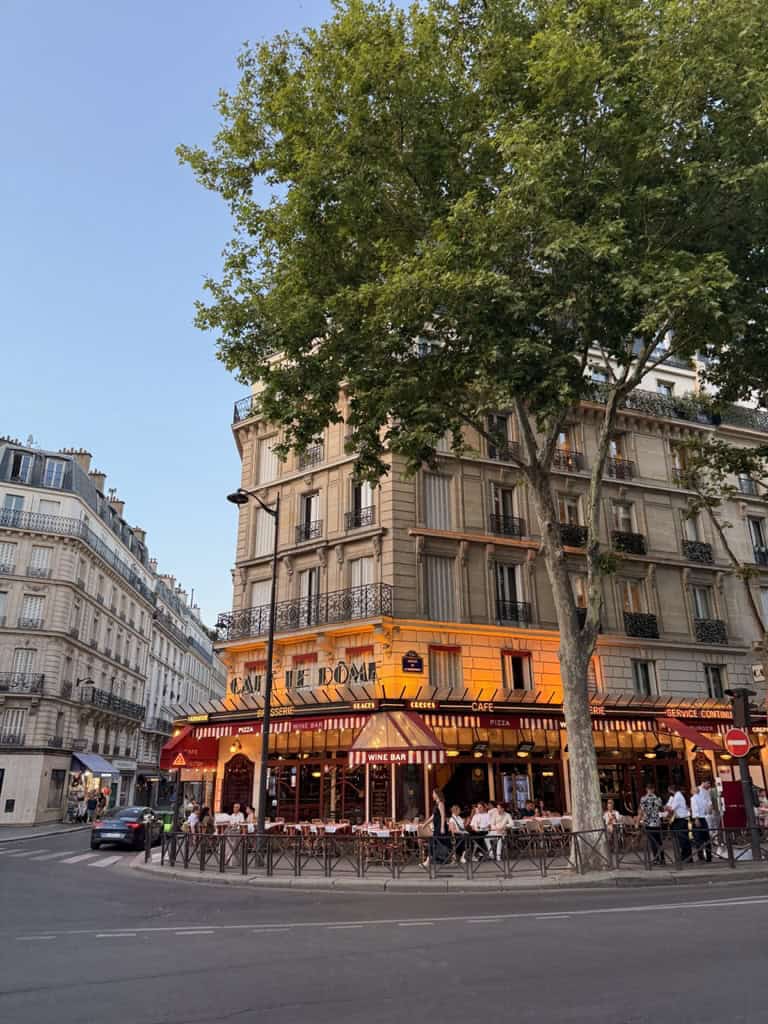
French gastronomy was added to UNESCO’s list of Intangible Cultural Heritage in 2010, and Paris serves as its primary laboratory. The city’s culinary landscape ranges from historic "Bouillons" (inexpensive traditional brasseries) to Michelin-starred establishments. Data from the Paris Convention and Visitors Bureau suggests that the "café culture" remains a vital economic driver, with thousands of terraces providing a unique social infrastructure. Notable institutional recommendations include Angelina for its historic African-blend hot chocolate and Ladurée for its development of the modern macaron.
The Rise of River Cruising and Regional Expansion
A significant trend in French tourism is the integration of river cruises as a method of regional exploration. The Seine River serves as a vital artery not just for Paris, but for the Normandy region. River cruises allow travelers to bypass the logistical hurdles of intercity transit, providing a floating hotel experience that connects Paris to historic sites like Rouen and the D-Day landing beaches. Similarly, the Rhône River cruises in the south facilitate access to the gastronomic capital of Lyon and the lavender fields of Provence. This mode of travel has seen a 15% increase in popularity among North American and Asian demographics over the last decade.
Economic and Cultural Implications
The continued success of Paris as a travel destination has profound economic implications, contributing significantly to France’s GDP. However, the city also faces the challenge of "overtourism" in specific zones like Montmartre and the Louvre. In response, municipal authorities have implemented digital reservation systems and promoted "hidden gems" like the Rodin Museum to redistribute visitor density.
Furthermore, the city has undergone significant infrastructure upgrades in preparation for major international events, such as the 2024 Olympic Games. These improvements include the cleaning of the Seine for public swimming and the expansion of the Grand Paris Express, which will further integrate the suburbs with the city center.
In summary, Paris remains a multifaceted metropolis that rewards methodical planning and historical curiosity. By balancing iconic landmarks with neighborhood exploration and understanding the logistical systems at play, visitors can successfully navigate one of the world’s most culturally dense environments. This guide serves as a framework for experiencing the city not merely as a collection of monuments, but as a living museum of Western civilization.