The Evolution of Polar Tourism and the Rise of Professional Expedition Guiding in the Arctic and Antarctic Regions

The landscape of high-latitude travel is undergoing a significant transformation as veteran travel journalists and digital content creators transition from traditional media roles into professional expedition guiding and specialized travel consultancy. This shift, exemplified by the recent career pivot of established polar journalists joining expedition teams such as Adventure Canada, highlights a broader trend in the travel industry: a move away from the high-pressure "influencer" economy toward more integrated, community-focused professional roles. As the Arctic becomes increasingly accessible due to seasonal ice melt, the demand for experienced guides who can navigate both the physical challenges of the terrain and the complex narratives of polar conservation has reached an all-time high.
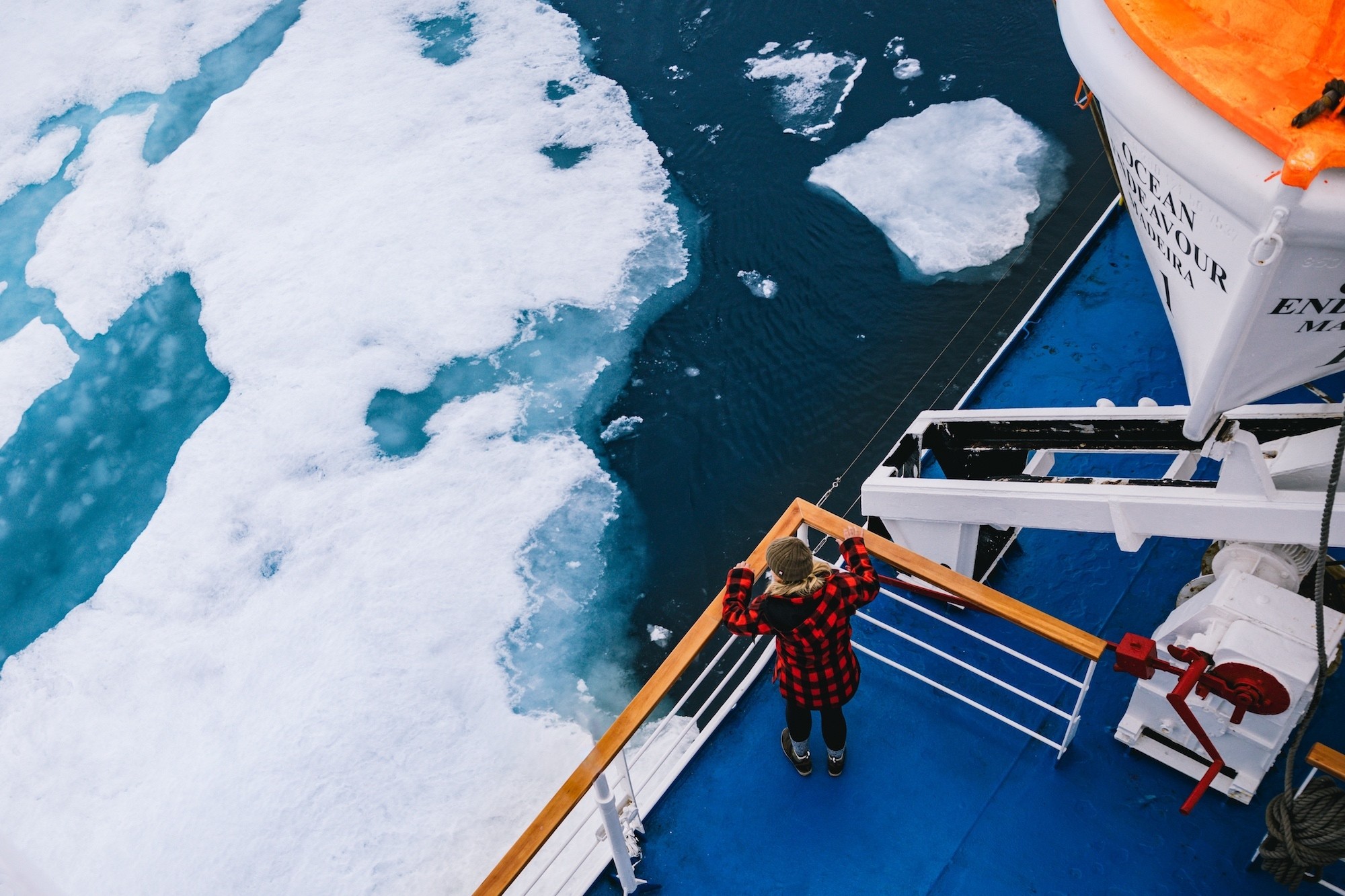
The Arctic and Antarctic regions, often referred to as the "final frontiers" of global tourism, remain some of the most logistically challenging environments on Earth. Access to these areas is almost exclusively limited to specialized expedition ships, particularly during the narrow summer window when sea ice recedes sufficiently to allow passage. For the remainder of the year, these regions remain locked in ice, accessible only by small aircraft, snowmobiles, or heavy icebreakers. This inherent isolation has created a niche market for "expedition cruising," a sector that prioritizes education, wildlife observation, and cultural immersion over the traditional amenities of luxury cruising.
The Professionalization of the Polar Guide
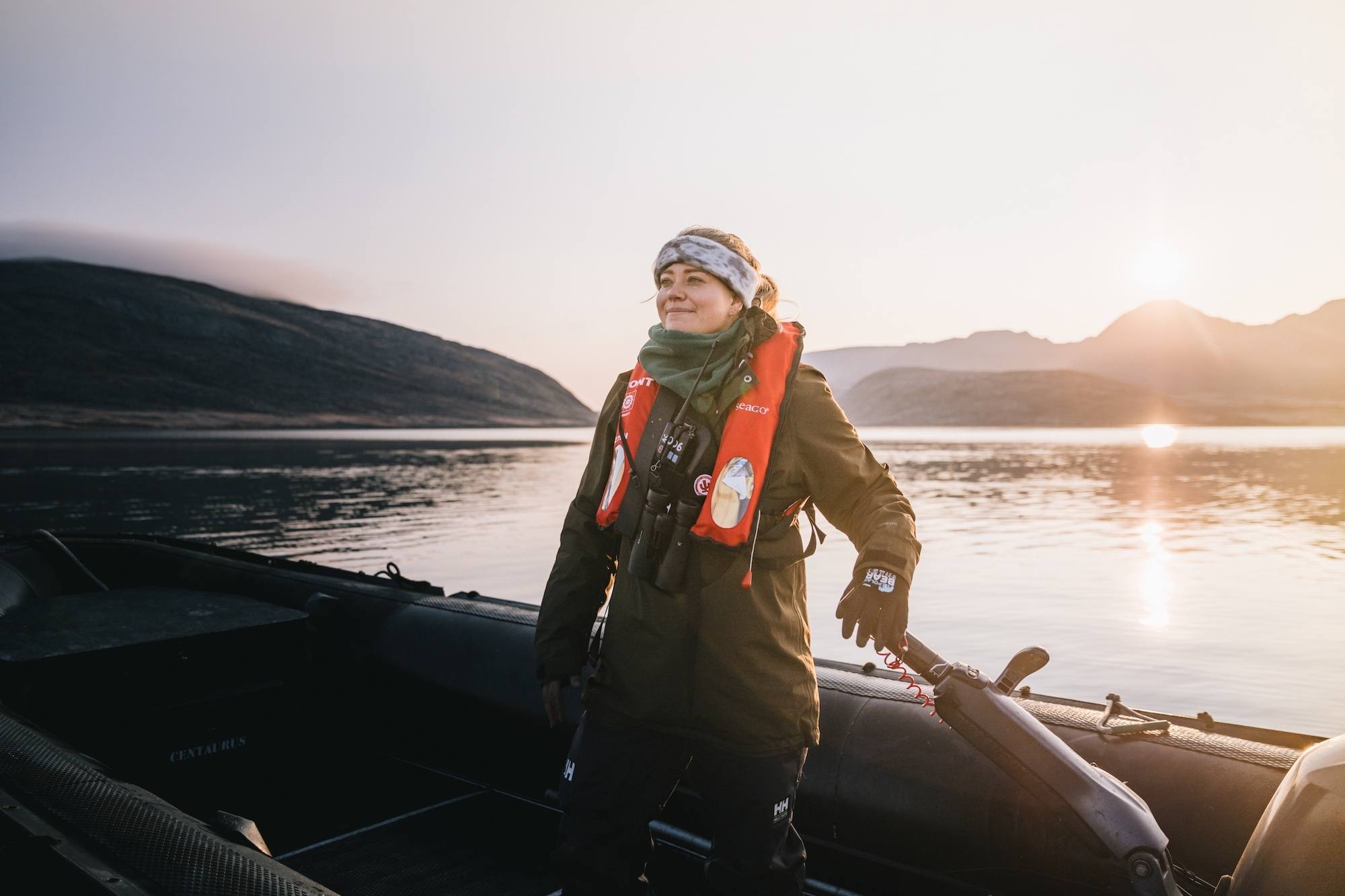
The role of the expedition guide has evolved from a purely navigational or safety-oriented position into a multi-faceted discipline requiring expertise in biology, history, photography, and interpersonal communication. Industry professionals are increasingly seeking these roles to escape the saturation of the digital travel market. The transition from travel blogging to professional guiding represents a search for "meaningful work" and a desire to be part of a structured team environment.
Adventure Canada, a prominent family-owned and operated expedition company, has become a focal point for this professional evolution. Founded by the Swan family, the organization emphasizes a "family-on-board" atmosphere that extends to both staff and passengers. This model has proven exceptionally successful in building brand loyalty; internal data suggests that approximately 50% of passengers on any given voyage are returning clients. This high retention rate is attributed to the consistency of the guiding staff, many of whom return annually, creating a community dynamic often compared to a "reunion" or "summer camp" for adults.

Chronology of Arctic Tourism and Accessibility
The history of Arctic travel has transitioned through several distinct phases, leading to the current era of commercial expeditionary tourism:
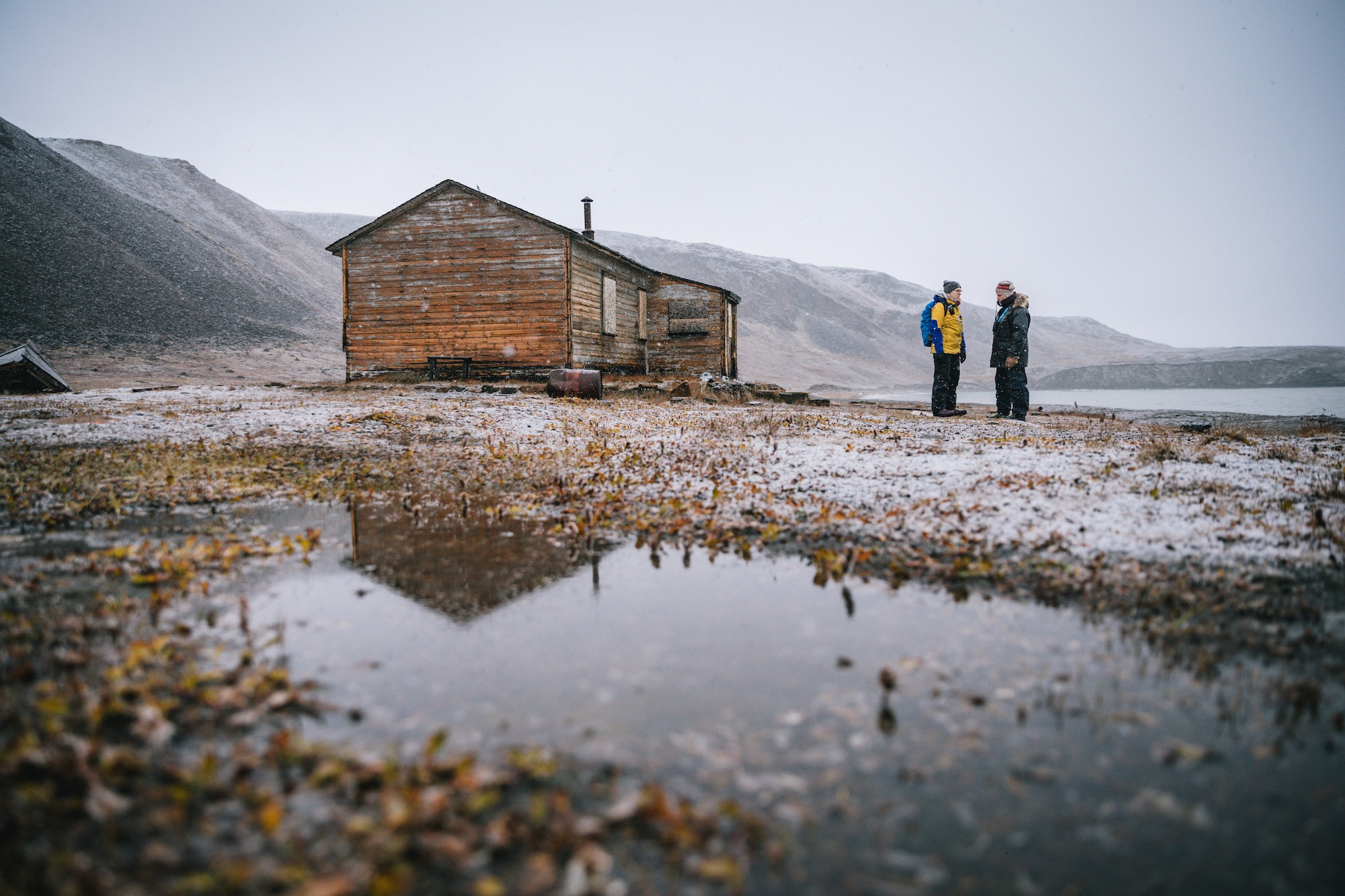
- The Age of Exploration (1800s – Early 1900s): Characterized by high-risk maritime expeditions seeking the Northwest Passage. This era left behind a legacy of historical sites, such as Beechey Island, where the ill-fated Franklin Expedition wintered in 1845–46.
- The Scientific and Industrial Era (1950s – 1990s): Travel was largely restricted to military personnel, scientific researchers, and resource extraction industries. Tourism was non-existent or limited to elite charter flights.
- The Digital and Influencer Boom (2000s – 2019): The rise of social media and digital photography brought the aesthetic of the polar regions to a global audience. Travel journalists began documenting these regions, sparking widespread interest but also creating a highly competitive "hustle culture" within the travel media industry.
- The Post-Pandemic Re-evaluation (2020 – Present): Following the global travel hiatus, there has been a documented shift toward "slow travel" and purpose-driven careers. Professionals are moving from "observing" to "operating," seeking roles that contribute directly to the visitor experience and environmental advocacy.
Supporting Data: The Economics and Ecology of the Arctic
The Arctic tourism industry is a vital component of the northern economy, but it operates within a delicate ecological framework. According to the Association of Arctic Expedition Cruise Operators (AECO), the number of passengers traveling to the Arctic has seen steady growth, driven by an interest in "last-chance tourism"—the desire to see glaciers and ice-dependent species before they are further impacted by climate change.
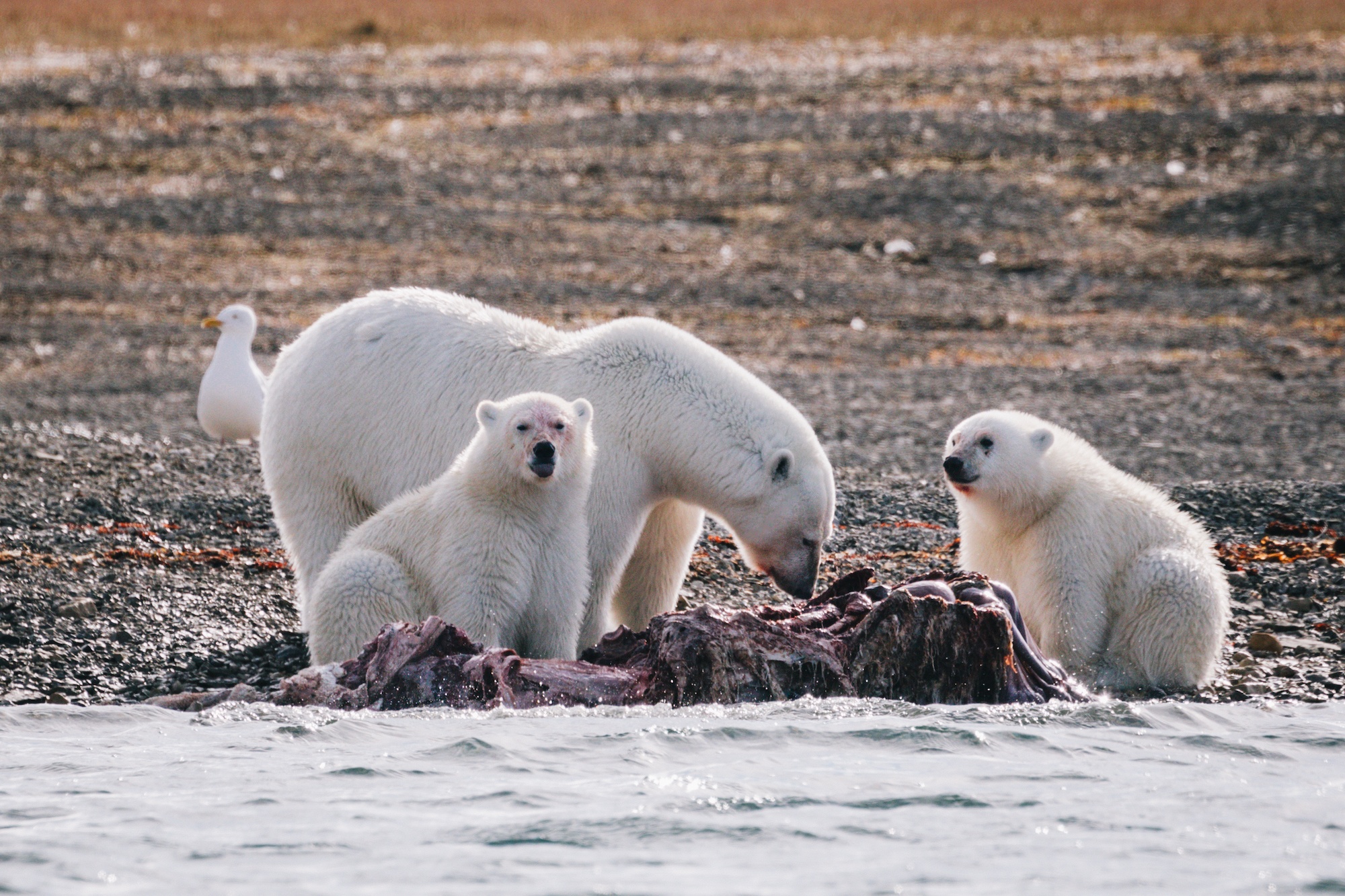
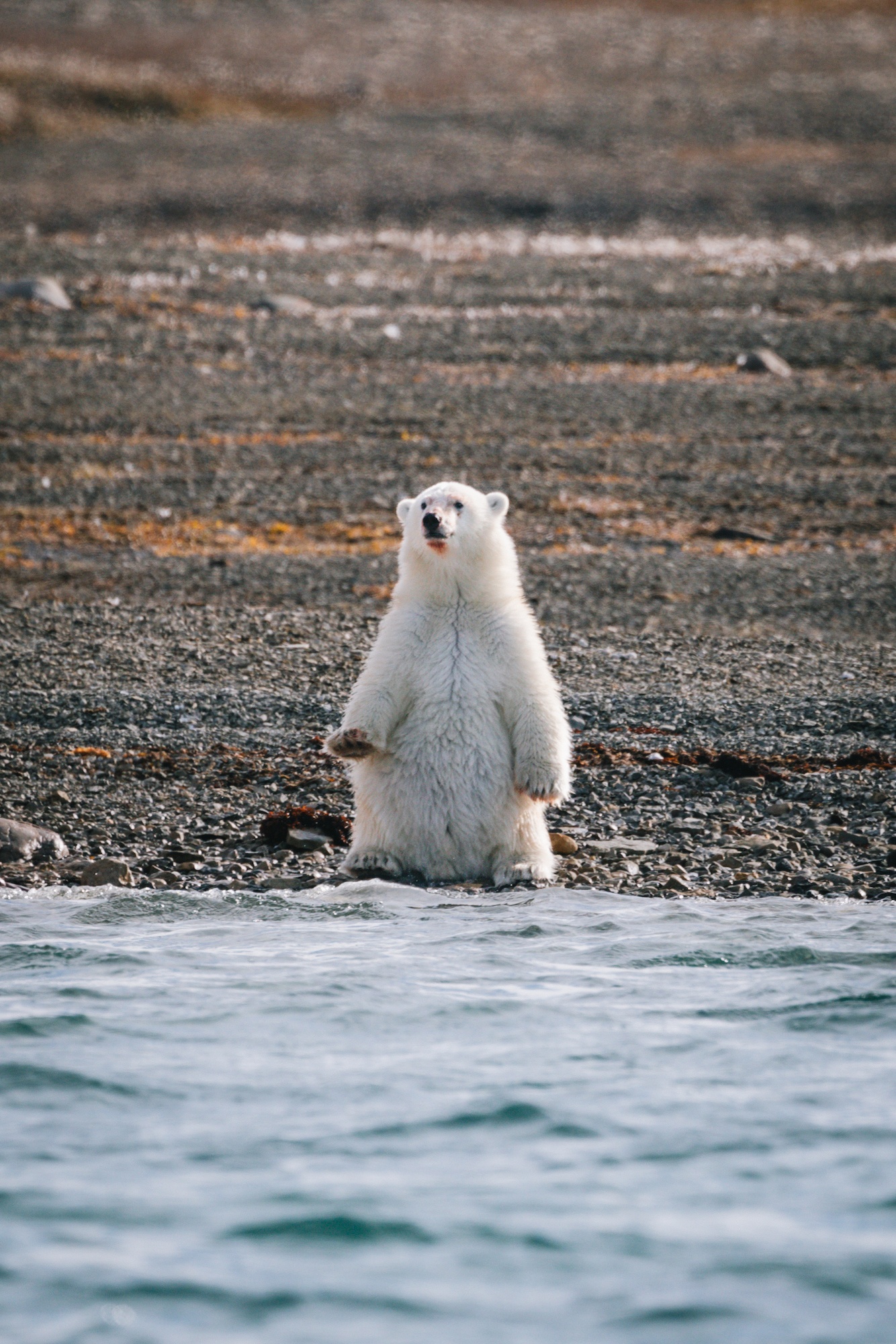
Wildlife sightings remain the primary draw for polar travelers. In a single expedition season, it is not uncommon for a vessel to record dozens of polar bear (Ursus maritimus) sightings. For example, during the 2023 season, some expeditions reported seeing upwards of 20 polar bears, including rare observations of predation events, such as bears scavenging on beluga whale carcasses. These encounters are strictly regulated by international maritime and environmental laws to ensure that human presence does not disrupt the natural behaviors of apex predators.
Furthermore, the economic model of polar guiding is shifting toward a referral-based consultancy. Experienced guides now often serve as "polar travel agents," earning commissions by connecting prospective travelers with specific itineraries that match their interests, whether those interests involve Inuit art, Norse history in Greenland, or high-arctic wildlife photography. This model allows professionals to maintain creative freedom while providing a tangible service based on field experience rather than just digital marketing.
Cultural and Community Engagement
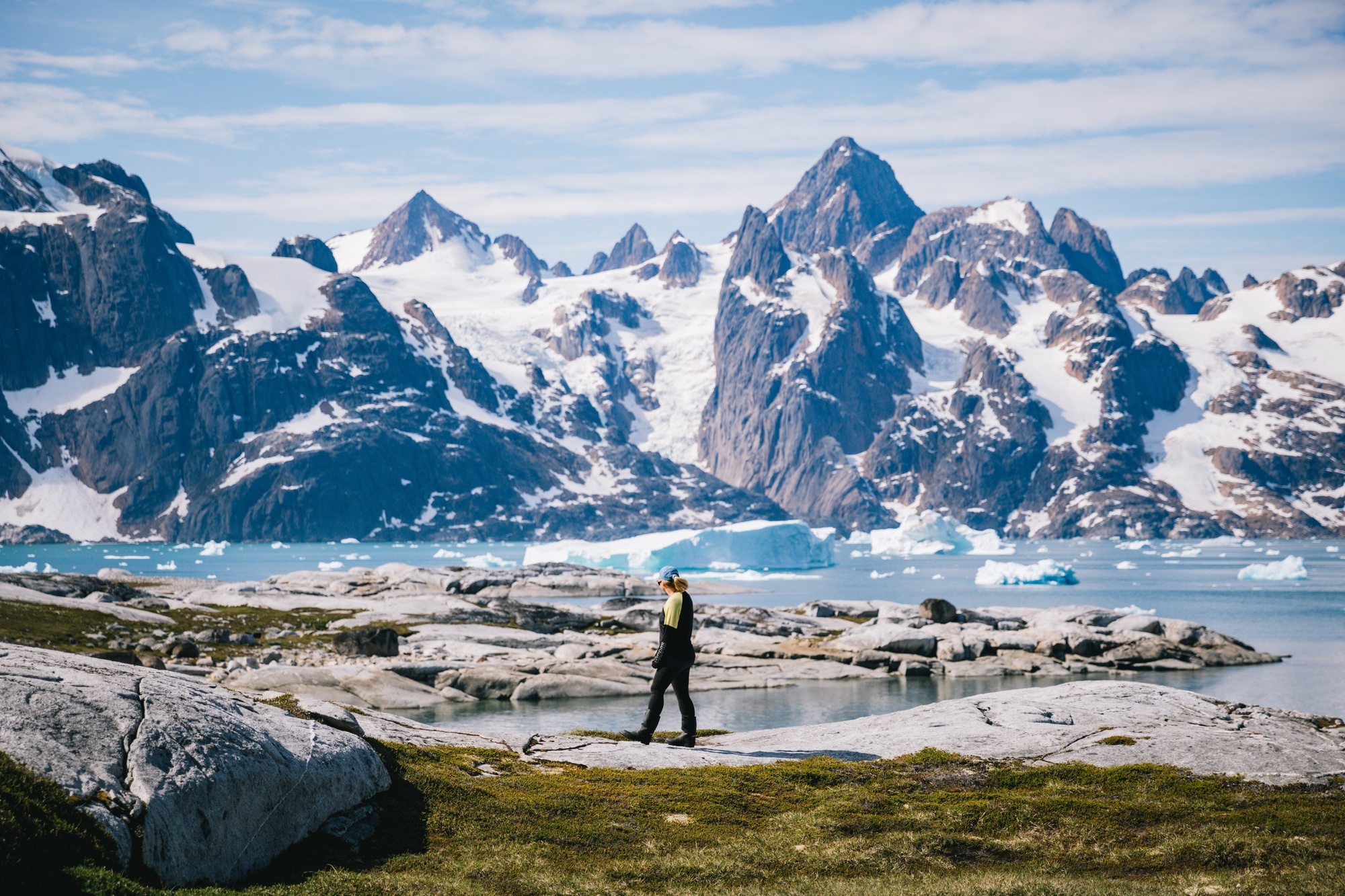
A critical component of modern Arctic expeditions is the relationship between tourism operators and the indigenous communities of Canada and Greenland. Unlike traditional cruise tourism, which can often be intrusive, expedition ships frequently collaborate with local communities to ensure that visits are culturally respectful and economically beneficial.
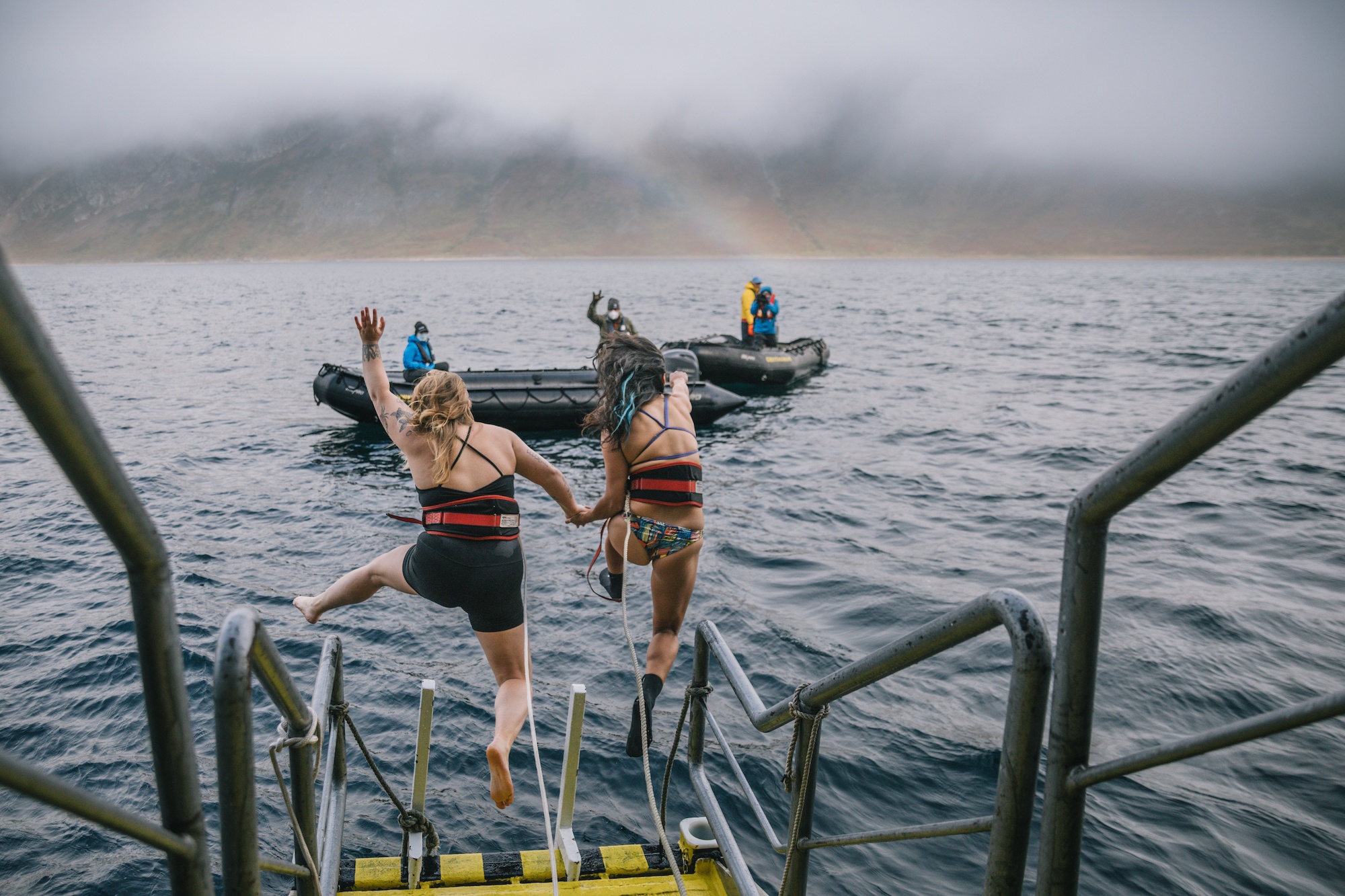
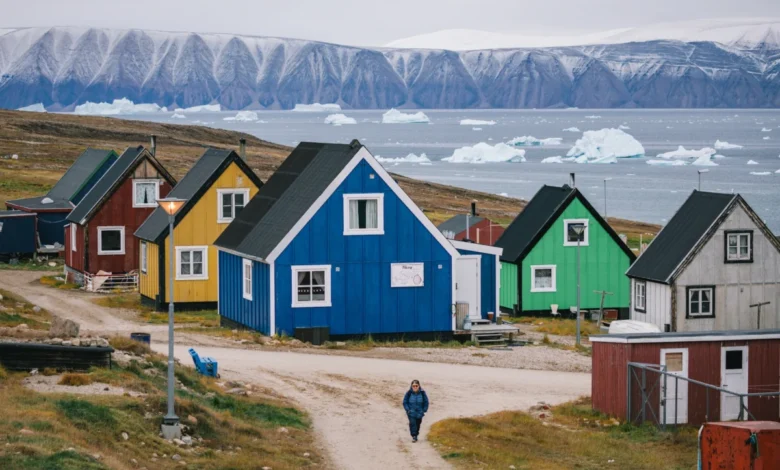
These "colorful communities," as described by field staff, offer travelers a glimpse into the modern realities of life in the High Arctic. From Inuit throat singing performances to visits to local art cooperatives, these interactions provide a necessary counter-narrative to the idea of the Arctic as a "deserted" wilderness. The goal of many modern operators is to turn every passenger into a "polar ambassador"—someone who returns home with a deep-seated commitment to supporting Arctic conservation and indigenous rights.
Broader Impact and Implications
The shift of high-profile travel journalists into the guiding and sales sector of polar travel has several long-term implications for the industry:
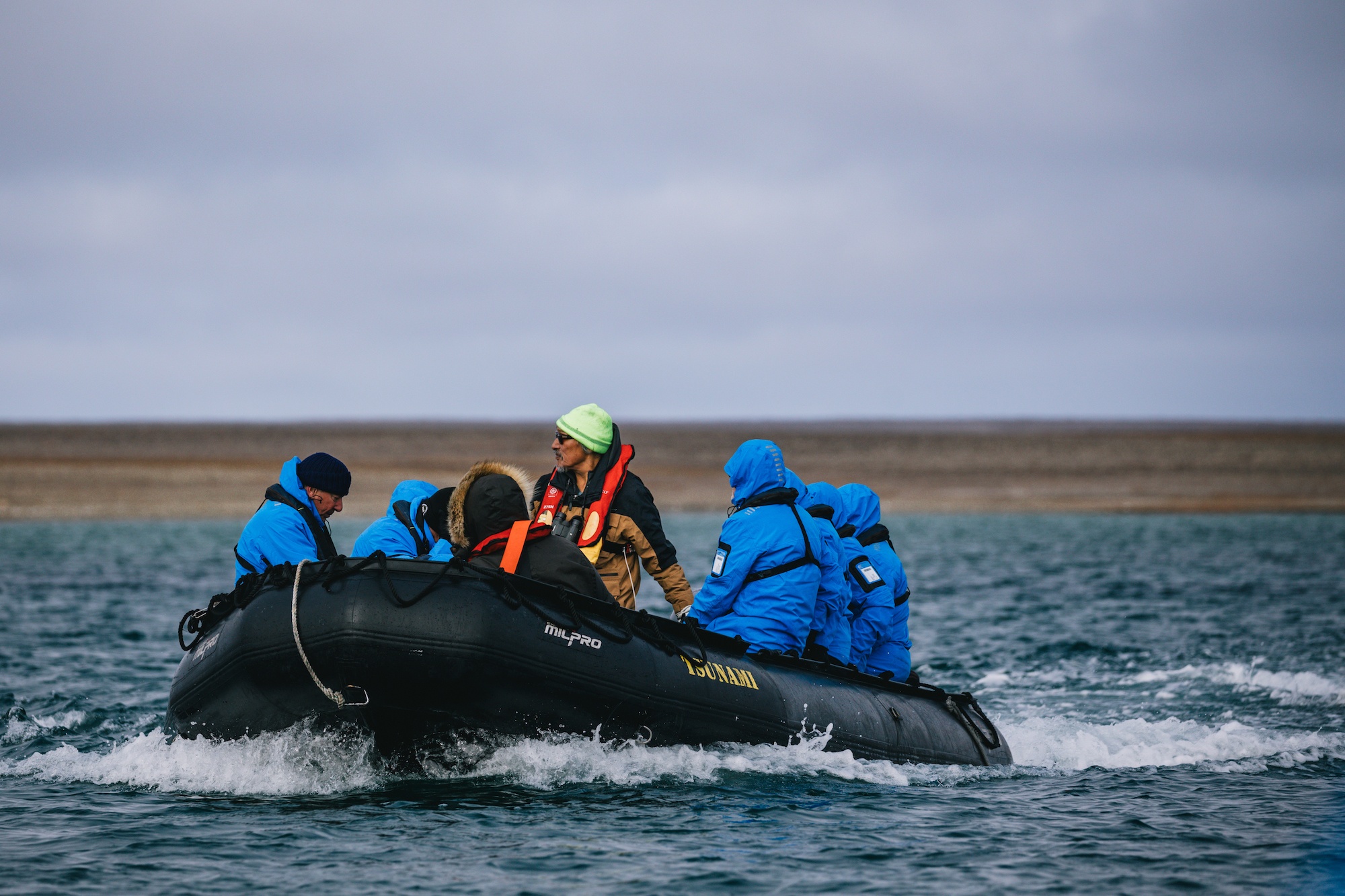
- Authenticity in Marketing: As travelers become more skeptical of sponsored content and traditional advertising, the "expert-led" booking model gains traction. A traveler is more likely to book a $20,000 expedition through someone who has actually driven a Zodiac through icebergs than through a generic travel website.
- Environmental Advocacy: By integrating media professionals into expedition teams, companies can produce higher-quality educational content that highlights the effects of climate change. This bridges the gap between scientific data and public understanding.
- Industry Resilience: The diversification of income streams for travel professionals—moving from ad revenue and sponsorships to commissions and guiding wages—provides greater financial stability in a volatile global economy.
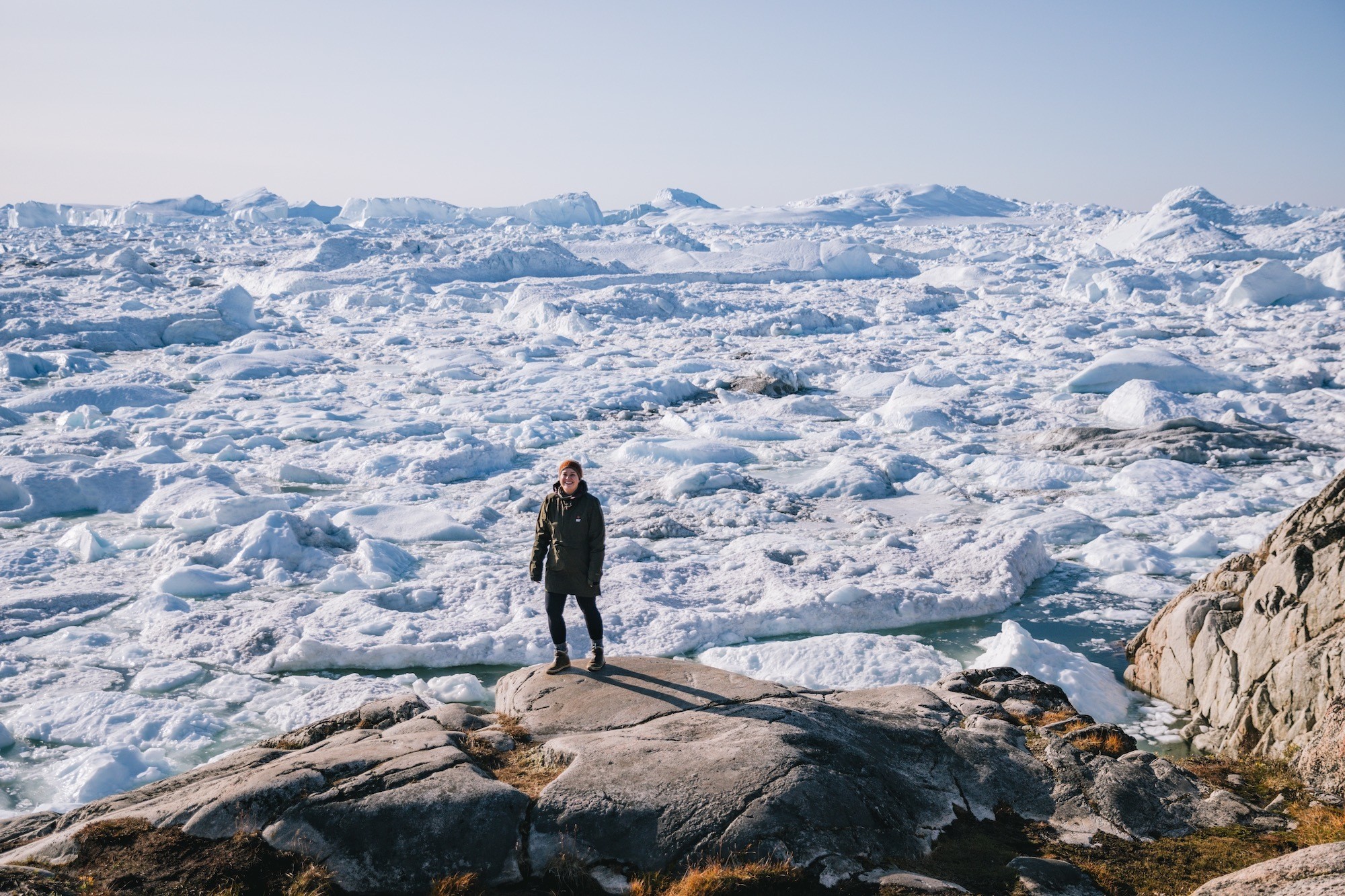
The Arctic remains a vast, unpredictable, and wild frontier. The logistical difficulty of navigating skyscraper-sized icebergs and the unpredictability of sea ice ensure that it will remain an exclusive destination. However, the professionalization of the guiding core ensures that as the region opens up, it does so under the stewardship of those who have spent years studying its rhythms.
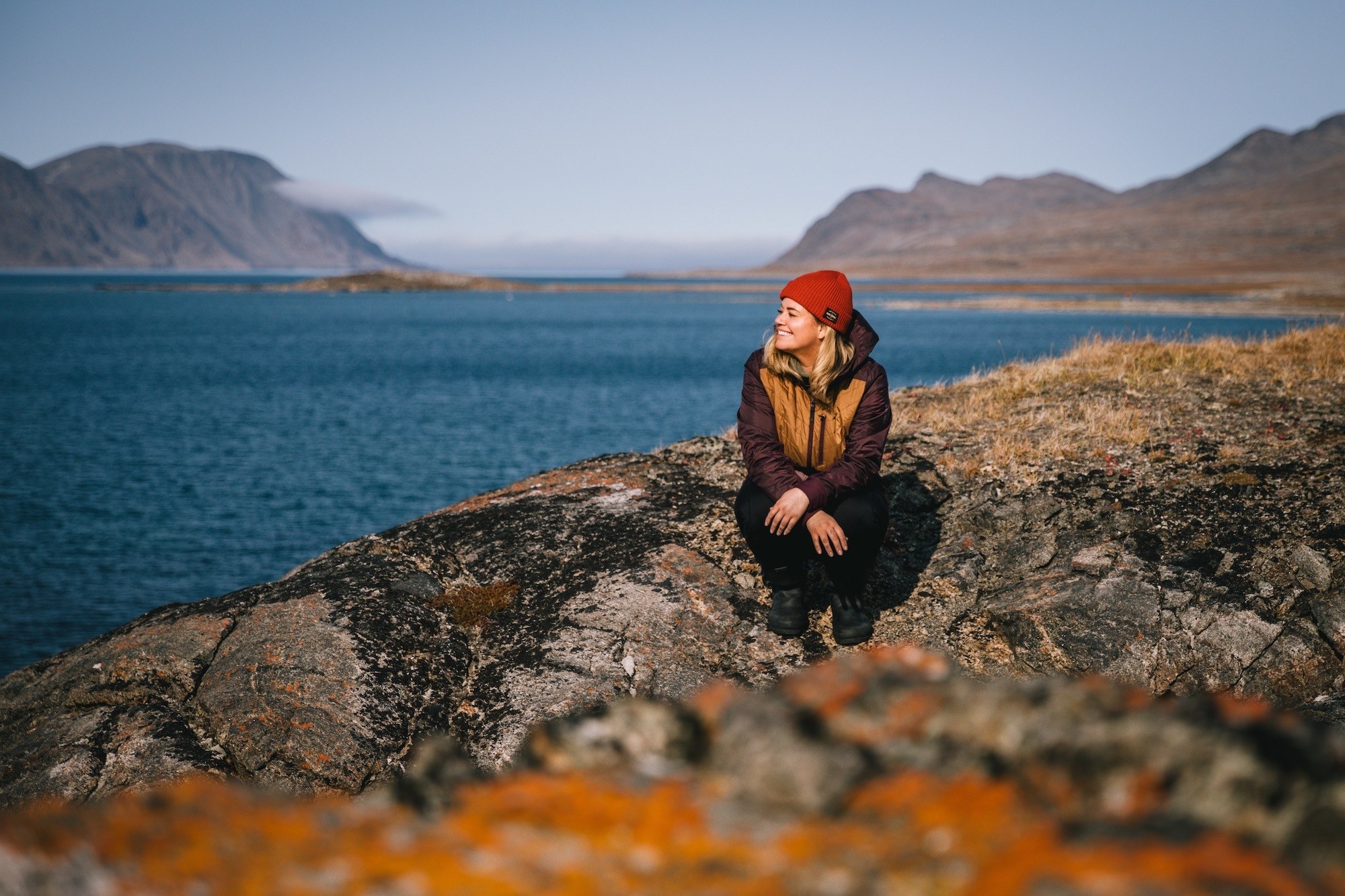
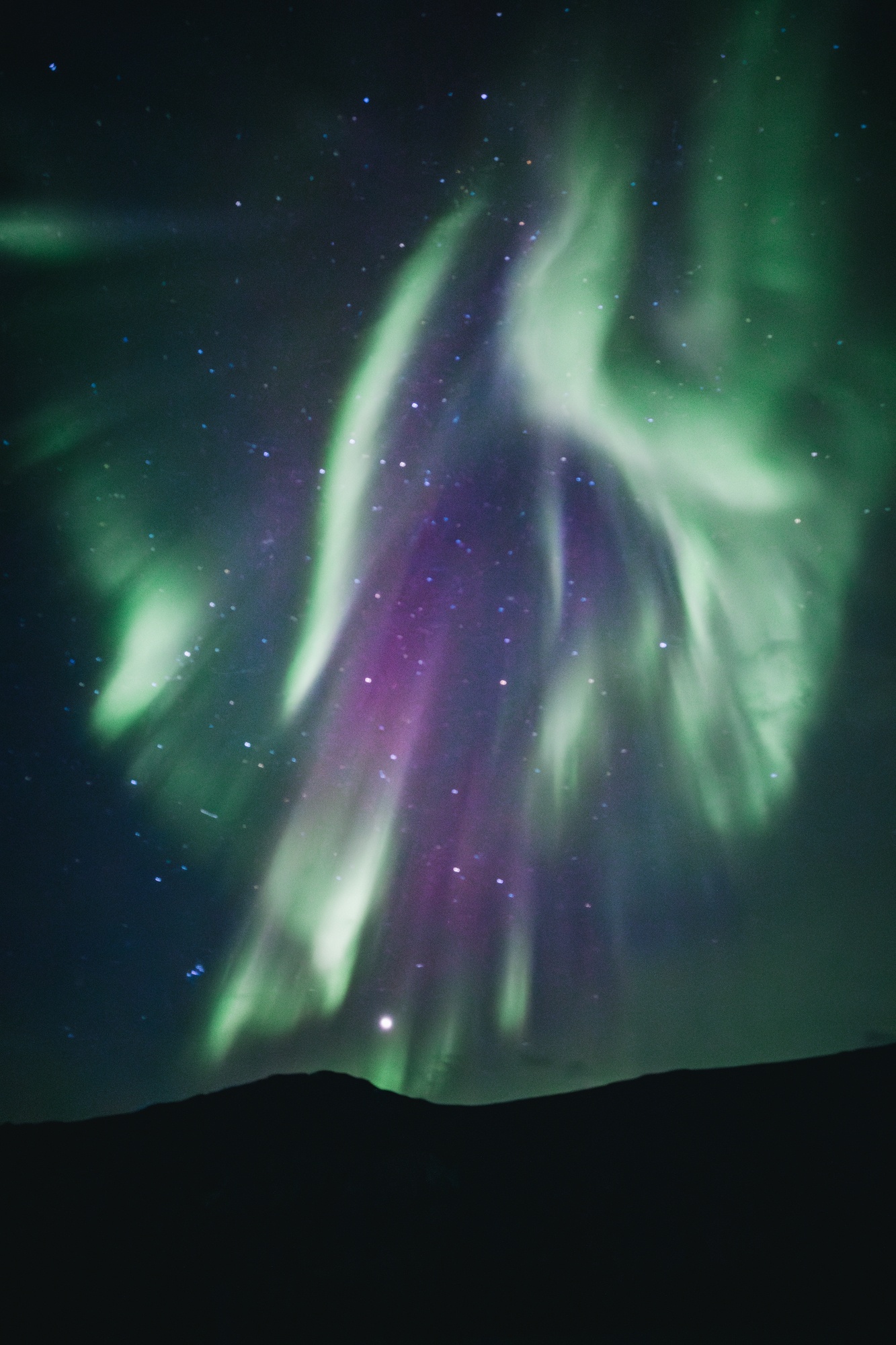
The transition of journalists to guides reflects a broader human desire for community and tangible impact. For many, the "meaningless competition" of the influencer world has been replaced by the "freaking hard work" of field operations. Whether it is scanning the horizon for the white fur of a polar bear or listening to live music on a ship steaming through the northern lights, the new era of polar travel is defined by a deep, personal connection to the landscape.
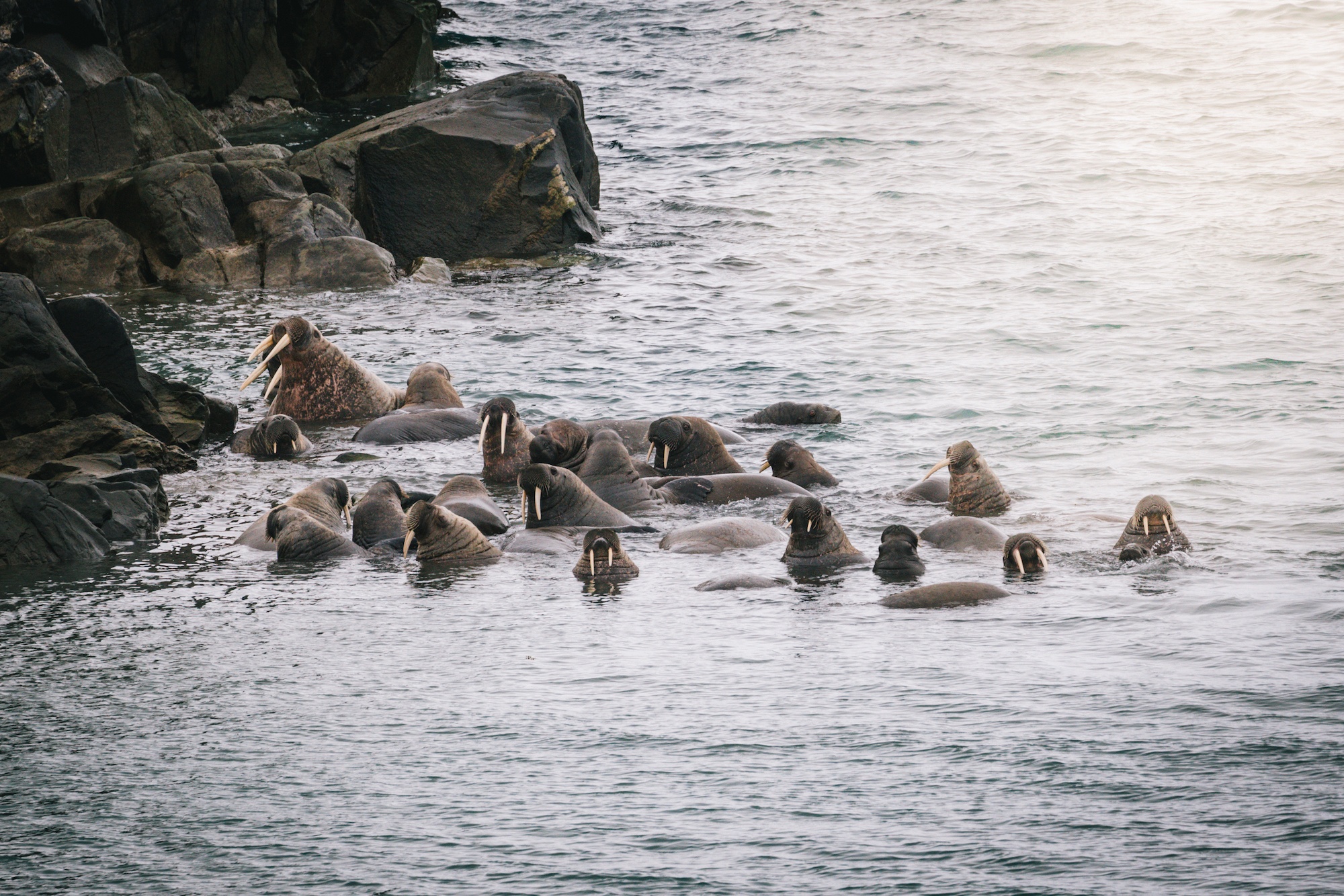
As the summer season commences in Canada and Greenland, the industry looks toward a future where travel is not just about the destination, but about the community built on board and the long-term protection of the Earth’s most fragile ecosystems. The message from the front lines of polar travel is clear: the Arctic "gets under your skin," and for those who work there, the goal is to ensure it stays protected for generations to come.