Comprehensive Guide to the Best Christmas Markets in Berlin and Essential Holiday Travel Tips

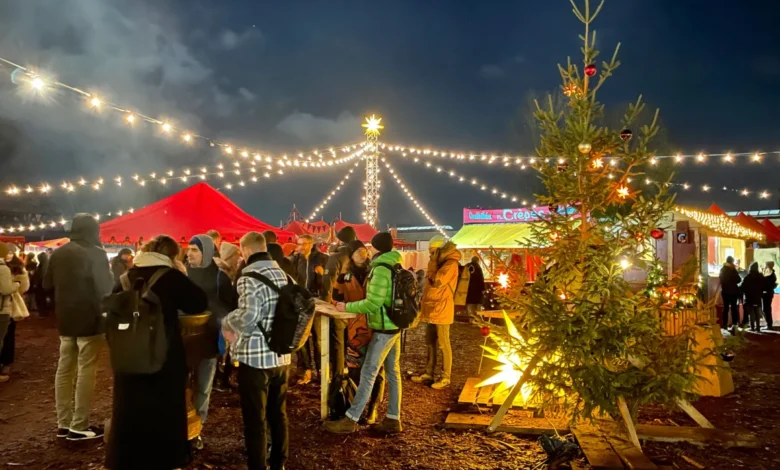
The German capital is preparing for its most significant seasonal transformation as more than 70 distinct Christmas markets, known locally as Weihnachtsmarkte or Adventsmarkte, open their gates for the 2024 holiday season. Unlike other major German cities such as Nuremberg or Dresden, which typically center their festivities around a single historic square, Berlin utilizes its decentralized urban structure to host a diverse array of markets that reflect the unique character of its many districts. From the high-end artisan stalls of Mitte to the medieval-themed gatherings in Friedrichshain, the city’s holiday infrastructure serves as a vital economic driver and a cornerstone of social cohesion during the dark winter months.
Historical Context and the Evolution of the Berlin Christmas Market
The tradition of the Christmas market in Germany dates back to the Late Middle Ages. Originally, these gatherings were winter markets that provided citizens with meat and seasonal supplies to survive the colder months. Over centuries, these functional markets evolved into celebratory events featuring handicrafts, roasted nuts, and spiced wine. While cities like Munich and Nuremberg have maintained a singular, centuries-old tradition, Berlin’s market scene is a relatively modern tapestry, shaped significantly by the city’s 20th-century history and subsequent reunification.
In the years following the fall of the Berlin Wall, the city’s Christmas markets became a symbol of cultural integration. Western traditions merged with the neighborhood-centric festivals of the East, resulting in the current landscape where over 50 to 70 markets operate simultaneously. This expansion reflects Berlin’s identity as a "city of neighborhoods" (Kieze), where each district maintains its own aesthetic and social standards.

The 2024 Seasonal Chronology and Logistics
The 2024 Christmas market season in Berlin is scheduled to begin officially on November 25. While a few commercial "winter worlds" open earlier in the month, the traditional markets adhere to the liturgical calendar, generally opening after Totensonntag (the Sunday of the Dead), a day of silent remembrance in Germany. Most markets will run through December 26, though several high-profile locations in the city center will extend their operations until the first week of January 2025 to accommodate New Year’s Eve tourism.
Operating hours typically range from 11:00 AM to 9:00 PM or 10:00 PM. Municipal authorities note that peak attendance occurs after 4:00 PM, coinciding with the early winter sunset. This timing is essential for the "Lichterglanz" (glow of lights) that defines the atmospheric appeal of the markets. Travelers are advised that while many larger markets are now equipped for card payments, the "Pfand" system—a mandatory deposit of three to five euros for reusable ceramic mugs—remains a cash-heavy transaction in many smaller stalls.

High-Profile Destinations: Tradition and Architecture
Gendarmenmarkt (Bebelplatz)
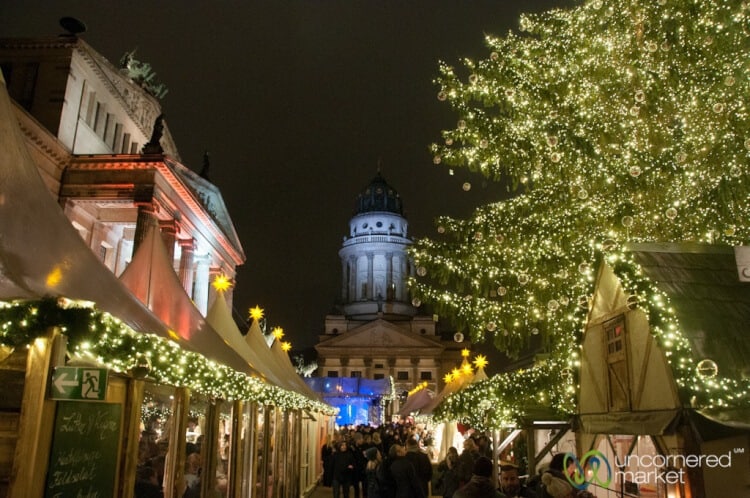
Historically situated at the Gendarmenmarkt, this market has temporarily relocated to Bebelplatz due to extensive renovations of the square’s underground infrastructure. Despite the move, it remains the city’s premier destination for luxury handicrafts and high-quality culinary offerings. The market is enclosed by the State Opera, the St. Hedwig’s Cathedral, and the Humboldt University buildings, providing a neoclassical backdrop. This is one of the few markets in Berlin that requires a nominal entrance fee (typically one euro), which supports the daily program of live choral and instrumental performances.
Schloss Charlottenburg
Located in front of the 300-year-old Baroque palace in West Berlin, the Charlottenburg market focuses on a "fairytale" aesthetic. The palace facade is illuminated with elaborate light projections, while the stalls emphasize traditional woodwork and regional delicacies. This market is frequently cited by tourism boards as a primary example of "European fairytale charm," attracting a demographic interested in historic preservation and traditional aesthetics.

Spandau Old Town and Citadel
Spandau offers a distinct experience by utilizing its well-preserved Renaissance fortress, the Zitadelle Spandau, and its historic pedestrian zone. The Spandau market is one of the largest in the city, often featuring over 200 stalls. Because Spandau was historically an independent city before its incorporation into Greater Berlin in 1920, its market retains a "small-town" atmosphere that contrasts with the metropolitan feel of central Berlin.
Thematic and Alternative Market Experiences
Berlin’s reputation for counter-culture and internationalism is reflected in its thematic markets, which deviate from the standard German model.

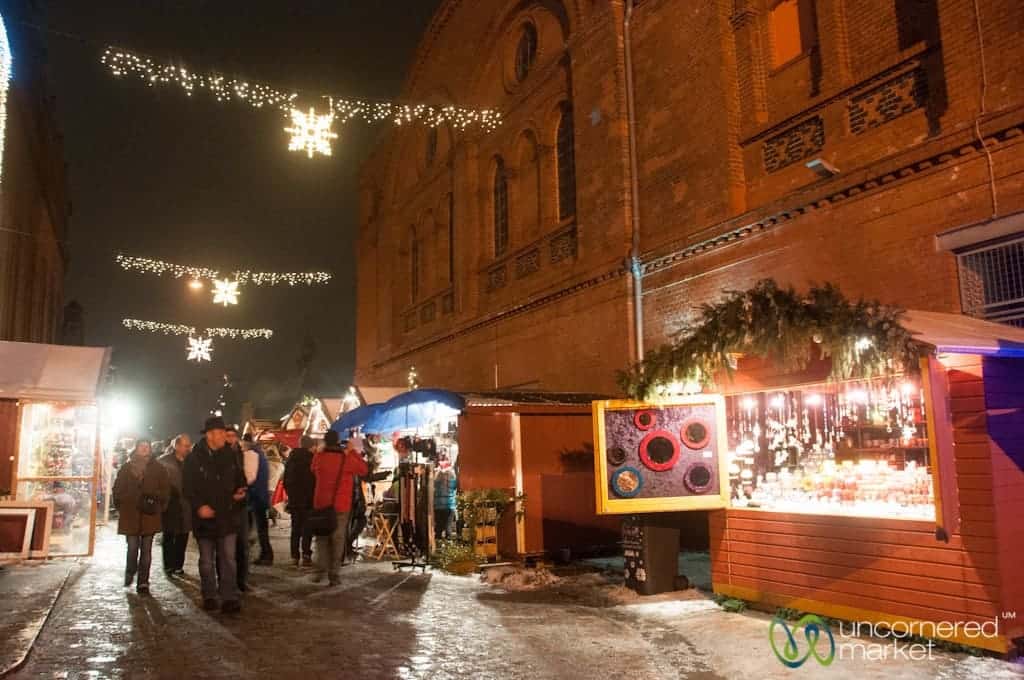
Lucia Christmas Market at Kulturbrauerei
Named after the Nordic Saint Lucia, this market is housed within the brick courtyards of a 19th-century industrial brewery complex in Prenzlauer Berg. It focuses exclusively on Scandinavian traditions, offering Swedish, Norwegian, and Danish "Glögg" (mulled wine) and reindeer-based cuisine. The architecture of the Kulturbrauerei provides a sheltered environment, making it a popular choice for families and those seeking a more intimate atmosphere.
Historical Medieval Market at RAW-Gelände
Situated in the Friedrichshain district, this market utilizes a former train repair station to recreate a medieval village. The event features blacksmiths, archers, and hand-operated carousels. Lighting is provided primarily by torches and fire pits, emphasizing a pre-industrial atmosphere. Analysts note that this market successfully bridges the gap between traditional holiday tourism and Berlin’s younger, alternative demographic.
Heissa Holzmarkt
Located along the banks of the Spree River, Holzmarkt 25 represents the modern "urban village" movement. Its Christmas market, Heissa Holzmarkt, combines traditional elements with silent discos, art installations, and organic food stalls. This market is indicative of the city’s shift toward sustainable and community-oriented event planning.
Neighborhood Markets and Charitable Initiatives
For residents and visitors seeking "authentic" local engagement, Berlin’s neighborhood markets offer a non-commercial alternative. The Alt-Rixdorfer Christmas Market in Neukölln is a prime example. Held for only one weekend in December at Richardplatz, it features stalls run by local charities, schools, and fire brigades. Instead of mass-produced goods, the focus is on homemade preserves, knitted items, and community fundraising.

Similarly, the Domäne Dahlem market takes place on the grounds of a working historic farm and agricultural museum. It emphasizes organic produce and traditional craftsmanship, providing a "countryside" experience within the city limits. These markets are essential for maintaining social ties within the city’s districts, serving as annual meeting points for local families.
Economic Impact and Urban Infrastructure
The economic significance of Berlin’s Christmas markets cannot be overstated. According to data from previous years, the holiday season accounts for a substantial percentage of the city’s annual tourism revenue. Retailers and hospitality providers see a marked increase in demand, with hotels in Mitte and City West often reaching near-full capacity.

The municipal transport authority, BVG, typically increases the frequency of U-Bahn and S-Bahn services on weekends to accommodate the surge in visitors. Furthermore, security protocols have been significantly refined over the last decade. Following the 2016 attack at Breitscheidplatz, the city implemented standardized safety measures, including the use of aesthetically integrated vehicle barriers and increased police presence, ensuring a secure environment without compromising the festive atmosphere.
Culinary Traditions and the "Pfand" System
The culinary landscape of the Berlin markets is a mix of pan-German staples and local specialties. Key items include:

- Glühwein: Spiced red or white wine, often served "mit Schuss" (with a shot of rum or amaretto).
- Bratwurst and Currywurst: Grilled sausages, with the latter being a Berlin-specific cultural icon.
- Eierpunsch: A warm, egg-based liqueur punch.
- Handbrot: Freshly baked bread filled with cheese and mushrooms or ham.
A critical logistical element for visitors is the "Pfand" system. To reduce waste, drinks are served in glass or ceramic mugs. Customers pay a deposit upon purchase; the deposit is returned when the mug is brought back to the stall. Many visitors choose to keep the mugs as souvenirs, which provides an additional revenue stream for market organizers who commission unique designs each year.
Broader Implications: Sustainability and Social Cohesion
In recent years, Berlin’s markets have come under scrutiny regarding their environmental footprint. In response, many organizers have transitioned to LED lighting and mandatory biodegradable cutlery. The 2024 season sees an increased number of "Green Markets," such as the eco-friendly market at Sophienstraße, which focuses on fair-trade products and ecological sustainability.

Beyond economics, the markets serve as a vital psychological antidote to the winter solstice. In a city where sunlight is limited to fewer than eight hours a day in December, the markets provide a "public living room." This concept of Gemütlichkeit—a state of warmth, friendliness, and good cheer—is central to the German holiday experience and acts as a stabilizing social force.
As Berlin navigates the complexities of modern urban management, its Christmas markets remain a steadfast tradition. They are not merely tourist attractions but are complex cultural ecosystems that balance history, commerce, and community. For the 2024 season, the city continues to refine this balance, offering a decentralized festive infrastructure that remains one of the most comprehensive in Europe.