Maximizing Travel Value: An Analytical Guide to Redeeming 150,000 Chase Ultimate Rewards Points

The landscape of travel loyalty programs has undergone a seismic shift over the last decade, transitioning from airline-specific miles to flexible bank-issued currencies. Within this competitive market, Chase Ultimate Rewards has maintained a position of prominence, largely due to its diverse ecosystem of credit cards and its robust network of transfer partners. As the travel industry grapples with "dynamic pricing"—a model where the cost of flights in miles fluctuates based on demand—flexible points have become the primary hedge against devaluation. For high-volume earners and business owners, a balance of 150,000 points represents a significant asset, capable of unlocking thousands of dollars in travel value when leveraged through strategic redemptions rather than simple cash-back options.
The Evolution of the Chase Ultimate Rewards Ecosystem
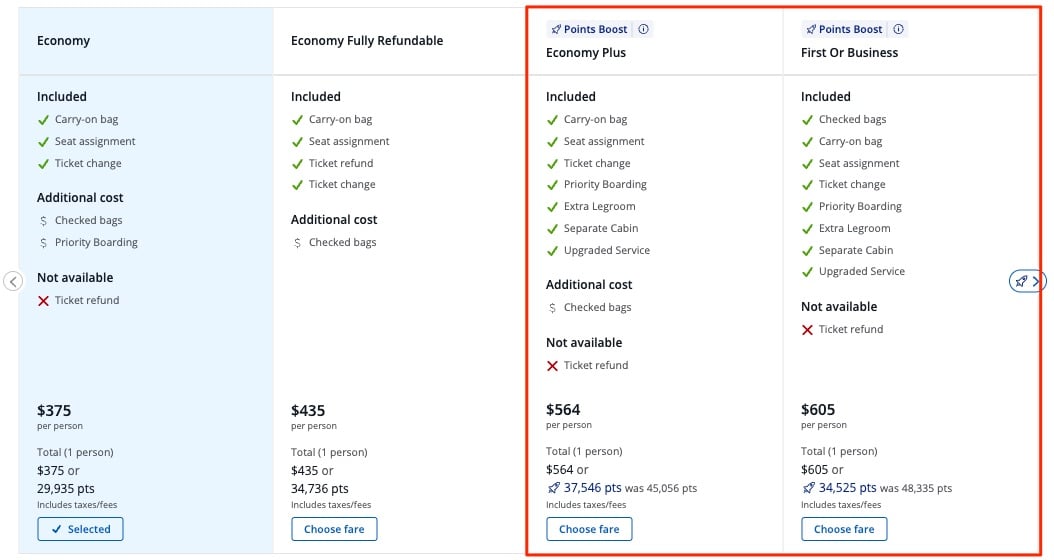
The Chase Ultimate Rewards program is anchored by several key products: the Chase Sapphire Preferred, the Chase Sapphire Reserve, and the Ink Business suite. Historically, the value proposition of these points was tied to a fixed redemption rate through the Chase Travel portal—1.25 cents per point for Preferred holders and 1.5 cents for Reserve holders. However, in a significant policy shift, Chase has begun sunsetting these flat-rate perks in favor of a "Points Boost" model. This new system offers targeted value increases of up to 1.75 or 2 cents per point on select premium bookings. While this provides higher potential value, it necessitates a more analytical approach to redemption, as the benefits are no longer universal across all bookings.

Beyond the portal, the true strength of the currency lies in its 1:1 transfer ratio to 14 airline and hotel partners. This flexibility allows travelers to bypass the limitations of a single carrier’s inventory. As of 2024, the market value of 150,000 Chase points is estimated between $1,500 (at a floor of 1 cent per point) and upwards of $6,000 when used for international first-class cabins or luxury suites.

Strategic Aviation Redemptions: From Economy to First Class
1. Transatlantic Efficiency via Iberia Plus
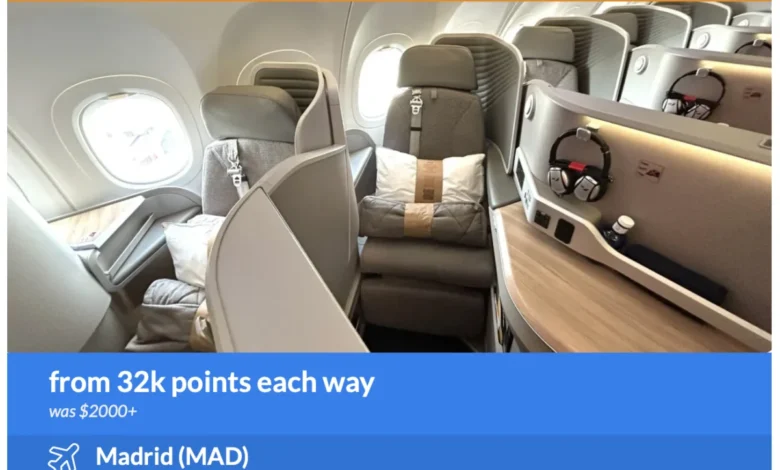
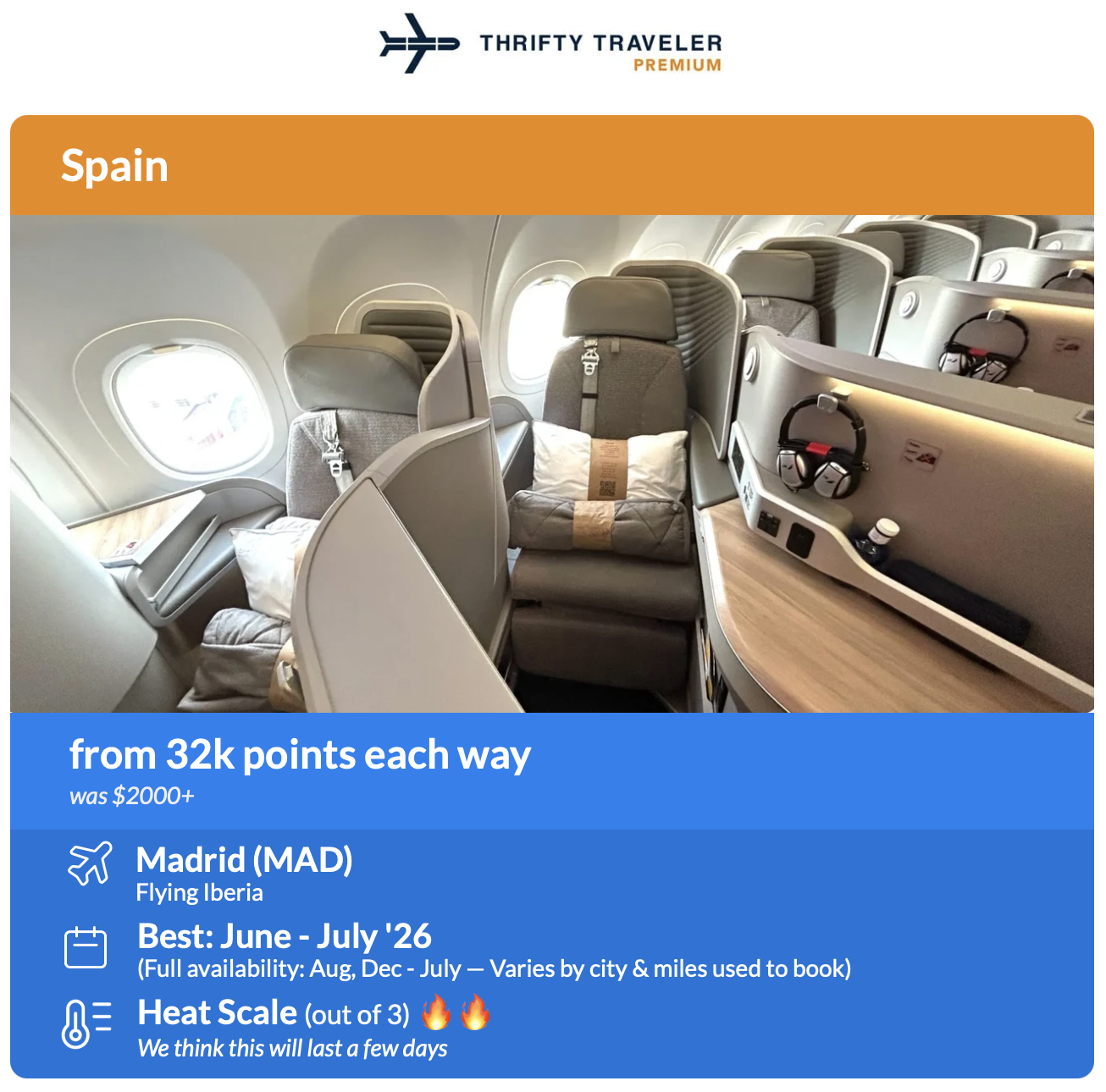
One of the most mathematically efficient uses of Chase points is the transfer to Iberia Plus, the loyalty program of Spain’s flagship carrier. Iberia maintains a distance-based award chart that remains one of the few "sweet spots" in the industry. For as little as 34,000 to 42,500 Avios, travelers can book one-way business class seats from East Coast hubs like New York (JFK), Boston (BOS), or Chicago (ORD) to Madrid. A 150,000-point balance is sufficient for nearly four one-way business class tickets or two round-trip tickets during off-peak periods. Compared to the cash price of these seats, which often exceeds $3,000, this redemption yields a value of nearly 7 cents per point.

2. The Hawaii Workaround: Leveraging Finnair and Southwest
Hawaii remains a high-demand destination where cash prices are often inflated. Chase offers two distinct paths to the islands. For travelers on the West Coast, transferring points to Southwest Airlines provides a reliable, revenue-based redemption. However, for those seeking higher value, a more complex "workaround" involves transferring Chase points to British Airways and then to Finnair. Due to the consolidation of the Avios currency, Finnair allows the booking of American Airlines-operated flights to Hawaii for as little as 13,500 miles each way. This strategy allows a family of four to fly round-trip to Hawaii using only 108,000 points, leaving a significant surplus for lodging.
3. Virgin Atlantic: The High-Surcharge, High-Style Dilemma
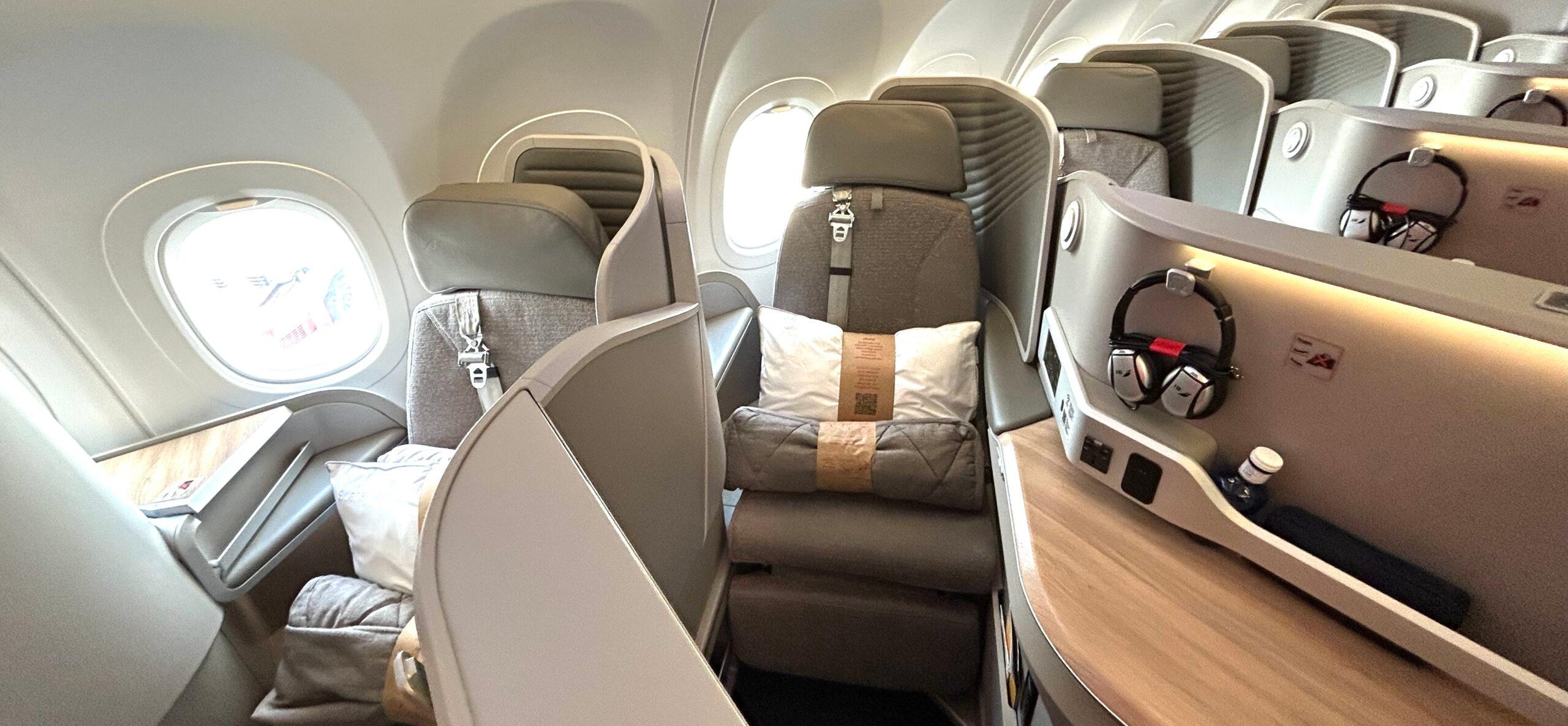
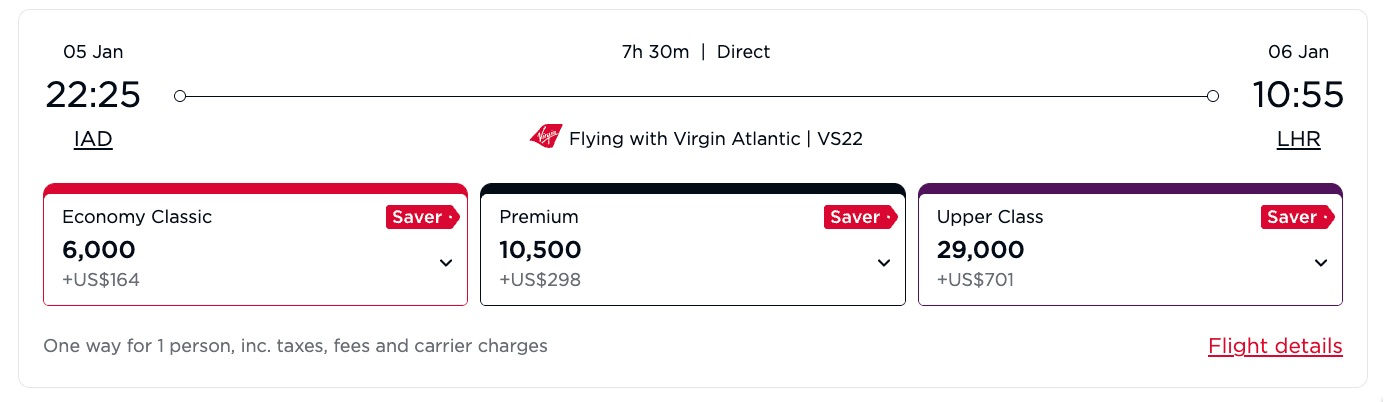
Virgin Atlantic’s Flying Club is a frequent destination for Chase transfers, particularly for its "Upper Class" business suites. While Virgin recently transitioned to dynamic pricing and increased fuel surcharges to approximately $700 for one-way transatlantic flights, the mileage requirement remains remarkably low—sometimes as few as 29,000 points. For travelers who prioritize the "lie-flat" experience and access to the Virgin Clubhouse over minimizing out-of-pocket taxes, this remains a viable premium redemption.
4. All Nippon Airways (ANA) and the Scarcity of "The Room"
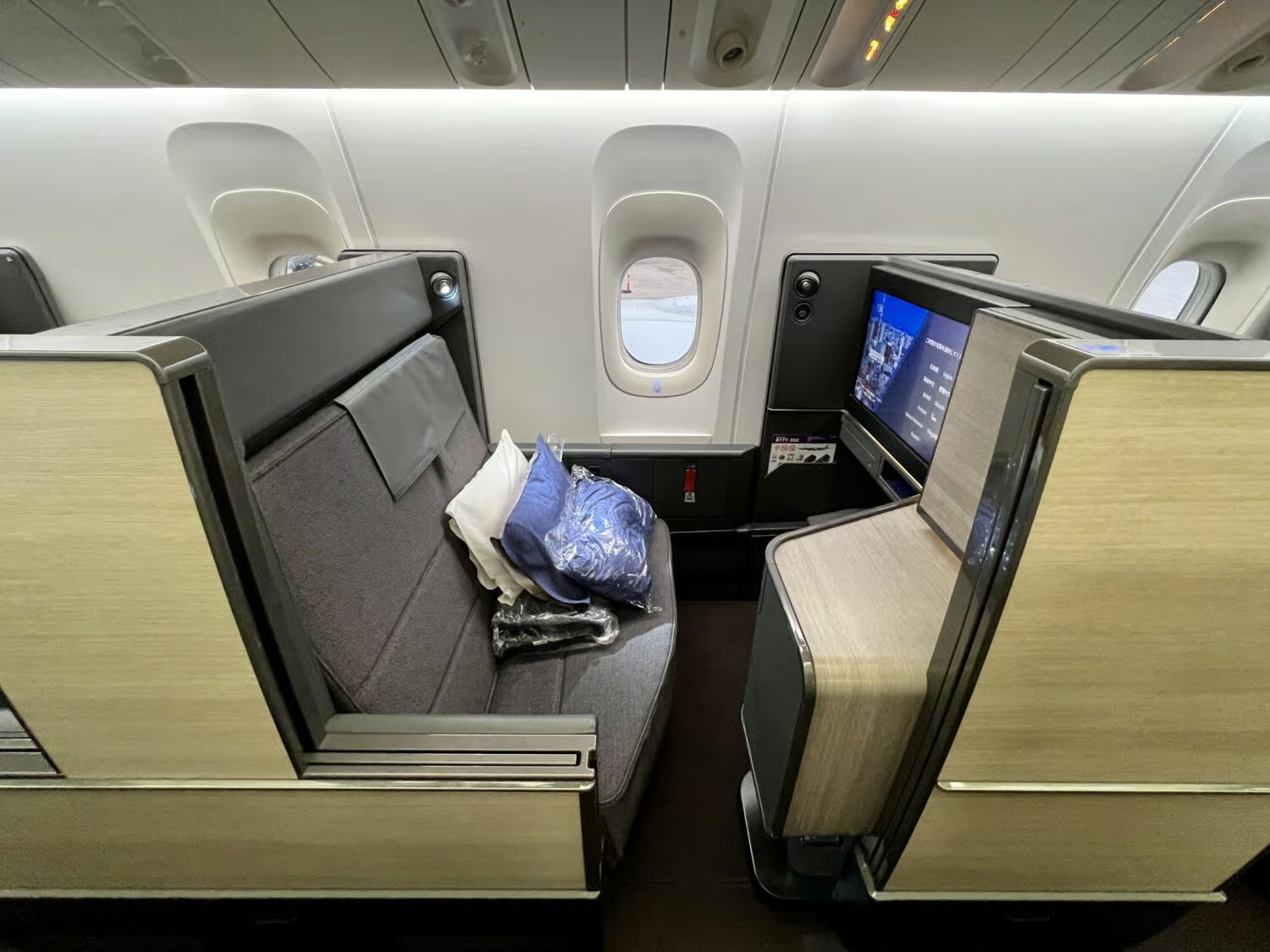
For travelers eyeing Asia, transferring points to Virgin Atlantic to book ANA business class—specifically the world-renowned "The Room" suite—is often cited as the "holy grail" of points and miles. A round-trip ticket from the U.S. to Tokyo costs between 105,000 and 120,000 points. However, market analysis indicates that award availability for these seats has reached historic lows. While the value is immense (often exceeding 10 cents per point), this redemption requires extreme flexibility and the use of specialized search tools to locate rare "Partner Award" seats.
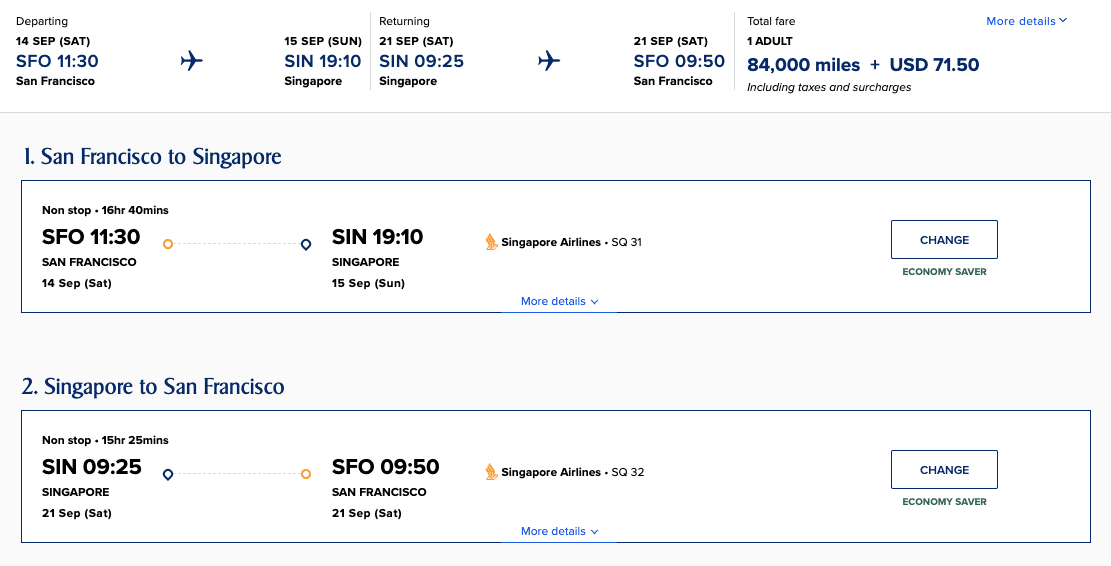
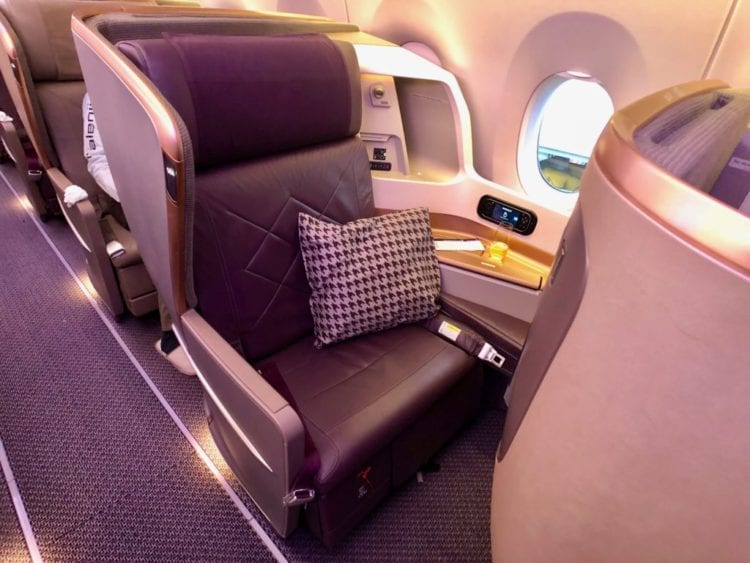
5. Singapore Airlines: The Longest Flight in the World
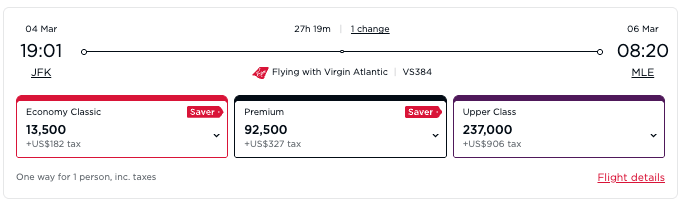
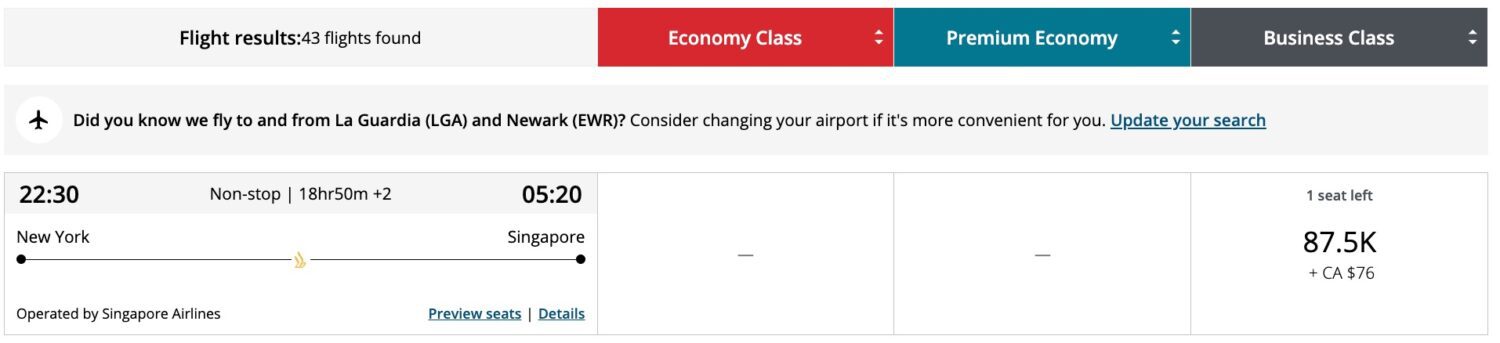
Singapore Airlines is a 1:1 Chase partner and offers exclusive access to its own premium cabin inventory. 150,000 points can cover the cost of a one-way business class ticket on the world’s longest flight—Newark (EWR) to Singapore (SIN)—which spans nearly 19 hours. Alternatively, by transferring to Air Canada Aeroplan (another Chase partner), travelers can often book the same Singapore Airlines seats for a lower rate of 87,500 points, showcasing the importance of cross-referencing partner charts before initiating a transfer.
6. Qatar Airways Qsuites: The Gold Standard
Consistently ranked as the world’s best business class by Skytrax, Qatar’s Qsuite is bookable using Avios. By transferring Chase points to British Airways and then linking that account to Qatar Airways, travelers can book a one-way flight from the U.S. to Doha for 70,000 Avios. With 150,000 points, a couple can fly one-way in a "quad suite" configuration, which allows four seats to be combined into a private social or work space.

7. Lufthansa First Class: The 14-Day Sprint
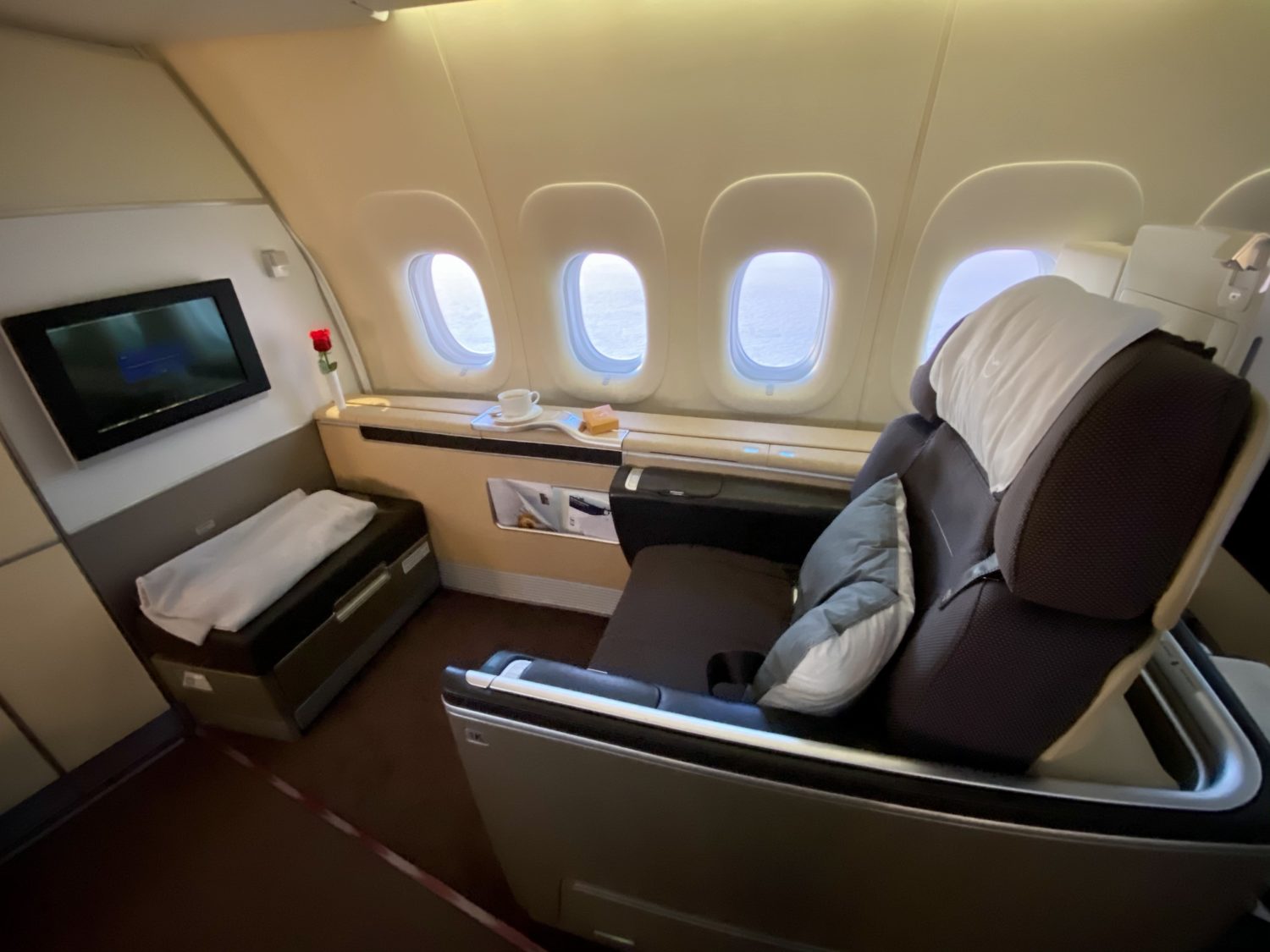
For those seeking the pinnacle of luxury, Lufthansa First Class offers a private terminal in Frankfurt and Porsche tarmac transfers. This experience is bookable through Air Canada Aeroplan for approximately 100,000 points. However, Lufthansa only releases these seats to partners within 14 days of departure. This redemption is best suited for solo travelers with the ability to book "last-minute" itineraries.
High-Value Hospitality: The Hyatt Advantage
While many travelers focus on flights, the World of Hyatt program represents arguably the most consistent value for Chase Ultimate Rewards. Unlike Marriott or Hilton, which have moved to fully dynamic pricing where a room might cost 100,000 points per night, Hyatt maintains a tiered award chart.
8. Luxury Stays at Aspirational Properties
A balance of 150,000 points can be converted into five nights at a Category 7 property, such as the Park Hyatt Tokyo or the Andaz Maui. Perhaps the most famous use of these points is at the Alila Ventana Big Sur, an all-inclusive luxury resort in California where cash rates frequently top $2,500 per night. At 45,000 points per night, a three-night stay consumes 135,000 points but provides over $7,500 in retail value.
9. Volume Redemptions for Families
For families, Hyatt’s lower-category hotels provide immense utility. Category 1 hotels cost as few as 3,500 points per night. With 150,000 points, a traveler could theoretically book over 40 nights of lodging. This "volume" approach is particularly effective for road trips or extended stays in international markets like Southeast Asia or Eastern Europe.
The Role of the Chase Travel Portal and "Points Boost"
10. The No-Fuss Redemption
Despite the high value of transfers, the Chase Travel portal remains a critical tool for booking boutique hotels or flights on airlines that are not part of major alliances. With the "Points Boost" feature, a Sapphire Reserve holder might find a premium economy flight to Europe for 100,000 points that includes the ability to earn frequent flyer miles—a benefit not available on traditional award tickets. For travelers who do not want to navigate the complexities of transfer ratios and award availability, the portal provides a guaranteed minimum value.
Economic Context and Market Outlook
The "points economy" is currently facing inflationary pressure. As credit card issuers offer larger sign-up bonuses, the "money supply" of points increases, leading some airlines to devalue their award charts. For instance, Southwest Airlines and United Airlines have both implemented significant changes to their redemption structures in recent years.

In response, Chase has diversified its partner list, adding Aeroplan and Virgin Atlantic to provide more "outlets" for its currency. Financial analysts suggest that the strategy of maintaining a "bank" of flexible points is superior to hoarding miles in a single airline account. If one partner devalues, the points can simply be moved to another.

Conclusion and Implementation
To maximize a 150,000-point windfall, cardholders must move beyond the "cash back" mindset. The primary hurdle for most consumers is the "transfer fear"—the hesitation to move points to a partner where they cannot be moved back. However, the data confirms that the highest ROI (Return on Investment) is found in the transfer market.

Whether it is securing a $15,000 Lufthansa First Class seat for 100,000 points or booking a week-long family vacation at a Hyatt Regency, the Chase Ultimate Rewards program remains a cornerstone of modern travel strategy. As the industry moves toward 2025, the ability to analyze partner charts and time transfers with bank bonuses will separate the casual traveler from the "thrifty" elite who travel the world for a fraction of the retail cost.