The Psychology of the Liminal Space
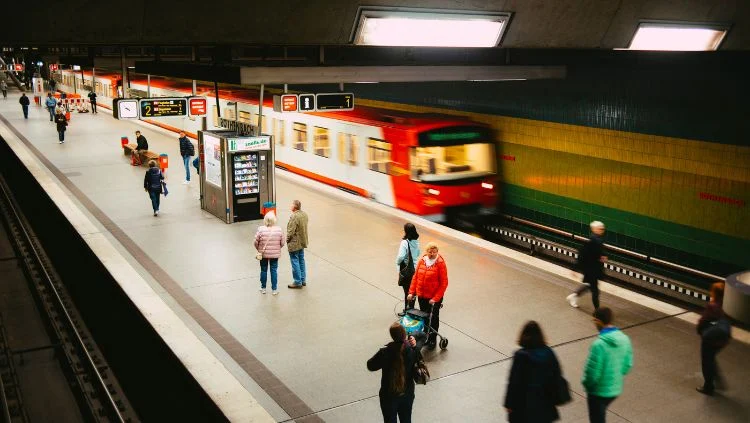
In psychological terms, a transition is often referred to as a "liminal space"—the threshold between an old reality and a new one. In travel, this is physically manifested in the act of moving through airports, waiting on subway platforms, or crossing borders. These are environments where an individual is neither "here" nor "there." Research in behavioral science suggests that these periods of flux are where the highest levels of stress occur, but they are also the primary catalysts for developing resilience and cognitive flexibility.
The discomfort associated with these transitions stems from a loss of control and the absence of familiar cues. In a stable environment, the brain operates on "automatic pilot," relying on established habits. When a traveler enters a transition phase—such as navigating a complex international terminal or adapting to a different language—the brain is forced into a state of heightened awareness. This state of active engagement is exactly what is required during major life changes, such as career shifts, the loss of a loved one, or the transition into a new stage of life, such as retirement or an empty nest.
Case Study: From Professional Stability to Personal Evolution
The evolution of the "Solo Traveler" platform provides a concrete example of how personal and professional transitions can intersect. Prior to the establishment of the site, the founder operated as a successful freelance content writer, producing material for major corporations. While this period provided financial stability and a respected professional identity, it was characterized by an internal sense of being "on a bridge"—aware of the past but unable to clearly see the future destination.
This period of professional uncertainty was compounded by two major life events: the passing of a spouse and the transition to an empty nest. These "thrust-upon" changes forced a total reassessment of identity. It was through the crucible of these losses that the concept of solo travel emerged not just as a hobby, but as a mechanism for resolution. The transition from a writer for hire to the creator of a community-focused platform mirrored the internal transition from grief to a new sense of purpose. This trajectory illustrates a key tenet of transition theory: that the most difficult "middle phases" are often the birthplaces of the most significant life innovations.
A Chronology of the Transition Experience
To understand how travel prepares an individual for life changes, it is helpful to view both through a chronological lens. Transitions generally follow a three-stage process, whether one is moving through a physical landscape or a psychological one.
Phase 1: The Ending and Letting Go
Every transition begins with an ending. In travel, this is the act of leaving the hotel, saying goodbye to a city, or checking out of a familiar environment. In life, this might be the resignation from a job or the finality of a relationship. The challenge here is the emotional detachment from the "comfortable" state.
Phase 2: The Neutral Zone
This is the "darn transition" referred to by many travelers. It is the flight, the long bus ride, or the hours spent in a transit lounge. In life, this is the period of searching, grieving, or retraining. It is characterized by uncertainty, but it is also a period of high creativity. Without the constraints of the old identity, the individual is free to experiment with new ways of being.
Phase 3: The New Beginning
This is the arrival at the destination. It involves the immediate need to find one’s bearings, understand the local "rules," and establish a new temporary home. Successful navigation of this phase in travel builds the "muscle memory" needed to embrace new beginnings in life with confidence rather than fear.
Supporting Data: The Rise of Solo Travel and Resilience
Data from the travel industry suggests a significant uptick in solo travel, particularly among demographics facing major life transitions. According to a 2023 survey by Solo Traveler, over 60% of respondents indicated that they chose to travel alone as a means of "re-centering" themselves after a significant life change.
Furthermore, a study published in the Journal of Travel Research found that individuals who engage in frequent solo travel report higher levels of self-efficacy—the belief in one’s ability to succeed in specific situations. This trait is a direct byproduct of managing travel transitions. The logistics of getting from an airport to a city center in a foreign country requires problem-solving, patience, and self-reliance. When these "wins" are accumulated over time, they translate into a robust psychological toolkit that can be applied to non-travel related challenges.
Navigating the Challenges of Choice and Chance
Life transitions generally fall into two categories: those we choose and those that are thrust upon us.
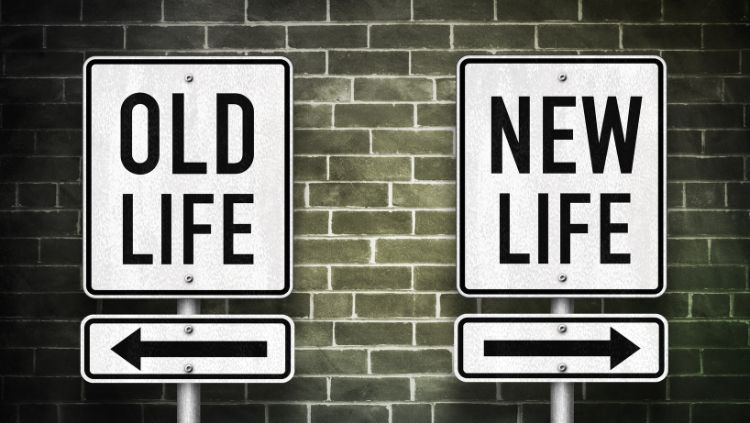
- Chosen Transitions: These include career changes, moving to a new city, or deciding to start a family. These require courage and the willingness to sacrifice current comfort for future growth.
- Unchosen Transitions: These include the death of a partner, unexpected job loss, or health crises. These require resilience and the ability to adapt to a reality that was not desired.
Solo travel provides a training ground for both. A traveler chooses to go to a new destination (chosen transition), but they cannot control the flight delays, the weather, or the lost luggage (unchonse transitions). By successfully navigating the "mini-crises" of a trip, the individual learns that they can survive and thrive even when circumstances are suboptimal.
Broader Implications for Personal Development
The lessons learned during travel transitions have broader implications for how society views aging and personal evolution. The traditional view of life as a linear path with a fixed destination is being replaced by a more fluid model of "constant transition." In this modern context, the skills of the solo traveler—adaptability, trust in one’s instincts, and the ability to put safety and risks in perspective—become essential life skills.
Industry experts and psychologists suggest that the "resilience souvenirs" gathered during travel are more valuable than any physical object. These include:
- Cognitive Flexibility: The ability to switch between different concepts or to think about multiple concepts simultaneously.
- Emotional Regulation: Learning to stay calm when a train is missed or a reservation is lost.
- Risk Assessment: The ability to distinguish between perceived danger and actual danger, a skill vital for both physical safety in a new city and emotional safety in a new relationship.
Institutional and Market Responses
The recognition of travel as a tool for managing life transitions has led to shifts in the travel industry. There is a growing market for "transformational travel," which focuses on the internal journey as much as the external one. Travel companies are increasingly removing "single supplements"—extra fees for solo travelers—recognizing that this demographic is not just a niche market but a significant segment of the population using travel for personal development.
Educational resources, such as specialized courses for solo travelers, have also emerged. These programs aim to provide the knowledge and skills necessary to navigate the logistics of travel, which in turn builds the confidence needed for the "unforgettable solo adventures" that mirror the journey of life itself.
Conclusion: The Enduring Value of the Journey
Ultimately, the challenges of travel transitions teach us that discomfort is not a sign of failure, but a sign of movement. The unnerving feeling of being in a new place without a map is the same feeling one experience when starting a new chapter in life. By embracing the transitions of travel, individuals develop the resilience to face life’s inevitable turning points with a sense of agency. The "wins" recorded on a subway platform in a foreign city or during a long flight across time zones are the very experiences that prepare the human spirit to handle the complexities of the modern world. In the architecture of a well-lived life, the transitions are not merely the spaces between the "important" parts; they are the foundation of growth itself.
Related posts: