The Resilience and Complexity of the New Zealand Weka A Comprehensive Profile of an Enduring Avian Icon


The weka (Gallirallus australis), a large, flightless rail endemic to New Zealand, represents one of the most complex and charismatic components of the nation’s avian ecosystem. Often overshadowed by the more famous kiwi or the vibrant kea, the weka is a bird of significant ecological importance and historical controversy. Known for its bold personality, predatory instincts, and remarkable adaptability, the weka occupies a unique niche in New Zealand’s biodiversity. While many native species struggle under the pressure of introduced predators and habitat loss, the weka has demonstrated a rugged persistence, though its relationship with conservationists and the public remains multifaceted. As New Zealand pursues ambitious environmental goals, such as the Predator Free 2050 initiative, the role of the weka as both a protector and a potential threat to other vulnerable species has come under increased scientific and social scrutiny.
Biological Profile and Taxonomy of the Gallirallus australis
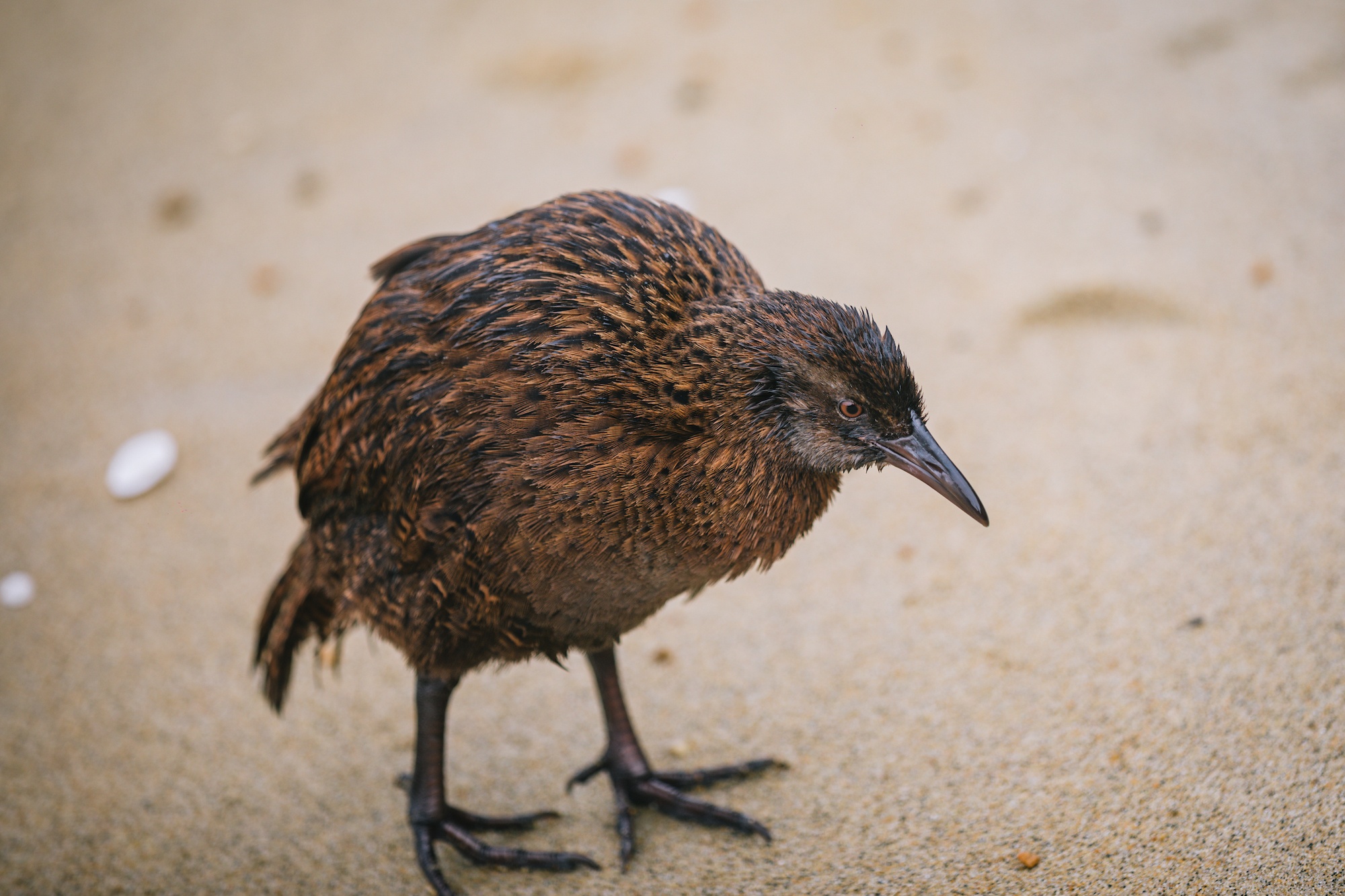
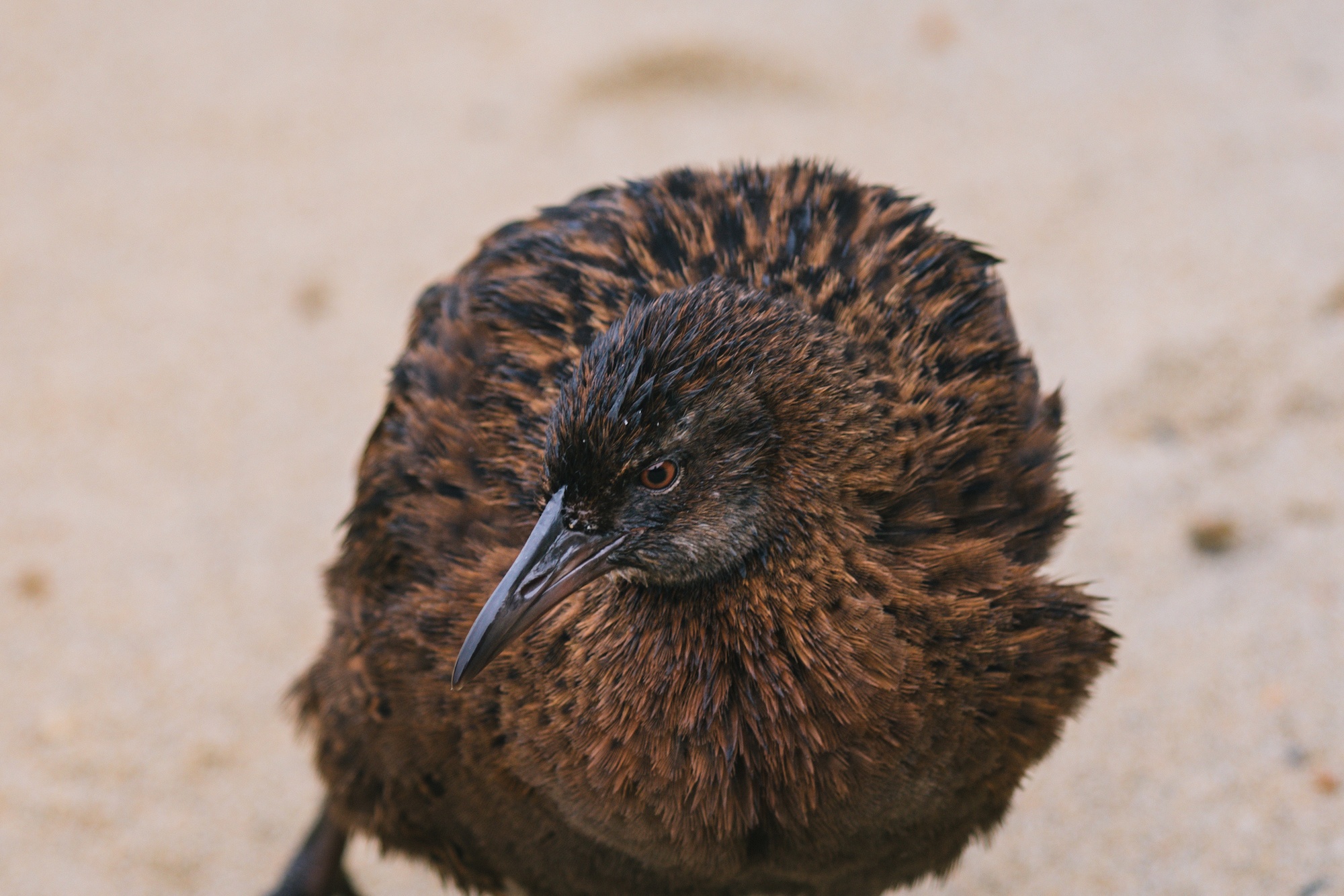
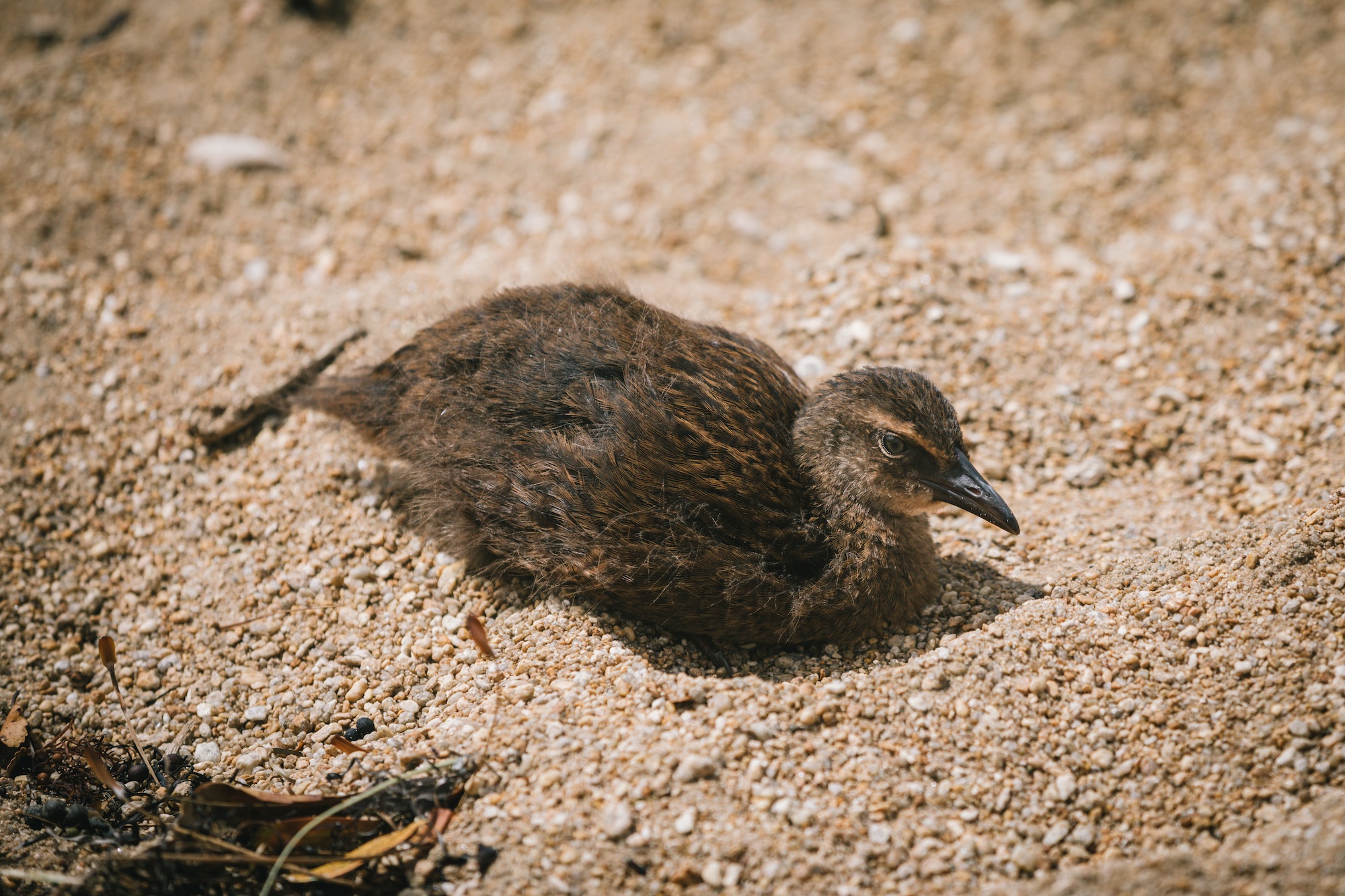
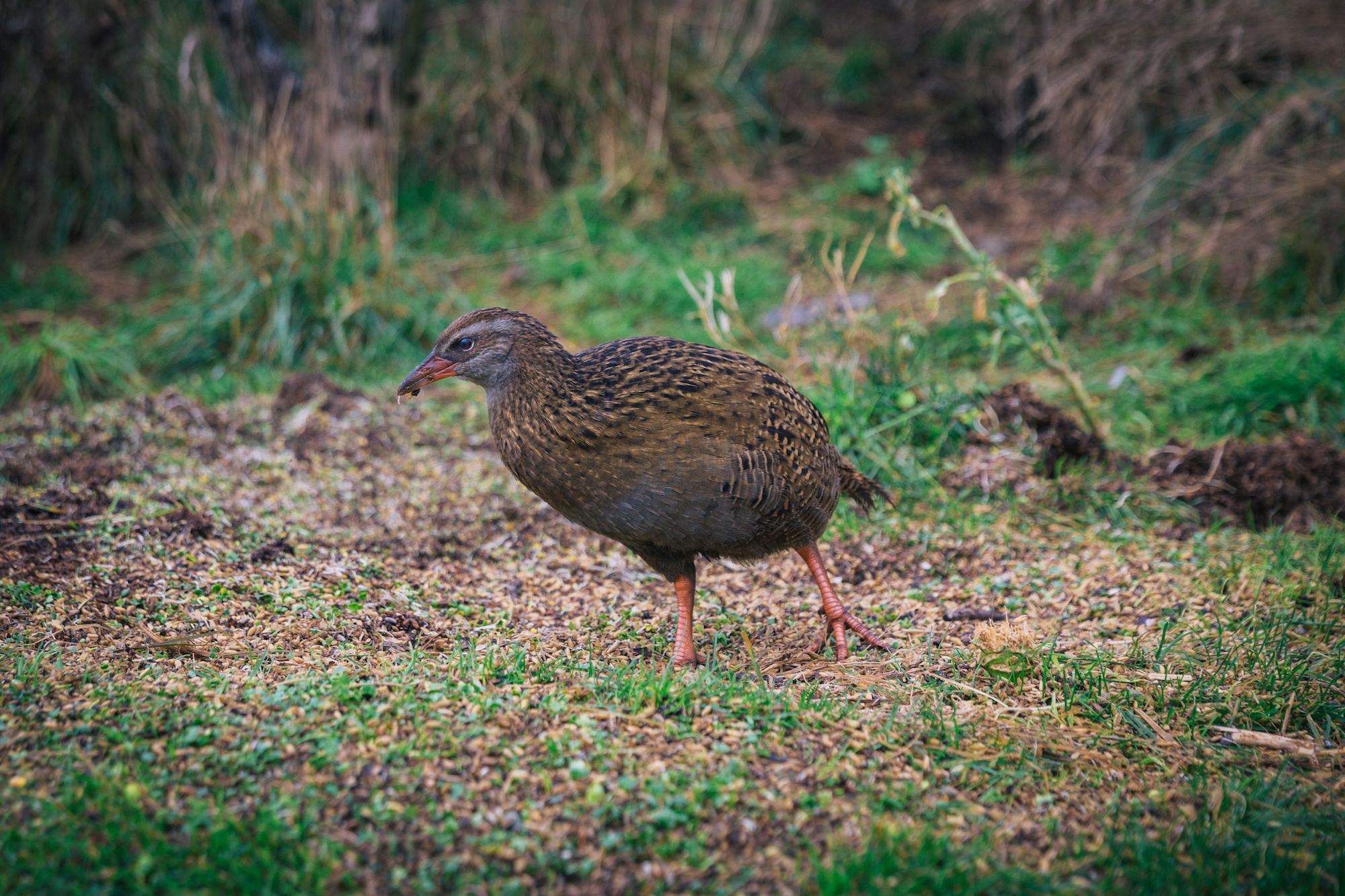
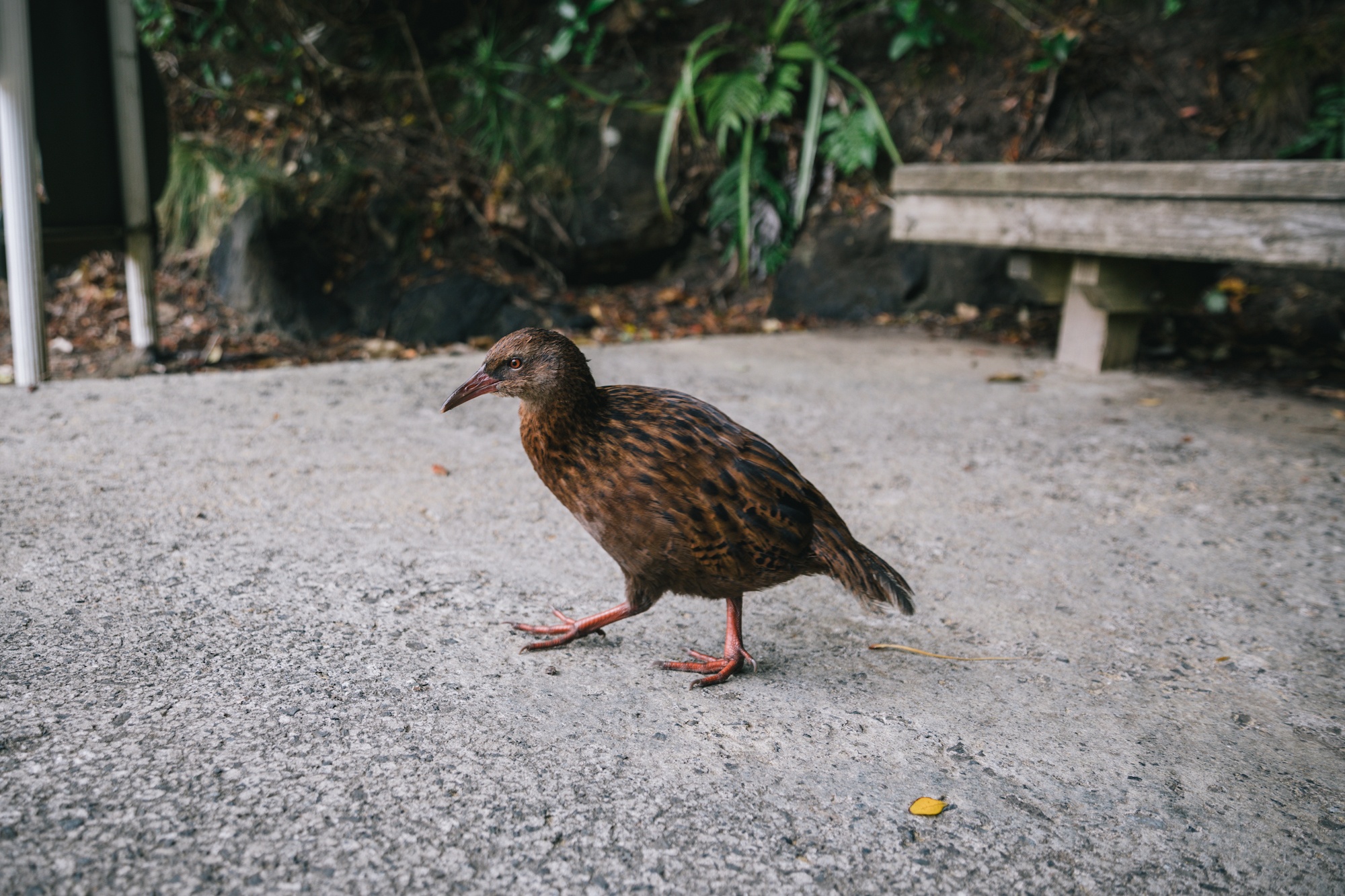
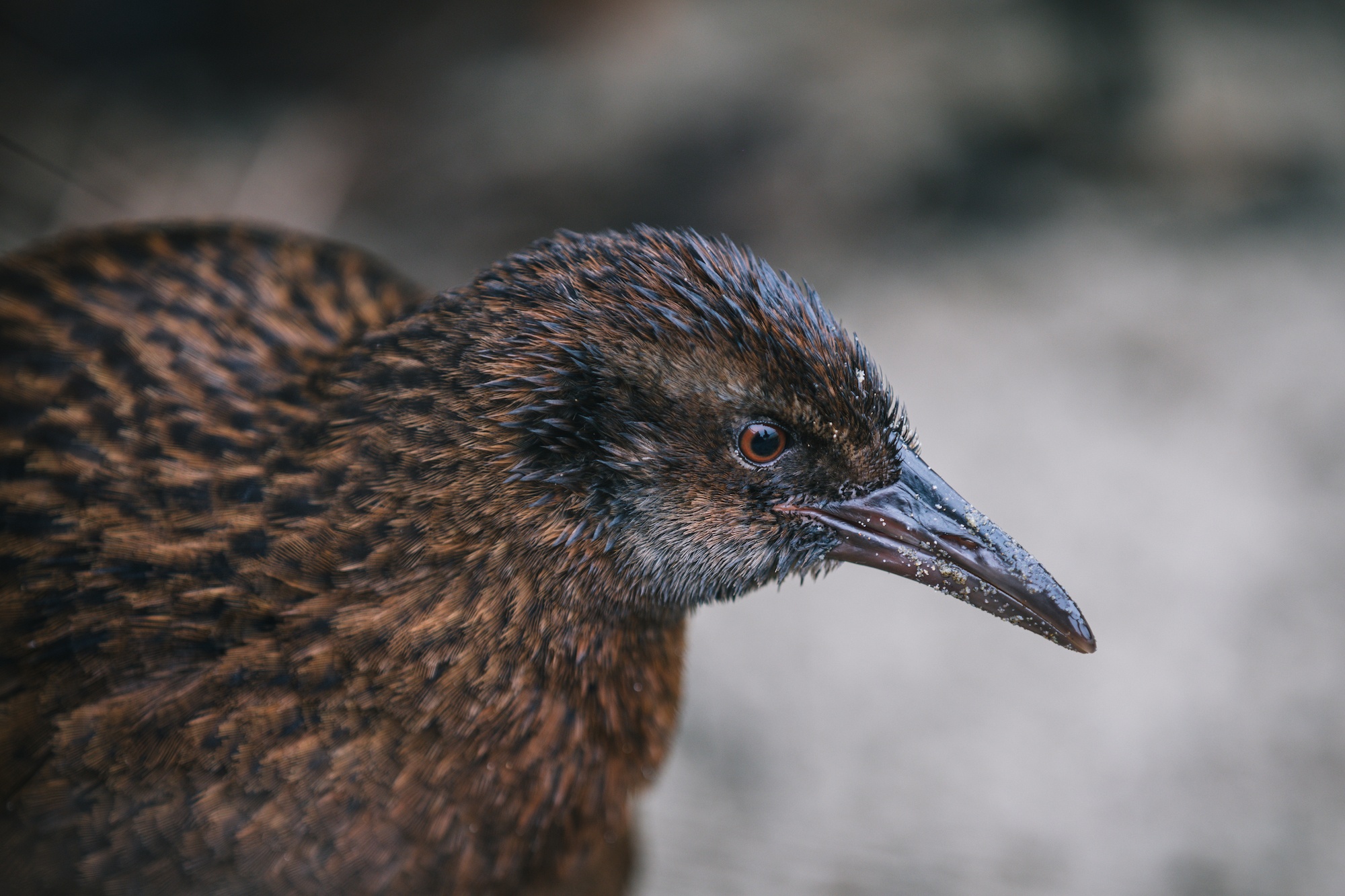
The weka is a sturdy, brown bird, approximately the size of a large chicken. As a member of the rail family (Rallidae), it possesses the characteristic strong legs and reduced wings typical of flightless island birds. Its plumage is a rich tapestry of browns, ranging from tawny to chestnut, often streaked with black or grey, providing excellent camouflage in the forest undergrowth. One of its most striking features is its eyes, which are a deep, luminous red, contributing to an appearance that many observers describe as both inquisitive and intimidating.

Taxonomically, the species is divided into four distinct subspecies, each adapted to specific geographical regions of New Zealand:
- North Island Weka (G. a. greyi): Characterized by its grey-tinted plumage and slightly smaller stature, this subspecies saw a drastic decline in the 20th century. Efforts to reintroduce it to various regions have met with mixed success, though stable populations now exist in areas like the Bay of Islands and the East Cape.
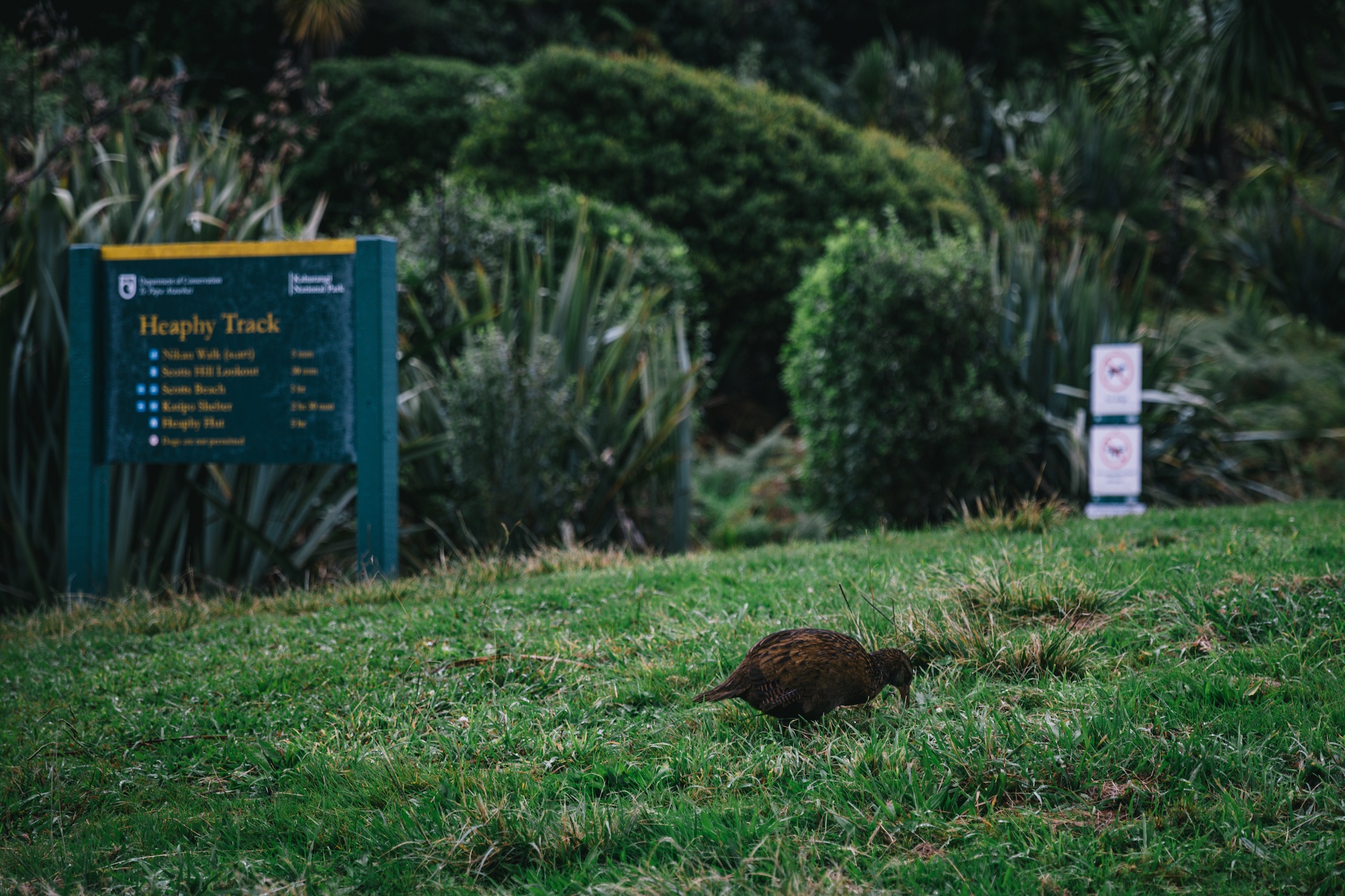
- Western Weka (G. a. australis): Found predominantly in the northern and western South Island, this is the most common subspecies. It is frequently encountered by hikers on the Heaphy Track and throughout the West Coast.
- Stewart Island Weka (G. a. scotti): Endemic to Rakiura/Stewart Island and its surrounding islets, this subspecies is slightly smaller and occupies coastal and forest habitats.
- Buff Weka (G. a. hectori): Historically native to the eastern South Island, this subspecies became extinct on the mainland by the 1920s. However, it survived on the Chatham Islands, where it had been introduced in the early 1900s. It has since been reintroduced to several islands within its original range.
Behavioral Characteristics and Human Interaction
The weka is famously gregarious and possesses a lack of fear regarding humans that is rare among wild birds. In areas of high human activity, such as Department of Conservation (DOC) huts and campsites, weka are known to approach people in search of food. This behavior often leads to the "theft" of small objects—cutlery, car keys, and food items—which the bird carries off to investigate.
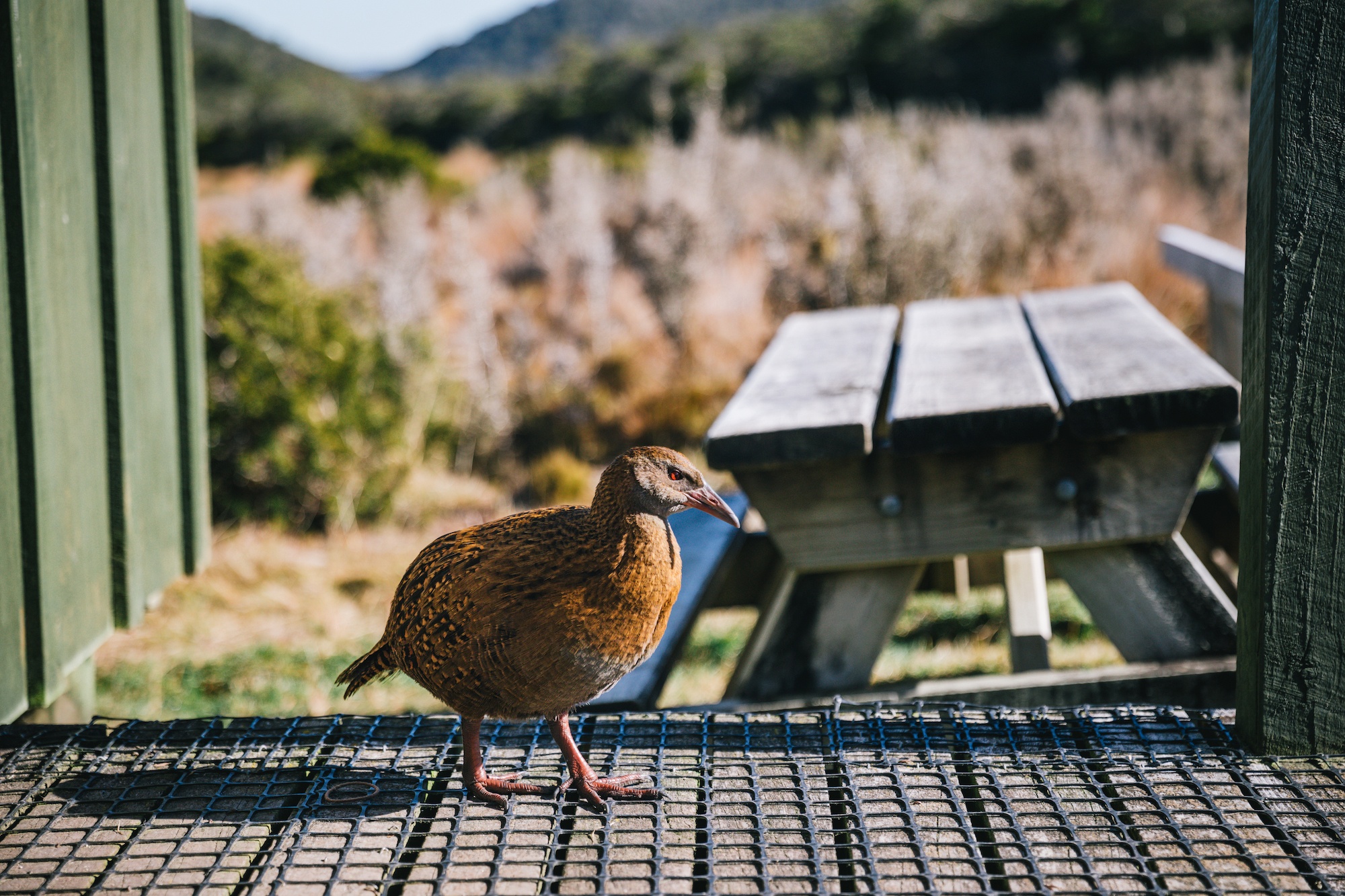
While this boldness is often viewed as "cheeky" or "charismatic" by tourists, it presents challenges for wildlife management. The Department of Conservation strictly prohibits the feeding of weka, as it can lead to dependency, increased risk of road accidents, and aggressive behavior toward humans. The bird’s vocalization is another hallmark of its presence; it produces a loud, repetitive "coo-et" call, often heard at dusk and dawn, as well as a low, guttural chuffing sound when defensive or agitated.

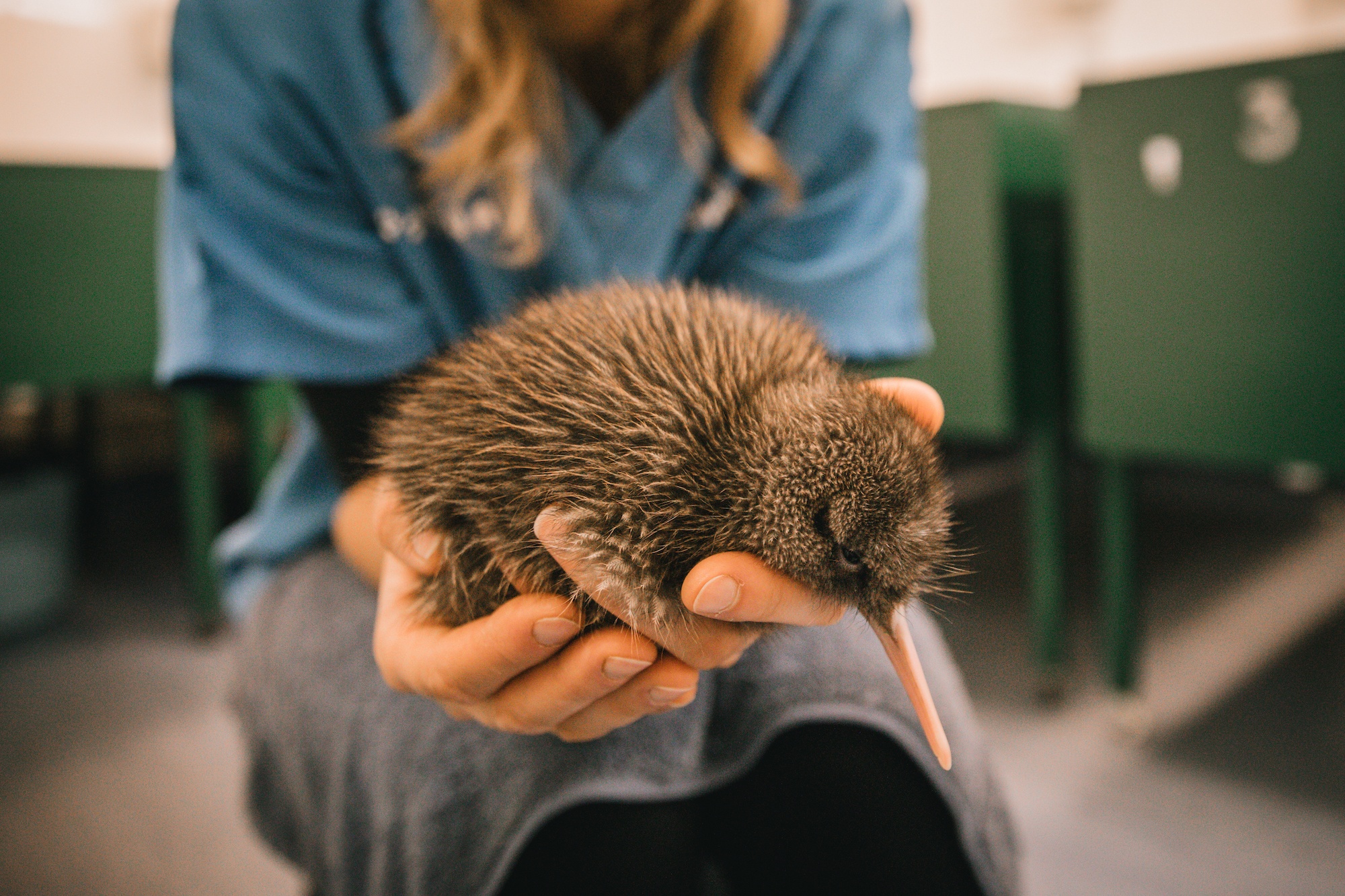
A common phenomenon in New Zealand tourism is the "kiwi confusion." International visitors frequently mistake the weka for the kiwi due to their similar size, brown coloring, and flightless nature. However, the ecological differences are stark: the kiwi is nocturnal, shy, and highly endangered, while the weka is diurnal, bold, and relatively more common in certain regions. Wildlife experts emphasize that while a traveler may encounter a dozen weka in a single afternoon on the West Coast, a wild kiwi sighting remains an exceptionally rare and elusive experience.
The Ecological Paradox: Predator and Prey
The weka’s diet is exceptionally broad, making it a highly successful generalist. It is omnivorous, consuming large quantities of invertebrates, fruits, and seeds. However, it is also an opportunistic predator. Weka are known to hunt lizards, large insects, and small mammals, including rats and mice. This ability to predate on common pests makes them a natural ally in some conservation contexts.
Conversely, the weka’s predatory nature makes it a "double-edged sword" for New Zealand’s biodiversity. Weka are known to raid the nests of other ground-nesting birds, consuming eggs and chicks. They have also been observed preying on endangered lizard species. This has led to a controversial status for the bird: while it is a protected native species, it is often excluded from high-security eco-sanctuaries and predator-free islands where the primary goal is the protection of even more vulnerable fauna, such as the tuatara or rare skinks.

This exclusion has created a "bad boy" reputation for the weka within the conservation community. Unlike the takahē or the kakapo, which require intensive human intervention to survive, the weka is a rugged survivor that "plays for its own team." This resilience is both admired and managed with caution.
Historical Context and Cultural Significance
For Māori, the weka has historically been a significant resource. Known as a "valuable" bird, it was hunted for its meat, which is described as rich and fatty, as well as its oil and feathers. The oil was used for medicinal purposes and for preserving other foods, while the feathers were woven into cloaks. Several iwi (tribes) maintain strong cultural ties to the weka, and in some regions, traditional harvest rights are a subject of ongoing discussion between Māori and the Crown.
Early European settlers also documented the weka extensively. Journals from the 19th century frequently mention the birds’ tendency to enter tents and steal supplies. During the gold rushes and early exploration of the South Island, weka often provided a vital food source for miners and surveyors who were struggling with dwindling rations.

Conservation Status and the Legal Debate
The conservation status of the weka is fluid and varies by subspecies. While the species as a whole is protected under the Wildlife Act 1953, populations are known for "boom and crash" cycles. Factors such as drought, food scarcity, and the prevalence of introduced predators like stoats and ferrets can cause local populations to plummet. Habitat loss due to agriculture and urban development also remains a persistent threat.
The legal status of the weka has been the subject of unique debate in New Zealand. While it is illegal to hunt or eat weka on the mainland, a different set of rules applies to the Chatham Islands. On the Chathams, the Buff Weka is so abundant that it is legally harvested and consumed, a practice that is a point of pride for local residents.
In recent years, a small but vocal movement on the mainland has advocated for the commercial farming of weka. Proponents, such as North Canterbury farmer Roger Beattie, argue that "eating them to save them" could provide a sustainable economic incentive for conservation. Beattie has famously challenged the Department of Conservation, suggesting that farming weka could prevent the population crashes seen in the wild. However, the DOC maintains that the weka is a protected native species and that commercialization would pose significant legal and ethical challenges.
Chronology of Weka Conservation Efforts
- Pre-European Era: Weka are widespread across both the North and South Islands; they are a staple resource for Māori.
- Late 1800s: Introduction of mustelids (stoats, weasels, and ferrets) begins to impact weka populations.
- 1905: Buff Weka are introduced to the Chatham Islands.
- 1920s: Buff Weka become extinct on the New Zealand mainland.
- 1980s-1990s: Severe population declines are noted in the North Island, leading to the establishment of the Weka Recovery Group.
- 1999: The Department of Conservation publishes the first formal Weka Recovery Plan, focusing on habitat protection and community-led conservation.
- 2000s-Present: Reintroduction programs see weka returned to sites like Russell and the Abel Tasman National Park. The species remains a focal point of "citizen science" as hikers and locals report sightings to monitor distribution.
Implications and Future Outlook
The future of the weka is intrinsically tied to New Zealand’s broader environmental strategy. As the country moves toward its 2050 goal of eradicating invasive predators, the weka stands to benefit from reduced competition and predation. However, the bird’s own predatory habits mean that its reintroduction to certain areas must be managed with extreme care to avoid unintended consequences for other native species.
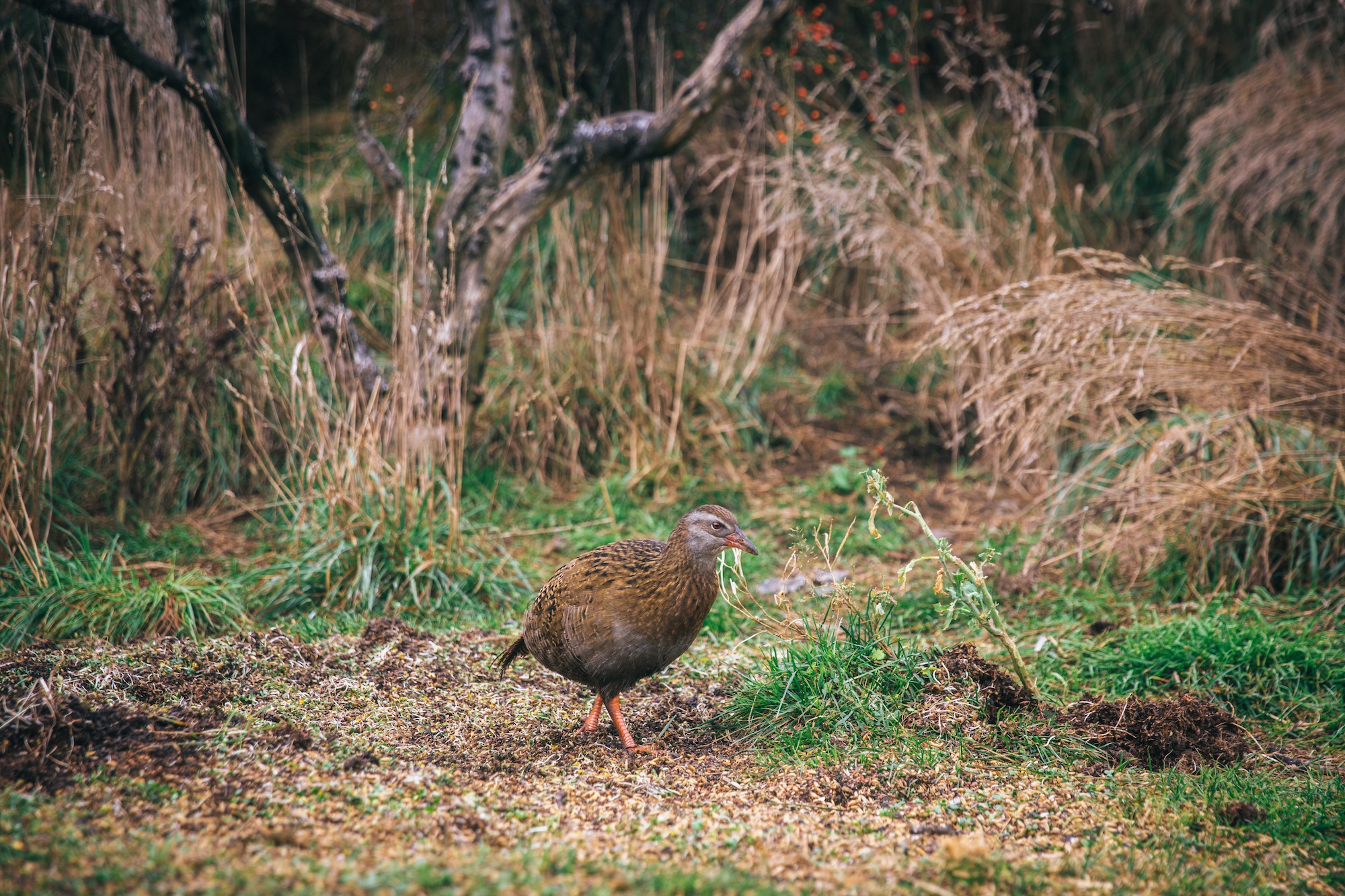
The weka serves as a reminder that conservation is rarely a simple narrative of "good" versus "bad" species. Instead, it is a complex management of ecosystems where even native inhabitants can disrupt the balance. The bird’s ability to survive in the face of environmental upheaval makes it a symbol of New Zealand’s rugged natural heritage.

For the average New Zealander or visitor, the weka remains a constant and visible reminder of the country’s unique evolutionary history. Whether it is encountered as a thief of sandwiches at a forest hut or as a subject of intense scientific debate in a government office, the weka demands attention. It is a bird that refuses to be ignored, walking through the bush with a confidence that suggests it knows exactly where it belongs in the world. As conservation efforts continue to evolve, the weka will undoubtedly remain a central, if occasionally controversial, figure in the story of New Zealand’s wilderness.