Turkey: A Comprehensive Guide to Navigating a Two-Week Family Vacation with Infants and Toddlers

Turkey has rapidly emerged as one of the premier global destinations for family travel, blending profound historical significance with a culture that places a unique, high-value emphasis on the inclusion of children in public life. For families navigating the logistical complexities of international travel with infants and toddlers, the country offers a robust infrastructure that, while requiring careful planning, rewards visitors with a rich tapestry of experiences. A two-week itinerary encompassing the diverse landscapes of Istanbul, the Aegean coast near Izmir, and the geological marvels of Cappadocia provides a holistic view of the nation’s heritage and modern hospitality.

Logistical Framework and Strategic Planning
Entering Turkey with young children necessitates a departure from standard, independent travel patterns, particularly regarding transportation. While Turkey possesses an extensive network of domestic airports—including Sabiha Gökçen International Airport in Istanbul—the primary challenge for traveling parents lies in ground transit. Public infrastructure in dense urban centers like Istanbul is often ill-equipped for bulky strollers, and the sheer volume of traffic makes navigation complex.

Industry experts and seasoned travelers increasingly suggest pre-arranging private transfers. Utilizing services such as Welcome Pickups, which offer pre-booked, English-speaking drivers and the provision of certified child seats, allows families to bypass the volatility of local taxi pricing. In Istanbul, the unpredictability of ride-sharing apps, where drivers may deviate from application-quoted fares, reinforces the necessity of fixed-price, pre-booked logistics. For those venturing into regional areas, such as the Aegean coast, the dynamic shifts; renting a vehicle becomes not only practical but essential for the flexibility required when managing nap schedules and dietary needs. Utilizing portable, FAA-approved, or lightweight, foldable car seats—such as the Wayb Pico—is considered a best practice for families aiming to maintain mobility without the burden of heavy, traditional safety equipment.
Urban Exploration: The Istanbul Experience
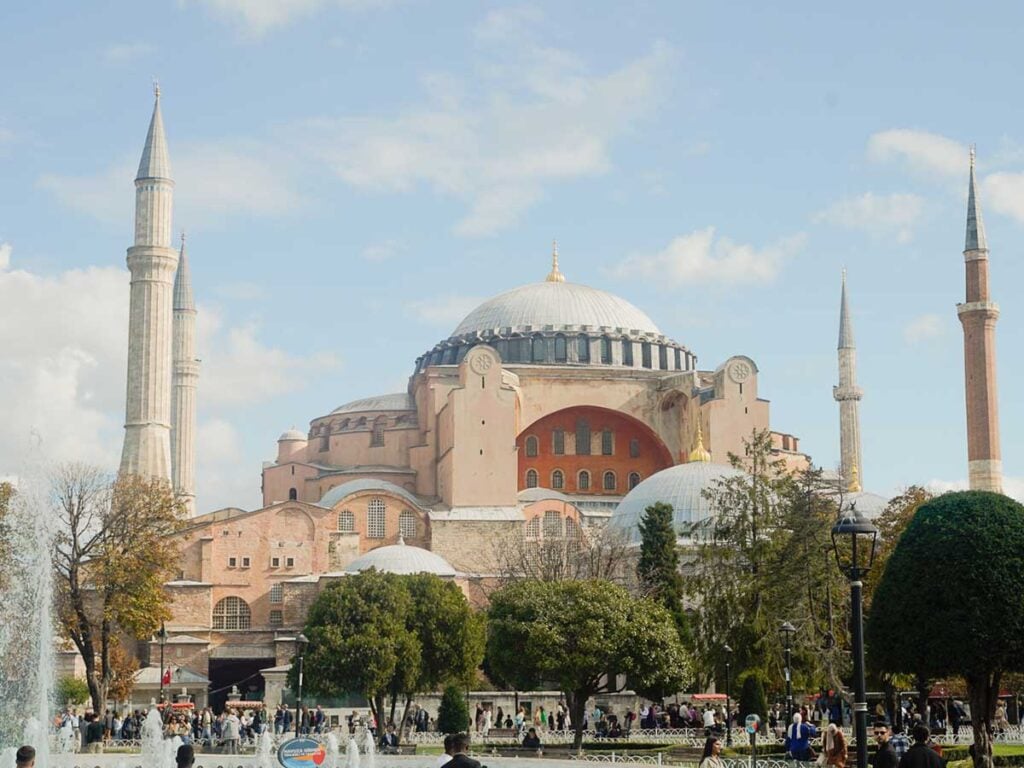
Istanbul serves as the cultural gateway for most international families. The city’s historic core, dominated by landmarks like the Hagia Sophia and the Blue Mosque, requires a strategic approach to avoid peak tourist congestion. The Hagia Sophia, a monument originally constructed in 537 AD, is a site of immense architectural and religious gravity. Visiting during late afternoon hours, particularly after 5:00 PM when cruise ship excursion groups typically depart, can reduce wait times from several hours to mere minutes.

Architectural and cultural sites in Istanbul maintain strict dress codes. Visitors are required to cover their heads and shoulders, a standard that applies to both men and women. For families, this necessitates preparation; carrying a lightweight, personal shawl or scarf is recommended, as reliance on provided facility coverings may not always be available or hygienic. Furthermore, while the city is highly walkable, the prevalence of cobblestone streets and architectural barriers means that a high-quality, ergonomic baby carrier is often more functional than a traditional stroller.

The Aegean Corridor: Izmir and Coastal Respite
Transitioning from the urban intensity of Istanbul to the Aegean coast provides a necessary shift in pace. Izmir, acting as the hub for the western region, offers access to towns like Çeşme and Alaçatı. These locales are characterized by their Mediterranean climate and accessibility to the Aegean Sea. Data regarding regional tourism suggests that the shoulder months of September and October are optimal for families; the waters remain warm, yet the ambient temperature is significantly lower than the extreme heat of the July-August peak, reducing the risk of heat exhaustion in infants.

This region also serves as a gateway to Hierapolis and the Pamukkale travertine terraces. These geological formations, created by calcium carbonate deposits from thermal springs, have been a site of human activity since the Roman era. The archaeological site of Hierapolis, adjacent to the terraces, provides a context for the region’s ancient medical tourism. Cleopatra’s Pool, a thermal basin situated within the ruins, remains a point of interest for visitors, though families must exercise caution regarding water depth and accessibility for small children. The area is a testament to the longevity of Turkey’s status as a center for wellness, a tradition that continues to influence the region’s tourism economy.

Central Anatolia: The Geological Wonder of Cappadocia
The final segment of a comprehensive Turkish itinerary usually involves the Cappadocia region. Known for its "fairy chimneys"—volcanic rock formations sculpted by erosion—the area offers an environment that feels disconnected from the modern world. Staying in cave hotels in towns like Göreme is more than a novelty; it is an immersive experience in traditional Anatolian architecture, where dwellings were historically carved into the soft tuff rock.

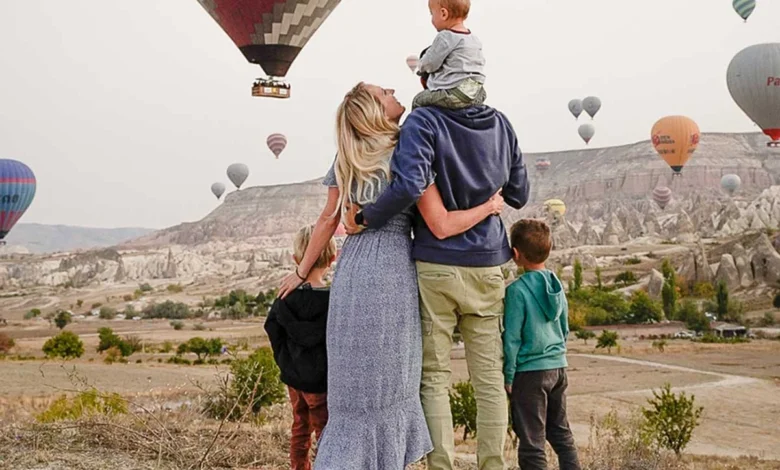
For families, the primary activity in Cappadocia involves the observation of hot air balloons at sunrise. The region is the global epicenter for this activity, with hundreds of balloons ascending daily. While age restrictions generally prevent infants and toddlers from participating in flight, the experience of watching the ascent from the ground is profound. Vantage points identified through digital navigation tools allow families to choose locations away from the primary launch sites, providing a quieter, more intimate experience. The Göreme Open-Air Museum, a UNESCO World Heritage site, complements this experience with its 10th-century rock-cut churches and well-preserved Byzantine frescoes.
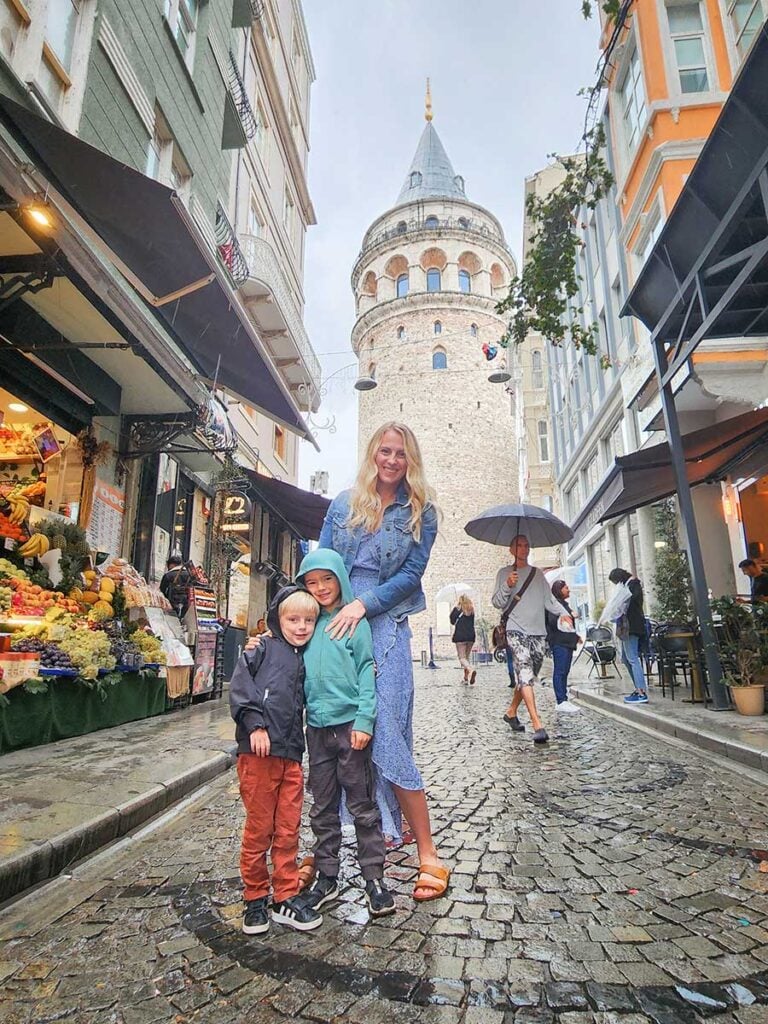
Socio-Cultural Dynamics and Family Hospitality
A significant, albeit often overlooked, aspect of traveling in Turkey is the cultural attitude toward children. Unlike many Western urban centers, where the presence of a crying infant or a boisterous toddler in public spaces may be met with impatience, Turkish culture is deeply collectivist and family-oriented. The frequent use of the phrase "Maşallah" (a term signifying a prayer of gratitude and protection for a child’s health) is a common interaction, reflecting a societal norm that values children as a communal blessing.

This environment provides a safety net for parents; it is not uncommon for shopkeepers, restaurant staff, and even strangers to engage with children, offering small gifts or assistance. In settings like traditional rug galleries or tea houses, the hospitality extends to children, with staff often prioritizing the comfort of the family unit over the protection of merchandise. This societal reception significantly lowers the "travel stress" barrier for parents, allowing for a more relaxed experience in environments that might otherwise be considered intimidating.

Economic and Practical Implications
The decision to embark on a multi-week trip to Turkey requires a baseline budget that accounts for private transfers, mid-to-high-end accommodation to ensure baby-proofing and space, and the costs associated with domestic regional flights. Economically, the current fluctuation of the Turkish Lira can impact travel costs; however, for those earning in foreign currencies, the nation remains a high-value destination.

From an analytical perspective, the rise in "baby-travel" blogs and parental forums—such as the community-driven networks centered around platforms like Baby Can Travel—indicates a broader trend in global tourism: the "young-parent" demographic is increasingly unwilling to pause international travel during the child-rearing years. Turkey’s ability to cater to this market through a combination of historic depth, geographic diversity, and a culture of radical hospitality makes it a case study in effective tourism management.

Conclusion
A two-week tour of Turkey with an infant or toddler is not a vacation of total leisure; it is a logistical operation that demands stamina and careful preparation. However, the combination of Istanbul’s history, the Aegean’s restorative coastal environment, and the surreal geography of Cappadocia creates a multi-sensory experience that is rarely matched. By mitigating logistical challenges through pre-booked transit, choosing appropriate seasons for travel, and leaning into the local culture’s inherent warmth toward children, families can successfully navigate one of the world’s most compelling travel destinations. The lasting memories of such an experience, both for the parents and the children, serve as a validation of the effort required to make such a journey possible.