MGM Dubai resort opening delayed until early 2029 as project hits key construction milestone

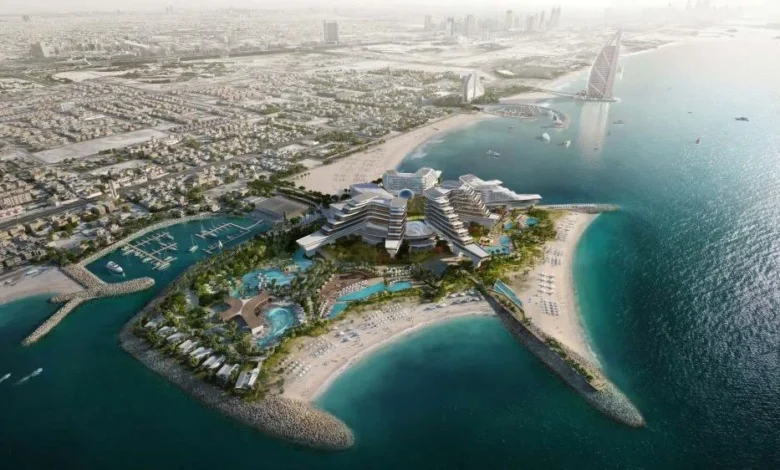
The highly anticipated MGM Resorts integrated resort development in Dubai, often referred to as "The Island," is officially slated to welcome guests in early 2029, a departure from the previously communicated timeline of March 2028. This adjustment marks the latest in a series of shifts for the ambitious project, which aims to redefine the hospitality landscape in the United Arab Emirates. The announcement came as Ari Kastrati, the chief content, hospitality, and development officer for MGM Resorts, joined representatives from the Dubai-based developer Wasl to celebrate the structural topping-out ceremony—a symbolic milestone signifying that the primary frame of the massive development has been completed.
Despite the celebratory nature of the topping-out event, the one-year delay has drawn attention to the complexities inherent in delivering a project of this magnitude within the rapidly evolving Dubai real estate sector. While the official statement from MGM and Wasl emphasized the momentum behind the construction process, it remained silent on the specific logistical, supply chain, or architectural factors that necessitated the revised 2029 opening window.
A Chronology of Project Development
The journey toward bringing an MGM-branded destination to Dubai has been characterized by grand ambitions and iterative planning. The project, situated on a prime man-made island off the coast of the Jumeirah district, was conceived to integrate high-end hospitality, leisure, and entertainment facilities.
The timeline of the development has seen several adjustments over the past two years:
- Initial Conceptualization: MGM Resorts began exploring opportunities for a footprint in the Middle East, identifying Dubai as a strategic hub for its luxury brand expansion.
- Early 2023 Planning: The project gained significant public visibility as designs for the resort were unveiled, highlighting a sprawling site intended to house luxury hotels, extensive dining options, and significant entertainment venues.
- February 2024 Guidance: CEO Bill Hornbuckle provided investors with a formal update, signaling that the resort was tracking toward a grand opening in March 2028.
- Late 2024 Milestone: The structural topping-out was finalized, marking the completion of the main building shells.
- Current Revision: The opening target has been moved to early 2029, representing a cumulative delay of approximately 18 months relative to the original internal timelines projected during the initial planning phases.
The Significance of The Island Project
The MGM development is not merely another luxury hotel; it is a critical component of Dubai’s broader vision to diversify its tourism economy. The project is situated on a 10.5-hectare plot of land that was once envisioned for a variety of residential and commercial uses. By partnering with Wasl, MGM is embedding itself into a local ecosystem that prioritizes large-scale, "destination" tourism.
The resort is expected to encompass several thousand keys across multiple hotel brands, including the MGM Grand and Bellagio, alongside a variety of high-end culinary experiences. Unlike the traditional integrated resorts seen in Las Vegas, the Dubai iteration is being carefully curated to comply with local cultural nuances while maintaining the signature high-energy entertainment profile for which MGM is known globally.
Market Context and Strategic Implications
The delay of a project of this scale is not uncommon in the luxury hospitality sector, particularly in the Middle East, where developers often prioritize structural integrity and aesthetic perfection over rigid adherence to initial timelines. However, the move carries broader implications for the Dubai tourism market.
Dubai has been aggressively expanding its hotel room inventory to accommodate a target of 25 million annual visitors by 2030. The MGM property is expected to be a cornerstone of this effort. A delay of one year necessitates a recalibration of local tourism forecasts, as the property was expected to serve as a high-capacity driver for both international business travelers and luxury leisure tourists.
From an investor perspective, the delay is being viewed with cautious observation. MGM Resorts has successfully navigated complex regulatory environments in both the United States and international markets like Macau. The partnership with Wasl provides a layer of local expertise that mitigates some of the risks, but the shift in the timeline suggests that the developers are encountering challenges typical of mega-projects, such as labor availability, specialized material sourcing, and the integration of advanced smart-building technologies.
Official Statements and Project Momentum
During the topping-out ceremony, the tone remained decidedly optimistic. Ari Kastrati noted that the completion of the main structure represents a vital threshold in the life of the project. "We are committed to keeping this momentum going as we head toward our early 2029 opening," Kastrati said.
Wasl, the local developer, has echoed this sentiment, framing the project as a testament to Dubai’s resilience and its ability to execute world-class infrastructure. By moving from the structural phase to the interior fit-out and systems integration phase, the project now enters a period that is arguably more complex, as it involves the installation of sophisticated life-safety systems, high-end finishing, and digital connectivity infrastructure that will define the guest experience.
Analyzing the Delay: Causes and Consequences
While the official announcement did not elaborate on the reasons for the delay, industry analysts point to several factors that commonly affect construction timelines in the region:
- Complexity of Design: The architectural requirements for a resort situated on an island demand unique engineering solutions, particularly concerning marine-grade materials and structural foundations designed to withstand the harsh coastal climate.
- Supply Chain Pressures: The global procurement of high-end finishes, custom-designed furniture, and specialized AV equipment for a resort of this scale can often lead to bottlenecks, particularly when dealing with bespoke items that define the luxury guest experience.
- Labor and Skill Density: The construction of high-end resorts requires specialized craftsmanship. Coordinating the influx of thousands of workers across various trades—from luxury interior designers to mechanical engineers—requires precise scheduling that is often subject to ripple effects if any single phase encounters a minor snag.
Despite these hurdles, the economic impact of the project remains significant. Once operational, the MGM resort is expected to create thousands of jobs, ranging from hospitality management to specialized entertainment roles. It is also expected to act as an anchor for the surrounding Jumeirah area, increasing foot traffic and driving demand for nearby retail and commercial space.
Looking Ahead: The Path to 2029
The transition from a structural "shell" to a fully operational resort is a monumental undertaking. The coming 48 months will be focused on the "fit-out" stage. This involves the installation of internal partition walls, the layering of luxury materials, the deployment of information technology systems, and the landscaping of the surrounding grounds.
For MGM Resorts, the successful delivery of this project is a critical component of their global growth strategy. As the company continues to diversify its revenue streams, the Dubai property represents a significant opportunity to capture the high-spending demographic of the Middle East and the growing flow of international travelers transiting through Dubai International Airport.
Market observers will be looking for further updates as the project enters the final stages of completion. If the 2029 target remains firm, it will coincide with a period of high maturity for Dubai’s hospitality sector, potentially placing the MGM resort in a prime position to benefit from established tourism infrastructure and sustained demand.
In the final analysis, while the one-year delay may represent a short-term disappointment for stakeholders anticipating a sooner launch, the structural topping-out serves as a tangible indicator that the project is firmly on track. The focus now shifts from the macro-engineering of the building’s frame to the micro-engineering of the guest experience, as MGM and Wasl move to finalize one of the most significant hospitality investments in the history of the UAE. The industry will continue to monitor the progress of the site, as its completion remains a litmus test for the sustainability of large-scale, branded integrated resorts in a post-pandemic, globalized tourism economy.