Unveiling the Past: How Prishtina’s Reporting House Museum Preserves the Journalism and Human Cost of the 1999 Kosovo War

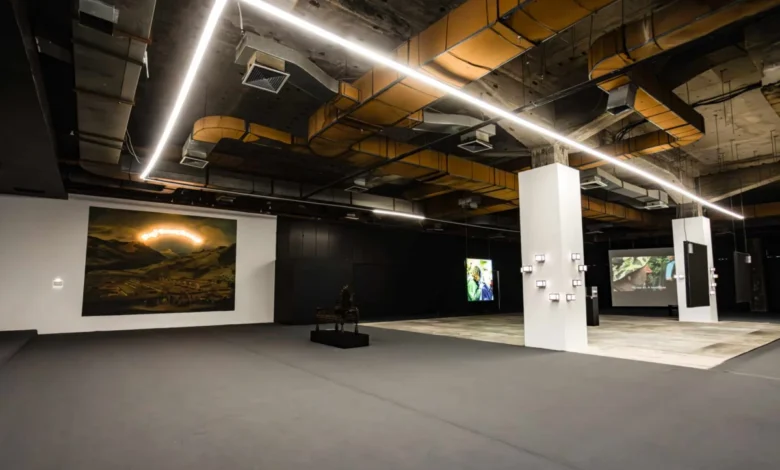
Nearly twenty-seven years have passed since the skies above Kosovo filled with the roar of NATO fighter aircraft and the streets of its capital flooded with tens of thousands of returning refugees. In June 1999, the territory emerged from a devastating conflict that redrew the geopolitical map of the Balkans. For journalist Christian Jennings, who arrived in Prishtina during that volatile summer as a British correspondent, the landscape was defined by chaos, makeshift camps, and an international peacekeeping presence spanning thirty nations. Decades later, that turbulent chapter has found a permanent and striking home in the heart of the city.
Located on Mother Teresa Avenue, adjacent to the prominent equestrian statue of Albanian national hero Skanderbeg, the Reporting House has rapidly emerged as a vital cultural and historical institution. Set within the industrial, stripped-back shell of a
former Yugoslav-era department store, the museum has drawn approximately 30,000 visitors in the two years since its opening. By blending raw historical artifacts with contemporary art installations, the museum offers a profound look at the mechanics of modern war reporting, the resilience of local populations, and the heavy toll exacted on combatants and civilians alike.
The Power of the Pen and the Lens: A Historical Turning Point
The Kosovo War, which escalated sharply throughout 1998 and culminated in the 78-day NATO bombing campaign in the spring of 1999, represented a critical juncture for international broadcast journalism. As ethnic Albanian civilians faced widespread displacement and systematic violence by Serbian security forces, international reporters operated under extreme duress to document the humanitarian catastrophe unfolding in real time.

The Reporting House captures this high-stakes environment through an expansive collection that includes roughly 500 photographs, 150 television reports, and mixed-media installations. Among the most striking items on permanent display is an old Sony mobile phone that stopped a high-velocity rifle bullet. Recovered from the belt-bag of a BBC television cameraman who came under fire while documenting Serbian troop movements in 1998, the battered device is widely credited with saving his life. The footage captured by media personnel during this period played a pivotal role in shaping global public opinion, directly influencing the diplomatic consensus that triggered NATO’s military intervention.
Beyond broadcast equipment, the museum exhibits tangible relics of the conflict’s unforgiving physical environment. Visitors are greeted at the entrance by an imposing installation constructed from scarred timbers salvaged from houses burned during the war. Inside, an original, battle-scarred Land Rover Defender—dented and worn from years of navigating hostile terrain on assignment—stands as a testament to the logistical hazards faced by correspondents working on the front lines.
Personal Narratives and Regional Artistry
While the institutional role of the media forms the backbone of the exhibition, the Reporting House places an equal emphasis on the deeply personal stories of those who lived and fought through the conflict. The galleries feature heart-gripping testimonies that humanize the geopolitical struggles of the late 1990s.
Among the most poignant displays are the preserved love letters exchanged between Fehmi and Xheve Lladrovci, two prominent commanders within the Kosovo Liberation Army (KLA). The couple endured years of clandestine resistance, hiding in the mountainous terrain, fighting side-by-side, and ultimately perishing together in a fierce firefight against Serbian forces in September 1998. By juxtaposing such intimate human documents with macro-level political histories, the museum challenges visitors to reflect on the individual sacrifices that underpin national narratives.
The curatorial vision extends beyond local borders, incorporating works and installations by contemporary artists from regions as geographically and culturally diverse as Mozambique and the wider Balkans. This international perspective contextualizes the Kosovo conflict within a global framework of post-conflict recovery, displacement, and transitional justice.

Expanding the Archive: The Launch of Exodus ’99
Building on the success of its flagship location on Mother Teresa Avenue, the institution recently expanded its footprint to the Prishtina Train Station, establishing a second site dedicated to the mass displacement of civilians. Titled Exodus ’99, the satellite museum is housed inside an authentic railway wagon that was utilized during the war to transport refugees across borders.
A dedicated gallery adjacent to the railway car displays personal artifacts, oral histories, and photographs chronicling the harrowing journeys of families fleeing the violence. Together, the Reporting House and Exodus ’99 form a comprehensive dual-site institution that addresses both the dissemination of wartime information and the profound human displacement that characterized the spring of 1999.
Broader Implications and Cultural Impact
The establishment of independent documentation centers like the Reporting House holds significant implications for Kosovo’s ongoing process of societal reconciliation, historical memory, and international tourism. Two decades after declaring independence in 2008, Kosovo continues to navigate the complex legacy of its past while seeking to integrate further into the European and global community.
Cultural institutions that prioritize transparency, archival preservation, and inclusive storytelling play a vital role in educating younger generations who did not experience the war firsthand. By offering free admission for all visitors, the museum ensures unhindered access to historical records, encouraging public engagement and open dialogue about the realities of conflict.
As international interest in Balkan history and heritage tourism grows, venues like the Reporting House transform Prishtina from a city defined primarily by its post-conflict reconstruction into a vibrant hub for contemporary art and historical reflection. Through its innovative use of industrial spaces and its unflinching presentation of documentary evidence, the museum demonstrates how historical memory can be preserved not merely as a static archive, but as a living dialogue on peace, resilience, and the enduring power of truth.

Visitor Information
Reporting House
- Location: Mother Teresa Avenue, Prishtina (near the Skanderbeg Statue)
- Hours: Tuesday to Sunday, 10:00–18:00 (Closed Mondays)
- Admission: Free of charge
Exodus ’99
- Location: Prishtina Train Station
- Hours: Tuesday to Sunday, 12:00–18:00 (Closed Mondays)
- Contact: +383 48 831 998
- Social Media: Instagram (@reportinghouse), Facebook (Reporting House)