The Rise of Canine Fine Dining: How Michelin-Starred Chefs Are Redefining Pet Nutrition

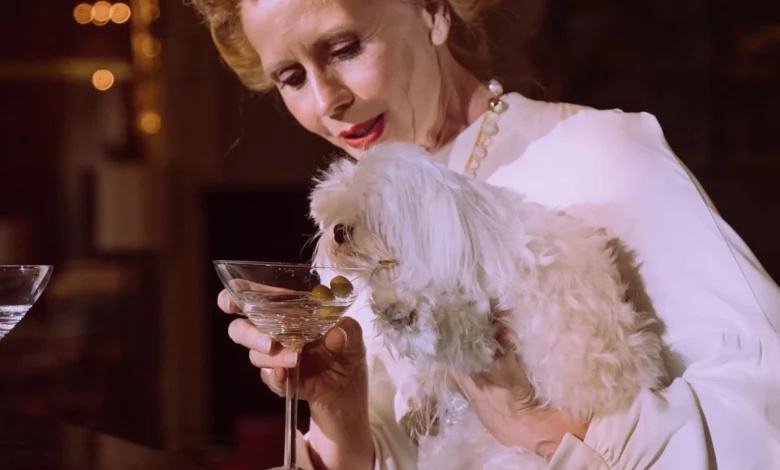
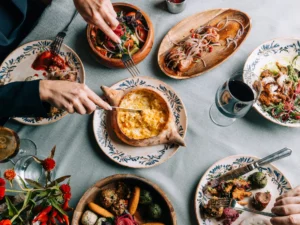
For dinner tonight, a Michelin-starred chef has prepared a starter of émincé de volaille with rice and rapeseed flowers, followed by a main of grass-fed beef and venison, pumpkin, and microgreens topped with bone broth, and a pastry tarte made with bonito flakes, wild cod liver, and organic spirulina to finish. This menu, while sounding like the hallmark of a high-end gastronomic establishment in Paris or Tokyo, is designed specifically for a demographic that eats from a bowl on the floor: the domestic dog.
Across the globe, a burgeoning movement of elite culinary professionals is migrating from human fine dining to the world of pet nutrition. This shift is not merely a whimsical pursuit of novelty but a calculated response to a changing pet economy, where the "fur baby" has become a central figure in the modern household.
The Evolution of the Pet Economy
The professionalization of pet cuisine is a direct byproduct of a demographic and economic shift. According to recent market analysis, the pet industry has proven remarkably recession-proof, experiencing unprecedented growth even as discretionary spending in other sectors has tightened. In 2023, data from major global retailers indicated that the sales of premium pet accessories—including strollers, high-end apparel, and gourmet food products—have eclipsed traditional indicators of luxury spending.
Dion Chang, founder of the trend analysis firm Flux Trends and author of A Pawful Life, attributes this phenomenon to a fundamental change in the family structure. "There is a ‘child-free’ movement gaining momentum among younger generations," Chang explains. "As individuals choose to delay or forgo parenthood, their capacity for care and their financial resources are increasingly directed toward their pets. These animals are no longer viewed as property; they are treated as integral family members, deserving of the same quality of life as their owners."
From Le Cordon Bleu to the Dog Bowl
The transition of high-level chefs into the canine space began with a realization of inadequacy. Rahmi Massarweh, a graduate of Le Cordon Bleu and a veteran of San Francisco’s professional kitchens, founded Dogue as a direct challenge to the processed, mass-produced pet food industry.
Massarweh’s approach is rooted in the same philosophy that governs a Michelin-starred restaurant: seasonality, sourcing, and technique. "My background in food and the processes of cooking are a part of my history," Massarweh says. "I apply those professional methods to the menu. It is a feast for the human’s eyes and a full belly for their companion." His reservation-only tasting events in San Francisco serve as a flagship for this movement, treating canine nutrition as a culinary discipline rather than an industrial one.
Similarly, Joseph Ruby, who cut his teeth at L’Atelier de Joël Robuchon and the three-Michelin-starred Odette in Singapore, found his inspiration through personal experience. After adopting his husky, Loki, Ruby became disillusioned with the lack of transparency in the American pet food market. "I knew everything in America was processed," Ruby notes. "Nothing on the market was up to my standards."
This frustration led to the birth of The Wolfery, a company that applies the transparency of the farm-to-table movement to canine nutrition. Ruby’s model emphasizes ethical sourcing, allowing owners to trace the origin of every protein and vegetable. His ambition extends beyond the kitchen, as he integrates technology into the dining experience. By developing an app that monitors a dog’s daily caloric expenditure, sleep patterns, and physical activity, Ruby aims to customize portion sizes based on real-time data, pushing the industry toward a personalized health model that mirrors human wellness trends.
A Global Gastronomic Trend
The phenomenon is not confined to the United States. In Europe, where the culinary arts hold deep cultural significance, chefs are increasingly catering to four-legged diners. Last month, legendary French chef Thierry Marx, a master of molecular gastronomy with seven Michelin stars to his name, hosted a candlelit gala at Paris’s Carnavalet Museum specifically for 40 canine guests.
In Lyon, the historical epicenter of French gastronomy, the restaurant Dogstronomy has solidified the trend. Their menu features items like whiting with Camargue rice, courgettes, and carrots, finished with organic flowers. The emergence of such establishments suggests that the integration of pets into luxury hospitality is moving from an eccentric outlier to an expected standard in major urban centers.
Implications for Luxury Hospitality
The luxury industry has been quick to recognize the economic potential of this demographic shift. Beyond food, high-end hospitality brands are curating experiences that cater to the pet-owner pair. This includes pet-centric private aviation, where flight crews are trained in animal welfare, and wellness retreats offering synchronized spa treatments, such as massages and Reiki for both the owner and their companion.
"The hospitality sector is moving beyond simply allowing dogs through the door," says Chang. "They are creating environments where the pet is a guest of honor, rather than a tolerated visitor."
The Science and Ethics of Canine Nutrition
Despite the sophisticated presentation of these meals, experts caution that the bridge between human fine dining and canine physiology must be built on a foundation of veterinary science. Culinary credentials do not automatically equate to nutritional expertise. Dogs have distinct dietary requirements, and the aesthetics of a "pastry tarte" or a "bone broth reduction" must be secondary to the balanced nutritional profile required for the animal’s long-term health.
Veterinarians emphasize that while fresh, whole-food diets are often superior to highly processed kibble, owners must consult with animal nutritionists to ensure that ingredients are not only safe but also correctly proportioned. There is a delicate balance to be maintained: as the trend of humanizing pets accelerates, there is a risk of losing sight of the animal’s biological needs.
An animal behaviorist interviewed by Chang for A Pawful Life noted that the "anthropomorphism of the dog" can, in some cases, become detrimental. If a dog is treated too strictly like a child, there is a danger of suppressing its natural instincts and behaviors. The challenge for these pioneering chefs is to provide the highest standard of nutrition without imposing a human social structure that may conflict with the animal’s natural well-being.
Future Outlook
The entry of Michelin-caliber talent into the pet space signals a permanent shift in the market. As the boundary between human and pet care continues to blur, the demand for transparency, quality, and experiential dining for pets is likely to persist.
For chefs like Ruby and Massarweh, the motivation is ultimately emotional. As Massarweh observes, the act of preparing a gourmet meal for a pet is an extension of the same human desire to provide the best for those we love. "We love our dogs," he says, "and we want them to know it."
As this sector matures, it will likely see increased regulation and integration with veterinary health data. While the initial wave of canine fine dining may have been sparked by a search for novelty, the industry is settling into a phase of serious development, where longevity, health, and deep affection serve as the primary pillars of the business model. For the owners of the future, the question of what to feed their dog will no longer be a matter of picking a bag from a shelf, but rather an active, informed, and deeply personal choice—much like their own dining habits.
The convergence of culinary excellence, advanced data monitoring, and the evolving emotional role of the pet in society suggests that this niche is poised for sustained growth. Whether through high-tech activity trackers or seasonal tasting menus, the focus on canine well-being is evolving from a luxury to a lifestyle, reflecting a society that, increasingly, finds its greatest fulfillment in the health and happiness of its animal companions.