Navigating Global Travel in the Post-Pandemic Era: A Comprehensive Guide to Risk Mitigation and Responsible Exploration

The global landscape of tourism underwent a seismic shift in 2020, forcing a complete reassessment of how individuals approach international travel. As borders fluctuated and health protocols became a complex tapestry of national and regional mandates, the fundamental approach to vacation planning evolved from a focus on leisure to a rigorous process of risk assessment and logistical contingency planning. This transition has required travelers to adopt a mindset of extreme flexibility, prioritizing the health of local communities as much as their own personal safety.
The Evolution of Travel Logistics: From Spontaneity to Strategy
Historically, travel planning often prioritized cost and convenience. In the wake of the COVID-19 pandemic, the criteria expanded to include epidemiological data, vaccination requirements, and the robustness of local healthcare infrastructure. Data from the World Tourism Organization (UNWTO) indicated that by late 2020, over 90% of global destinations had imposed some form of travel restriction. This environment necessitated a new "Mindful Traveler" framework, where the objective is to minimize the transmission of pathogens while ensuring that the economic benefits of tourism reach local, small-scale operators.

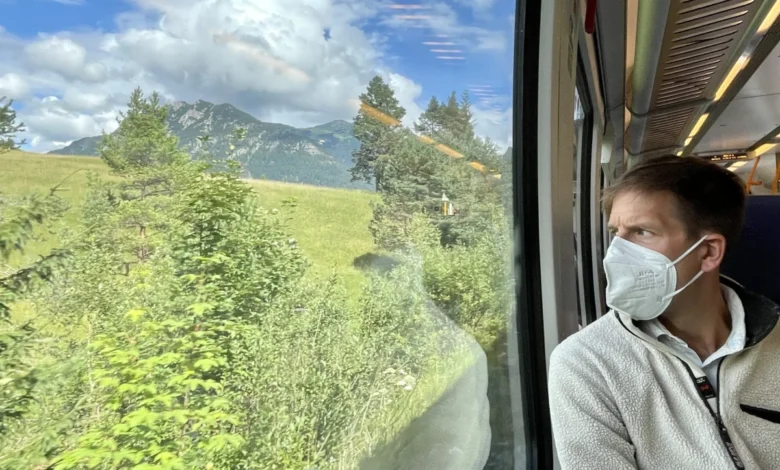
The shift toward deliberate travel is best exemplified by the experience of independent travelers who, rather than cancelling plans entirely, chose to adapt their itineraries to prioritize low-density environments. This approach involves selecting destinations with high vaccination rates and low community transmission, coupled with a reliance on private transit options, such as rental vehicles, to circumvent the risks associated with crowded public transportation hubs.
Chronology of Shifting Border Policies
The timeline of travel during this period can be categorized into three distinct phases. The initial phase (early 2020) was defined by total lockdowns and the suspension of international movement. The second phase (2021) saw the emergence of the "Green Pass" and digital health certifications, allowing for a cautious reopening of borders based on immunization status. The third phase, extending into 2022 and beyond, has been characterized by the normalization of endemic management, where travelers are expected to navigate country-specific testing requirements and health declarations as a standard administrative procedure.
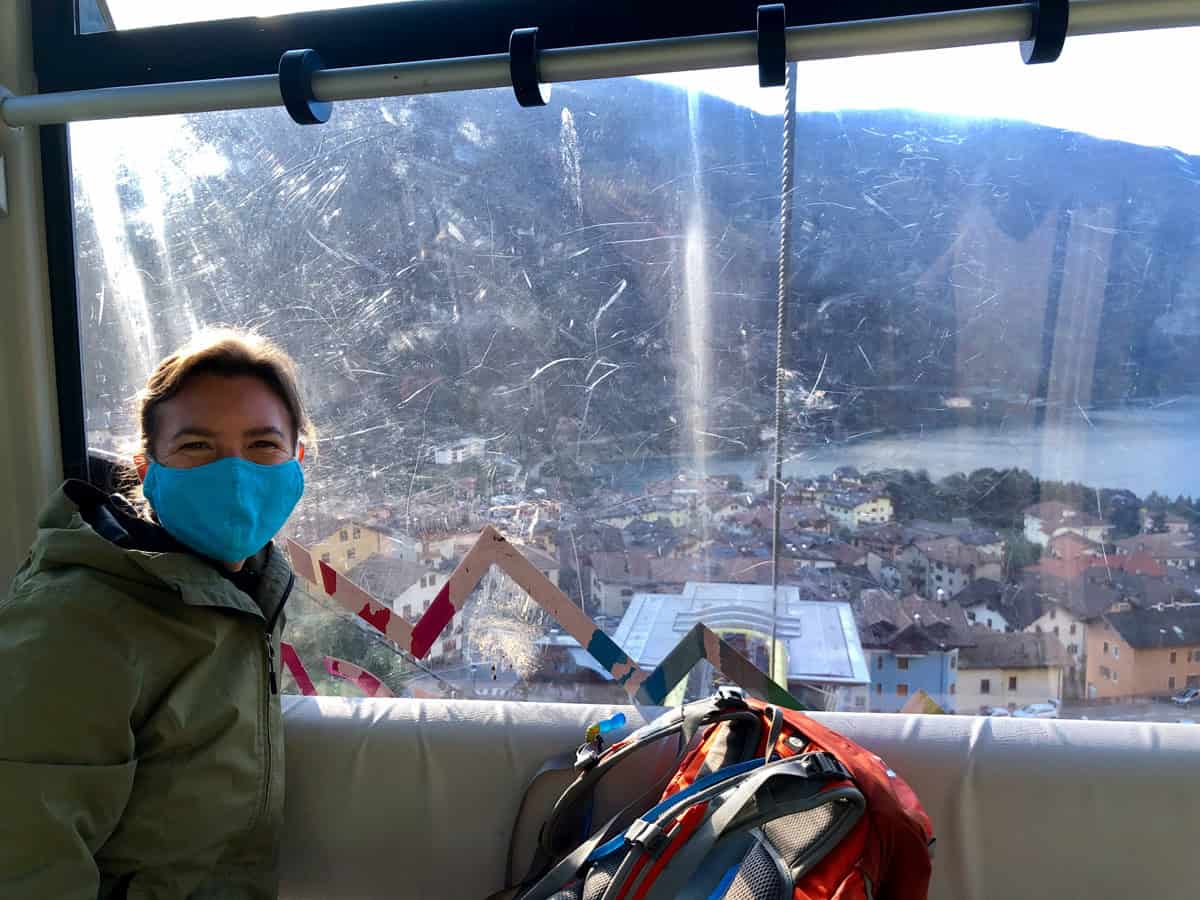
For many travelers, this period required constant monitoring of government portals. For instance, the transition from strict quarantine mandates to testing-based entry requirements meant that a trip planned months in advance could be rendered impossible by a policy change occurring mere days before departure. This volatility underscored the necessity of booking flexible, refundable accommodation and transit—a shift that has forced travel service providers to adopt more lenient consumer-friendly cancellation policies.

Data-Driven Risk Assessment
Modern travel planning now necessitates a data-driven approach. Public health agencies, including the Centers for Disease Control and Prevention (CDC) and the European Centre for Disease Prevention and Control (ECDC), provide real-time updates on transmission levels, often categorized by color-coded risk maps. Travelers are now encouraged to consult these resources to determine the viability of a destination.
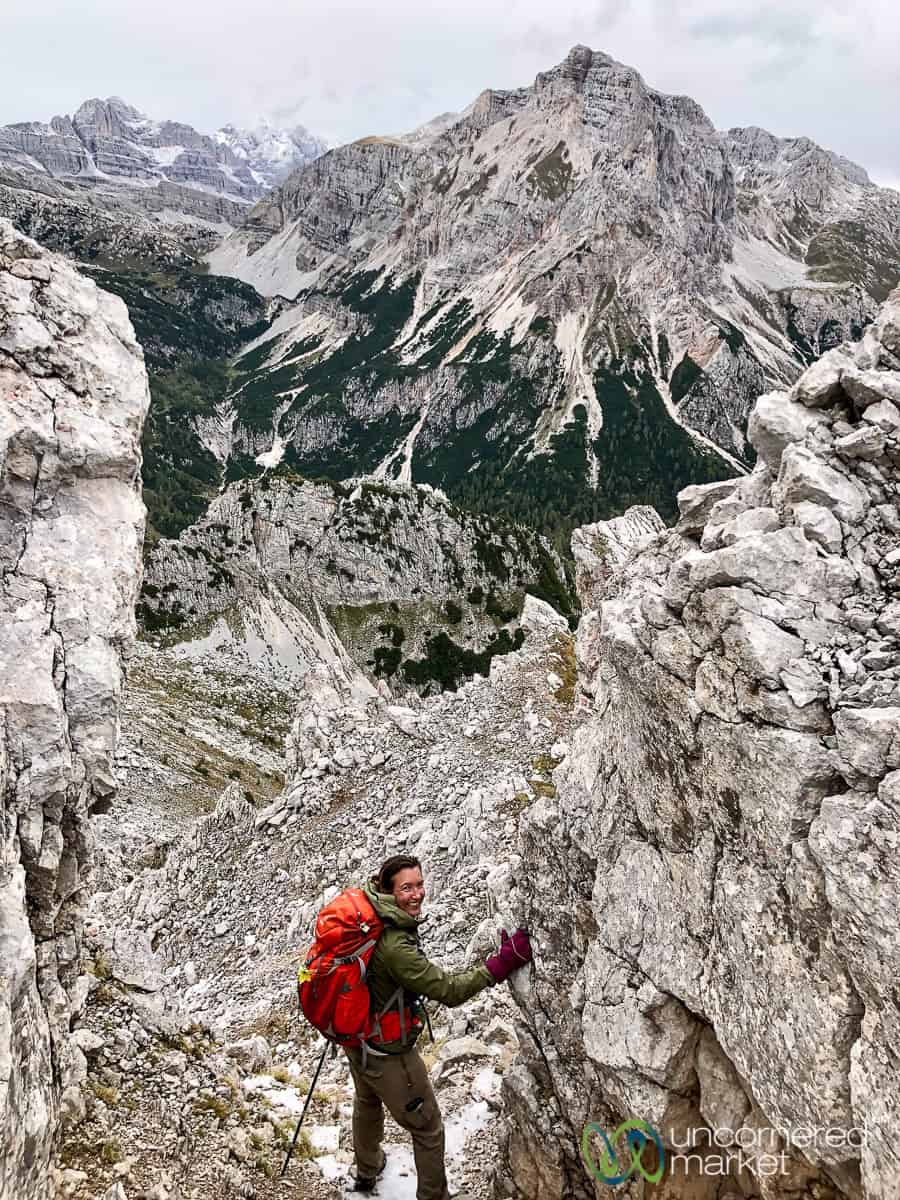
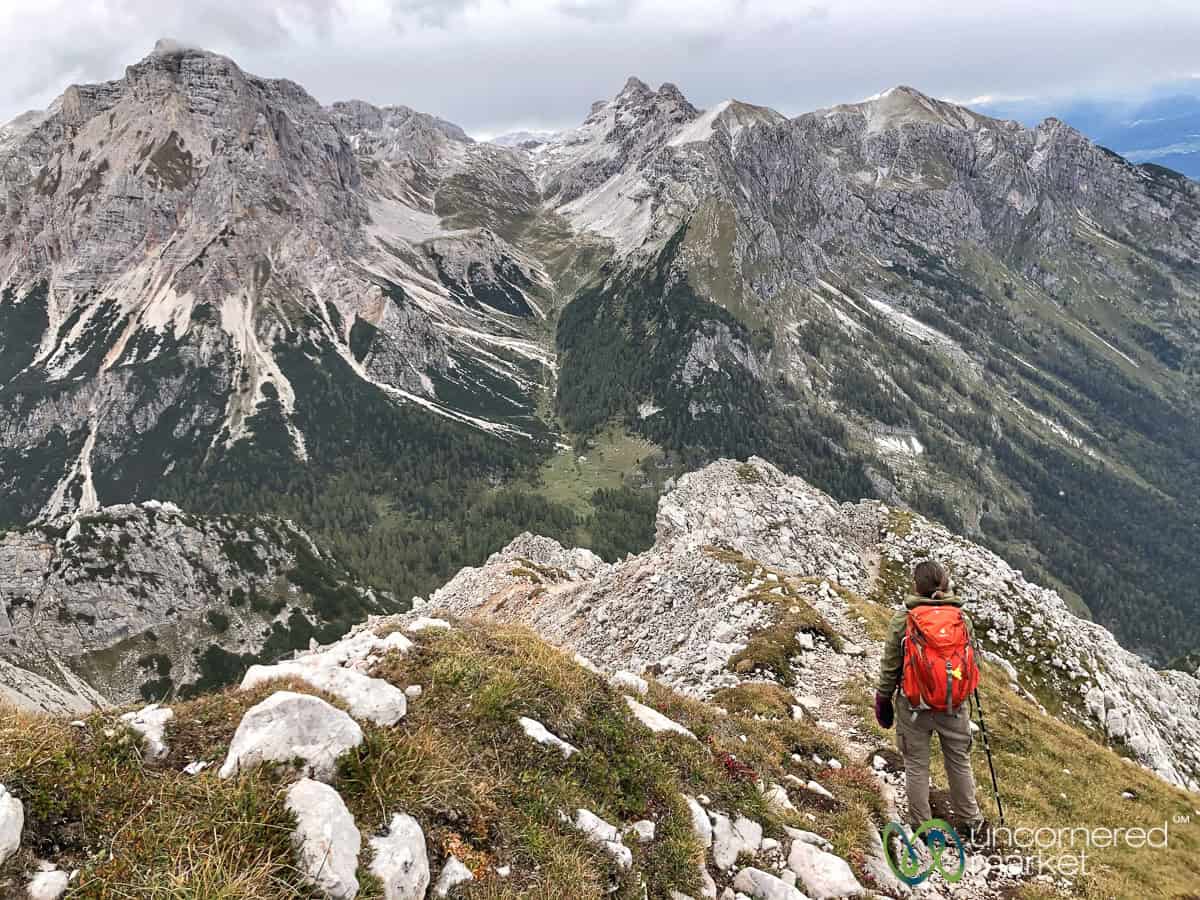
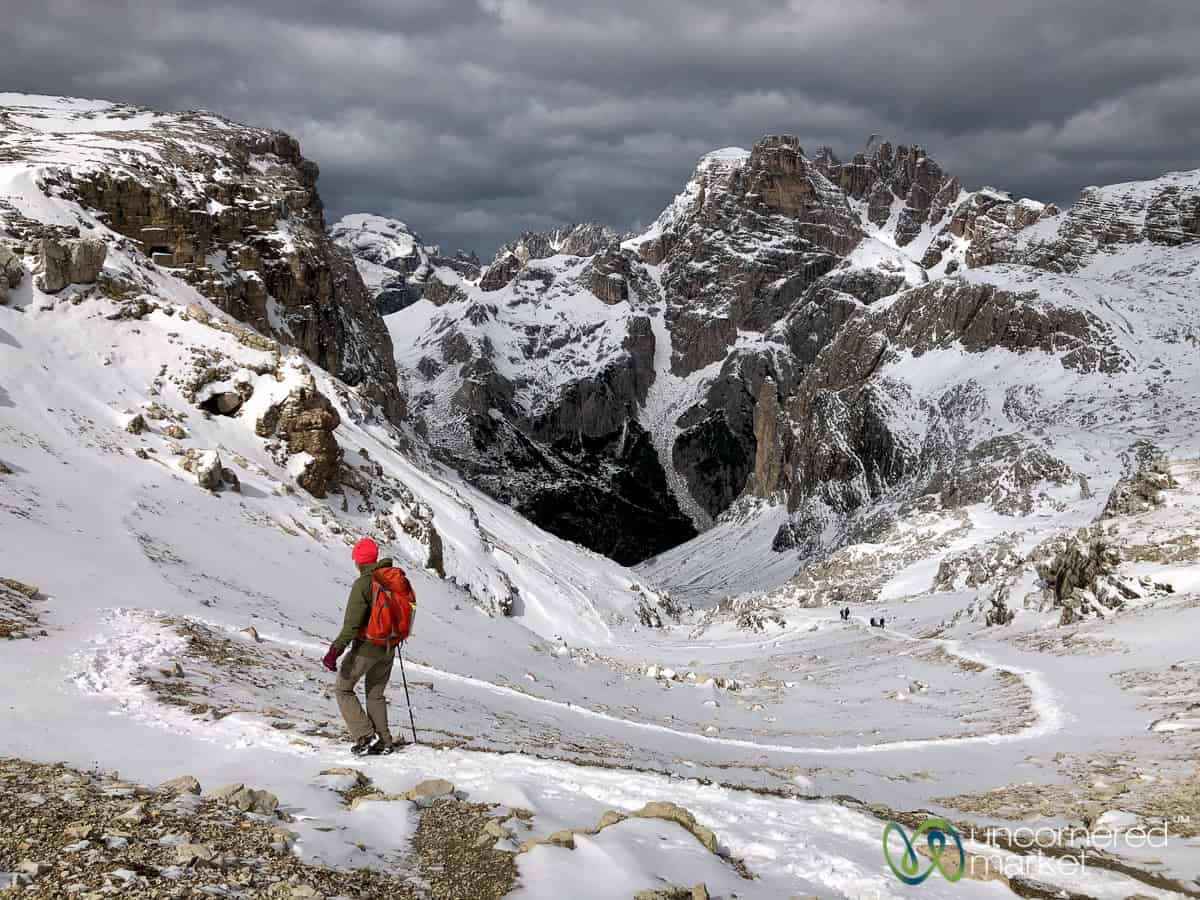
Supporting data suggests that outdoor activities, such as hiking and cycling, present significantly lower transmission risks than indoor activities in enclosed spaces. In regions like the Italian Dolomites or the Bavarian Alps, the surge in tourism to remote, outdoor-focused areas highlighted a broader trend: travelers are increasingly seeking out secondary cities and rural locations to avoid the density of major metropolitan hubs. This trend has had the secondary effect of revitalizing local economies that were historically overshadowed by major tourist centers.

The Role of Responsible Tourism and Local Impact
A critical aspect of the current travel paradigm is the economic implication of where one spends their money. Large, international hotel chains often have the capital to withstand prolonged periods of inactivity, whereas family-owned B&Bs and local artisanal shops do not. By booking directly with local providers, travelers ensure that a higher percentage of their expenditure remains within the host community.
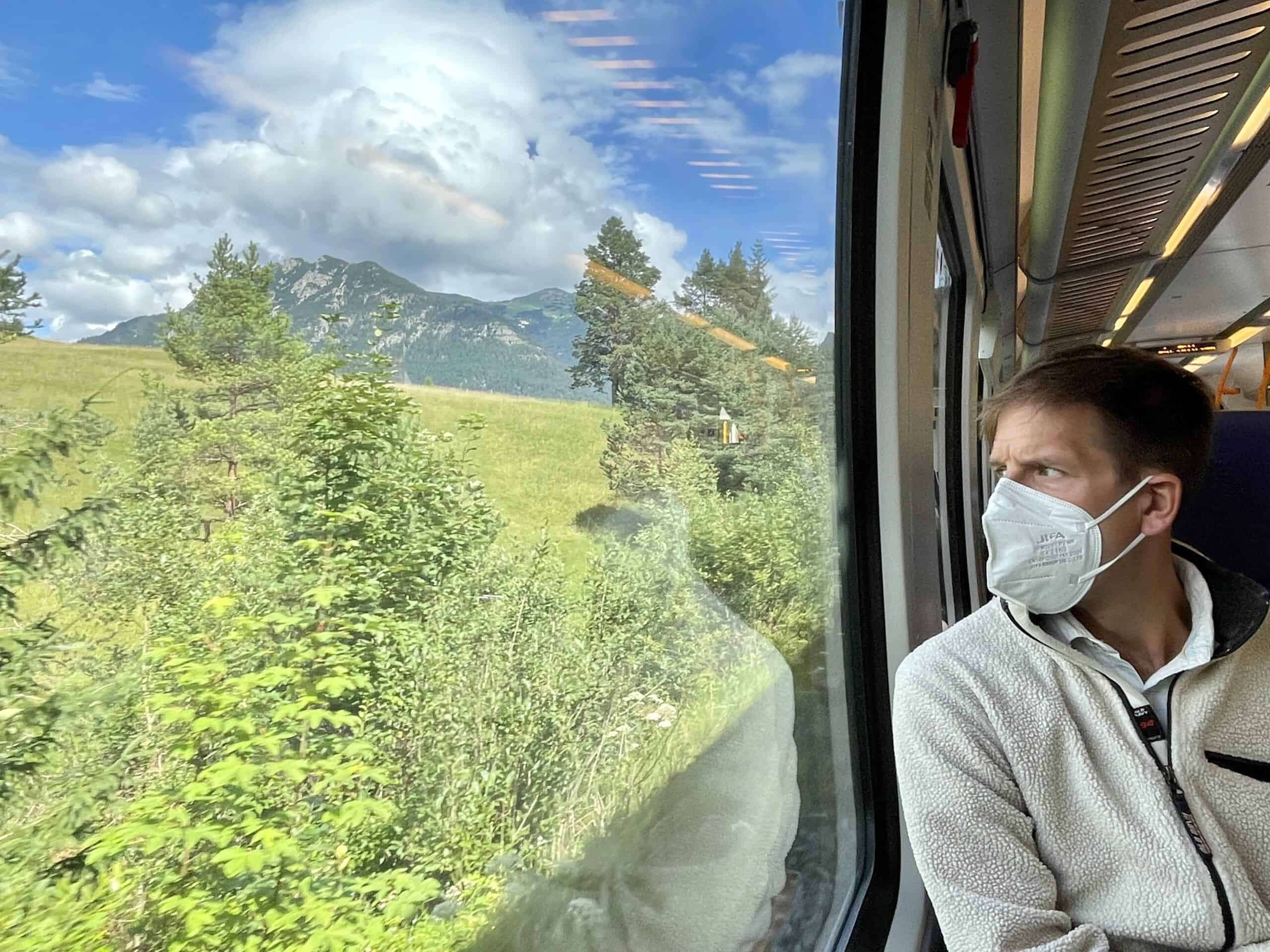
Beyond economics, there is a social dimension to responsible travel. Compliance with local mandates—whether it is the wearing of high-quality respirators (such as N95 or FFP2 masks) in public transit or respecting local social distancing norms—is a matter of public health ethics. Official responses from tourism boards in heavily visited regions, such as Portugal, France, and Greece, have emphasized that the cooperation of international visitors is essential for maintaining a stable, open-border policy. The consensus among policymakers is that tourism can be safely managed only if visitors act as stakeholders in the community’s health.

Managing Expectations: The Psychology of Modern Travel
One of the most significant challenges for the contemporary traveler is the management of expectations. The "perfect" vacation, as defined by pre-pandemic standards of total accessibility and seamless transitions, is often incompatible with the reality of current global health measures. Weather conditions, border closures, or a sudden change in health status can force a change in plans.

Psychological resilience is now considered a core competency for international travelers. Experts in the field suggest that the "journey over destination" philosophy is no longer a platitude but a practical necessity. When a primary plan fails—such as a regional lockdown or adverse weather—the ability to pivot to an alternative, perhaps less popular, destination is what distinguishes a successful traveler from a frustrated one.

Broader Implications and Future Outlook
The lasting impact of the pandemic on travel culture is profound. We have entered an era where hygiene and safety measures have become embedded in the industry’s infrastructure. Hygiene theater—the implementation of highly visible but potentially low-impact cleaning routines—is gradually being replaced by more scientific approaches, such as improved ventilation standards and automated health verification systems.

Furthermore, the emphasis on self-catering and independent transit is likely to persist as a permanent feature of the travel market. As travelers become more accustomed to the autonomy of private transport and the privacy of individual apartments, the demand for high-density, all-inclusive resorts may see a permanent, albeit small, decline in favor of more immersive, independent travel styles.

In summary, while the risks associated with travel remain, they are increasingly manageable through diligent research, flexible planning, and a commitment to local health protocols. The future of global tourism lies in the balance between the human desire for exploration and the collective responsibility to maintain the health and stability of the communities that host us. By embracing this complexity, travelers can ensure that their journeys remain not only possible but meaningful, contributing positively to the post-pandemic recovery of the global tourism sector.