Climbing the Iron Paths: A Comprehensive Guide to Bosnia and Herzegovina’s Growing Via Ferrata Network

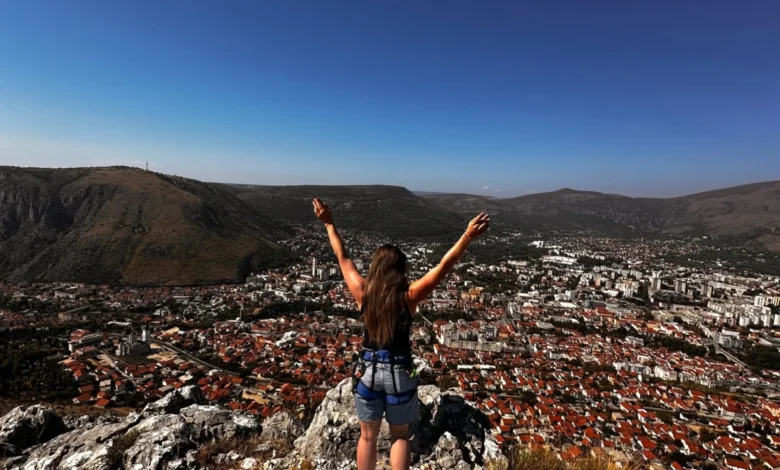
Bosnia and Herzegovina is rapidly establishing itself as one of Europe’s premier adventure tourism destinations, shifting global focus away from its traditional architectural and historical sightseeing toward its rugged, mountainous terrain. Among the fastest-growing outdoor sports in the region is the development of via ferratas—protected climbing routes equipped with continuous steel cables, iron rungs, and suspension bridges. Spearheaded by local outfitters such as Bosnia Outdoor Adventures (BOA), the network of routes surrounding Sarajevo and Mostar has expanded significantly, offering both novice and experienced climbers secure access to dramatic vertical landscapes that were previously reserved for elite technical rock climbers.
Understanding the Mechanics and Safety of Via Ferrata
Derived from the Italian term for "iron path," a via ferrata bridges the gap between conventional hiking and technical rock climbing. Participants are equipped with a specialized harness, a helmet, and a certified via ferrata lanyard featuring an energy absorber and two independent carabiners. As climbers ascend the rock face, they maintain a continuous connection to a steel cable anchored into the limestone. By sequentially moving one carabiner past each anchor point while keeping the other secured, the climber ensures continuous protection against a fall.
Safety statistics and international mountaineering standards emphasize that while via ferratas democratize vertical terrain, they still require respect for objective hazards. Industry guidelines dictate that participants must possess basic physical fitness, a tolerance for heights, and meticulous attention to gear management. Routes are internationally graded on a scale ranging from A (easy, protected walking terrain) to E (extremely difficult, steep, and physically demanding). The primary routes developed in Bosnia and Herzegovina generally fall within the A/B to B/C categories, making them highly accessible to families, fitness enthusiasts, and adventure tourists embarking on their first vertical ascent.

The Mostar Sector: Vertical Perspectives Over the Neretva Valley
In Mostar, tourism has historically centered around the iconic Ottoman-era Stari Most (Old Bridge) and the picturesque cobblestone streets of the old town. However, local adventure tourism initiatives have transformed the surrounding hillsides into vertical playgrounds.
The most prominent installation in the city is Via Ferrata Hum, situated on the prominent hill overlooking Mostar, traditionally recognized by the large white cross at its summit. This substantial route features approximately 600 meters of steel cable and accounts for a vertical height gain of roughly 350 meters. The ascent is systematically broken into manageable sections by three suspension bridges that span rocky gaps, offering increasingly expansive vistas of the Neretva River valley, local minarets, and the historic core below. Due to its exposure and length, Hum is ideally suited for physically fit first-timers operating under optimal weather conditions. Because Mostar experiences severe summer temperatures—frequently exceeding 40°C in July and August—local guides strongly recommend scheduling ascents during the early morning hours or late afternoon to mitigate heat exhaustion on the open limestone rock face.
For visitors seeking a less strenuous alternative, Via Ferrata Fortica provides a gentler introduction on the same hillside. Spanning approximately 200 meters of cable with an 80-meter elevation gain, this route is graded A/B and typically requires only 30 minutes to complete. It features a popular swinging suspension bridge and culminates near the Fortica Skywalk, a glass-floored viewing platform that has quickly become a major regional attraction.
The Sarajevo Sector: Urban Alpinism and Alpine Wilderness

Capital city Sarajevo offers a striking juxtaposition of urban culture and immediate access to alpine wilderness. Just a short drive or cable car ride from the bustling Baščaršija marketplace rises Mount Trebević, a site rich in modern history that hosted events during the 1984 Winter Olympics.
Via Ferrata Bijele Stijene ascends the white limestone cliffs situated just below the Trebević ridge. Spanning 180 meters of cable with a 90-meter height gain, the route carries a B/C difficulty rating. The climb is strategically divided: the initial section winds through shaded beech forests, while the upper portion emerges onto exposed limestone walls overlooking the city skyline. Climbers frequently combine this excursion with a historical walk along the abandoned, graffiti-covered Olympic bobsled track nearby.
Further into the surrounding nature parks and regional mountains, the scale and technical commitment increase significantly. Via Ferrata Bukovik, located within the Skakavac Nature Park north of Sarajevo, provides a sheltered, shaded environment ideal for absolute beginners to practice clipping techniques. Spanning 105 meters of cable with a 70-meter elevation gain, it can be seamlessly combined with a hike to the towering 98-meter Skakavac waterfall.
Conversely, Via Ferrata Sokolov Put on Mount Romanija—situated approximately 28 kilometers east of Sarajevo—represents the most committing and rigorous route in the region. Boasting 350 meters of cable and a 160-meter vertical gain, the route traverses deep ravines via suspension bridges that demand absolute composure at height. Due to its remote setting and physical demands, regional outfitters strongly advise beginners to tackle Bukovik or Trebević before attempting Romanija, and recommend hiring a certified guide for the expedition.
Demographics, Family Access, and Economic Implications

The expansion of Bosnia and Herzegovina’s via ferrata infrastructure has diversified the country’s tourism demographic, attracting younger travelers, active families, and sports enthusiasts from across Europe and beyond. Industry operators note that children as young as seven years old can safely participate, provided they are properly fitted with youth-specific harnesses and supervised at a strict ratio of one adult or guide per child.
Economically, these outdoor adventure initiatives have extended visitor length-of-stay. While historical itineraries in Mostar and Sarajevo were often limited to 24-hour whistle-stop sightseeing tours, the availability of multi-day outdoor activities—including rafting, hiking, and via ferrata climbing—encourages tourists to base themselves in the region for extended periods. This growth directly supports local mountain guides, equipment rental enterprises, transport providers, and hospitality businesses.
Logistical Planning, Seasonal Operations, and Essential Gear
The operational season for via ferratas in Bosnia and Herzegovina varies by geography. The lower-altitude routes in Mostar remain accessible year-round, weather permitting, though winter precipitation and intense summer heat require strategic scheduling. Conversely, the higher-altitude routes surrounding Sarajevo and Romanija operate primarily between April and October, when snowpack clears and stable weather patterns prevail.
Climbers operating independently must verify that they possess certified equipment, including an energy-absorbing via ferrata set, a climbing helmet, and appropriate footwear with high-traction rubber soles. Rental infrastructure is readily available through local guiding companies in both Sarajevo and Mostar for travelers who do not carry specialized gear. Furthermore, meteorological safety is paramount; exposed steel cables act as severe lightning conductors during thunderstorms, and wet limestone drastically diminishes boot traction, necessitating immediate postponement of climbs during inclement weather.

Through careful infrastructure development and adherence to international safety standards, Bosnia and Herzegovina has successfully transformed its dramatic topography into an accessible adventure hub, offering a compelling vertical dimension to Balkan travel.