The Ultimate Style Guide to European Women’s Fashion: Essential Packing and Wardrobe Strategies for Travelers

After residing in Paris for nearly two years, observers of European street style remain continually struck by the effortless elegance defining the local wardrobe. It is an everyday phenomenon to encounter individuals impeccably dressed while performing routine errands, such as purchasing groceries. Neighborhoods adjacent to local institutions, including elementary schools, frequently display mothers navigating cobblestone streets with strollers while adorned in tailored skirts and high heels. This distinct cultural emphasis on presentation forms the foundation of contemporary European street fashion, a phenomenon deeply rooted in historical tailoring traditions and modern urban lifestyles.
Understanding the nuances of European fashion offers significant utility for international travelers seeking to curate a functional yet stylish suitcase. While major style capitals like Paris, Milan, and London maintain distinct regional identities, overarching principles govern how European women approach daily dress, blending practicality with timeless sophistication.
The Core Philosophy of European Wardrobe Curation
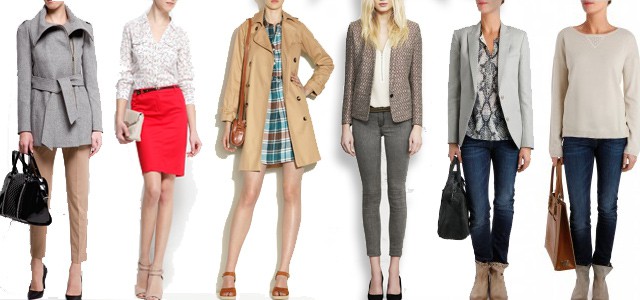
Popular misconceptions often attribute the polished appearance of Europeans exclusively to high-end designer labels. In reality, everyday wardrobes rely heavily on accessible, multinational high-street retailers such as H&M, Zara, Mango, Gap, and Topshop. The underlying secret to the European aesthetic is not the label itself, but rather the meticulous attention to garment fit and tailoring. Minor alterations are culturally normalized across major European cities, ensuring that off-the-rack purchases conform precisely to individual body proportions. This emphasis on structure elevates even the most basic garments.
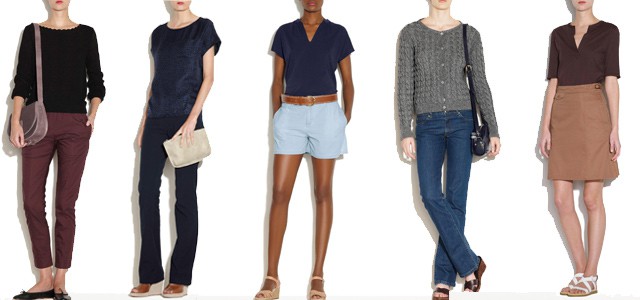
Furthermore, simplicity remains a cornerstone of continental style. Wardrobes typically favor classic, understated silhouettes over trend-chasing novelties. Elevated basics are routinely accented with a single statement piece—such as a vibrant scarf, distinctive footwear, or bold jewelry. Fashion practitioners also master the art of textural and volumetric contrast, frequently pairing oversized, chunky knitwear with slim-cut trousers or tailored skirts to create visual balance.
Essential Wardrobe Staples Across Major European Hubs
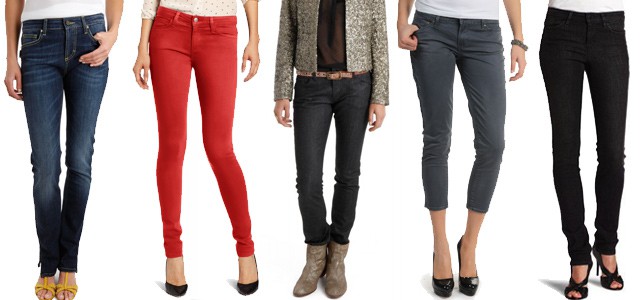
Denim functions as a universal uniform across the continent. Slim-fit and skinny jeans in dark, uniform washes or sophisticated neutral tones like charcoal and heather grey dominate urban landscapes. However, regional styling remains flexible, allowing for occasional injections of vivid color, such as tailored crimson trousers.
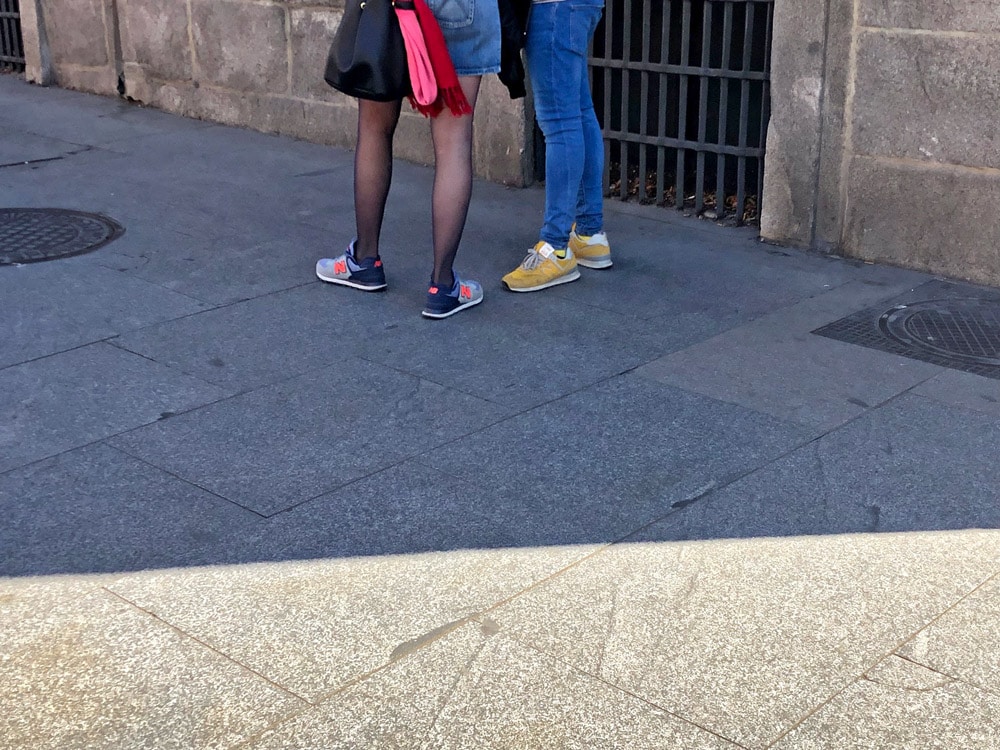
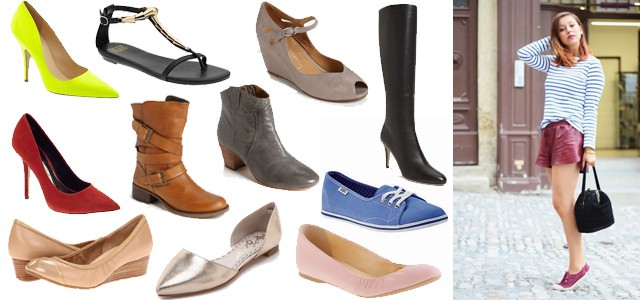
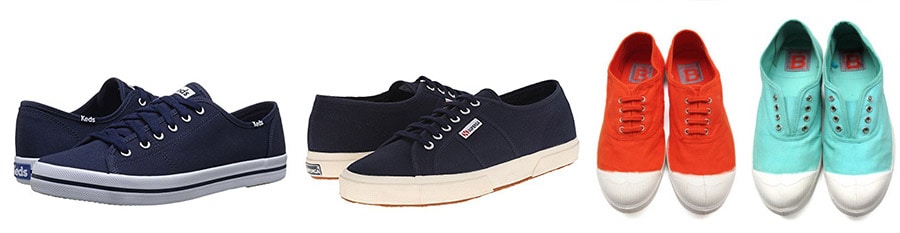
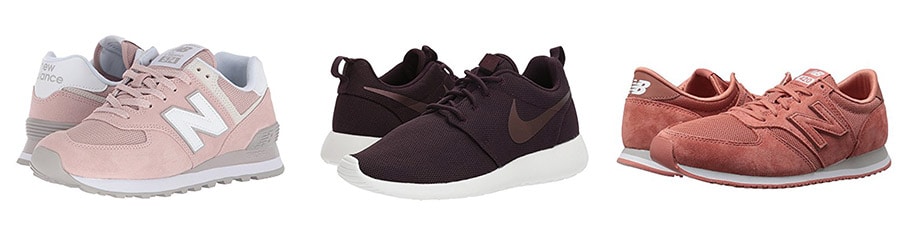
Footwear requires strategic planning. Urban centers characterized by historic cobblestone pathways and uneven pavements demand both style and durability. While high heels and stilettos are common among locals adept at navigating historical infrastructure, wedges and chunky block heels offer a more stable, practical alternative for daily ambulation. Leather riding boots serve as a cold-weather staple, transitioning into sleek ankle boots during transitional seasons. Concurrently, minimalist white or neutral sneakers from brands like Superga, New Balance, and Adidas are heavily integrated into everyday streetwear, directly contradicting outdated assumptions that athletic footwear is strictly prohibited outside of fitness contexts.
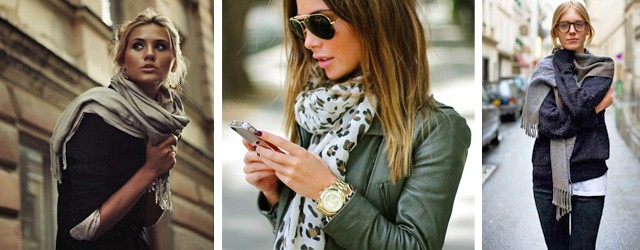
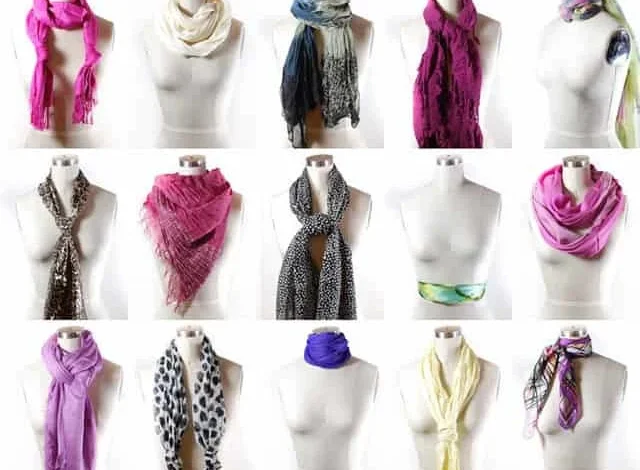
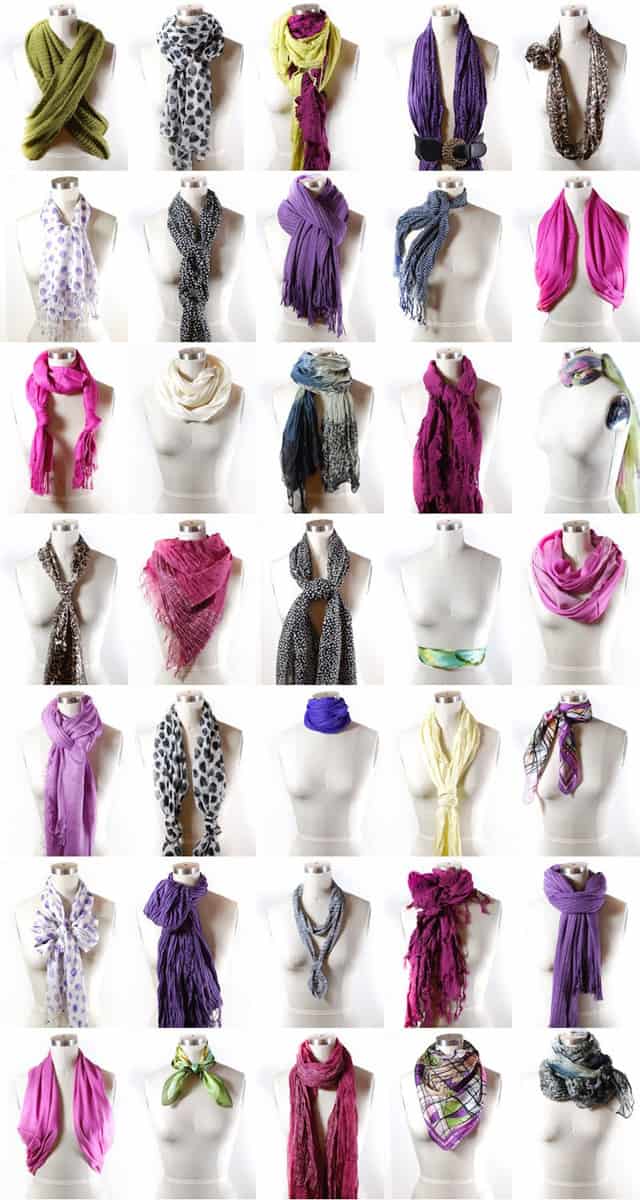
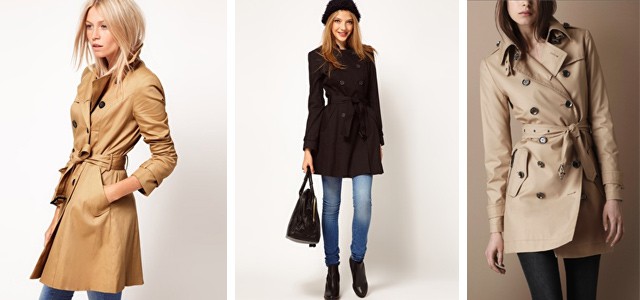
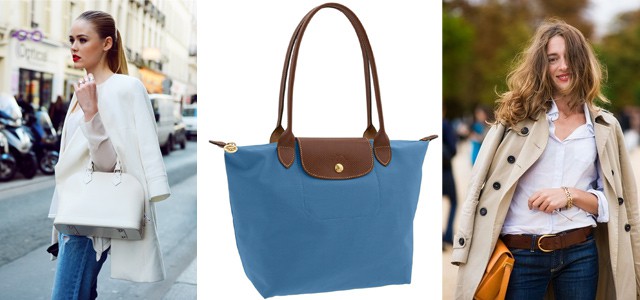
Accessories also play a pivotal functional and aesthetic role. The ubiquitous scarf—crafted from heavy wool for winter or lightweight silk and cotton for warmer months—acts as the ultimate unifying element for any ensemble. Outerwear follows a similarly classic trajectory, with structured trench coats and tailored wool coats serving as mandatory winter investments. Handbags, ranging from structured leather totes to secure cross-body messenger bags equipped with robust zippers, complete the typical urban look while serving a defensive purpose against opportunistic urban pickpocketing.
Beauty Standards and Grooming Philosophies
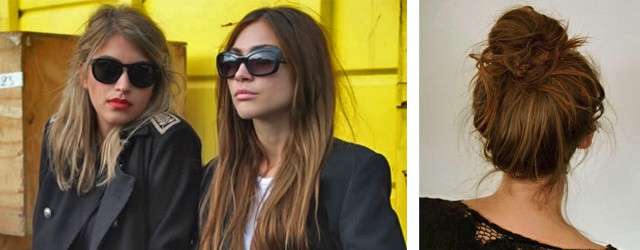
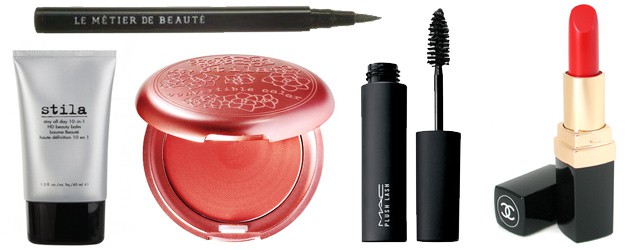
The prevailing beauty aesthetic across Western Europe heavily favors a minimalist, understated approach. Cosmetics are generally kept to a natural minimum, emphasizing skincare and healthy complexions over heavy contouring or dramatic eye makeup. The singular exception to this rule is the persistent popularity of statement lips, with classic matte red lipstick remaining a permanent fixture in cities like Paris.
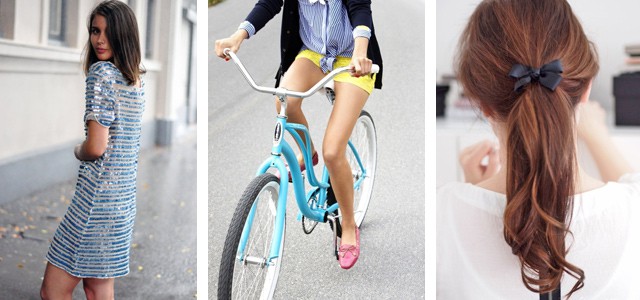
Hair styling mirrors this philosophy of calculated ease. Rather than relying on rigid heat styling or elaborate updos, women favor natural textures styled into sleek ponytails or purposefully unstructured messy buns. This low-maintenance approach aligns with the active, pedestrian-heavy lifestyle characteristic of European urban centers.
Practical Travel Logistics and Packing Optimization
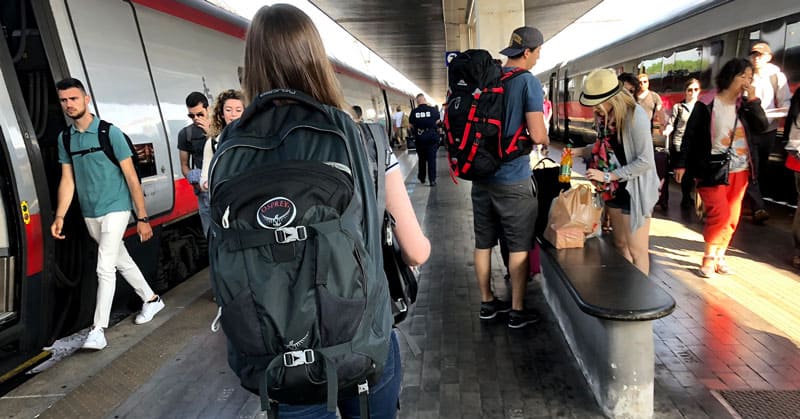
Successfully translating European street style into a travel capsule wardrobe requires rigorous discipline. Navigating historical train stations, older hotels lacking elevators, and public transit networks makes heavy luggage a significant liability. Consequently, packing light is not merely an aesthetic preference but a logistical necessity.
Travelers are strongly advised to limit their luggage to manageable dimensions, prioritizing versatile pieces that adhere to a cohesive neutral color palette. Neutral tones—such as black, navy, beige, and grey—ensure that individual separates can be endlessly mixed and matched, effectively doubling or tripling outfit combinations without increasing overall luggage weight.
To maximize space and minimize wrinkles, the implementation of compression packing cubes, such as Eagle Creek Pack-It systems, is widely recommended by travel industry professionals. When selecting specialized travel apparel, brands focusing on wrinkle-resistant, moisture-wicking, and odor-neutralizing technical fabrics—including Athleta, Prana, and Anatomie—provide functional alternatives to traditional cotton without sacrificing urban sophistication.
Footwear Selection and Comfort Engineering

Because European itineraries routinely involve walking several miles per day, footwear must be chosen with extreme care. Experts recommend restricting travel footwear to a maximum of two or three versatile pairs: a supportive yet stylish sneaker, a comfortable flat or ankle boot, and a durable walking sandal for warmer climates. Integrating specialized orthotic inserts, such as Superfeet, into standard footwear can significantly mitigate foot fatigue and prevent debilitating blisters caused by prolonged ambulation on hard surfaces.
Economic and Cultural Implications of Sustainable Fashion
The ongoing preference for timeless, durable garments over fast-fashion disposability reflects a broader cultural shift within Europe toward sustainable consumerism. Investments in high-quality outerwear, enduring leather goods, and versatile footwear align with economic models that prioritize longevity and repairability. As global tourism rebounds, understanding these local sartorial norms not only enhances the traveler’s personal experience and integration into local culture but also fosters a more respectful, culturally aware approach to international exploration.
Related posts: