The global telecommunications and travel technology sectors have experienced significant shifts in recent years, driven largely by the widespread adoption of embedded subscriber identity modules, commonly known as eSIMs. Traditional international roaming has long been a source of frustration and financial strain for frequent flyers, digital nomads, and multi-destination travelers, who frequently face steep carrier fees, restrictive data caps, and the physical hassle of swapping SIM cards across borders. Addressing these enduring logistical pain points, travel connectivity provider Holafly has introduced a new subscription model titled Holafly Plans. This global eSIM product represents a departure from single-destination data packages, aiming to streamline international connectivity through an ongoing, multi-country service framework.
Background Context and Evolution of eSIM Technology
To understand the significance of subscription-based international data models, it is necessary to examine the evolution of mobile connectivity for travelers. Historically, individuals crossing international borders relied on physical SIM cards purchased locally upon arrival, international roaming add-ons provided by domestic home carriers, or traditional prepaid travel SIM cards. Each of these conventional methods carried distinct disadvantages. Local physical SIMs required time to locate upon landing, often involved language barriers, and resulted in the loss of access to the user’s primary domestic phone number for calls and text verification. Meanwhile, major home carriers frequently imposed restrictive daily roaming charges—often averaging $10 to $15 per day—which quickly accumulated over extended multi-week or multi-month journeys. Furthermore, these carrier packages typically enforced aggressive data throttling after a modest threshold, limiting high-speed internet access.
The emergence of eSIM technology sought to alleviate these hardware-dependent barriers. Built directly into the internal architecture of modern smartphones, an eSIM allows users to digitally download and activate carrier profiles via software, eliminating the need to physically open SIM trays or handle delicate plastic cards. While this innovation drastically reduced the friction of switching networks, the market predominantly coalesced around single-destination or short-term regional packages. Under this conventional paradigm, a traveler visiting multiple countries over several months was required to purchase individual eSIMs for each territory, continuously manage disparate expiration dates, and periodically reinstall new QR codes. Holafly Plans was developed to bridge this gap, transforming a traditionally fragmented, transaction-based service into a continuous, borderless utility.

Core Mechanics and Tiers of Holafly Plans
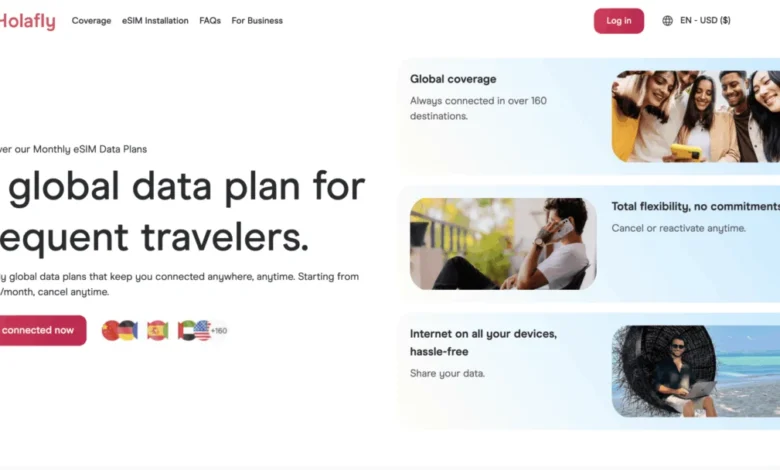
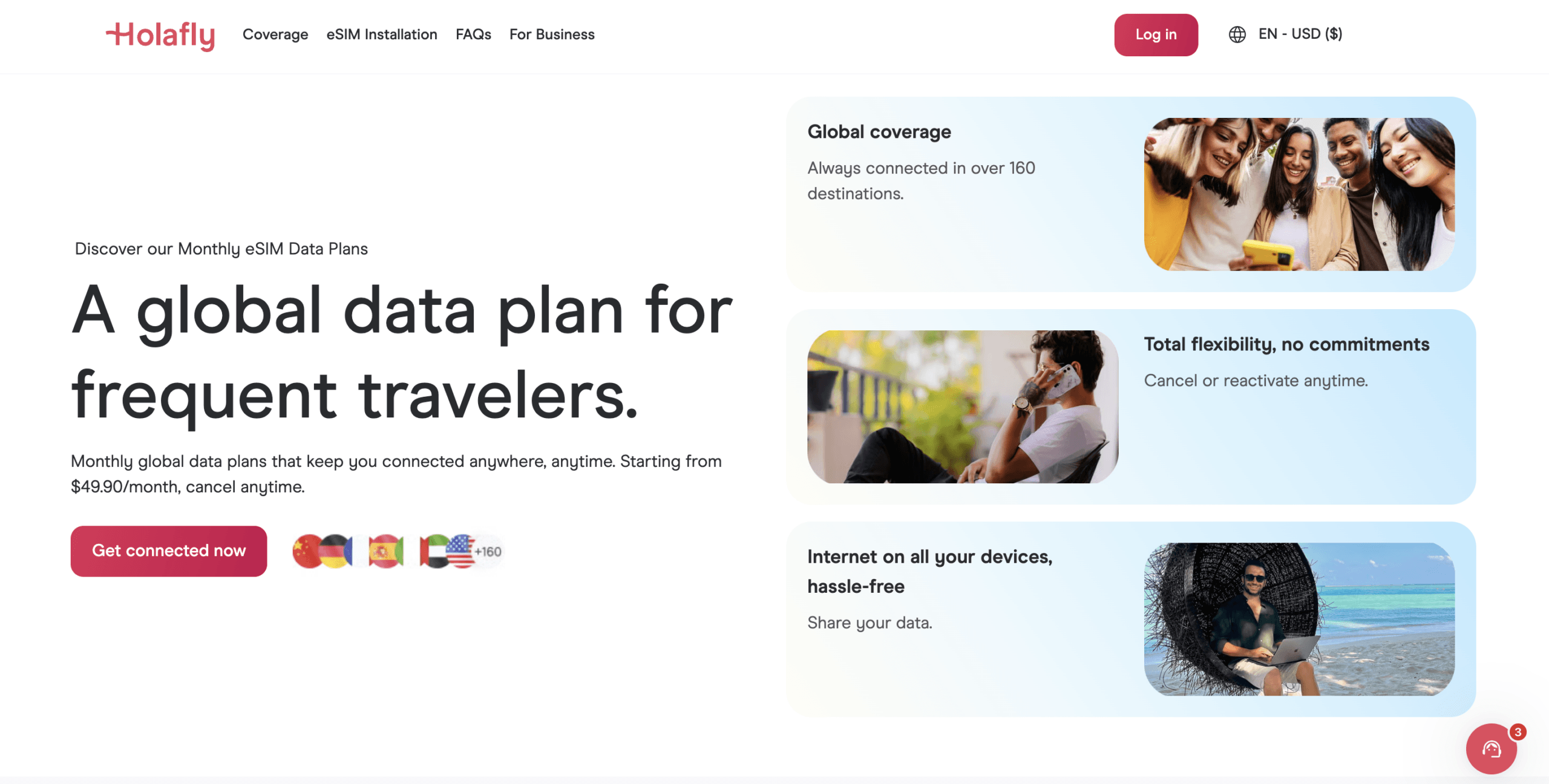
Holafly Plans functions as a singular, ongoing global eSIM subscription designed to operate across more than 160 destinations worldwide. Rather than requiring users to manually configure new profiles upon entering each country, the subscription establishes a continuous connection that automatically detects and hooks into local partner networks as the user crosses international boundaries. The product is structured around two distinct operational tiers: the Light Plan and the Unlimited Plan, both of which are available on monthly, quarterly, or annual billing cycles without long-term binding contracts.
The Unlimited Plan caters primarily to data-heavy users, remote professionals, and digital nomads who rely on uninterrupted connectivity for high-bandwidth tasks such as video conferencing, media uploads, and remote systems management. This tier removes data caps entirely and includes an unrestricted personal hotspot allowance, enabling users to tether secondary devices, such as laptops and tablets, without incurring additional fees or experiencing bandwidth throttling. Additionally, subscribers to the Unlimited tier are allocated a local phone number originating from the United States, the United Kingdom, or Canada, facilitating the receipt of essential SMS messages—a critical requirement for two-factor authentication and banking security while abroad.
Conversely, the Light Plan offers a structured data allocation of 25GB per month while maintaining the same 160-plus destination coverage and hotspot functionality. Market analysis suggests this tier is optimized for travelers whose data consumption is primarily focused on navigation, messaging applications, and casual web browsing. Both tiers incorporate Holafly’s "Always On" feature, an auxiliary provision that supplies subscribers with 1GB of backup data monthly. This backup feature persists even if the primary subscription is eventually canceled, ensuring a baseline level of emergency connectivity.
Financial Analysis and Comparative Market Positioning
From an economic perspective, the introduction of continuous global data subscriptions introduces notable cost-efficiency dynamics into the international travel market. Traditional major telecommunications carriers in North America and Europe have historically priced international roaming as a premium luxury service. Comprehensive roaming packages from major domestic providers routinely scale to between $100 and $300 per month when calculated via daily pass rates or specialized international add-ons, frequently accompanied by severe speed restrictions.
In contrast, tiered pricing models for global eSIM subscriptions position themselves substantially lower. For instance, annual subscription commitments for unlimited tier structures average approximately $55 per month, with quarterly agreements offering localized savings of roughly 10% and annual commitments yielding up to 15% reductions. When measured against local physical SIM procurement—which typically ranges from $60 to $120 monthly across fluctuating regional markets—global subscription models offer predictable budgeting for individuals who spend a significant portion of the year outside their home countries.
Target Demographics and Strategic Implications
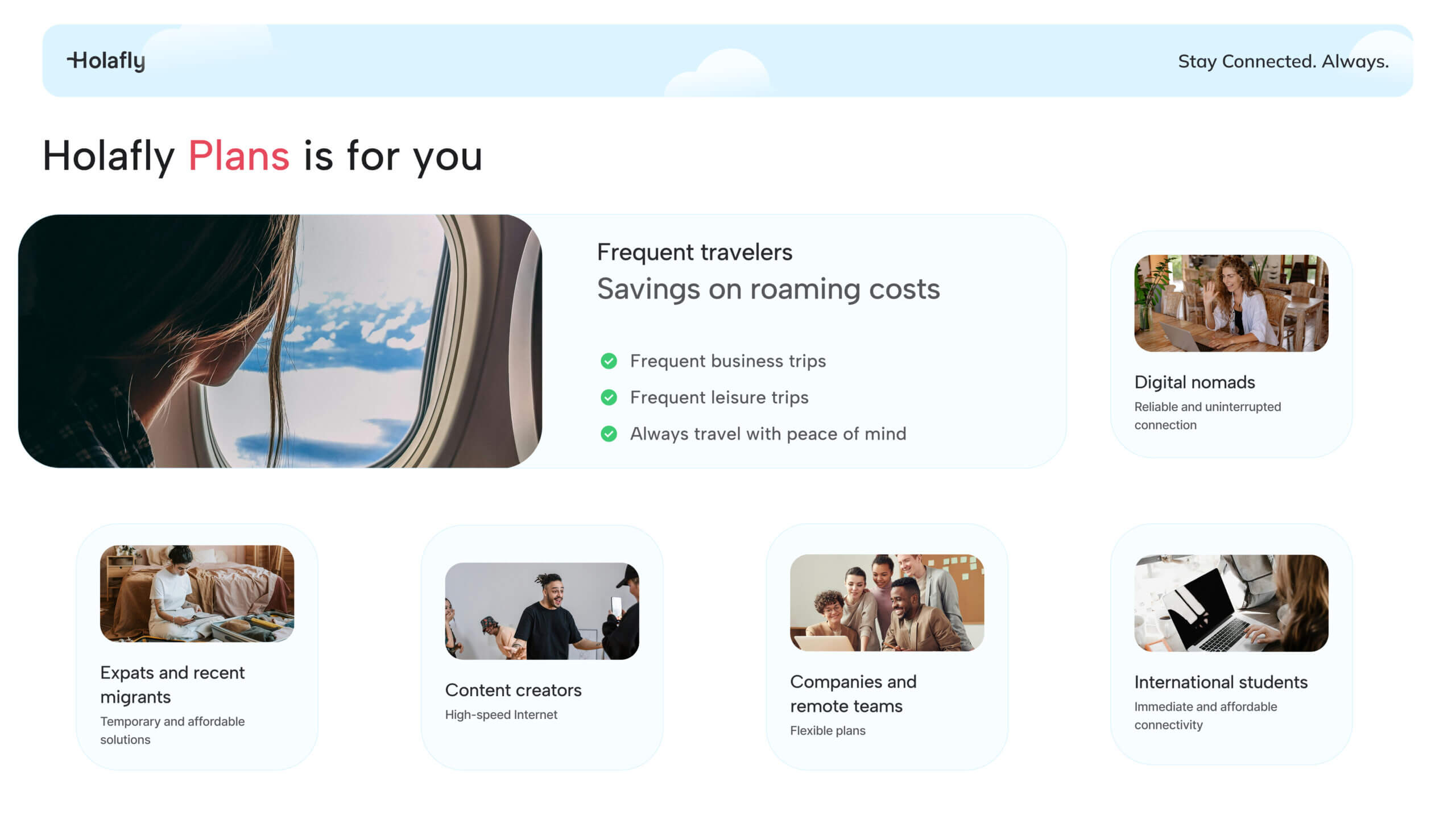
Industry observers note that products like Holafly Plans are not intended to replace every sector of the travel connectivity market. For the casual vacationer undertaking a single, isolated two-week trip to a specific country, traditional single-destination eSIMs remain the most cost-effective and straightforward solution. The transactional nature of a one-off purchase aligns neatly with short-term travel itineraries where multi-country mobility is minimal.
However, the demographic comprising long-term travelers, remote workers, and international consultants stands to realize the greatest operational efficiency from subscription-based models. For professionals managing fluctuating itineraries across multiple continents within a single billing cycle, the elimination of recurring administrative tasks—such as purchasing new data packages, troubleshooting border-crossing line drops, and managing multiple vendor apps—reduces cognitive load and potential downtime.
Broader Industry Trends and Future Outlook
The launch and reception of Holafly Plans underscore a broader industry trajectory toward software-defined, borderless telecommunications services. As hardware manufacturers increasingly phase out physical SIM trays in favor of dual-eSIM and eSIM-only smartphone architectures, consumer expectations are shifting away from localized telecom monopolies toward flexible, globalized service providers.
While traditional mobile network operators continue to derive substantial revenue streams from legacy international roaming fees, the proliferation of competitive eSIM alternatives places downward pressure on roaming pricing and forces legacy carriers to rethink their international value propositions. For the consumer, the proliferation of global subscription frameworks signifies a maturation of the travel tech sector, transitioning from localized digital workarounds to unified, enterprise-grade connectivity solutions tailored for the modern mobile workforce.