The Death of the Traditional Hiking Boot Marks a Cultural Shift in Backcountry Recreation

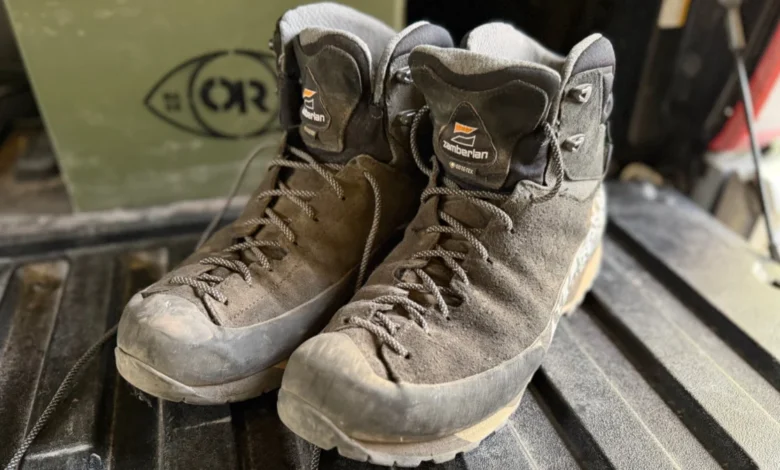
Published October 22, 2026, the ongoing transformation of outdoor recreation gear highlights a significant departure from traditional equipment, most notably the decline of the classic hiking boot. While modern advancements in hiking technology have yielded lighter fabrics, advanced digital mapping tools, and high-performance footwear, they have simultaneously pushed the traditional leather hiking boot to the periphery of the sport. Industry surveys indicate that low-cut trail shoes and lightweight running shoes now dominate the long-distance hiking market, with estimates suggesting that up to 90 percent of thru-hikers on iconic routes like the Appalachian Trail opt for trail runners over traditional boots.
This technological evolution reflects broader changes in how athletes approach backcountry travel. Modern thru-hikers prioritize speed, efficiency, and weight reduction above all else, frequently pushing historical boundaries and setting new Fastest Known Times (FKTs) across major trail systems. Consequently, the heavy, stiff, and protective leather boot—long considered the foundational uniform of the mountaineer and backpacker—has been largely replaced by footwear that favors immediate comfort and agility.
Main Facts and the Shift in Market Preferences
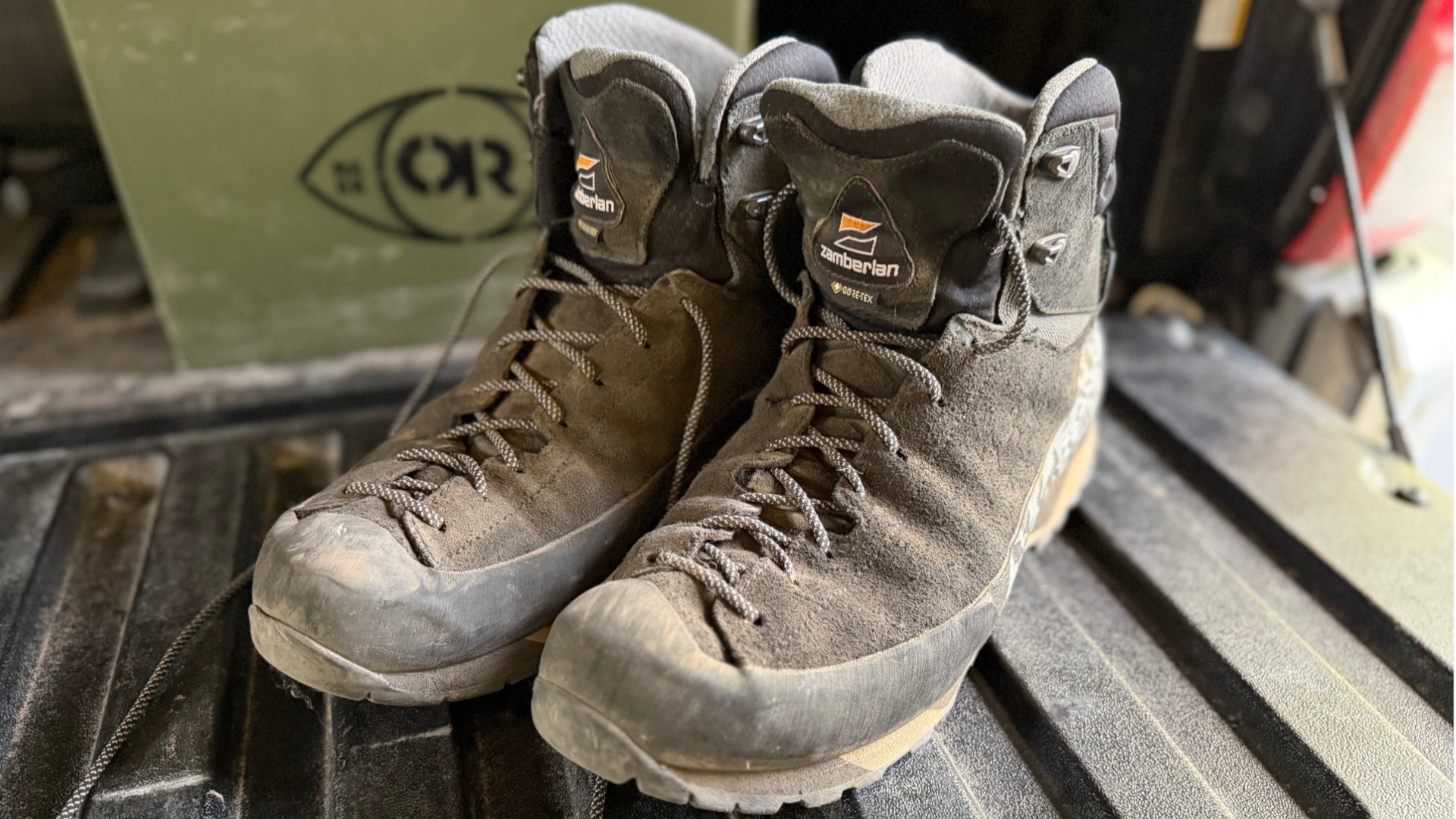
The transition from boots to trail runners is rooted in clear ergonomic and economic factors. Traditional hiking boots are historically heavier, require a longer break-in period, offer reduced breathability, and carry a higher upfront cost. Conversely, modern trail running shoes provide instant comfort, superior flexibility, and enhanced ventilation, making them an attractive option for hikers covering high daily mileage.
However, this shift has brought distinct trade-offs, particularly regarding durability and environmental impact. Industry data collected by outdoor publications reveals that endurance athletes tackling rigorous long-distance itineraries can burn through as many as 14 pairs of trail running shoes in a single thru-hiking season. This high turnover rate transforms lightweight footwear into a nearly disposable commodity, contrasting sharply with traditional boots that are structurally engineered to endure years of heavy use. Furthermore, manufacturers of traditional leather footwear frequently offer specialized maintenance programs, such as resoling and stitching repairs, which can double the operational lifespan of a single pair of boots. Such circular economic practices remain virtually nonexistent in the mass-produced trail running shoe sector.
Chronology of Footwear Evolution in Backcountry Travel
The trajectory of outdoor footwear has transformed dramatically over the past century. In the mid-20th century, heavy-duty leather boots with vibram rubber soles became the universal standard for mountaineering and wilderness trekking, offering maximum ankle support and protection against abrasive terrain.
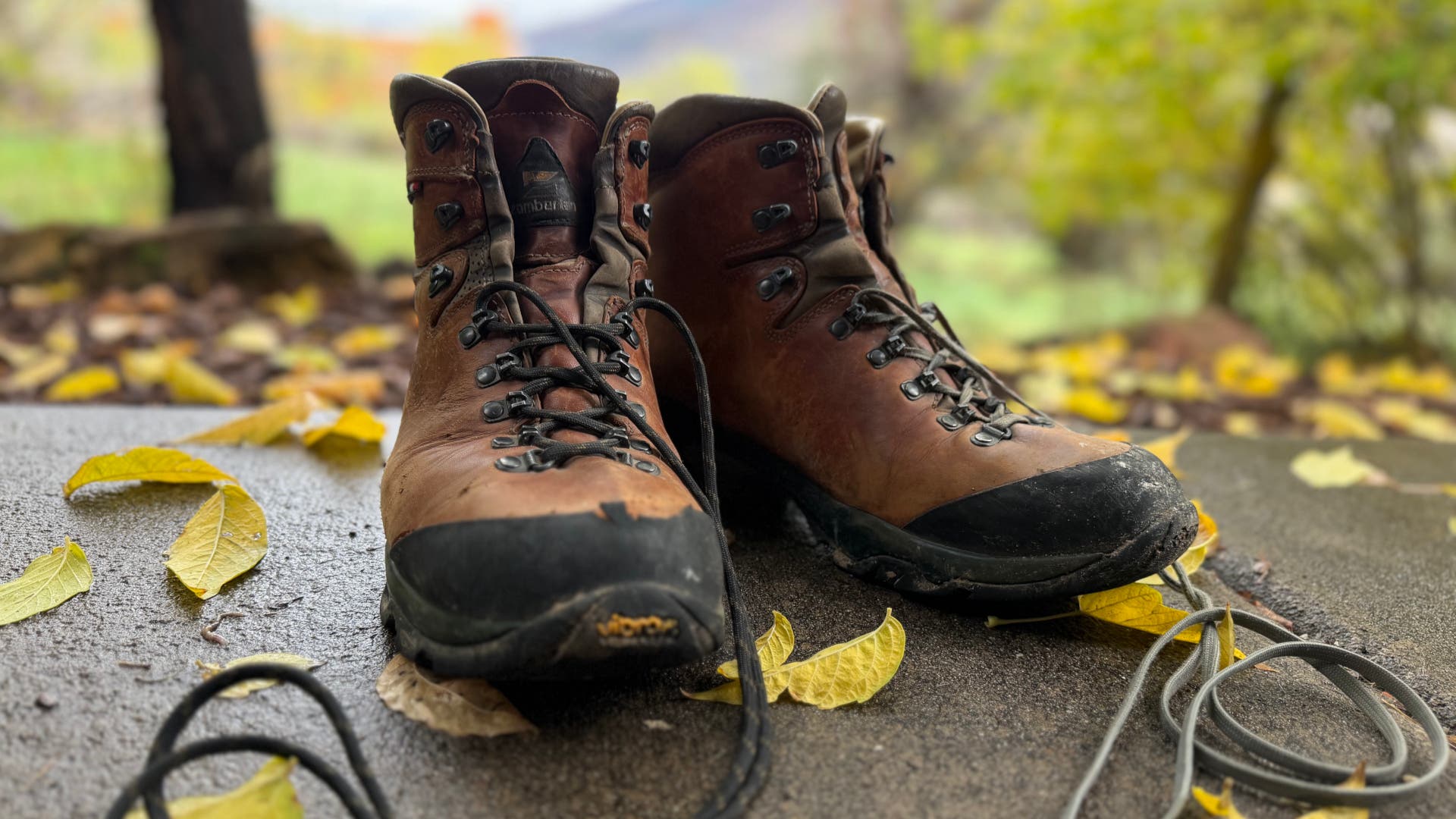
As outdoor recreation expanded into a mainstream recreational activity in the 1970s and 1980s, boot designs gradually incorporated synthetic materials to reduce weight while maintaining structural integrity. The true paradigm shift, however, occurred in the late 1990s and early 2000s with the rise of the ultra-lightweight backpacking movement. Influential outdoor figures and long-distance hikers began advocating for the elimination of heavy base-weight gear, arguing that reducing weight on the feet—often cited as exponentially more fatiguing than weight carried in a pack—significantly improved endurance. By the 2010s, trail running shoes had transitioned from a niche choice for speed hikers to the dominant footwear of choice across major American National Scenic Trails, fundamentally altering retail inventories and manufacturing priorities across the outdoor gear industry.
Supporting Data and Environmental Implications
The widespread adoption of high-turnover synthetic footwear has prompted growing concern among environmental scientists and land managers regarding backcountry sustainability. The sheer volume of discarded footwear generates substantial landfill waste. Even as manufacturers introduce recycling initiatives or incorporate Global Recycled Standard (GRS) materials, the high replacement frequency associated with trail runners undercuts sustainability claims.
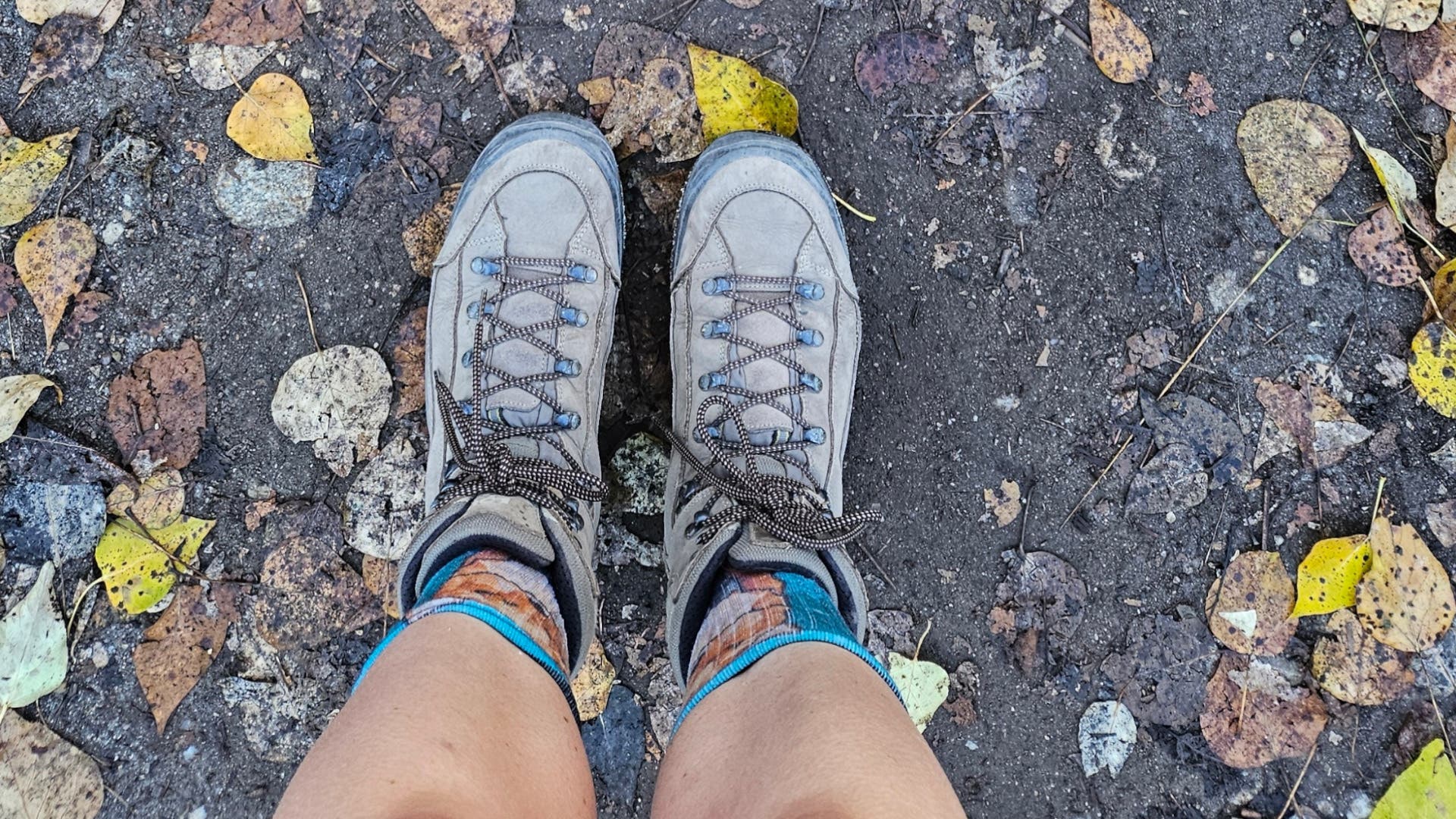
Compounding this issue is emerging research concerning microplastic pollution in remote ecosystems. Recent scientific studies investigating pristine high-elevation waterways, such as lakes and streams in the Adirondack region, have identified alarming spikes in synthetic particle contamination. Researchers have pointed to soft-soled athletic and running shoes as significant contributors, as the high-friction polymers used in modern outsoles gradually shed micro-particles into the natural environment during prolonged use on rocky terrain. By comparison, traditional footwear featuring dense rubber compounds and leather construction exhibits significantly lower rates of particulate shedding, presenting a markedly different ecological footprint.
Official Responses and Industry Perspectives
Footwear manufacturers and outdoor gear brands find themselves navigating a polarized consumer base. On one hand, companies focused on lightweight innovation continue to invest heavily in advanced foam midsoles, breathable mesh uppers, and specialized tread patterns tailored for speed and agility. These brands emphasize performance metrics, injury prevention through reduced fatigue, and consumer demand for out-of-the-box comfort.
Conversely, heritage boot manufacturers continue to maintain dedicated followings by emphasizing craftsmanship, durability, and reparability. Brands specializing in full-grain leather construction argue that the initial investment in a durable boot pays off over years of service, insulating consumers from the cyclical purchasing habits encouraged by disposable footwear models. These companies continue to support resoling infrastructure, allowing customers to maintain footwear across multiple seasons of rugged alpine use.
Broader Impact and Implications for the Hiking Community
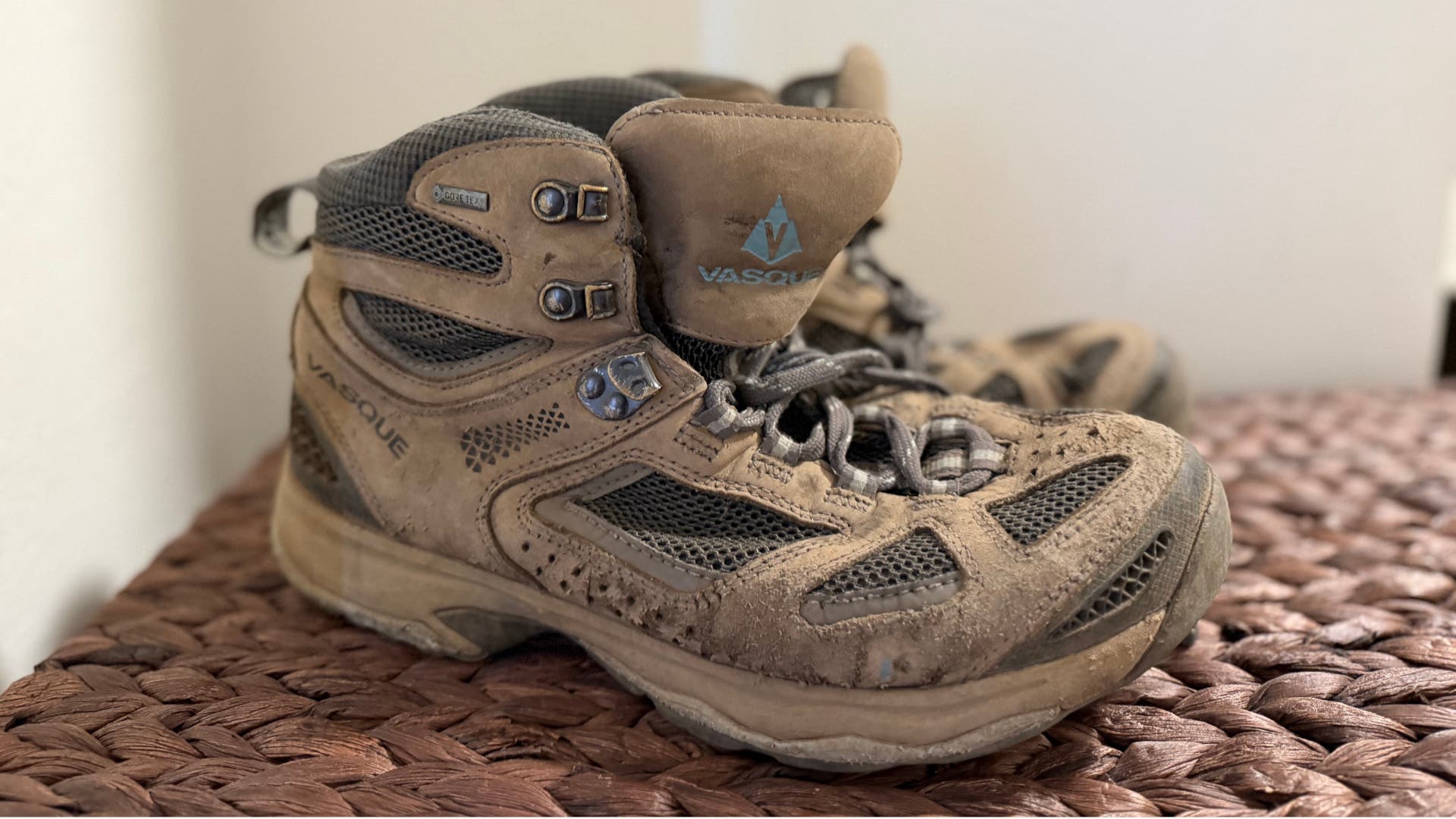
The displacement of the traditional hiking boot carries cultural and functional implications for the global hiking community. Beyond the physical differences in ankle support, protection against scree, and weather resistance, the gear shift represents a philosophical divergence in how humans experience wilderness spaces.
Proponents of traditional footwear argue that the deliberate weight and stiffness of boots naturally pace the hiker, encouraging a slower, more observant engagement with the surrounding natural environment. In contrast, the performance-driven ethos of modern trail running gear aligns with an acceleration of backcountry travel, where efficiency and distance often take precedence over contemplative immersion.
Ultimately, while the market clearly favors lightweight alternatives for the modern thru-hiker, the traditional hiking boot retains a distinct role in the cultural landscape of outdoor recreation. As the industry grapples with the environmental realities of gear consumption and waste management, the debate between speed-oriented synthetic shoes and durable, repairable boots touches upon fundamental questions regarding sustainability, consumerism, and the evolving nature of humanity’s relationship with the wild.