The Banff Centre Mountain Film and Book Festival has officially unveiled the winners of its prestigious 2026 Mountain Book Competition, a milestone event that continues to serve as the definitive global benchmark for literature centered on exploration, alpine culture, and the natural environment. Each year, the festival, hosted at the Banff Centre for Arts and Creativity in Alberta, Canada, acts as a cultural nexus for adventurers, authors, and filmmakers. The announcement of these category winners serves as the preliminary stage for the festival’s most anticipated reveal: the Grand Prize, which will be awarded on November 5.
This year’s selection process was characterized by a diverse range of submissions, reflecting the evolving landscape of outdoor literature. The jury, comprised of esteemed figures from the fields of mountaineering, literature, and photography, evaluated entries based on technical accuracy, narrative depth, and the ability to capture the precarious relationship between humanity and the wild.
The Evolution of the Banff Mountain Book Competition
Since its inception, the Banff Mountain Book Competition has grown alongside the festival itself, which began in 1976. What started as a modest local event has blossomed into a world-renowned exhibition. The competition now serves as an essential platform for authors who often operate outside the mainstream publishing industry, providing them with international exposure.
Historically, the competition has acted as a historical archive of mountain exploration. By awarding titles that document everything from historical climbing expeditions to contemporary environmental activism, the Banff Centre ensures that the legacy of mountain lore is preserved for future generations. The inclusion of diverse categories—ranging from technical guidebooks to aesthetic photography collections—demonstrates the festival’s commitment to the multifaceted nature of mountain studies.
Category Winners: A Breakdown of the 2026 Selections
The 2026 jury selected winners across eight distinct categories, each highlighting a specific facet of the alpine experience.
Mountain Literature: Lone Wolf by Adam Weymouth
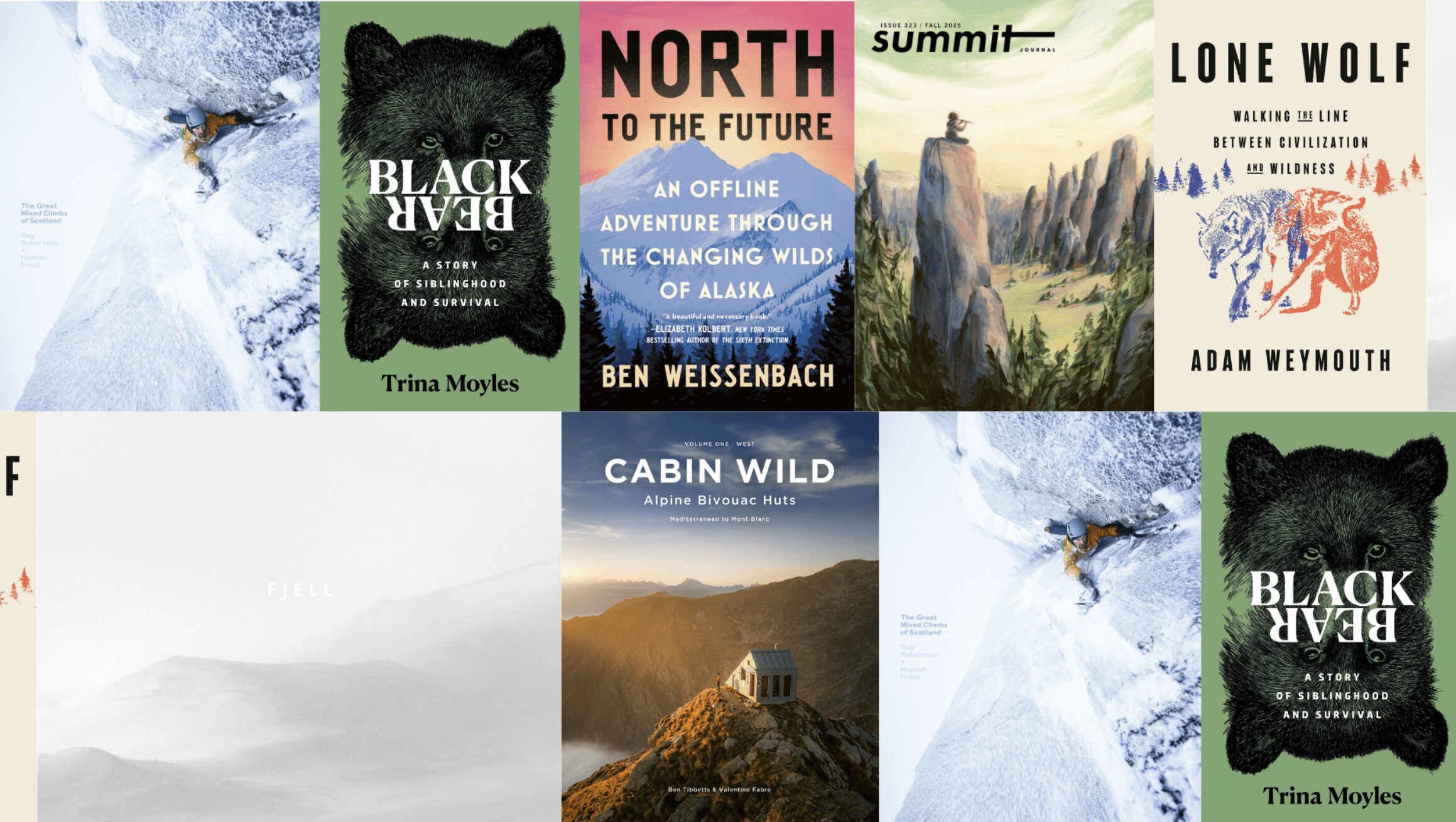
Adam Weymouth’s Lone Wolf: Walking the Line Between Civilization and Wildness received the top honors in the Mountain Literature category. The work is a sociological and environmental inquiry into the role of wild predators in a modernizing Europe. As the continent grapples with shifting political boundaries and the accelerating impacts of climate change, Weymouth’s narrative asks fundamental questions about human coexistence with the untamed.
Environmental Literature: Black Bear by Trina Moyles
The Environmental Literature category was claimed by Trina Moyles for Black Bear: A Story of Siblinghood and Survival. This work is noted for its dual-narrative structure, which pairs the author’s personal family history with her experiences working as a fire lookout in the Alberta wilderness. The jury lauded the book for its ability to weave intimate human vulnerability with the harsh realities of remote wildlife management.
Adventure Travel: North to the Future by Ben Weissenbach
Ben Weissenbach’s North to the Future: An Offline Adventure through the Changing Wilds of Alaska was awarded the Adventure Travel prize. Weissenbach’s narrative chronicles his transition from a metropolitan upbringing in Los Angeles to the rugged, high-stakes environment of the Alaskan tundra. By removing the crutch of modern technology, the author provides a commentary on the digital age’s impact on human perception and the necessity of maintaining a connection to the natural world.
Climbing Literature: The Great Mixed Climbs of Scotland by Guy Robertson and Hamish Frost
The technical mastery of Scottish winter climbing was the focus of this year’s Climbing Literature winner. Robertson and Frost’s book is as much a historical document as it is a visual tribute to the vertical world. By grounding their essays in the personal accounts of the original route-setters, the authors have produced a comprehensive study that bridges the gap between historical record and modern technical achievement.
Guidebook Excellence: Cabin Wild by Ben Tibbetts
The Guidebook category recognized Ben Tibbetts’ Cabin Wild: Alpine Bivouac Huts. This publication serves as a cultural map of the Alps, focusing on the infrastructure of refuge—the bivouac huts of Italy, Switzerland, and France. The jury emphasized the book’s role in not just providing logistical information, but in framing these structures as architectural landmarks that define the alpine aesthetic.
Mountain Image: Fjell by Orsolya Haarberg
Orsolya Haarberg’s Fjell: A Faithful Witness captured the Mountain Image award. The work serves as a high-art exploration of the Norwegian highlands, challenging traditional notions of landscape photography. By presenting the mountains as both subjects of study and subjects of artistic expression, Haarberg has created a volume that stands at the intersection of photography and environmental science.
Mountain Article: The Misfits by Chad Heddleston
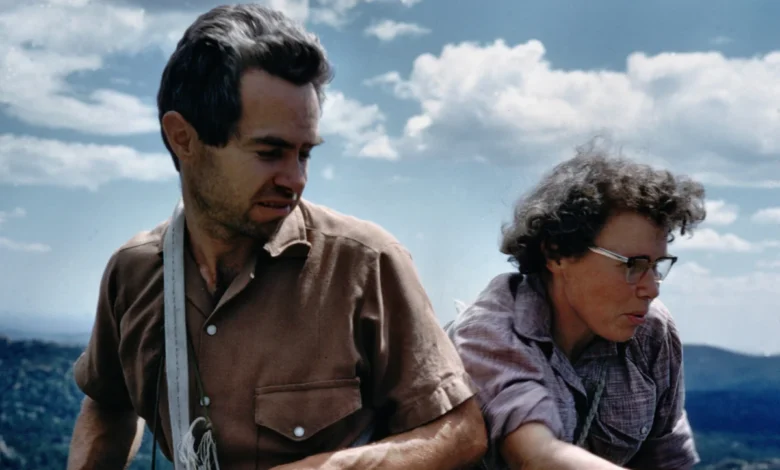
While most awards in the competition are book-length, the Mountain Article prize recognizes long-form journalism. Chad Heddleston’s piece, The Misfits, profiles Jan and Herb Conn, the pioneering American rock climbing couple. The piece was celebrated by the jury for its focus on the "integrity of life choices" and the couple’s adherence to an early 20th-century spirit of climbing austerity, which contrasts sharply with the commercialization of modern adventure sports.
Jury Mentions: Technical and Visual Mastery
In addition to the primary winners, the jury bestowed Special Jury Mentions upon two works that demonstrated exceptional technical utility and visual impact:
- Spirit of the Great Bear by Jack Plant: A collection of photography that documents the Great Bear Forest. Plant’s work was highlighted for its ability to capture the ephemeral light and biodiversity of a region currently under significant conservation scrutiny.
- Glacier Travel & Crevasse Rescue by Ian Nicholson: A manual that has already been hailed for its accessibility. Jury member Lauren DeLaunay Miller noted that Nicholson successfully demystifies one of the most intimidating skill sets in mountaineering through precise, actionable instruction.
The Economic and Cultural Impact of the Awards
The recognition provided by the Banff Mountain Book Competition has tangible impacts on the careers of the winning authors. Historically, winners see an uptick in distribution, international speaking engagements, and further opportunities within the niche but lucrative outdoor media sector.
Beyond the individual success of the authors, the competition creates a broader ripple effect within the publishing industry. By validating specific themes—such as the urgent need for environmental advocacy in wilderness literature—the Banff Centre effectively steers the focus of future research and writing. The competition also acts as a barometer for public interest; the high volume of entries regarding climate change and human-wildlife conflict in the 2026 cycle reflects a growing societal awareness of the fragility of mountain ecosystems.
Analysis: A Shift Toward Reflexive Narratives
A critical analysis of the 2026 winners reveals a distinct shift in the genre of "Mountain Literature." While the canon was historically dominated by tales of first ascents, peak-bagging, and survival against the elements, recent years have shown a pivot toward the reflexive and the environmental. Authors are no longer merely documenting the "conquest" of a mountain; they are analyzing the sociological and environmental consequences of being there.
This trend is most visible in the works of Adam Weymouth and Trina Moyles, where the landscape is treated as a participant in the story rather than a static backdrop. This transition suggests that the readership for mountain books is maturing, seeking narratives that address the complex ethical implications of outdoor recreation in an era of global environmental decline.
Moving Toward the Grand Prize
The announcement of the category winners is the prelude to the festival’s crescendo. On November 5, the international community will turn its attention to the Banff Centre for the declaration of the Grand Prize winner. This final accolade carries a significant cash award and the prestige of being considered the "best of the best" in the global mountain literature community.
As the industry prepares for the final ceremony, the 2026 competition stands as a testament to the enduring power of the written word in the context of the world’s most extreme environments. Whether through the lens of a camera, the ink of a journal, or the manual of a rescue technician, these winners represent the current state of our global conversation with the mountains. The legacy of this year’s competition will likely influence the direction of outdoor journalism for years to come, ensuring that the stories of the peaks remain as vital as the mountains themselves.