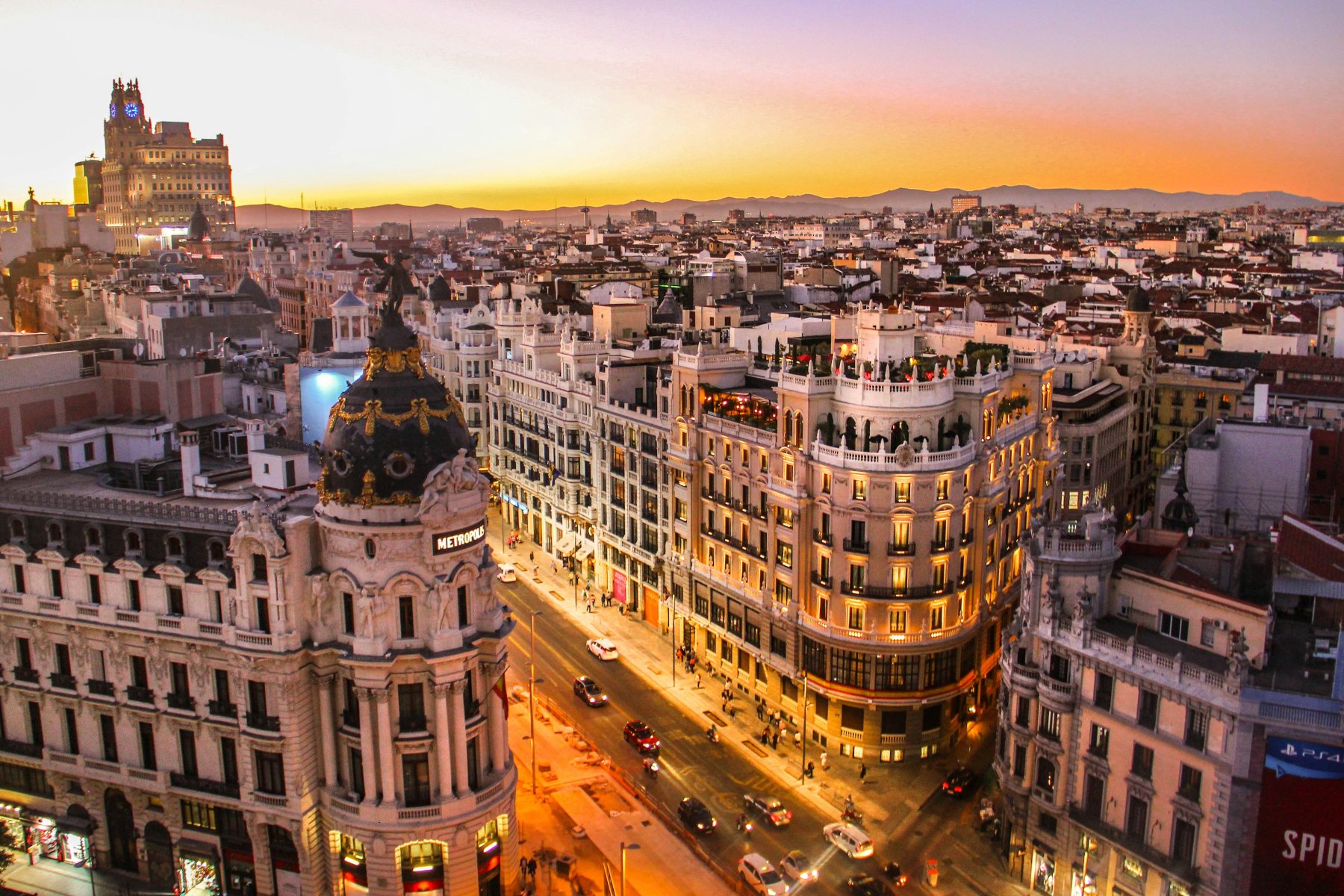
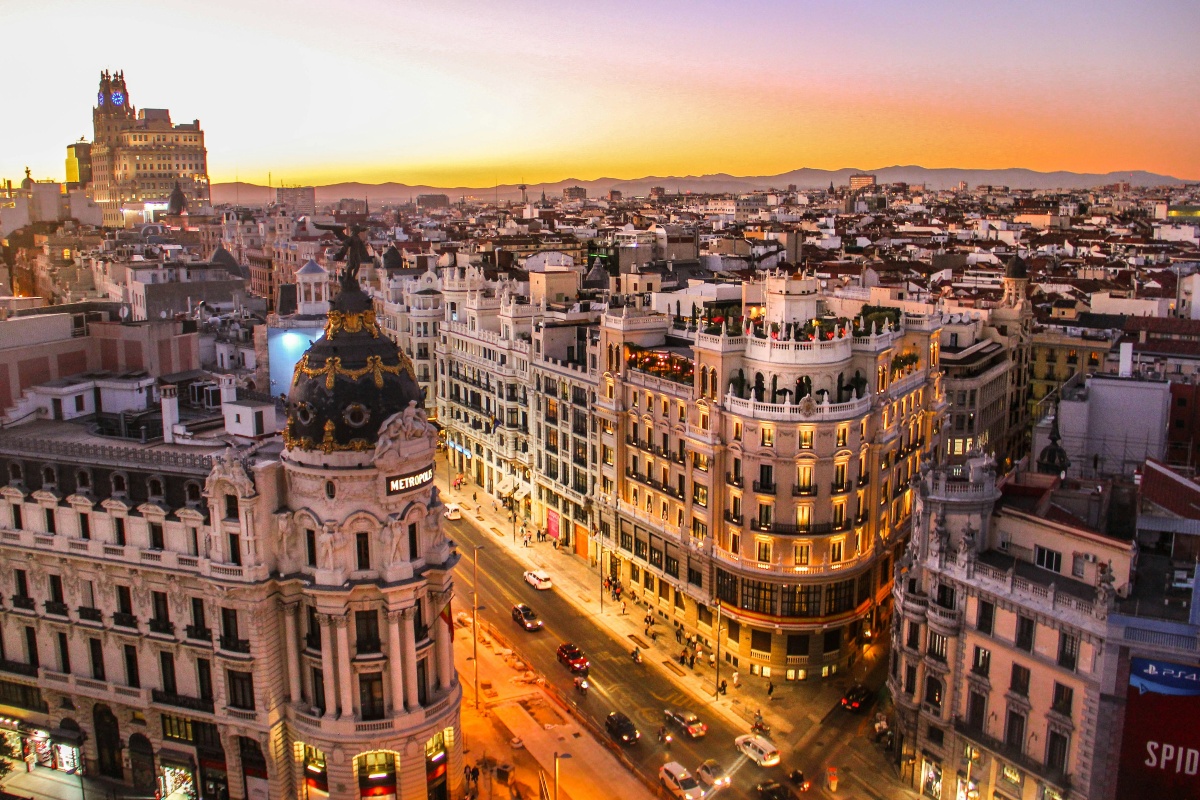
Madrid frequently stands apart from its Spanish counterparts as an urban center defined by regal architecture, institutional gravity, and an understated warmth. While Barcelona channels artistic eccentricity and Seville projects a soulful romanticism, the capital functions as Spain’s grand administrative and cultural heart. Beneath its imposing Belle Époque facades, wide boulevards, and sprawling royal institutions lies a society deeply accommodating to multi-generational family life. For international travelers navigating urban environments with children, Madrid offers an accessible, pedestrian-friendly ecosystem where public squares remain active late into the evening and children are routinely integrated into mainstream social and culinary spaces.
To maximize a three-day excursion without over-scheduling, families must carefully balance monumental landmarks with the rhythm of daily life characteristic of the capital. According to tourism data from the Community of Madrid, family travel segments visiting the region prioritize flexible itineraries that combine historical education with recreational green spaces. The following comprehensive framework outlines a strategic 72-hour schedule designed to engage travelers of all ages.
Day One: Regal Heritage, Horticultural Landmarks, and Evening Traditions
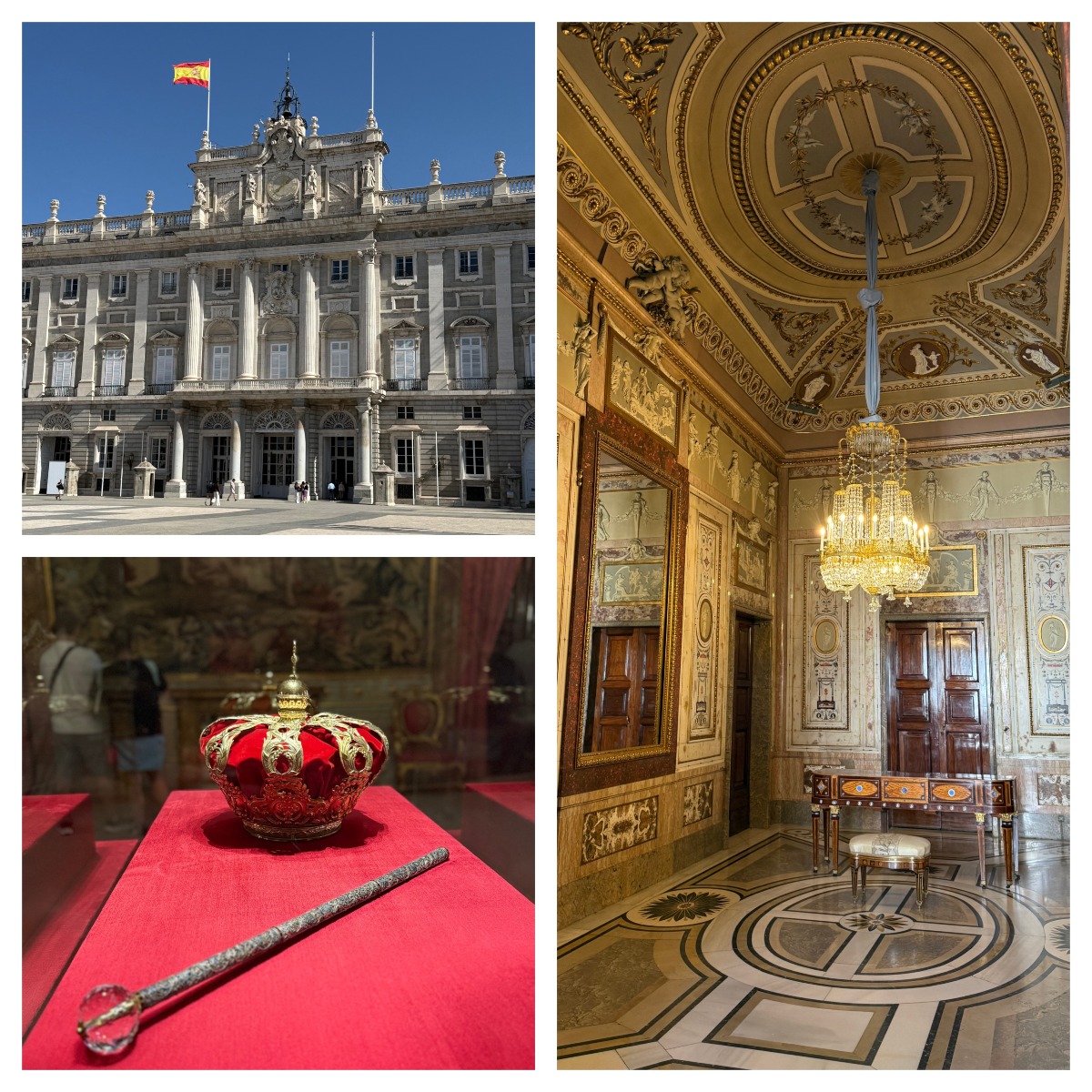
The historical foundation of Madrid is inextricably linked to the Spanish monarchy, making the Palacio Real an essential starting point. Constructed primarily during the 18th century upon the site of an earlier Moorish alcazar, the palace serves as the official residence of the Spanish royal family, though contemporary monarchs reside elsewhere. The expansive structure features more than 3,000 rooms, highlighting the opulence of the Bourbon dynasty through lavish state apartments, frescoes by Tiepolo, and preserved crystal chandeliers.
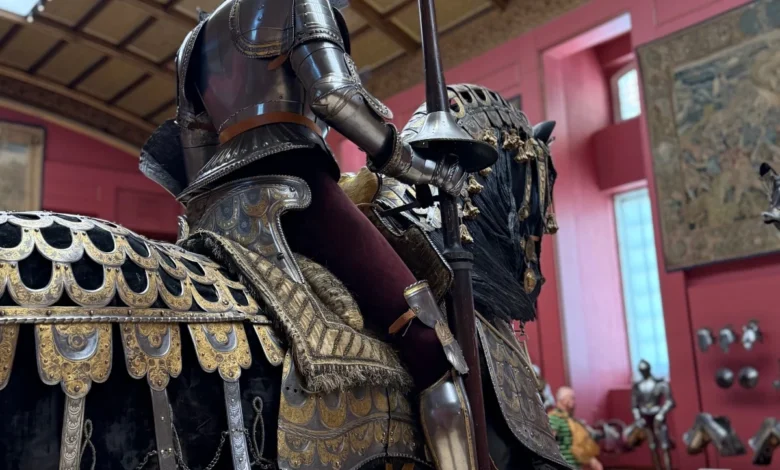
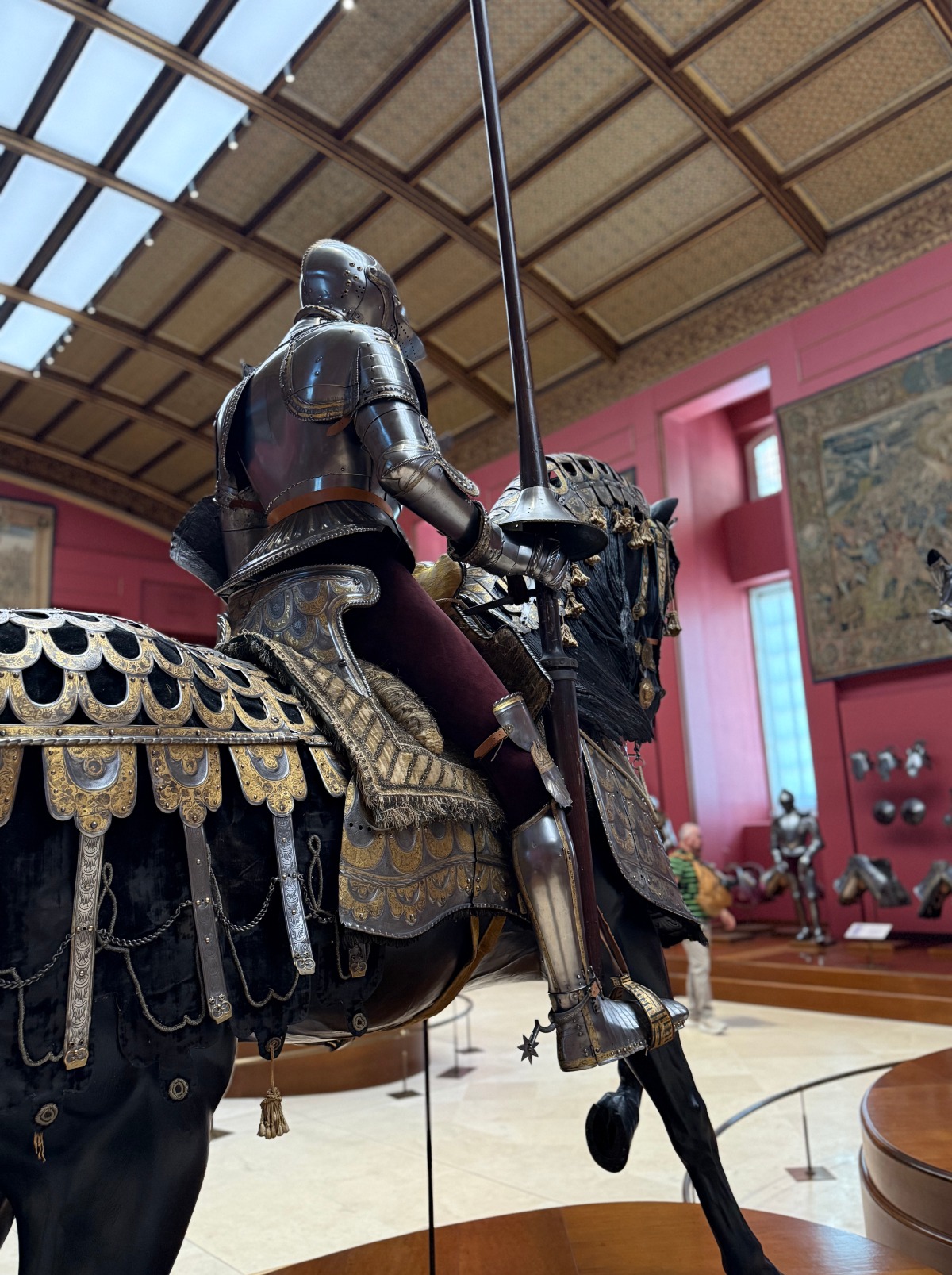
To maintain engagement among younger visitors, guides and educational specialists recommend transforming the architectural tour into an interactive exercise, such as identifying recurring royal heraldry or examining the historic armory. The Royal Armoury houses an extensive collection of tournament and ceremonial armor dating back to the Habsburg era, including complete harnesses designed for both monarchs and their mounts. Following the indoor tour, visitors frequently transition to the adjacent Campo del Moro gardens, an 19th-century landscaped park offering shaded walking paths and open lawns.
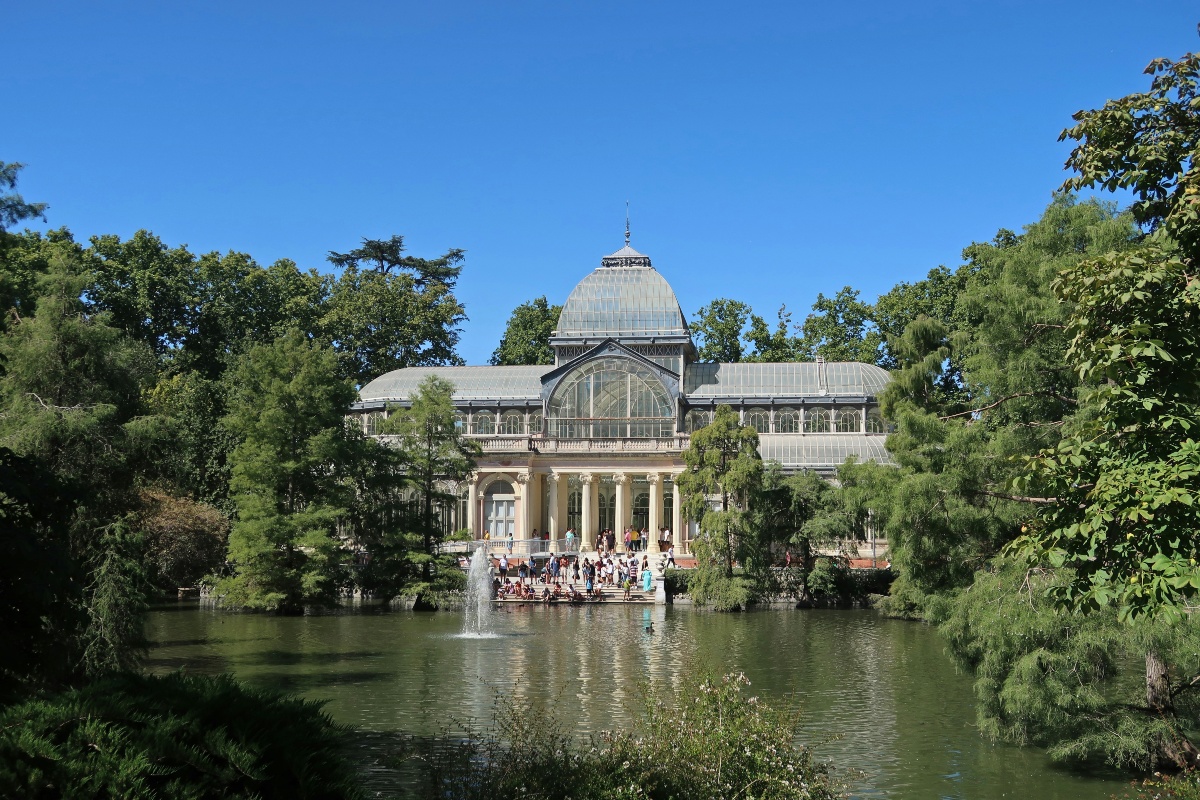
By mid-afternoon, families can transition toward Parque del Retiro, a 350-acre urban park originally constructed as a private retreat for the Spanish monarchy. Transferred to municipal ownership in the late 19th century, the park features monumental fountains, formal rose gardens, and the iconic Palacio de Cristal—a wrought-iron and glass pavilion built in 1887 that currently houses rotating contemporary art installations managed by the Museo Reina Sofía. The park’s central lake, Estanque Grande, accommodates rowboat rentals, while designated zones regularly feature traditional open-air puppet performances at the municipal theater.
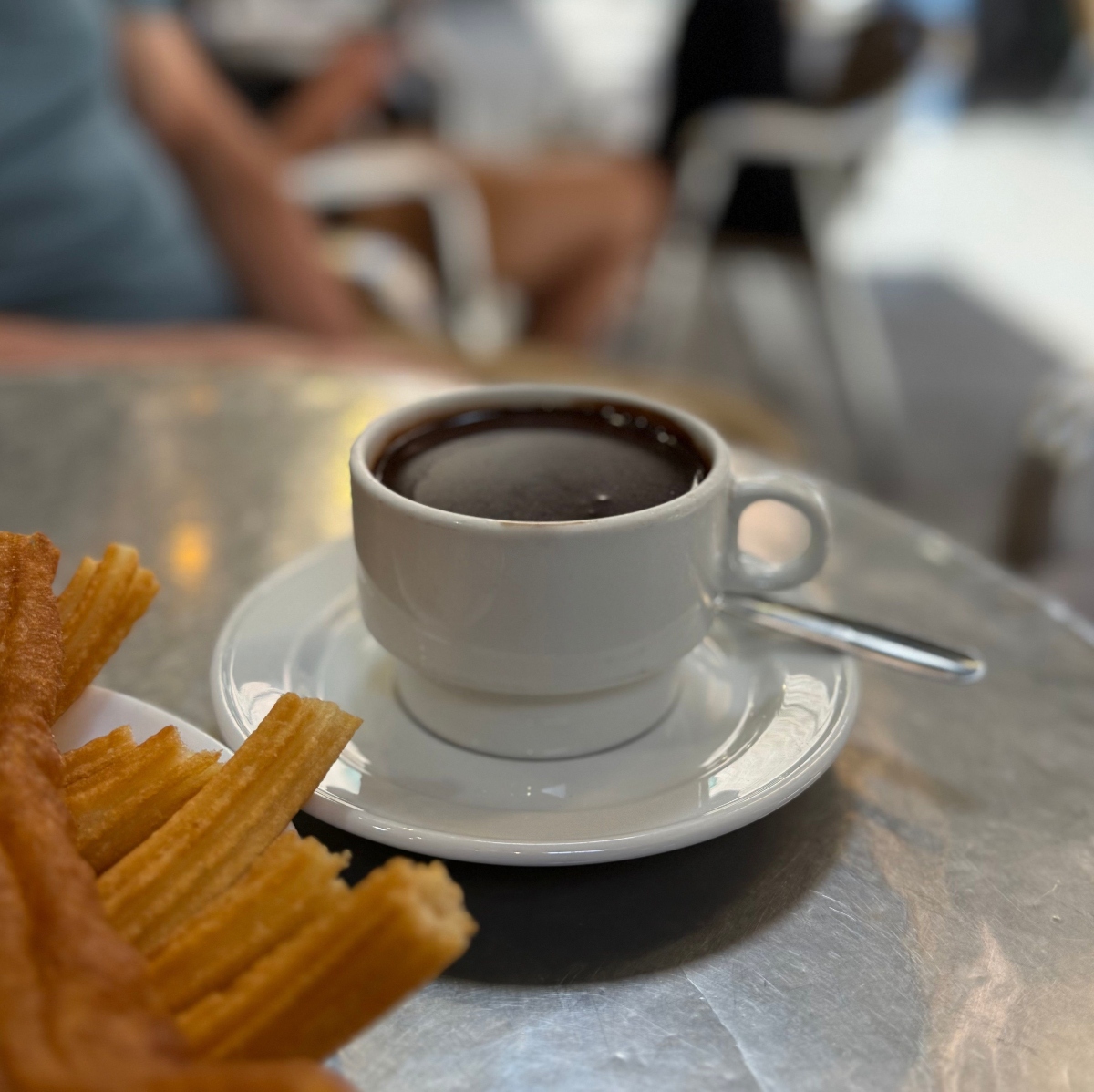
As twilight approaches, the city transitions into the traditional evening paseo. This widespread social custom involves families, couples, and multi-generational groups taking unhurried strolls along major commercial and residential corridors. To complement this cultural immersion, visitors often frequent historical culinary institutions such as Chocolatería San Ginós, operating continuously since 1894, to sample traditional fried dough pastries dipped in high-density hot chocolate.
Day Two: Gastronomic Exploration, Outdoor Recreation, and Cultural Performance
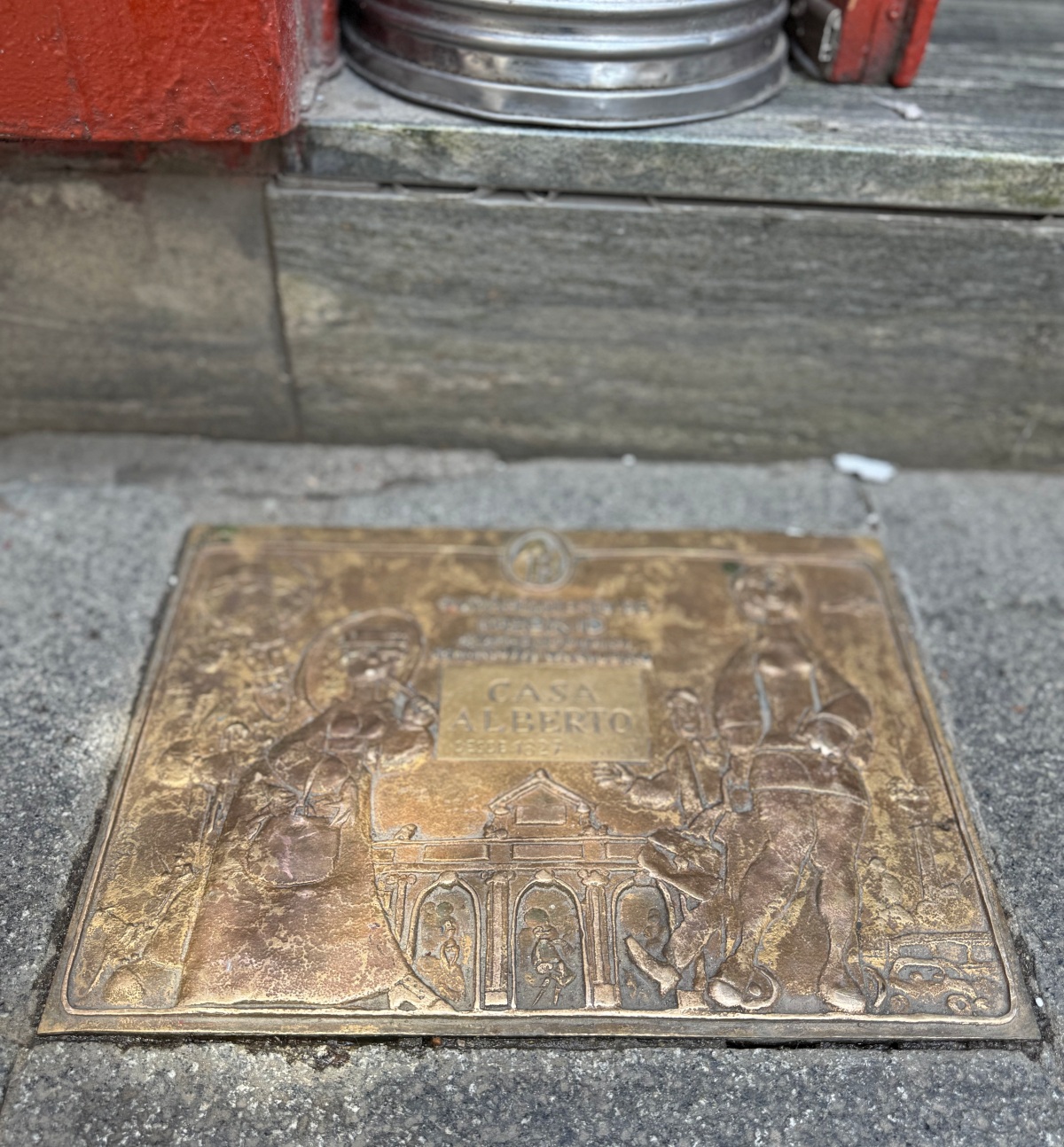
Urban exploration in Madrid is profoundly shaped by its culinary infrastructure, which reflects centuries of regional migration and agricultural trade. A guided gastronomic tour provides an efficient methodology for introducing children to traditional tapas culture without requiring extended sit-down dining commitments. Standard culinary waypoints across historic districts typically feature items such as jamón ibérico, croquetas, and seafood derivatives. These culinary walks also offer historical insights; embedded brass sidewalk plaques throughout the city center commemorate historical businesses and ancient taverns, serving as physical markers of Madrid’s commercial lineage.
The afternoon schedule pivots toward ecological and recreational spaces situated within Casa de Campo. Spanning over 4,000 acres, this municipal park functions as the city’s primary green lung. Historically utilized as a royal hunting reserve, the territory now encompasses the Zoo Aquarium Madrid and the Parque de Atracciones amusement park. While transit to the park is traditionally facilitated by the urban cable car system—the Teleférico de Madrid—families must verify operational status ahead of time, as major infrastructure upgrades and capital improvement projects scheduled through the mid-2020s periodically restrict service.
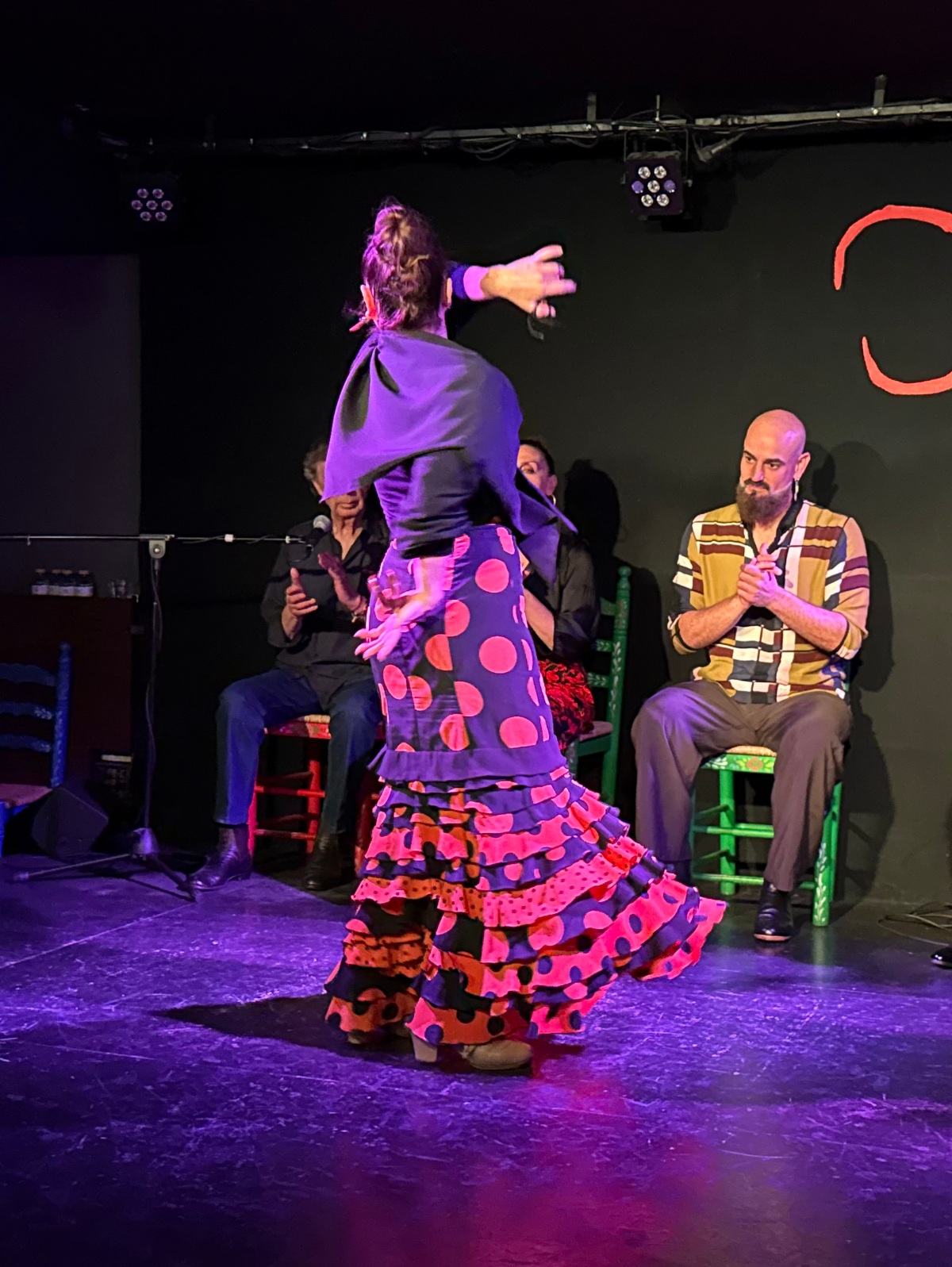
The evening itinerary centers upon the performing arts through an intimate flamenco tablao. Although flamenco’s geographic origins are deeply rooted in the southern region of Andalusia, Madrid has functioned as a primary cultural incubator for the art form since the 19th century. Industry analysts note that contemporary tablaos in the capital emphasize acoustic fidelity and improvisational integrity, offering audiences an up-close examination of complex percussive footwork, guitar composition, and vocal delivery. Selecting appropriate venues requires careful timing, as late-night performance schedules may conflict with the circadian rhythms of younger travelers.
Day Three: The Golden Triangle of Art, Athletic Heritage, and Riverside Regeneration
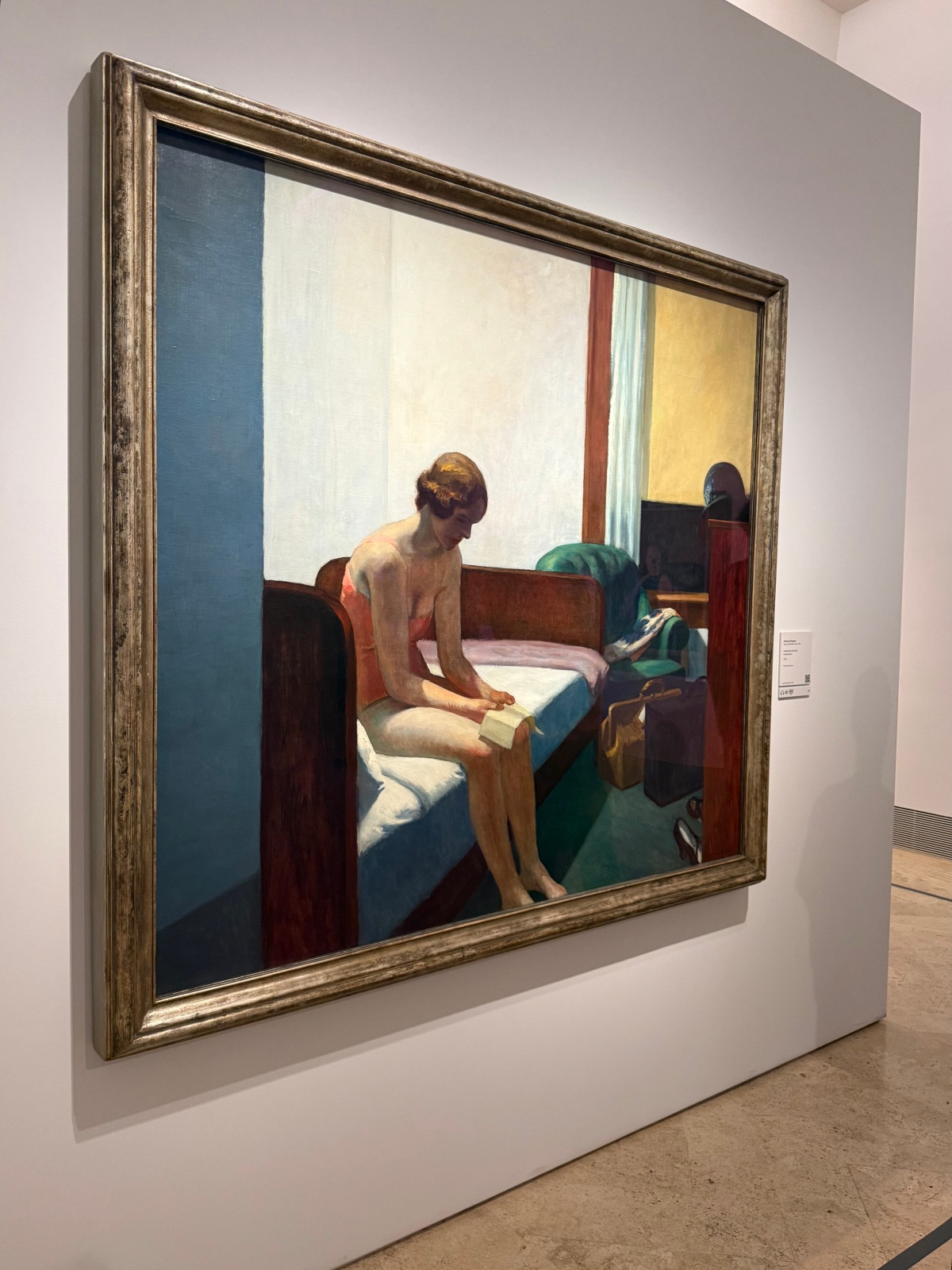
No cultural assessment of Madrid is complete without examining its premier art institutions, collectively referred to as the Golden Triangle of Art. Situated along the Paseo del Prado, this cluster includes the Prado Museum, the Thyssen-Bornemisza Museum, and the Reina Sofía Museum. Each facility caters to distinct educational and aesthetic priorities.
The Prado Museum holds a preeminent global collection of European art from the 12th to the early 20th centuries, with foundational holdings of Spanish masters such as Diego Velázquez, Francisco Goya, and El Greco. Velázquez’s 1565 masterpiece, Las Meninas, remains a primary focal point for educational tours due to its complex perspective and self-referential composition. To accommodate families, the museum distributes specialized youth-oriented multimedia guides designed to contextualize complex historical themes for younger audiences.
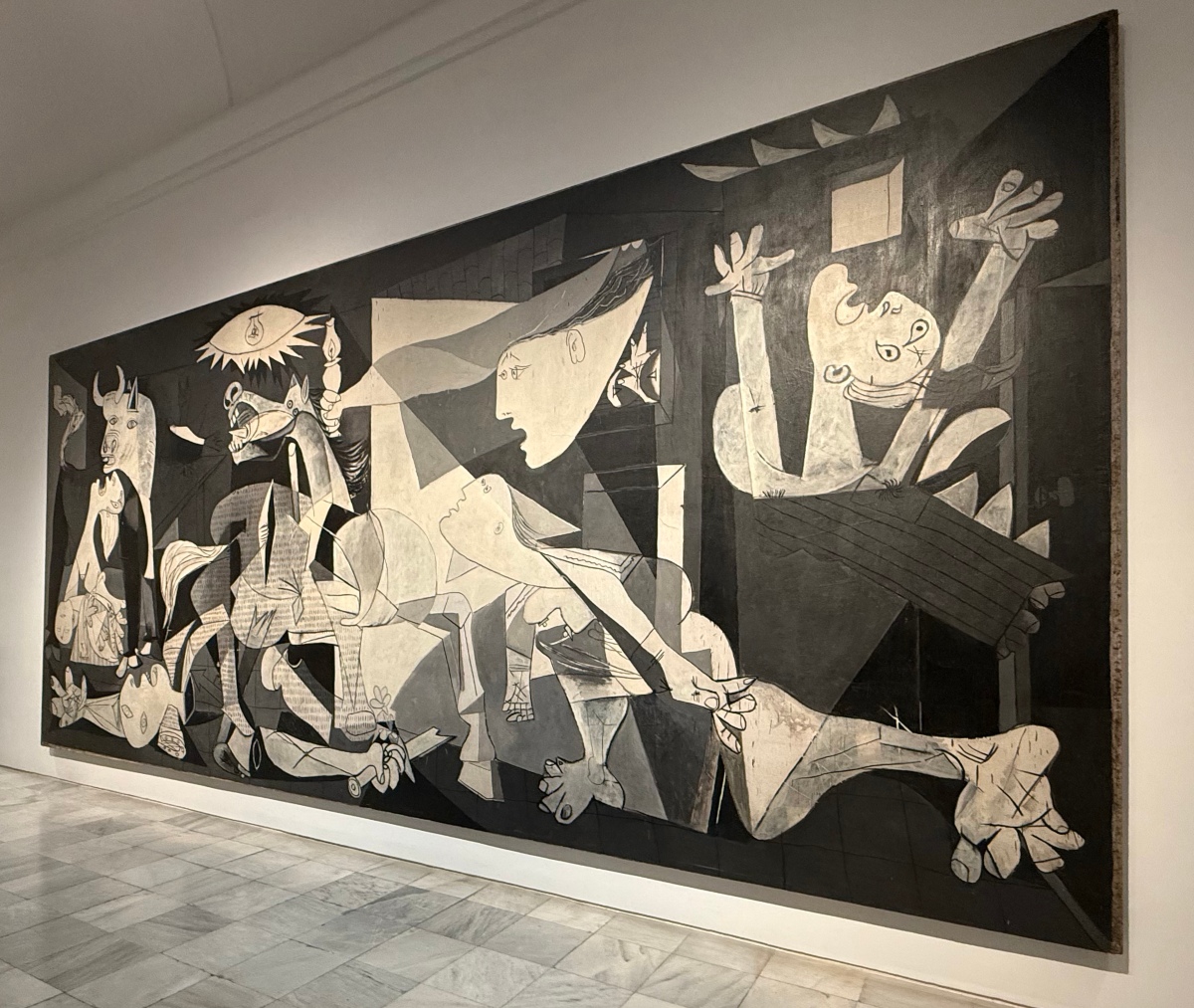
For families prioritizing modern and contemporary works, the Reina Sofía Museum houses Pablo Picasso’s monumental 1937 anti-war painting, Guernica. Created in direct response to the aerial bombing of a Basque town during the Spanish Civil War, the canvas employs stark monochrome symbolism to document conflict and political trauma. Given the gravity of the subject matter, educational specialists recommend reserving the exhibition for older children and adolescents capable of contextualizing historical warfare.
Alternatively, families inclined toward contemporary sports culture frequently allocate the afternoon to touring the Santiago Bernabéu Stadium. As the home ground of Real Madrid Football Club, the facility underwent a multi-year modernization program exceeding €1 billion, establishing it as a multipurpose entertainment and athletic venue. Stadium tours grant public access to player dressing rooms, the presidential box, the players’ tunnel, and historical trophy exhibitions, offering a comprehensive look at the institutional and economic scale of European professional sports.
For travelers seeking outdoor leisure away from traditional tourist hubs, Madrid Río provides an alternative urban landscape. Developed following the subterranean diversion of the M-30 highway along the Manzanares River, this linear park reclaims industrial waterfront zones for pedestrian and recreational use. The development features specialized playgrounds, bicycle thoroughfares, and striking architectural installations such as the spiral Arganzuela Footbridge, demonstrating contemporary urban planning strategies focused on family-friendly infrastructure.
Extended Itineraries: Day Excursions to Toledo and Segovia
Travelers allotting a fourth day to their itinerary frequently utilize Spain’s high-speed rail network to visit surrounding historical centers, most notably Toledo and Segovia.
Toledo, situated approximately 30 minutes south of Madrid by rail, occupies a dramatic gorge above the Tagus River. Known historically as the "City of Three Cultures," Toledo preserves architectural and cultural strata reflecting the coexistence of Christian, Muslim, and Jewish communities throughout the medieval period. Because of its complex socio-religious history and steep, labyrinthine topography, professional historical guidance is widely recommended to interpret the city’s architectural monuments accurately.
Segovia, located northwest of the capital, is internationally recognized for two principal engineering and architectural achievements: the Roman Aqueduct of Segovia and the Alcázar of Segovia. The aqueduct, constructed from unmortared granite blocks during the late 1st or early 2nd century AD, transported municipal water across a deep valley and remained operational well into the 20th century. The Alcázar, characterized by its distinctive slate spires and defensive fortifications, served as a primary royal fortress and residence for the Crown of Castile, heavily influencing subsequent castle architecture across Western Europe. Both regional destinations offer accessible day-trip logistics via high-speed rail, reinforcing Madrid’s strategic position as a central hub for family-oriented cultural exploration in the Iberian Peninsula.