The completion and opening of the Nichupte Bridge marks a pivotal shift in the infrastructural landscape of Cancún, offering a strategic solution to the chronic traffic congestion that has historically plagued the transit corridor between the city’s downtown district and its world-renowned Hotel Zone. By providing an alternative route across the Nichupté Lagoon, the project addresses the logistical challenges inherent in a destination that has seen its annual visitor numbers climb steadily over the last decade. This development is not merely a transport improvement; it is a fundamental reconfiguration of how millions of tourists and local residents navigate one of Mexico’s most vital economic hubs.
A Chronology of Infrastructure Evolution
For years, the Kukulcán Boulevard served as the primary, and often sole, artery connecting the mainland to the narrow barrier island that hosts the majority of Cancún’s luxury resorts. As regional tourism expanded, the resulting gridlock became a point of friction for international travelers and a source of daily frustration for the local workforce.
The necessity for a secondary access point gained significant momentum following the pandemic, as tourism numbers in the Mexican Caribbean rebounded with unprecedented vigor. Government officials and urban planners identified the lagoon crossing as the most efficient way to redistribute traffic. Preliminary designs and feasibility studies began in the early 2020s, with the formal groundbreaking ceremony signaling the commencement of one of the region’s most ambitious public works projects. Throughout the construction phase, the project faced the complex challenge of environmental preservation, given the delicate ecosystem of the Nichupté Lagoon. The successful completion of the bridge in 2026 serves as a testament to modern engineering capabilities in ecologically sensitive zones.
Strategic Infrastructure and Economic Data
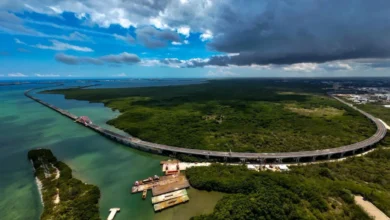
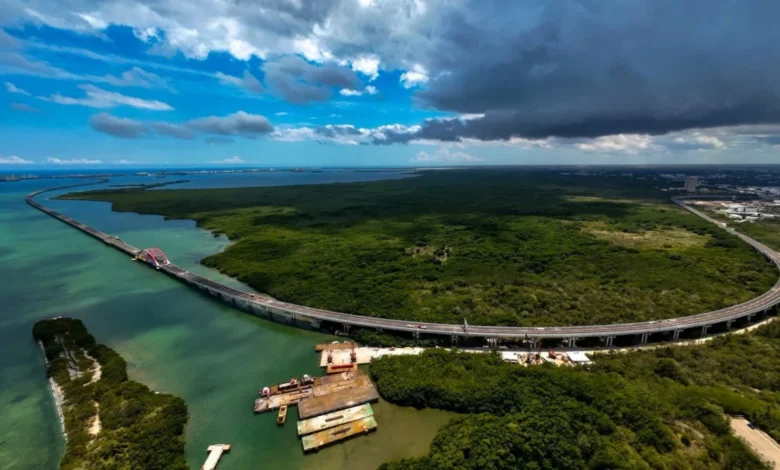
The Nichupte Bridge is a sprawling engineering feat, stretching across the lagoon to create a direct link between the Colosio Boulevard and the Hotel Zone. Statistical projections provided by the Mexican Caribbean Tourism Board suggest that the new bridge will reduce average commute times by up to 40 percent during peak tourist seasons.
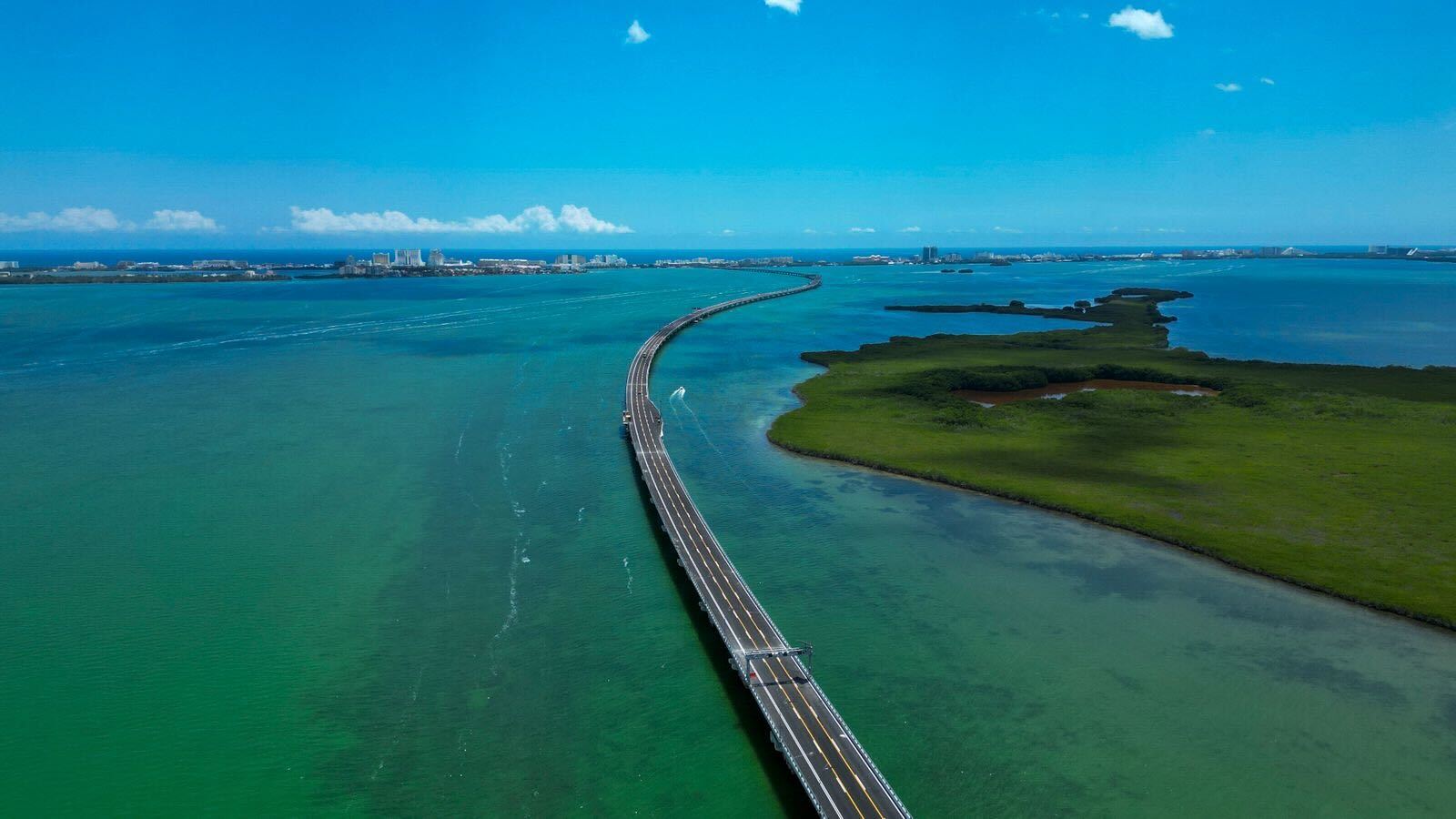
Data regarding tourism flows indicates that Cancún remains a global leader in international arrivals. In 2025 alone, the region welcomed over 30 million visitors through its international airport. With such high volume, even minor improvements in traffic flow yield significant gains in total travel satisfaction. Economic analysts have noted that by minimizing the time spent in transit, the bridge indirectly supports higher spending in downtown establishments. Historically, the distance and traffic between the resort strip and the city center discouraged many tourists from venturing out for dining or cultural experiences. By shortening the travel time, the city is effectively expanding the catchment area for local businesses, fostering a more integrated urban economy.
Official Perspectives and Industry Recognition
The importance of this infrastructure project was underscored during the EDGE 2026 conference held in San Diego. The event, which brings together global leaders in travel and tourism, served as the platform for the Mexican Caribbean Tourism Board to highlight the project’s completion. Andrés Martínez Reynoso, CEO of the Mexican Caribbean Tourism Board, framed the bridge as a "transformational project" that aligns with the broader, long-term development goals for the state of Quintana Roo.
According to statements released during the conference, the initiative is part of a larger, multi-year plan to modernize the state’s transport network. This vision includes not only the bridge but also significant upgrades to the surrounding road networks and the integration of the Maya Train, which is designed to connect the wider Yucatán Peninsula. Industry experts at EDGE 2026 emphasized that the project reflects a shift in priority: governments are moving away from passive growth and toward active management of the tourist experience, ensuring that infrastructure keeps pace with the sheer volume of visitors.
The Broader Impact on Regional Tourism
The implications of the Nichupte Bridge extend well beyond the immediate convenience of a faster commute. The Mexican Caribbean has long been defined by its "resort-centric" model, where the traveler’s experience is largely contained within the perimeter of their hotel. However, modern global travel trends suggest that today’s visitors are increasingly seeking "experiential" travel—they want to engage with the local culture, explore urban centers, and move freely between distinct locales.
By removing the "logistical friction" of heavy traffic, the bridge enables a more fluid movement of people. This has profound implications for destinations like Playa del Carmen and Tulum, as the region moves toward a more interconnected model of regional tourism. When infrastructure facilitates movement, it encourages longer stays and a higher variety of activities, which in turn increases the total economic yield per visitor.
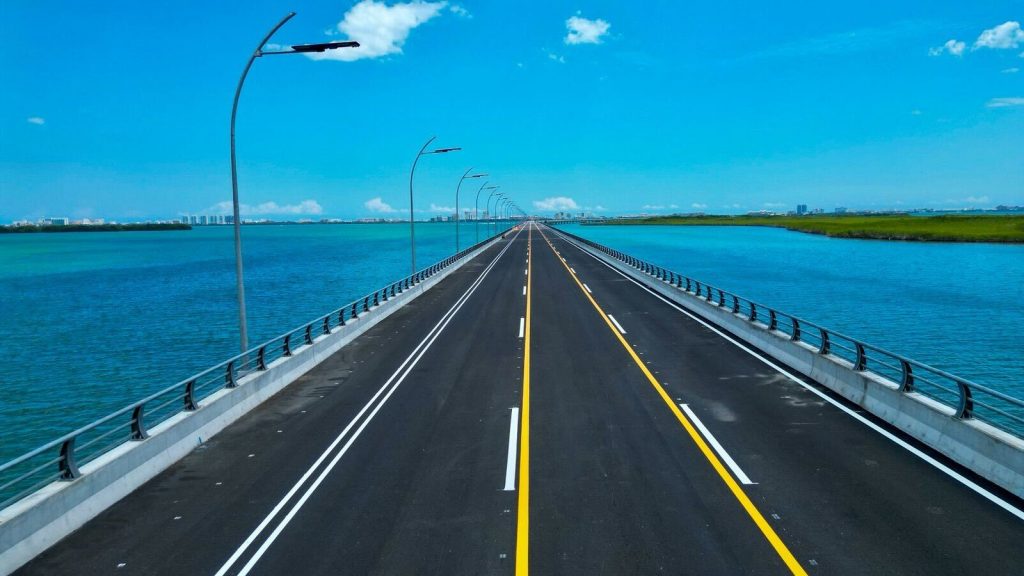
Furthermore, the project sets a precedent for how future growth in the Mexican Caribbean will be managed. The success of this bridge suggests that future large-scale projects will likely prioritize sustainability and accessibility. As the region prepares for events such as the upcoming EDGE 2027 conference in the Cancún–Riviera Maya area, the focus remains on ensuring that the physical environment is capable of supporting the high demands of modern global tourism without sacrificing the natural beauty that attracts visitors in the first place.
Analyzing Future Urban Development
The decision to invest in a multi-million dollar bridge project also speaks to the long-term confidence in the region’s stability. Investors and hoteliers often look for signs of government commitment to public infrastructure before expanding their own footprints. The completion of the Nichupte Bridge serves as a clear signal that the public sector is dedicated to maintaining the competitive edge of the Mexican Caribbean.
From an urban planning perspective, the bridge allows for better emergency response capabilities. In the past, the reliance on a single road meant that any accident or blockage could paralyze the entire Hotel Zone, creating significant risks for both visitors and service providers. The redundancy provided by the new route is a major upgrade to the region’s resilience.
As we look toward the remainder of the decade, it is clear that the standard for a luxury destination has evolved. It is no longer enough to offer pristine beaches and high-end amenities. The "rhythm of travel," as it is described by industry insiders, involves every touchpoint of the journey—from the moment a traveler leaves the airport to the moment they check out. By tackling the logistical bottlenecks, the Mexican Caribbean is positioning itself to lead in this new era of high-efficiency tourism.
Ultimately, the Nichupte Bridge is a tangible manifestation of a changing philosophy. It represents a transition from a reactive approach—where infrastructure is built only after a crisis—to a proactive strategy that anticipates the needs of a growing population. For the average traveler, it means a more seamless, enjoyable, and stress-free vacation. For the region, it is a foundation upon which future economic prosperity will be built. As the focus shifts toward the upcoming 2027 summit, the bridge will undoubtedly be cited as a prime example of how thoughtful, large-scale engineering can elevate the quality of an entire destination.
Related posts: