Navigating the Kuwait-Iraq Border Crossing: A Comprehensive Guide for International Travelers and Overlanders

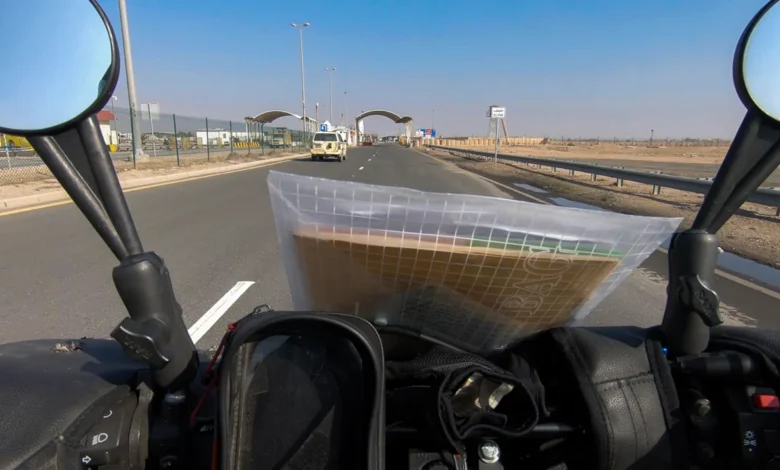
The overland passage between Kuwait and Iraq, specifically via the Abdali-Safwan crossing, has emerged as a vital logistical corridor for international travelers and overlanders seeking to traverse the Middle East. While historically perceived as a complex logistical challenge due to regional geopolitical instability, current border operations have stabilized, offering a streamlined process for those equipped with the requisite documentation. This crossing serves as a primary gateway for individuals transitioning between the Arabian Peninsula and the Mesopotamian heartland, providing a more secure and predictable alternative to the more volatile routes situated further west.
Geopolitical Context and Security Landscape
The Abdali-Safwan border post is the sole official land crossing between Kuwait and Iraq. Its strategic importance has increased as tourism and regional trade have slowly normalized following years of conflict. The security environment at this crossing is significantly more favorable than the alternative transit point via Jordan. The Jordanian-Iraqi border, situated in the Western Desert, has frequently been subjected to heightened security alerts, leading to the occasional suspension of visa-on-arrival services and the mandatory implementation of military escorts for travelers moving toward Baghdad.
Conversely, the route from Kuwait into southern Iraq is considered stable. Basra, the first major urban center encountered after the border, acts as a commercial hub for the region. The relative proximity of the crossing to major infrastructure in both Kuwait and Southern Iraq has made it the preferred choice for logistical planners and independent travelers alike.
Chronology of Entry Procedures
Successful transit requires a rigorous adherence to administrative timelines. Travelers departing Kuwait must secure a mandatory "green permit," an authorization that acts as an exit clearance for the border region. This document is not issued at the border itself; it must be obtained at the Ports Management office in Kuwait City, located in the vicinity of the Kuwait International Airport.
Upon arrival at the Abdali crossing, the process is divided into three distinct phases: Kuwaiti exit formalities, the transit through the demilitarized zone, and Iraqi entry processing. During the peak of the 25th Arabian Gulf Cup in January 2023, for instance, the border experienced a surge in volume. Officials at the time reported that thousands of regional visitors utilized this crossing, which necessitated an increase in administrative throughput at the immigration and customs desks.
Mandatory Documentation and Regulatory Requirements
To ensure a seamless transit, travelers must organize their documentation well in advance of their arrival at the border zone. The following requirements represent the standard baseline for international transit:
- Visas: While some nationalities are eligible for visa-on-arrival (VOA) status for Iraq, others must secure entry authorization beforehand. Conversely, most foreign nationals entering Kuwait require an e-visa, which must be applied for and printed several days prior to the journey.
- Vehicle Documentation: The Carnet de Passages en Douane (CPD) is an essential instrument for the temporary importation of private vehicles. Customs officials at both the Kuwaiti and Iraqi sides of the border utilize this document to track vehicle movement and ensure compliance with international temporary import laws.
- The Green Permit: This specific document is a prerequisite for reaching the Iraqi border from the Kuwaiti side. Failure to present this at the initial checkpoints will result in immediate denial of access to the border zone.
- Financial Preparedness: There is no standardized currency exchange or ATM facility directly at the border. Travelers are advised to procure both Iraqi Dinar and US Dollars in advance. US Dollars are particularly essential for the payment of visa-on-arrival fees, which, as of 2023, were fixed at approximately $77 per person.
Comparative Analysis of Customs and Security Checks
Official interaction at the border is generally characterized by a high degree of cooperation, though language barriers remain a common hurdle. On the Kuwaiti side, the process is largely automated, with officials verifying the green permit and processing the exit fee, which typically amounts to 2 Kuwaiti Dinar (approximately $6 USD) for motorcycles and small vehicles.
The Iraqi side, however, operates with a higher degree of manual verification. Border officials have been observed conducting thorough reviews of passport history, specifically checking for stamps or visas that might indicate prior travel to Israel, which can trigger additional scrutiny under existing Iraqi regulations. Regarding the temporary import of vehicles, while some reports suggest a $100 fee for temporary entry permits, the application of this rule appears inconsistent. It is advisable for travelers to maintain their CPD documents in pristine condition, as this remains the primary proof of legal vehicle entry.
Broader Implications for Regional Connectivity
The normalization of the Abdali-Safwan border operations carries significant implications for regional tourism and cross-border trade. By facilitating the movement of independent travelers, both nations are indirectly signaling a commitment to regional stability. The ability for a traveler to transit from Kuwait to Basra with minimal friction suggests that the infrastructure for regional tourism is becoming more robust.
However, the lack of integrated insurance schemes remains a notable gap. International insurance providers generally do not offer coverage for Iraq, leaving travelers to rely on domestic arrangements or proceed without formal coverage, provided the local officials do not mandate proof of insurance. This reflects a broader trend in the region where institutional infrastructure has yet to fully catch up with the increasing demand for cross-border transit.
Strategic Advice for Future Transit
Travelers planning an overland crossing should account for the following operational realities:
- Operating Hours: The crossing typically commences operations at 09:00 AM. It is advised to arrive early to avoid the midday heat and the potential for increased traffic from commercial haulers and regional tourists.
- Communication: While the Zain network provides consistent coverage in Kuwait, travelers should be prepared to purchase a local SIM card upon entry into Iraq. Stands selling these cards are frequently found in the border town of Safwan, ensuring that travelers have access to data and navigation services immediately upon clearing customs.
- Flexibility: The nature of border bureaucracy in the region is such that individual interpretations of protocol can vary. It is essential to remain patient, provide clear documentation, and maintain a respectful demeanor during interactions with border security and customs personnel.
Conclusion and Outlook
The Kuwait-Iraq border crossing has transitioned from a high-risk transit point to a manageable, albeit bureaucratic, checkpoint. As long as travelers remain diligent regarding the acquisition of the Kuwaiti green permit, the validity of their Iraqi visas, and the proper documentation for their vehicles, the journey can be executed with a high degree of reliability. As regional cooperation continues to evolve, it is anticipated that further digitization of these border processes will occur, potentially removing some of the manual, paper-heavy requirements that currently define the experience. For now, the successful navigation of the Abdali-Safwan corridor remains a testament to the importance of preparation and the normalization of travel routes within the Middle East.