The Soul of the Street: Navigating Predictability and Gatekeeping in Contemporary Street Photography

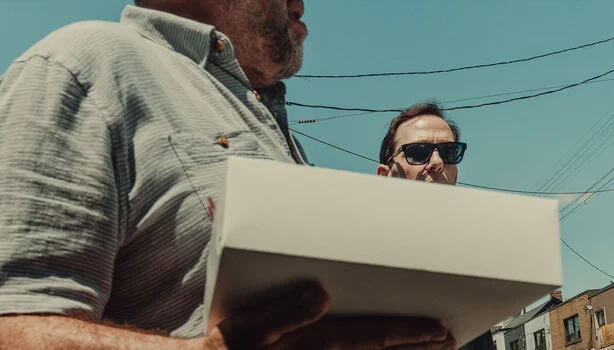
Street photography, a genre celebrated for its accessibility and the raw capture of life’s fleeting moments, is facing a crisis of authenticity, according to a growing chorus of critics and practitioners. While its democratic nature allows anyone with a camera to engage with the urban landscape, the genre’s immense popularity has, paradoxically, led to a pervasive sense of predictability and an increasingly rigid set of self-imposed rules. This phenomenon, critics argue, is stifling creativity and eroding the very essence of what makes street photography compelling.
The accessibility of street photography is undeniable. Unlike many other photographic disciplines that demand extensive travel, specialized equipment, or access to exclusive locations, street photography can be practiced in any town or city. This low barrier to entry has fueled its meteoric rise, particularly with the advent of social media platforms. The ability to share images instantly and receive immediate feedback has created a global community of street photographers. However, this democratization, some contend, has come at a cost.
A common observation among those immersed in the street photography world is the overwhelming repetition of certain visual tropes. Scrolling through platforms like Instagram, Flickr, or dedicated street photography forums often reveals a striking homogeneity. Recurring motifs include subjects dramatically illuminated by shafts of light, reflections captured in puddles, individuals framed by doorways or interacting with prominent street art, and the ubiquitous "grabbing hand" cliché. Even candid shots of people walking towards the camera, often taken from the hip with little apparent narrative or intent, have become a staple.
This perceived lack of originality is not a new concern. However, the sheer volume of images being produced and shared amplifies the issue. Data from image-sharing platforms indicates millions of photos tagged with "street photography" are uploaded daily, a significant portion of which, according to some observers, fall into these predictable patterns. This saturation has led to a debate about whether the genre is becoming formulaic, losing its capacity to surprise and engage audiences.
The influence of social media algorithms and popular online personalities is frequently cited as a primary driver of this trend. Aspiring photographers, eager to gain traction and acceptance within the "street photography tribe," often emulate the styles and subjects that receive the most likes and shares. This creates a feedback loop where predictable imagery is rewarded, further encouraging its proliferation. The author of the original critique, who prefers to remain anonymous but has been practicing street photography for decades, notes, "We’re not exploring the world around us with curiosity; we’re simply hunting for examples of images that platforms like Instagram have programmed us to look for." This sentiment suggests a shift from genuine observation to a form of visual curation driven by external validation.
The Rise of the Gatekeepers: Defining and Restricting Street Photography
Adding another layer of complexity to the discourse is the emergence of self-appointed "gatekeepers" who meticulously define what constitutes "proper" street photography. These individuals, often vocal in online forums and social media groups, enforce a rigid set of unwritten rules that, for many, stifle artistic freedom.
One common decree dictates that street photography must be entirely candid, meaning any photograph where the subject is aware of the camera or has posed is deemed invalid. This perspective excludes many potentially powerful images, such as portraits of interesting individuals who consent to be photographed, or detailed shots of storefronts and architectural elements that capture the character of a street without human presence. The author recounts an instance where a young photographer, using a prestigious Leica M6, informed them that asking an interesting person for permission to take their photo was not "proper" street photography, as it compromised the candid nature of the shot.
Furthermore, these gatekeepers often dismiss photographs that do not strictly adhere to their narrow definition. Storefronts, architectural details without a human element, empty streets, and even photographs taken with longer lenses to capture distant scenes are frequently relegated to other genres like urban exploration or architectural photography. The argument is that true street photography requires proximity and the capture of spontaneous human interaction.
This phenomenon is not unique to street photography, but it appears particularly pronounced within this genre. Unlike landscape photographers who are generally not questioned about the specific geological criteria of a mountain, or wildlife photographers who focus on capturing animals in their natural habitats, street photographers often find their work subjected to intense scrutiny regarding its classification. Debates frequently erupt on online forums, pitting street photography against documentary, urban, or environmental portraiture.
The core of this debate, according to critics of gatekeeping, is the misplaced emphasis on labels over the inherent quality and impact of the photograph itself. As one observer posited, "The photograph either works or it doesn’t. It’s interesting, or it’s not. It tells a story and makes you wonder what’s going on, or it doesn’t." This perspective suggests that the pursuit of a definitive genre label detracts from the primary goal of creating meaningful and engaging images.
A Legacy of Curiosity: Reconsidering the Masters
A review of the work of renowned street photographers from past eras reveals a different approach, one less concerned with rigid classifications and more driven by personal curiosity and artistic vision. Figures like Henri Cartier-Bresson, William Eggleston, Tom Wood, and Peter Mitchell are often cited for their diverse bodies of work, which encompassed people, architecture, shopfronts, and inanimate objects – whatever captured their attention. Their photographs were deeply personal, born from genuine interest rather than a desire to conform to pre-existing genre expectations.
Cartier-Bresson, for instance, is celebrated for his concept of the "decisive moment," but his oeuvre also includes portraits and still lifes. William Eggleston, a pioneer of color photography, explored the mundane and often overlooked aspects of American life, from diners to roadside attractions, blurring the lines between fine art and everyday reality. Tom Wood’s work, particularly his "Photographs of the Commonplace," deliberately sought out the ordinary, finding beauty and narrative in the seemingly unremarkable. Peter Mitchell’s vibrant and often surreal depictions of British life further demonstrate a willingness to push boundaries and follow his unique perspective.
These artists, by all accounts, did not adhere to a strict checklist of what constituted street photography. Their work was a reflection of their individual gazes upon the world, driven by an insatiable curiosity. This approach, many argue, is what imbues their photographs with enduring power and authenticity, fostering a connection with viewers that transcends genre definitions.
Revitalizing Street Photography: Towards Authenticity and Originality
The question then arises: how can contemporary street photography move beyond its current predicaments of predictability and rigid gatekeeping? Several avenues for revitalization are being explored.
One immediate step suggested is to consciously move away from the most overused tropes. While capturing a person in a shaft of light or a reflection in a puddle can be technically proficient and aesthetically pleasing, the sheer volume of such images risks diminishing their impact. The author of the original critique suggests, "We could stop photographing a stranger walking down the street doing absolutely nothing out of the ordinary. That would be a start."
While documenting everyday life remains a valuable pursuit, the sheer number of street photographers today means that simple documentation alone may no longer be sufficient to create compelling and memorable images. For a photograph to truly resonate in the current landscape, it needs to offer more. The author proposes that the most impactful street photographs tend to possess at least one of three qualities: they evoke emotion, they suggest a narrative, or they possess a unique visual element or perspective. Often, photographs that achieve all three become truly exceptional.
The challenge of originality in street photography is intrinsically linked to the desire to belong. The internet has fostered a sense of community, which is vital for creative individuals. However, this desire for community can inadvertently lead to conformity. When the primary motivation becomes fitting into a "cool tribe" rather than pursuing personal vision, originality can be sacrificed.
The path forward, according to proponents of a more authentic approach, lies in introspection and a redirection of focus. Instead of asking, "What should a street photographer photograph?" and seeking answers on social media, photographers are encouraged to ask themselves a more fundamental question: "What am I genuinely interested in?" This shift in perspective can lead to a more personal and unique body of work.
Redefining the Street Photographer’s Gaze
This reorientation towards personal interest often leads photographers to explore subjects that might be overlooked by those adhering to more conventional definitions of street photography. The author, for instance, now finds themselves increasingly drawn to photographing shopfronts, safety cones, signs, architectural details, layers of visual information, colors, gestures, and subtle human interactions – elements that many street photographers might bypass in their search for more overt human drama.
This expanded view challenges the notion that street photography must always feature prominent human subjects or spontaneous action. It posits that the street itself, with its textures, forms, and silent narratives, can be a rich source of compelling photographic material. The argument is that by focusing on what genuinely captures their attention, photographers can create work that is honest, personal, and imbued with a sense of soul.
The implications of this shift are significant. It suggests a potential broadening of the street photography genre, making it more inclusive and adaptable to individual artistic visions. It also implies a move away from the pursuit of external validation towards an internal compass of curiosity and passion. As the street photography landscape continues to evolve, the emphasis is increasingly on fostering a creative environment where authenticity and individual expression are valued above adherence to rigid, and often arbitrary, rules. The future of street photography may well depend on its practitioners’ ability to look beyond the predictable and find the extraordinary in the everyday, guided by their own unique perspectives and a deep-seated curiosity about the world around them.
Related posts: