Stepping off a small 11-seater Dash turboprop aircraft after a brief hop from Maui, travelers to Molokai instantly realize they are arriving in a different era of the Pacific. There are no jet bridges, multi-story terminals, or sprawling taxiways. Instead, passengers are greeted by open-air tarmacs and a rugged, deeply traditional landscape. Often referred to as "The Friendly Island," Molokai remains Hawaii’s least developed major island, maintaining a quiet, intensely rural character that stands in sharp contrast to the bustling tourism hubs of Oahu, Maui, and the Big Island.
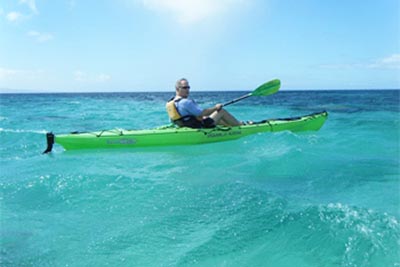
With a resident population hovering around 7,400 people, the island has fiercely resisted large-scale commercial tourism and corporate development for decades. This resistance is not merely a preference for isolation, but a deliberate effort by Native Hawaiian communities to protect their ancestral lands, cultural sites, and traditional subsistence lifestyles from the pressures of modern mass tourism.
Geography and Aerial Perspective from the Flight
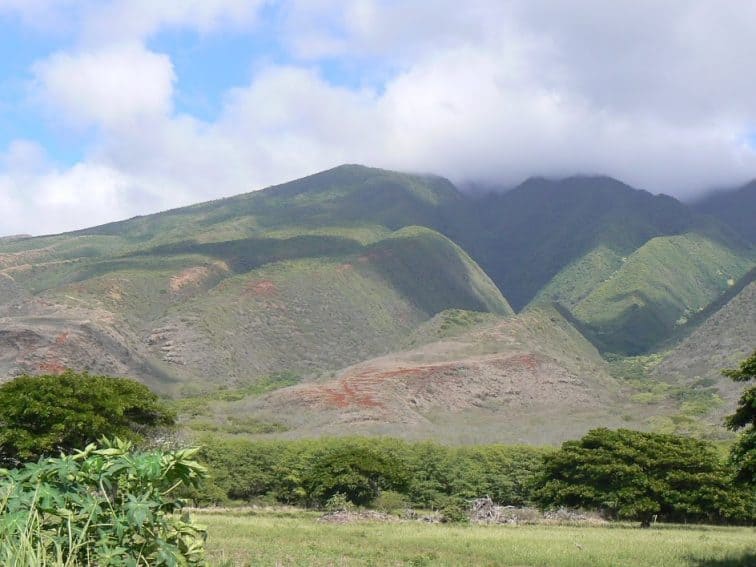
Approaching Molokai by air offers an extraordinary visual introduction to its stark terrain. From an altitude of just a few thousand feet, the island’s topography reveals itself in dramatic fashion. Bright green grooves—geological formations resembling massive tentacles or deep mountain folds—stream down from the highest summits toward the coast. The shades of green shift dynamically between brilliant emerald and muted moss, carved by centuries of rain and wind.

Aside from narrow, winding roads climbing toward the cloud-draped peaks, visible signs of human infrastructure are sparse. Vast expanses of untouched wilderness stretch across the mountainsides, creating an eerie yet breathtaking landscape. Upon landing at the modest airport and collecting a rental vehicle, visitors quickly discover the island’s most famous urban trivia: there is not a single traffic light on the entire island of Molokai.
Kaunakakai Town and Local Community Life
The island’s commercial heart is Kaunakakai, a sleepy coastal town where daily life moves at an unhurried pace. Just outside the town sits the Hotel Molokai, the island’s primary lodging property. The hotel features low-rise Polynesian-style architecture, a pool framed by tiki torches, and an open-air bar where local musicians frequently perform traditional slack-key guitar and ukulele melodies.
For years, entertainment options in Kaunakakai were limited to outdoor recreation and community gatherings. However, local news reports highlighted a significant milestone for the community: the planned development of the island’s first movie theater in nearly two decades, providing residents with a local cinema option for the first time in 17 years.
Despite the slow pace, living on Molokai presents distinct economic challenges. The cost of living is high, driven by expensive imported goods, high electricity rates, and limited local employment opportunities outside of agriculture and government services. Many residents rely on traditional subsistence practices—such as coastal fishing, hunting, and farming—to supplement their livelihoods. This self-reliance has fostered a tight-knit community structure, though it has also contributed to a complex and sometimes contentious relationship with outside developers and corporate ventures.
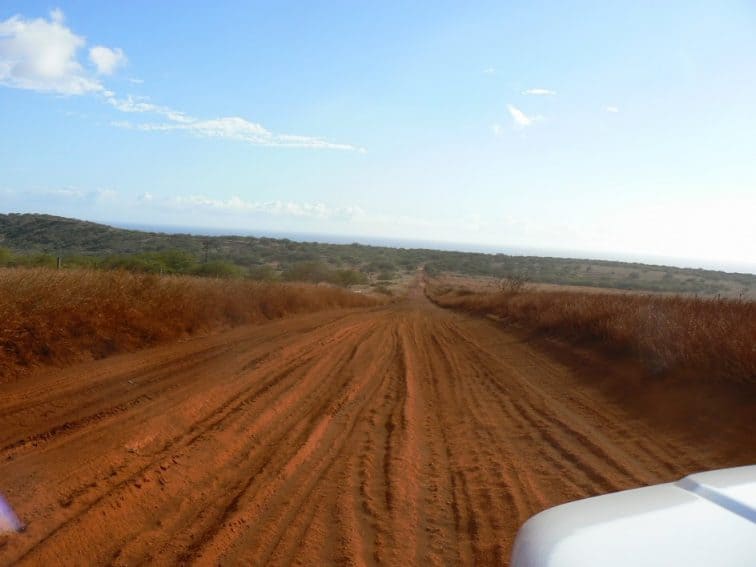
Agricultural Roots Versus Corporate Development
Molokai’s economic history has long been defined by the tension between large-scale commercial ventures and local preservation efforts. For much of the 20th century, the island’s western end was dominated by the Molokai Ranch, a massive agricultural and cattle operation that served as the primary economic engine for the company town of Maunaloa.
However, the closure of most ranch operations in 2008 marked a turning point for the region. Subsequent proposals by landowners to construct hundreds of luxury homes and resort facilities met fierce, organized opposition from local residents and cultural preservationists. Protesters argued that large-scale resort development would strain limited water resources, accelerate the cost of living, and erode the island’s unique cultural heritage.
The rejection of major development projects, such as the shuttered Kaluakui Hotel and the abandoned resort plans at Kaupoa Beach, left parts of the island’s west end quiet and largely vacant. While some communities experienced population decline and job losses following these closures, local leadership and residents largely defended the decisions, prioritizing ecological sustainability and cultural integrity over transient tourism revenue. Today, Molokai’s economy remains rooted in traditional agriculture, including seed corn production, cattle ranching, and small-scale farming of crops like sweet potatoes and papayas.
Ancient Aquaculture: The Historic Fishponds of Molokai
One of Molokai’s most profound historical and ecological treasures is its ancient system of coastal aquaculture. Dating back centuries, Native Hawaiians constructed an intricate network of rock-walled fishponds along the island’s shallow southern shores. Originally numbering around 73 functional fishponds, these structures represent a sophisticated engineering feat unique to ancient Polynesia.
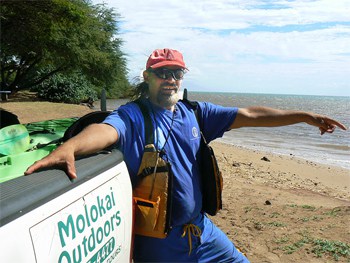
Guided excursions along the island’s offshore waters reveal how these stone enclosures operate. Built with precisely arranged rock walls, the fishponds allowed herbivorous fish to enter through narrow gates to feed on rich marine algae while remaining safely protected from larger open-ocean predators. Ancient resource management rules dictated strict harvesting quotas—ensuring that only a sustainable number of fish were taken while others remained to mature and attract predatory species.
Modern cultural practitioners and environmentalists have advocated for the restoration of these historic fishponds, viewing them not only as a marvel of ancient engineering but as a viable model for sustainable food security in the modern era.
Cultural Landmarks and Sacred Sites
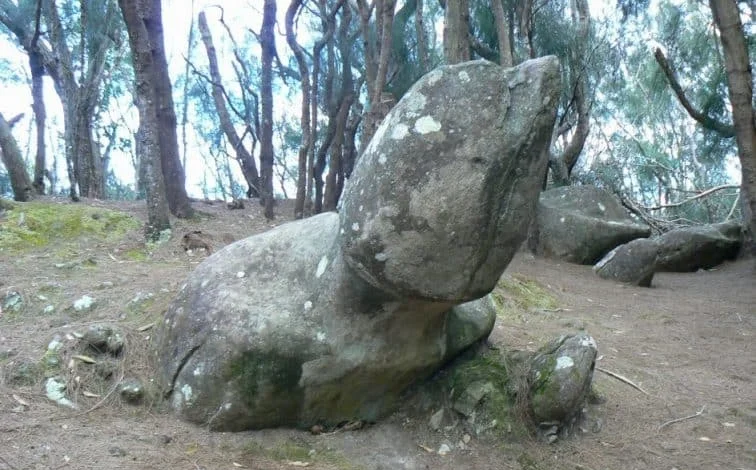
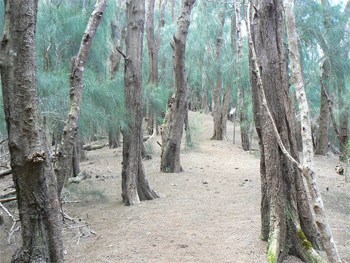
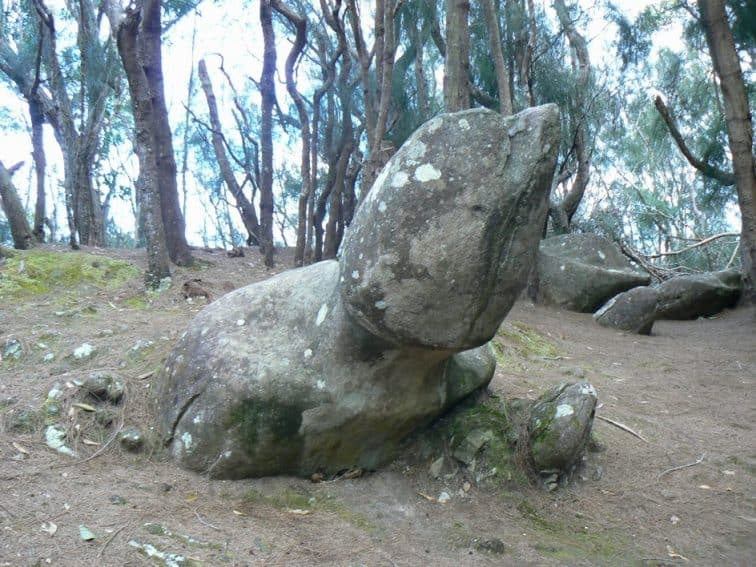
Molokai is exceptionally rich in sacred sites and deep-rooted Hawaiian traditions. Among the most prominent is the Phallic Rock (Kamakou), located at the end of a scenic trail winding through a peculiar forest of low-sweeping pine trees that whistle in the ocean breeze. According to traditional Hawaiian lore, the rock formation holds deep spiritual significance tied to fertility and ancestral mana (spiritual power). Strict signage and cultural protocols remind visitors to respect the sanctity of the site, which remains an active place of cultural reverence.
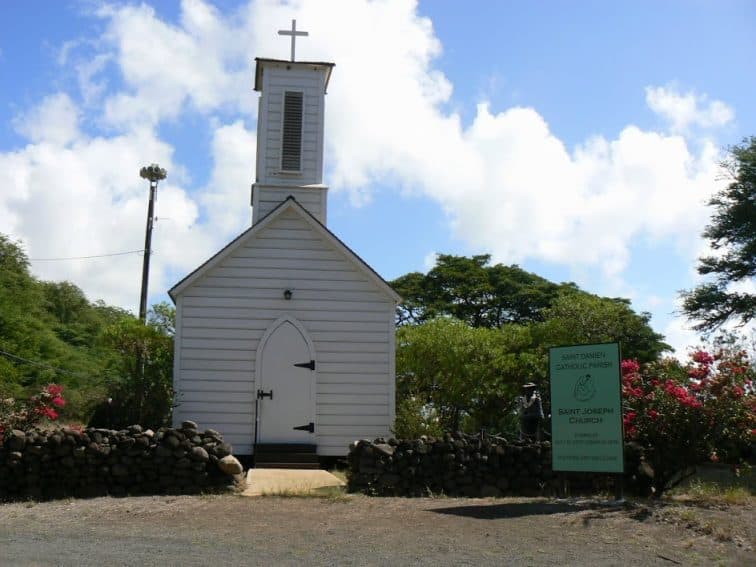
Further down the coast lies the Makanalua Peninsula, home to the historic Kalaupapa Settlement. Established in the late 19th century as a forced isolation zone for individuals suffering from Hansen’s disease (leprosy), Kalaupapa is a site of immense historical poignancy. It was here that the Belgian Catholic priest Father Damien de Veuster dedicated his life to caring for the afflicted patients, ultimately contracting the disease and passing away at the settlement in 1889. Canonized as a saint by the Roman Catholic Church in 2009, Father Damien’s legacy endures alongside the preservation efforts of the National Park Service, which administers the peninsula as the Kalaupapa National Historical Park. Today, only a tiny handful of former patients reside on the peninsula, maintaining a silent vigil over a landscape marked by profound human suffering and extraordinary compassion.
Tourism and the Ongoing Debate Over the Island’s Future
As the broader Hawaiian archipelago continues to grapple with the impacts of overtourism, overcrowding, and environmental degradation, Molokai stands as an intentional anomaly. Proposals to introduce small-scale cruise vessels or yacht-based tourism routinely draw immediate and vocal resistance from residents wary of any step toward transforming Molokai into "another Waikiki."
For the travelers who do make the journey—many of whom are repeat visitors returning year after year—the appeal lies precisely in what is missing: there are no massive resort complexes, no heavy traffic, and no frenetic nightlife. Instead, visitors find sweeping open spaces, pristine shorelines, an enduring Native Hawaiian culture, and a community fiercely dedicated to self-determination.
More than a decade after modern tourism assessments first highlighted its unique status, Molokai remains largely unchanged in the ways that matter most to its people. That unwavering commitment to preserving its natural beauty, historical heritage, and rural lifestyle continues to define Molokai’s enduring place in the modern Pacific.
Related posts: