The Hidden Mother: Unmasking the Victorian Era’s Most Persistent Photographic Enigma

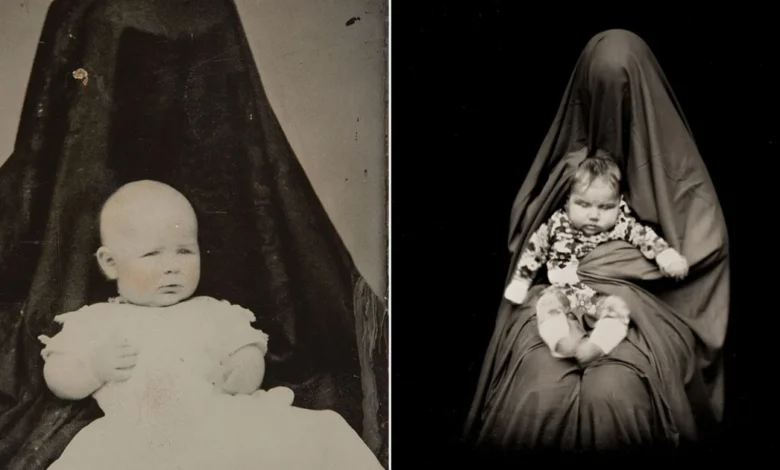
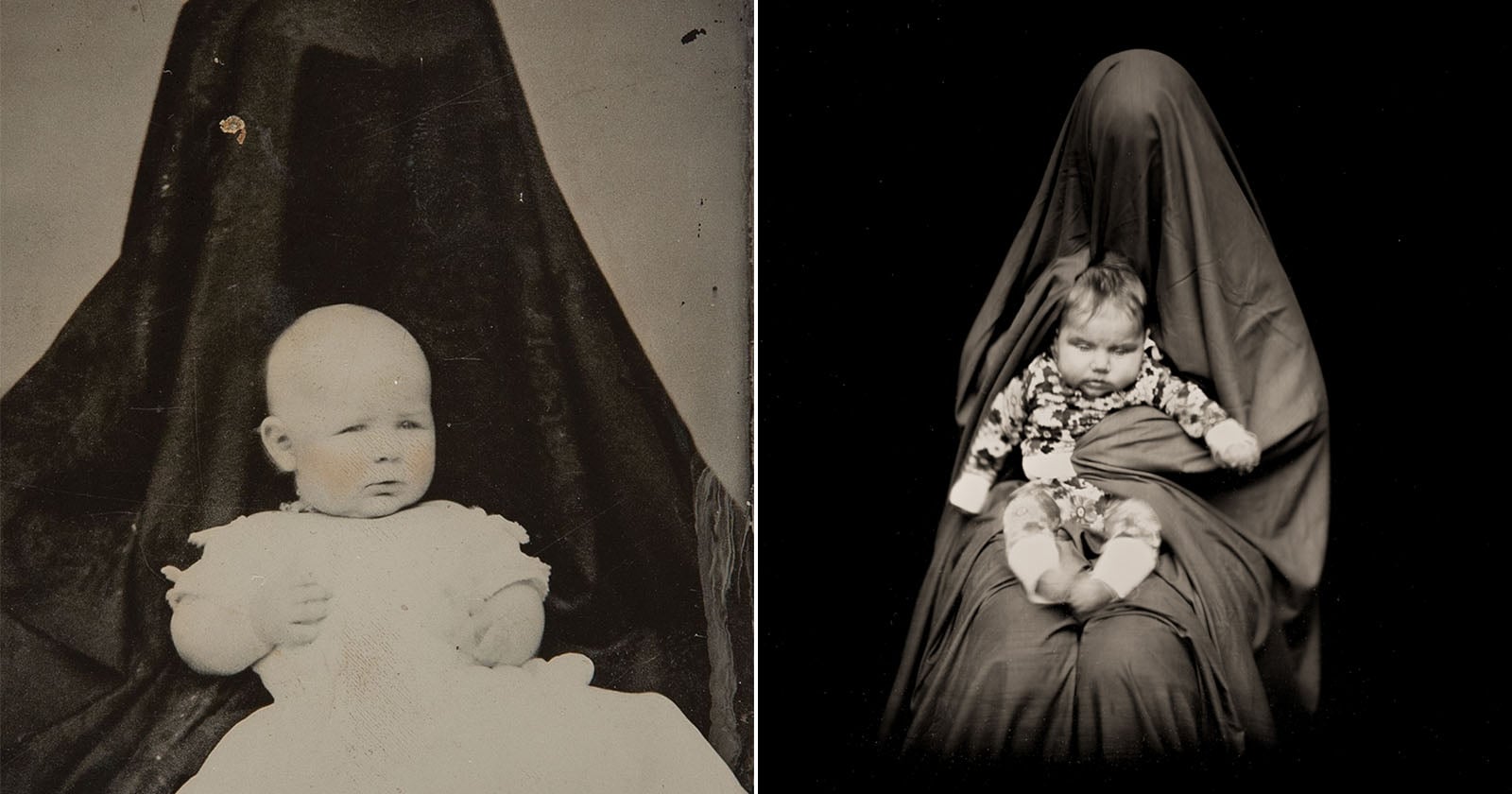
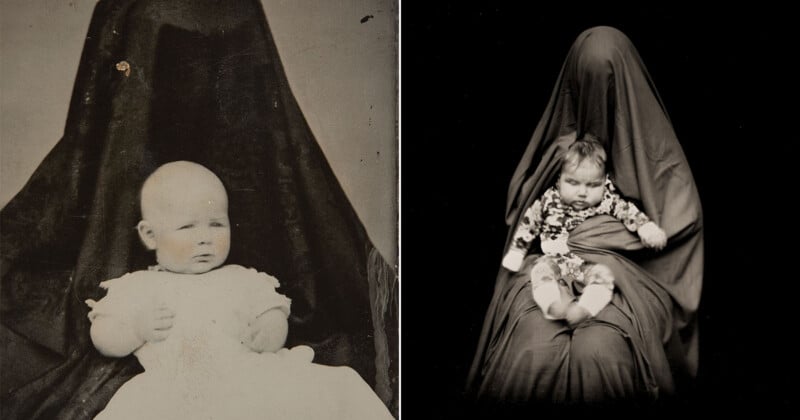
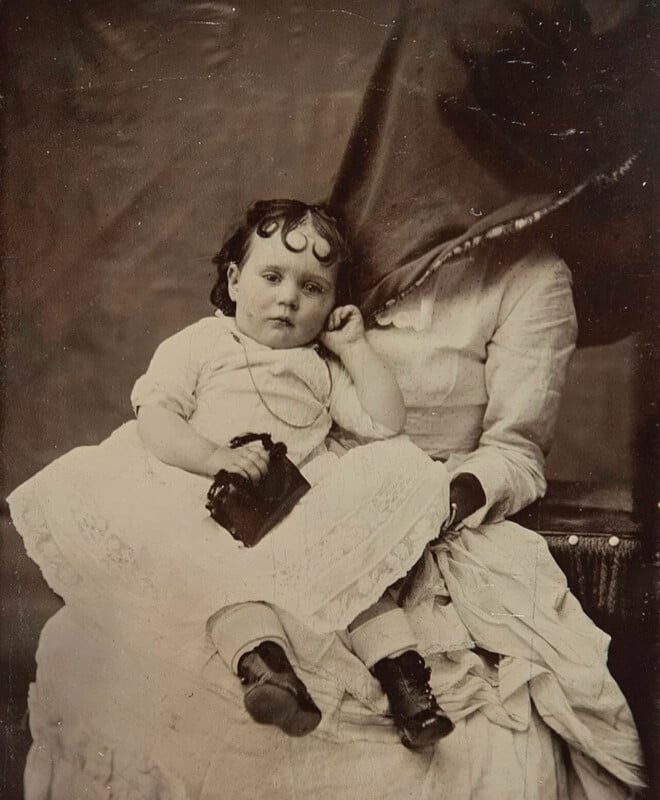
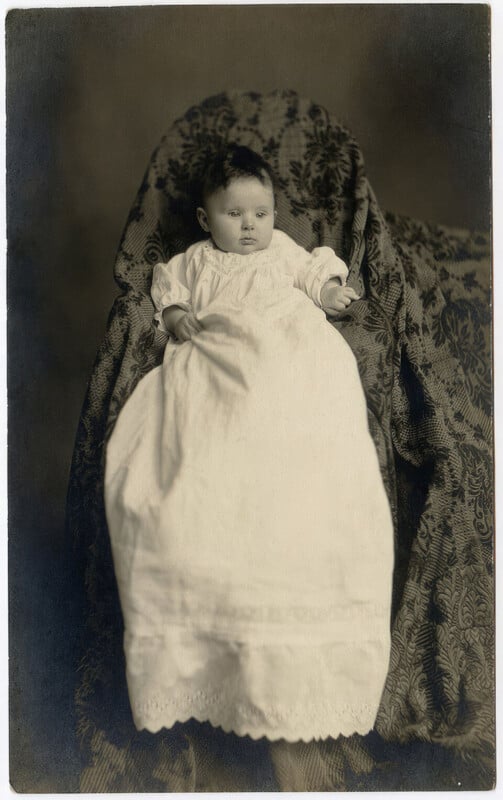
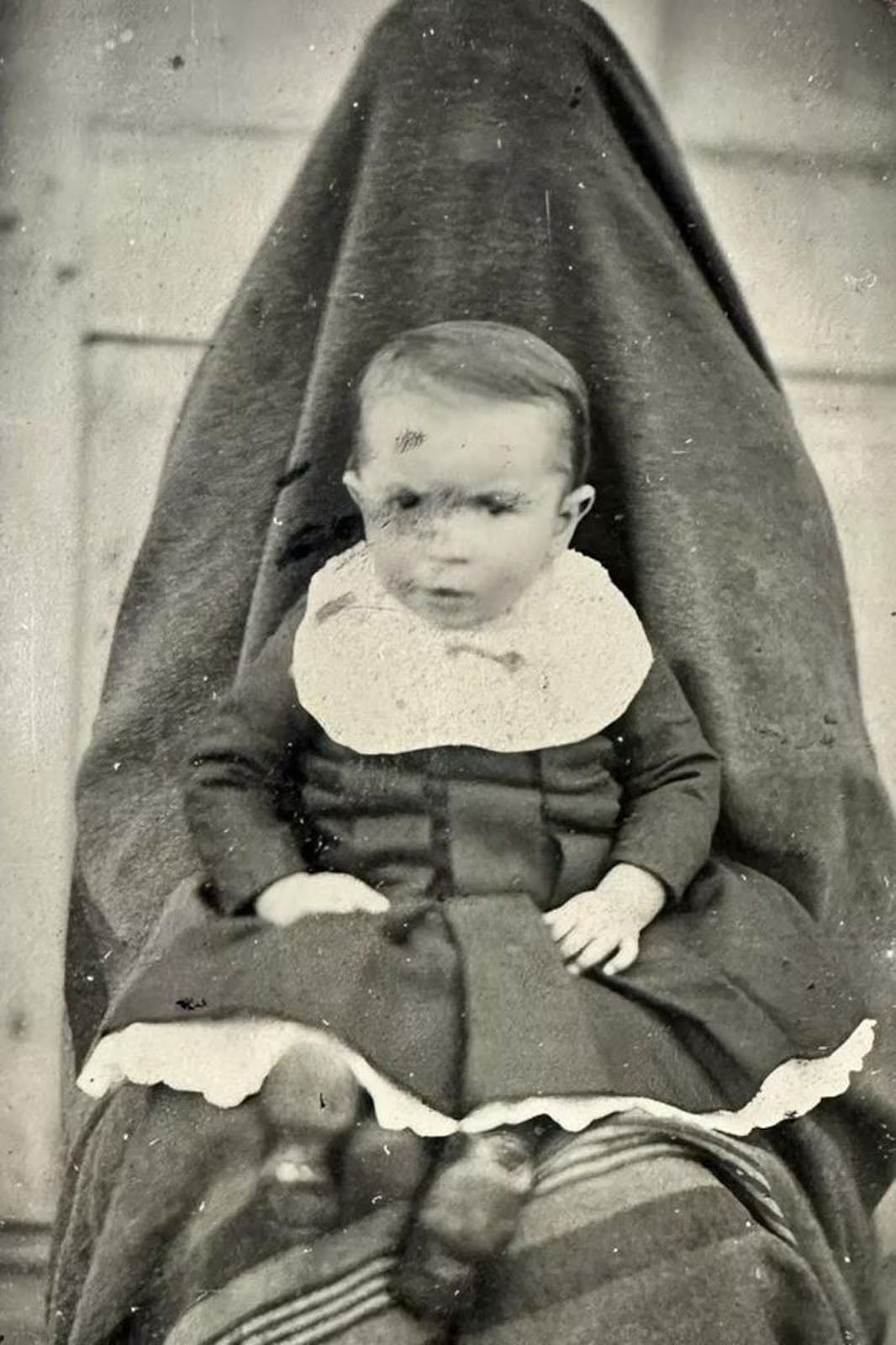
The "Hidden Mother" remains one of the most enigmatic and misunderstood genres in the history of photography. Emerging in the mid-19th century—specifically following the introduction of the daguerreotype process in 1839—this stylistic choice saw photographers shroud mothers or caretakers in heavy drapes, blankets, or patterned cloth to render them nearly invisible. While modern audiences often interpret these images through a lens of the macabre or the supernatural, the practice was born not of occultism, but of the strict technical limitations of early photographic technology.
The Technical Necessity of Long Exposures
To understand the "Hidden Mother," one must first comprehend the mechanical constraints of the Victorian era. The wet plate collodion process, invented by Frederick Scott Archer in 1851, required a high degree of technical skill and, crucially, significant time. Unlike modern digital sensors that capture an image in a fraction of a second, 19th-century photographic processes required the lens to remain open for anywhere from several seconds to several minutes.
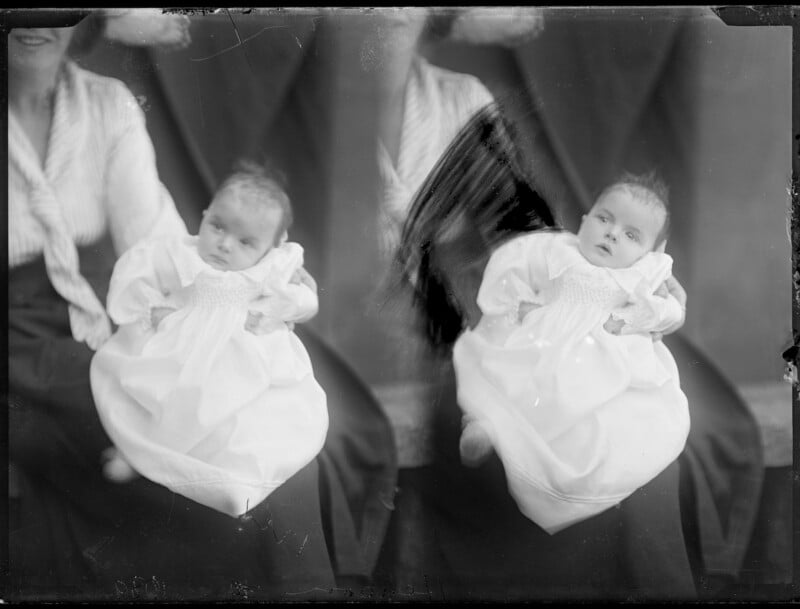
In an era where the average toddler was rarely expected to sit perfectly still for even a moment, these long exposure times posed an insurmountable challenge for portraiture. A child’s natural tendency to fidget, shift, or turn would result in a blurred, unrecognizable image. The "Hidden Mother" technique was the industry’s solution: by having a parent hold the infant, the photographer could ensure the child remained steady. By covering the parent with a cloth that matched the background, the photographer attempted to camouflage the adult, leaving the child as the sole focus of the portrait.
A Chronology of the Genre
The practice gained popularity during the 1840s and remained a standard fixture in professional portrait studios until the early 20th century.
- 1839–1850s: The dawn of the daguerreotype. Exposures were at their longest, often requiring rigid head braces and immense patience.
- 1851–1880s: The rise of the wet plate collodion process. While this reduced exposure times compared to earlier methods, it still required several seconds of absolute stillness. The "Hidden Mother" genre flourished during this period.
- 1890s–1920s: As lenses became faster and photographic plates became more sensitive, the need for these elaborate camouflage techniques waned. By the mid-1920s, the genre had largely vanished as portable, high-speed photography became the consumer standard.
Dispelling Myths: The Head Brace and Post-Mortem Confusion
A persistent, yet erroneous, belief in contemporary culture suggests that these images are examples of "post-mortem" or spirit photography. This confusion is frequently linked to the use of metal head braces or posing stands.
Historians and professional archivists have repeatedly clarified that these stands were standard tools in any 19th-century studio. They were designed to provide support for the sitter’s head and neck during long exposures to prevent "motion blur." The term "dead weight" is often cited as a reason to believe the person in the chair was deceased, yet the physical logistics of the period confirm that these metal stands were incapable of supporting a limp, unconscious, or deceased body. The stands were strictly ergonomic aids for the living.
Modern Re-evaluations and Artistic Homage
The "Hidden Mother" genre has seen a significant resurgence in interest among contemporary photographers and collectors. In 2013, the Italian-Swedish artist Linda Fregni Nagler brought renewed academic and public attention to the field with her published collection, The Hidden Mother, which catalogs over 1,000 examples of the practice. These historical artifacts now command high premiums at auction, often marketed as unique windows into Victorian family life.
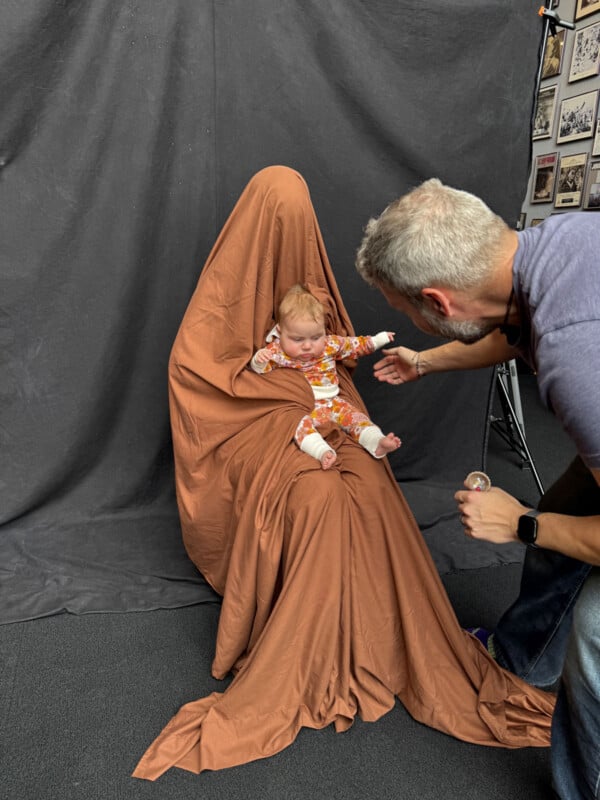
Shane Balkowitsch, a modern practitioner of the wet plate collodion process at the Nostalgic Glass Wet Plate Studio, highlights the continued relevance of these techniques. By utilizing an 8×10 large format camera with a 250mm Carl Zeiss Tessar lens, Balkowitsch has successfully recreated the "Hidden Mother" portrait using contemporary subjects.
"If they could do it 170 years ago, I should be able to do it today," says Balkowitsch, who notes that the success of the process relies on the child’s comfort. By keeping the mother in physical contact with the infant—even while shrouded—the child remains calmer, which is essential for a successful plate.
The Broader Impact: Preservation and Digital Obsolescence
The survival of these mid-19th-century images serves as a poignant contrast to the fragility of modern digital photography. A silver-on-glass ambrotype or a daguerreotype is a physical object that can remain stable for centuries under proper conditions. In contrast, the vast majority of digital photos taken today exist only on proprietary hardware or cloud services.
Experts note that less than 1% of the billions of digital photos captured annually are ever printed. This raises a critical question regarding the "digital dark age." While the Victorian era’s limitations forced a painstaking, manual approach to photography that resulted in enduring physical objects, the digital age has prioritized volume over longevity.
Sociological Implications of the "Hidden" Figure
From a sociological perspective, the "Hidden Mother" represents the tension between the Victorian desire for formal portraiture and the reality of child-rearing. The images capture a unique moment in history where the photographer, the parent, and the technology converged to create a visual record.
These photographs were not intended to be "spooky" or "eerie," as they are often labeled today. To the families of the 1850s, they were sentimental keepsakes. The "hidden" mother was a silent, supportive presence—a physical anchor for a restless child. That modern audiences interpret these figures as "ghosts" is a testament to how shifting cultural contexts can reframe even the most mundane technical solutions into something perceived as mysterious.
Conclusion: The Endurance of the Image
The legacy of the "Hidden Mother" is one of adaptation and ingenuity. Faced with the rigid requirements of chemistry and optics, 19th-century photographers developed a "game of hide-and-seek" that allowed them to document the most vulnerable subjects of their time. As technology continues to evolve, these historical plates remain as a reminder of the lengths to which humanity will go to preserve a fleeting moment of life. Whether or not our current digital output will possess the same historical longevity remains to be seen, but the "Hidden Mother" remains a testament to the fact that, regardless of the era, the drive to document our loved ones remains an essential human impulse.