The month of May served as a significant period of travel and cultural engagement for residents and visitors across Europe, highlighted by a unique blend of seasonal festivities in the Czech Republic and specialized tourism in the United Kingdom. As the transition from spring to summer invigorated the continent, travel patterns shifted toward localized, experience-based itineraries, with the United Kingdom emerging as a focal point for eccentric traditional events and the Czech Republic solidifying its status as a destination for urban nature and culinary innovation.
The Chronology of a European May
The month began in Prague, where the favorable climate facilitated a surge in outdoor activity and community engagement. The city’s cultural calendar was dominated by the Holešovice fermented foods festival, which provided a platform for local producers to showcase regional culinary techniques. Concurrently, interest in the surrounding landscape remained high, with increased foot traffic recorded at geological landmarks such as Velká Amerika—often referred to as the "Czech Grand Canyon"—and the Divoká Šárka nature reserve.
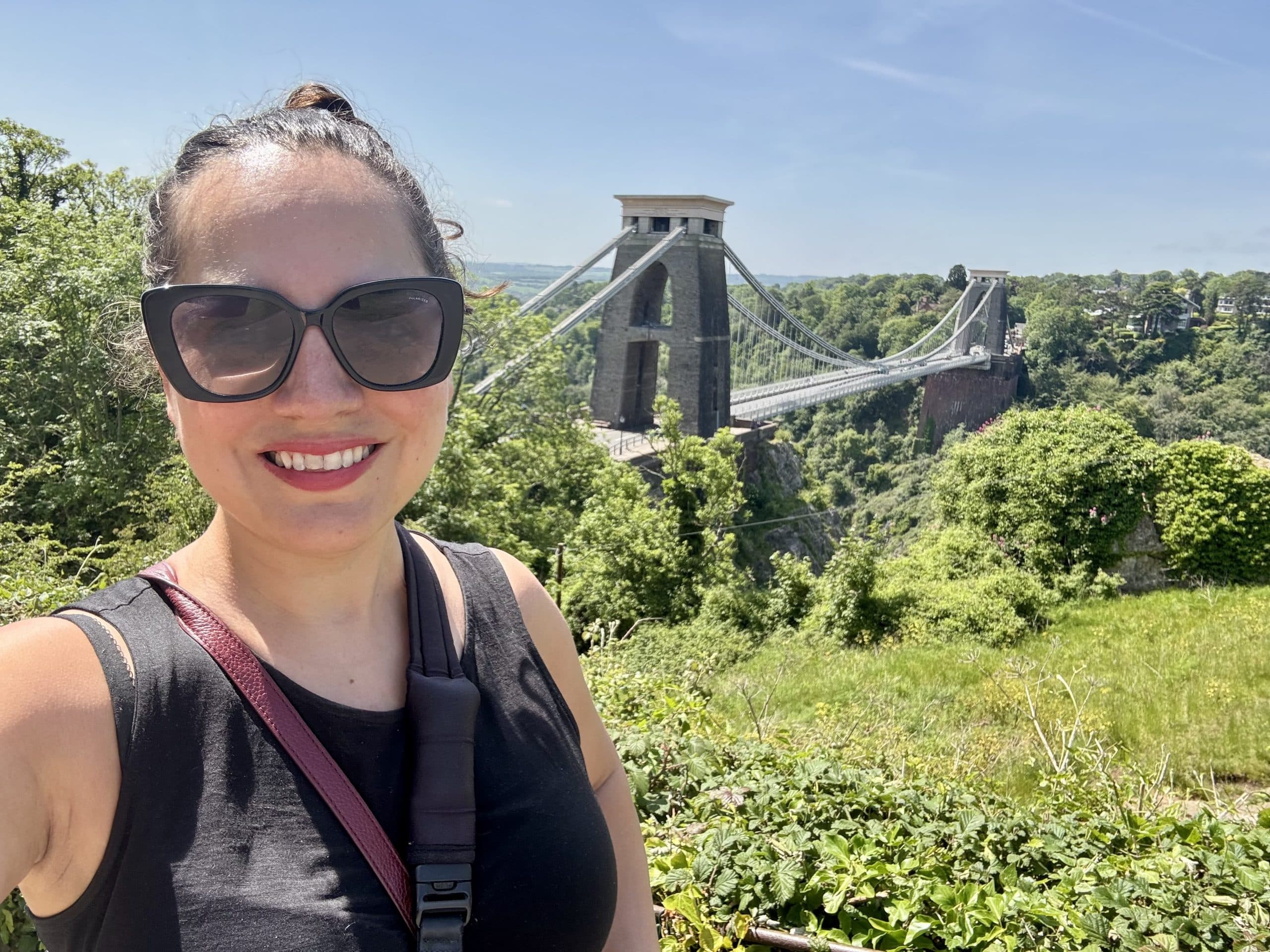
By mid-month, travel itineraries pivoted toward the United Kingdom. A primary objective for many international visitors was the annual Cooper’s Hill Cheese-Rolling and Wake, a historic tradition held near Gloucester. The event, which involves participants chasing a wheel of Double Gloucester cheese down a steep incline, remains one of the most eccentric fixtures on the British cultural calendar. While the event draws significant crowds, local authorities and organizers continue to manage the safety risks associated with the high-speed nature of the descent. Following the cheese-rolling, travel routes extended to Bristol, a city increasingly recognized for its independent arts scene and Michelin-recognized gastronomy.
The Significance of Regional Gastronomy and Tourism

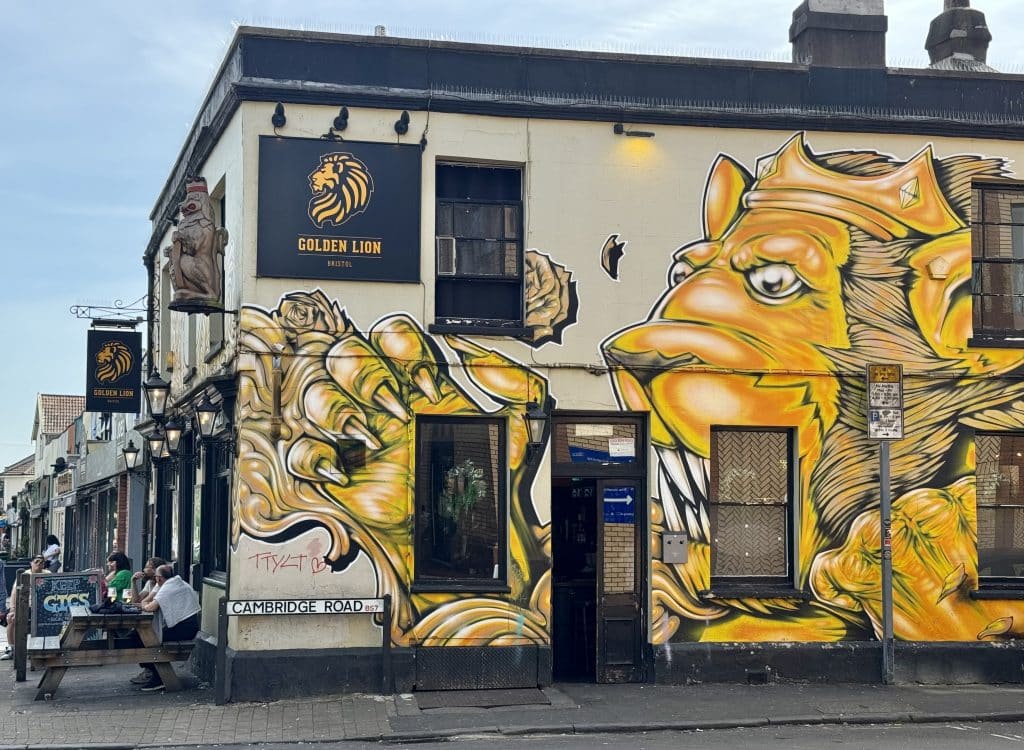
The surge in travel to the Cotswolds and Bristol underscores a broader trend: the "discovery" of secondary cities. While London remains the primary gateway for international visitors to the UK, regional hubs like Bristol are leveraging their unique identities—characterized by robust university populations and vibrant street art scenes—to capture a larger share of the tourism market.
The economic impact of this shift is notable in the hospitality sector. Michelin-starred establishments, such as Wilson’s in Bristol, have become destination drivers for high-end culinary tourists. The accessibility of these tasting menus, when compared to the premium pricing of London’s top-tier restaurants, positions regional cities as highly competitive, high-value destinations for domestic and international travelers. The influence of digital media and television in spotlighting these venues cannot be understated, as visual storytelling via platforms like Apple TV+ has directly correlated with increased bookings and public awareness of regional British cuisine.
The Sociopolitical Context of Regional Travel

The month also featured notable sporting developments in the UK, specifically in the Premier League. The championship victory by Arsenal, marking their first league title in 22 years, prompted significant public gatherings and celebrations across the country. The scale of these events necessitated logistical adjustments for travelers, as public transit and city centers in London experienced significant strain during victory parades. This underscores the necessity for travelers to remain cognizant of local sporting schedules, which can fundamentally alter the landscape of a city during peak celebration periods.
Conversely, the experience in Gloucester served as a cautionary tale for the necessity of travel research. While the town’s cathedral remains a site of historical significance, the surrounding urban center has faced criticism for a perceived lack of tourist-friendly infrastructure compared to nearby alternatives like Cheltenham. This highlights the importance of municipal investment in tourism-adjacent services; visitors are increasingly prioritizing cities that offer a cohesive "experience" rather than just a single point of interest.
Data and Insights: The Modern Travel Landscape
As of May 2026, travel data suggests a shift toward what sociologists call "experiential tourism." Unlike traditional sightseeing, this involves deep immersion in local customs—such as attending the cheese-rolling or participating in fermented food festivals. This trend is supported by data indicating that travelers are willing to allocate a larger portion of their budget to unique culinary experiences, even if it requires travel outside of primary metropolitan centers.
Regarding the literary and cultural consumption of travelers, there is a marked interest in memoirs and contemporary non-fiction that address systemic societal issues. The recent popularity of literature focusing on financial literacy and marital autonomy, such as recent memoirs discussing the realities of divorce among the ultra-wealthy, suggests that travelers are using their leisure time to engage with complex, reality-based narratives. This shift away from escapist fiction toward challenging, analytical non-fiction reflects a more engaged and critical demographic of global travelers.
Health and Infrastructure: A Comparative Analysis

A critical aspect of long-term expatriate or digital nomad life is the navigation of local medical infrastructure. The experience of securing veterinary care in Prague during the month highlights the ongoing challenge of language barriers in essential services. While many major European cities offer English-speaking medical facilities, the accessibility of these services often varies significantly based on location and time of operation. The shift toward 24/7, English-speaking veterinary clinics in Prague indicates that as the city continues to attract an international workforce, private service providers are responding by professionalizing their offerings to accommodate non-native speakers.
Future Outlook: Transitioning to the North American Market
As May concludes, the travel trajectory shifts toward the North American market, specifically New England. The region, known for its distinct coastal culture and historical significance, remains a high-demand destination during the early summer months. The planned itinerary for June—focusing on urban walking projects like the Emerald Necklace in Boston and the length of Broadway in Manhattan—demonstrates a commitment to slow, intentional travel. These long-form walking routes provide a unique lens through which to observe the urban evolution of American cities, moving beyond the standard tourist experience to understand the connectivity of public spaces.

The upcoming cultural calendar also highlights the continued appeal of international pop culture, with global artists continuing to maintain massive drawing power in central European markets. The ability of an artist like Ricky Martin to command a sold-out audience in Prague demonstrates the city’s ongoing role as a premier cultural hub in Central Europe, capable of hosting large-scale international acts alongside its traditional offerings.
Conclusion: The Synthesis of Travel and Culture
The events of May 2026 serve as a microcosm for the modern traveler’s life: a constant balancing act between historical curiosity, culinary exploration, and the mundane challenges of daily logistics. Whether it is navigating the steep, grassy hills of Cooper’s Hill or the complex, high-stakes world of fine dining in Bristol, the modern travel experience is defined by a desire for authenticity. As we move into June, the focus shifts toward the intersection of family, urban exploration, and the ongoing search for cultural engagement in both established and emerging markets. The data points from this past month reinforce the idea that travel is no longer merely about destination, but about the specific, tangible experiences that define our understanding of a place and its people.
Related posts: