Mastering Autumn Backpacking: How Strategic Campsite Selection Prevents Heat Loss and Ensures Restful Nights

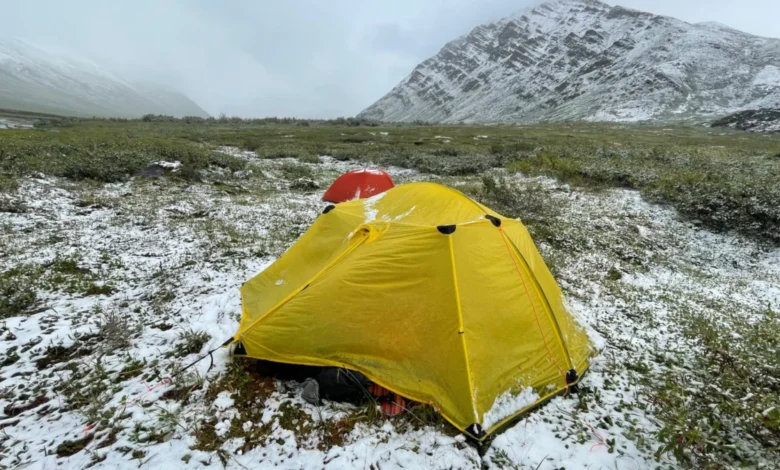
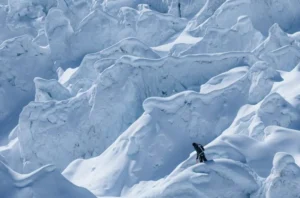
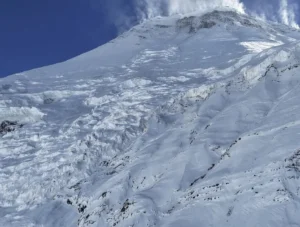
Published October 1, 2026, the arrival of mid-autumn marks a transformative period for outdoor enthusiasts across North America. Summer crowds have fully dispersed from major national parks and regional trail systems, leaving behind tranquil wilderness corridors. Daytime temperatures have settled into ideal ranges for rigorous hiking, offering crisp air that enhances visibility across expansive landscapes. This season provides a striking visual contrast between deep blue skies, brilliant fall foliage, and newly snow-dusted high-elevation peaks, creating what many experienced mountaineers consider the most rewarding window of the year for extended backcountry excursions.
However, this transition in seasons introduces significant environmental hurdles, chief among them being the sharp decline in overnight temperatures. As daylight hours diminish and atmospheric conditions shift, outdoor recreationists face a heightened risk of nocturnal hypothermia and sleep deprivation. While traditional countermeasures focus heavily on upgrading insulation—such as transitioning to higher-rated sleeping bags and specialized thermal pads—meteorological and topographical data emphasize that the physical location of a campsite plays an equally vital role in retaining body heat.
The dynamics of cold-weather camping require a comprehensive understanding of microclimates, thermal conductivity, and atmospheric physics. To address the primary causes of restless, freezing nights during autumn backpacking trips, outdoor safety experts have outlined critical site-selection strategies designed to mitigate environmental exposure and optimize thermal comfort.
The Atmospheric Trap: Avoiding Valley Bottoms and Cold Sinks
A common misconception among novice backpackers is that lower elevations universally offer warmer ambient temperatures. In reality, meteorological phenomena during the autumn months often reverse this gradient. As autumn progresses, nights become progressively longer, granting more time for the earth’s surface to radiate heat back into the atmosphere under clear skies.
This process gives rise to a meteorological occurrence known as a temperature inversion, frequently referred to in mountaineering terms as a "cold sink." Because cold air possesses a higher density than warm air, it naturally gravitates downward, pooling and settling at the lowest topographical features of a landscape. Valleys, canyons, and basin floors consequently trap this frigid air, creating localized thermal belts where temperatures can plummet drastically compared to positions just a short distance uphill.
Atmospheric scientists note that autumn weather patterns—characterized by stable high-pressure systems and cloudless skies—exacerbate this effect. To combat the cold sink, wilderness navigation specialists recommend pitching a tent on a slight rise or establishing a camp approximately 50 feet above the valley floor, provided a stable, flat surface can be secured. This slight elevation gain frequently places the shelter above the dense layer of sinking cold air, resulting in measurably warmer nocturnal conditions.
Navigating Autumn Wind Dynamics and Structural Streamlining
Wind chill remains a relentless adversary for autumn campers. While airflow management is a year-round consideration, autumn gales are frequently more frigid and unpredictable, carrying sub-zero drafts down from snow-capped peaks. The orientation of a tent relative to prevailing wind vectors directly impacts both structural integrity and interior warmth.
Industry guidelines for cold-weather shelter setup dictate that the main vestibule door should face away from the prevailing wind. This positioning prevents harsh gusts from battering occupants as they enter or exit the shelter and minimizes the risk of air penetration through stressed zippers and operational vents. Furthermore, aligning the narrower profile of the tent into the wind creates a streamlined aerodynamic posture, reducing the disruptive flapping noise and structural strain associated with broadside exposure.
To further neutralize wind velocity, experienced backpackers leverage natural topography. Siting a tent adjacent to a dense cluster of mature trees or a substantial rock outcropping creates a natural windbreak, significantly lowering convective heat loss across the tent fabric.
Ground Thermal Conductivity and Sub-Surface Insulation
Selecting a sustainable campsite that minimizes environmental impact is a foundational principle of outdoor ethics. However, within these parameters, the choice of ground composition profoundly affects thermal retention. Hard-packed earth, bare stone, and exposed rock ledges exhibit high thermal conductivity, meaning they rapidly absorb ambient cold and actively draw warmth away from a resting human body.
Furthermore, autumn soils retain significantly less solar heat than summer soils due to shortened days and extended hours of nocturnal cooling. Moisture content compounds this issue; wet ground conducts thermal energy away from the body at a rate exponentially faster than dry earth. Consequently, campers are advised to target soft, dry duff surfaces whenever available.
When forced to camp on dense or cold ground, supplemental insulation becomes necessary. Outdoor survival manuals recommend gathering dry organic matter, such as fallen leaves or pine needles, and arranging them into a thick, compressed layer beneath the tent footprint. This biological padding acts as a natural thermal barrier, trapping pockets of stationary air that impede conductive heat transfer from the body to the frozen earth below.
Proximity to Water Sources and Humidity Hazards
The romance of camping directly adjacent to a pristine alpine lake or rushing river often overshadows the severe microclimatic risks associated with aquatic proximity. High-humidity environments drastically alter the thermal comfort of a campsite.
Air spaces immediately surrounding bodies of water experience elevated relative humidity and increased ground condensation. When ambient air is saturated with moisture, it coats the exterior and interior of shelters, frequently soaking through sleeping bags and apparel. This moisture accumulation is particularly hazardous because damp air and wet insulation lose their loft and conductive resistance, accelerating the depletion of core body heat.
Historical incident reports from search and rescue organizations indicate that cold-weather moisture exposure is a primary contributor to early-stage hypothermia in the backcountry. To prevent moisture saturation, safety protocols mandate that permanent and temporary campsites be established a minimum of 200 feet away from lakes, streams, and marshes, regardless of ambient temperature. Siting a shelter on elevated, well-drained terrain ensures improved airflow, which rapidly disperses localized humidity and maintains a drier interior microclimate.
Overhead Sky Exposure and Radiative Heat Loss
On exceptionally clear autumn nights, campers frequently pull back rainfly vestibules or forgo tents entirely to sleep under open starlit skies. While aesthetically appealing, this practice incurs a severe physiological penalty in the form of rapid radiative heat loss.
During daylight hours, the earth absorbs solar radiation. After sunset, this stored energy radiates upward. In the presence of a natural cloud cover, thermal energy is reflected back toward the surface, functioning as a planetary blanket. Under clear, cloudless skies, however, terrestrial heat escapes directly into the upper atmosphere unhindered, causing surface temperatures to drop precipitously faster than they would under an overcast sky.
To replicate the insulating properties of a cloud canopy without sacrificing shelter, backpackers utilize the overhead architecture of dense forest environments. Pitching camp beneath a heavy, tall stand of coniferous trees provides dual benefits: the upper canopy acts as a physical barrier that restricts the rapid escape of radiant heat, while the trunks concurrently suppress ground-level wind speeds, stabilizing the ambient temperature surrounding the campsite.
Broader Implications and Industry Trends in Cold-Weather Preparedness
As outdoor recreation participation continues to expand into the shoulder seasons—driven by advancements in lightweight synthetic materials and a growing cultural desire for solitude—educational initiatives focusing on environmental physics have gained unprecedented traction. Major outdoor advocacy groups and wilderness education centers have reported a steady rise in inquiries regarding microclimate management, signaling a shift in consumer focus from purely gear-centric solutions to holistic environmental adaptation.
The economic and safety implications of proper campsite selection are profound. Search and rescue agencies across North American mountain ranges consistently log preventable emergency calls during October and November, frequently triggered by unprepared hikers succumbing to cumulative fatigue and mild hypothermia. By integrating microclimate awareness into standard backcountry training, outdoor organizations aim to reduce rescue burdens while enhancing the safety, comfort, and sustainability of cold-weather excursions.
Ultimately, surviving and thriving in the backcountry during the transitional autumn months requires a synthesis of traditional bushcraft, modern equipment utilization, and a sophisticated understanding of natural thermal dynamics. Through meticulous campsite placement, outdoor enthusiasts can transform a potentially punishing night into a restorative wilderness experience.