Long-haul air travel with toddlers remains one of the most significant logistical hurdles for modern families. The challenge of maintaining a child’s sleep schedule while confined to the constrained space of an economy class seat has long been a source of anxiety for parents. In response to these difficulties, the aviation travel gear market has seen the emergence of inflatable seat extenders, with the Fly Tot cushion serving as a prominent solution. As manufacturers refine these products to meet changing safety standards and passenger needs, it is essential for parents to understand the technical, regulatory, and practical implications of utilizing such devices at 30,000 feet.

The Engineering Evolution of In-Flight Comfort
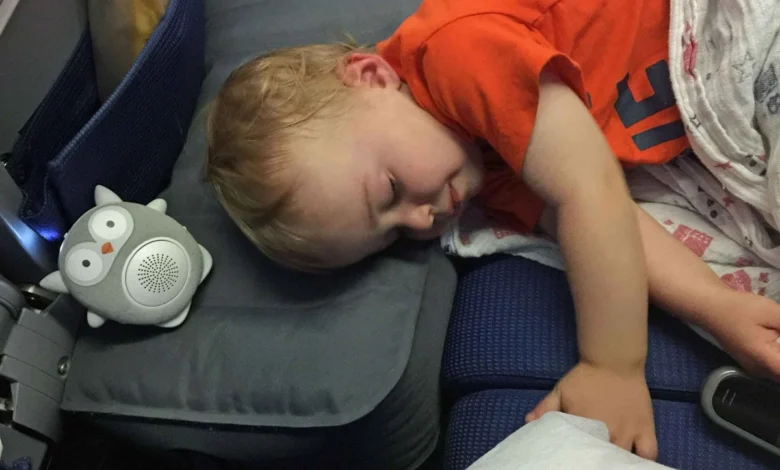
The transition from the Original Fly Tot to the current Fly Tot Plus represents a shift toward addressing specific pain points identified by frequent flyers. While the core objective remains the same—to fill the gap between the seat back and the seat in front, effectively creating a flat surface for a child to lie down—the engineering has been updated to account for the diversity of aircraft configurations.
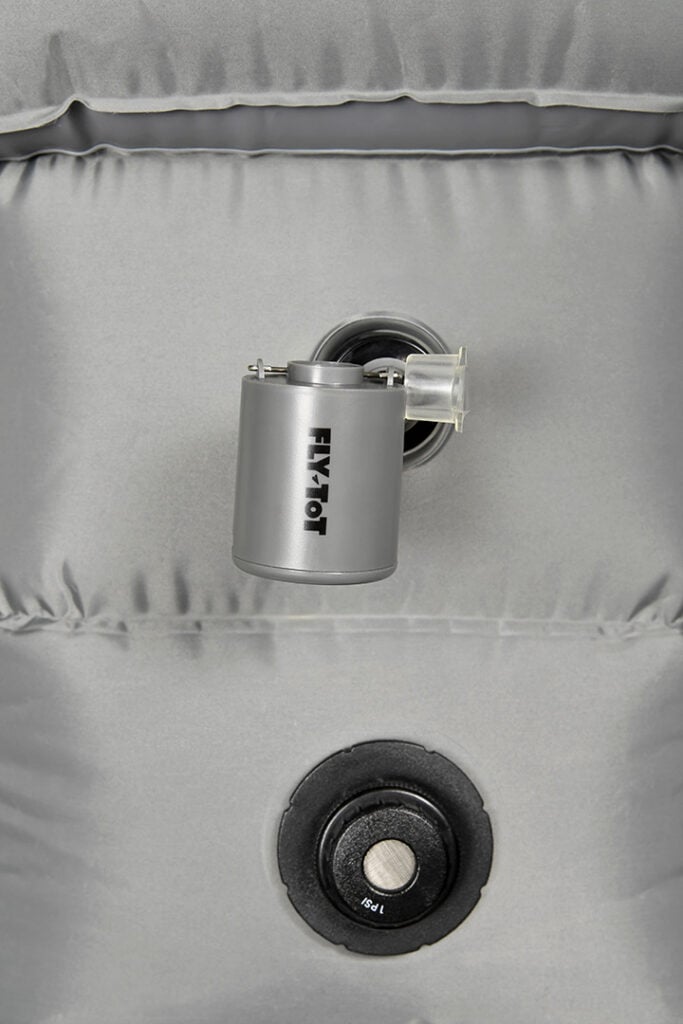
The Fly Tot Plus incorporates a dual-width design, allowing for versatility across various economy and premium economy seat pitches. This modular approach is a direct response to the lack of standardization in airline seat dimensions. Furthermore, the integration of an automatic safety release valve addresses critical concerns regarding cabin pressure fluctuations. This feature is designed to mitigate risks associated with rapid decompression, reflecting a more rigorous approach to passenger safety than earlier, simpler designs.

Technological Enhancements and Operational Efficiency
A primary deterrent to using bulky travel accessories has historically been the time and effort required for setup. The introduction of the "Tiny Pump," a rechargeable electric device, signifies a move toward reducing the operational burden on parents. Inflating the unit in under a minute removes the need for manual pumps, which often took up significant space in carry-on luggage.

The transition to a single-valve system further streamlines the process. By consolidating inflation and deflation into one port, the manufacturer has simplified the user experience, allowing parents to deploy or stow the device quickly during the flight—an essential capability given that flight attendants often require such items to be stowed during critical phases of flight, such as takeoff, landing, and turbulence.

Regulatory Landscape and Airline Compliance
Despite the utility of inflatable leg rests, they are not universally accepted by international airlines. The aviation industry operates under a fragmented regulatory environment regarding cabin baggage and in-seat accessories.
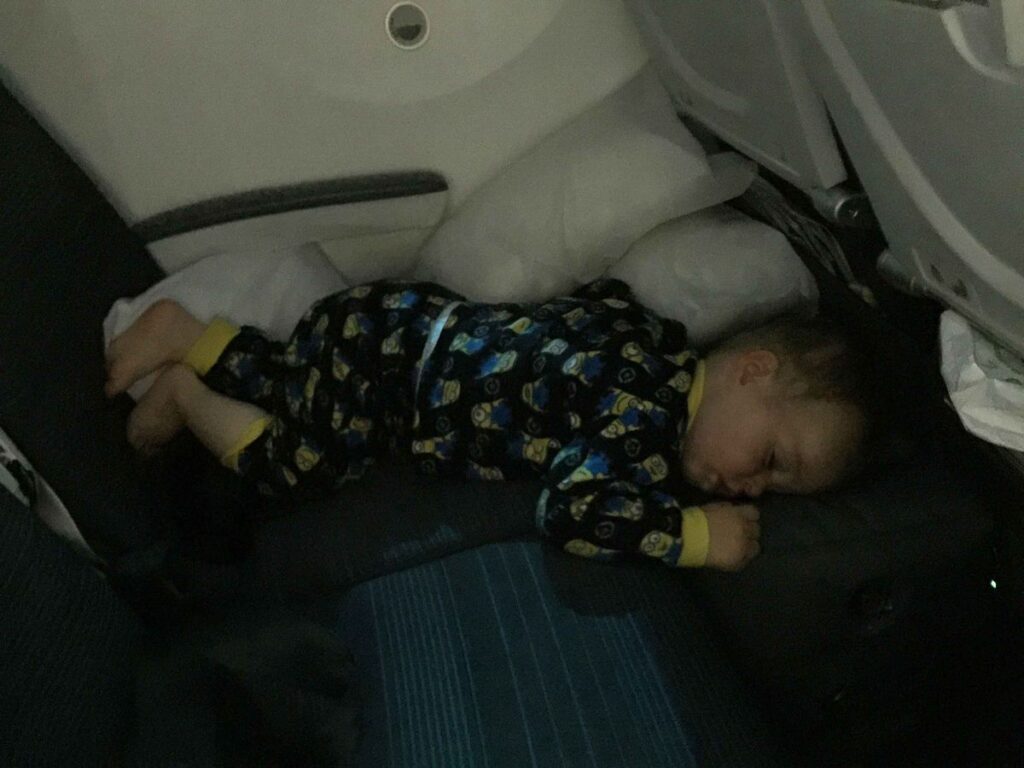
The International Air Transport Association (IATA) and individual national aviation authorities (such as the FAA in the United States or EASA in Europe) have established strict guidelines regarding the use of items that may impede emergency egress or block under-seat storage areas. Consequently, the onus of compliance falls on the individual passenger. Most airlines mandate that:

- The device must not interfere with the seat belt or the function of the seat’s emergency features.
- It must be positioned in a way that does not block the aisle, meaning window seats or specific middle-section seats are the only permitted locations.
- The cabin crew retains final authority to demand the immediate deflation and stowing of the device if they perceive a safety risk.
Parents are increasingly advised to check with their specific carrier 48 hours before departure. Relying on outdated internet forums or previous flight experiences is often insufficient, as airline policies are subject to change based on new cabin configurations and updated safety assessments.
Data-Driven Benefits for Family Travel
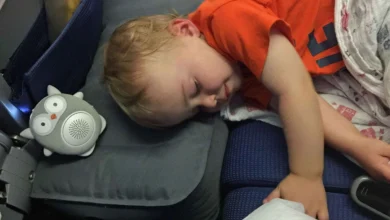
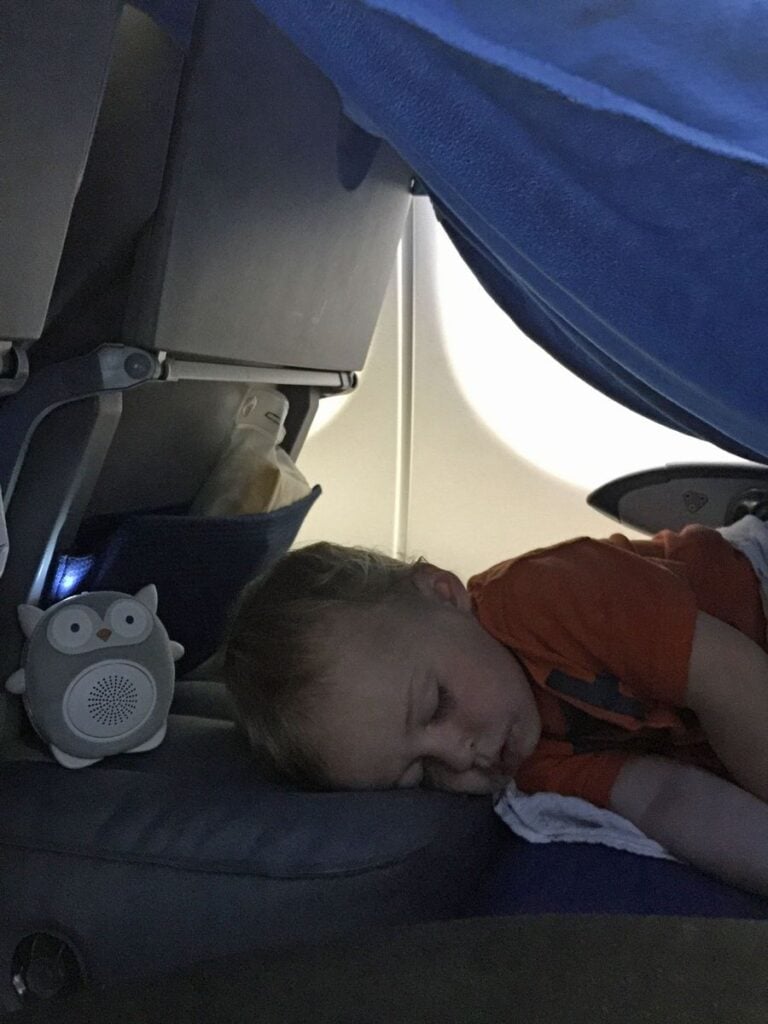
The primary argument for the use of such devices is the potential for improved rest, which correlates with better child behavior and reduced stress for the entire cabin. Pediatric sleep experts generally note that consistent sleep environments contribute to better regulation of a child’s circadian rhythm. On long-haul flights, which often disrupt these rhythms, the ability for a child to adopt a supine position can facilitate longer, more restful sleep cycles compared to the "slumped" posture forced by upright economy seats.

From a sociological perspective, the use of these devices acts as a "buffer" technology. By providing the child with a defined, flat "play area," the device prevents toys and accessories from migrating to the floor, reducing the frequency of the child needing to move or the parent needing to reach into the floor space—a common trigger for disruption in cramped quarters.

Best Practices for Responsible Utilization
To ensure a seamless experience, seasoned travelers and industry experts recommend a protocol for the use of inflatable seat extenders:

- Pre-Flight Practice: Familiarizing oneself with the valve system and the electric pump at home prevents the stress of struggling with new equipment in the confined space of an airplane cabin.
- Strategic Seat Selection: Booking a window seat is the gold standard for usage, as it guarantees the device will not impede the path of other passengers to the aisle.
- Cruising Altitude Deployment: Inflation should never occur during boarding, taxi, or takeoff. Waiting until the service carts have been cleared and the cabin has settled ensures that the deployment does not interfere with the workflow of the cabin crew.
- Active Supervision: Regardless of the cushion’s presence, the child must remain buckled. The device is a comfort tool, not a restraint system. Parents must remain vigilant to ensure the child is properly secured according to airline regulations.
Broader Implications for Airline Travel
The rise of products like the Fly Tot Plus underscores a growing market demand for "premium" economy experiences. As airlines continue to densify seating to optimize revenue, the resulting loss of legroom has created a secondary market for comfort-enhancing accessories. While some airlines view these devices as a nuisance, others have recognized them as a value-add for family travelers, occasionally even testing or approving specific models for use.

The future of in-flight comfort for children likely lies in a standardized approach. Until airlines provide modular seating that can accommodate the physiological needs of smaller passengers, devices like the Fly Tot Plus will remain essential for many families. However, the industry’s trend toward stricter enforcement of cabin safety means that the future of these products depends heavily on their ability to meet, and exceed, the safety mandates set by major air carriers.

For families planning their next international journey, the decision to invest in such gear should be based on the frequency of travel, the length of the flight, and the specific policies of the airlines chosen. While no device can guarantee a perfect flight, the integration of improved design and responsible usage protocols can significantly mitigate the challenges of modern air travel with young children.