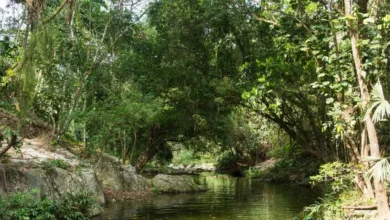
Thailand remains one of Southeast Asia’s most alluring destinations, drawing millions of international travelers annually with its unique synthesis of ancient spiritual heritage, diverse ecosystems, rapid urbanization, and coastal biodiversity. Spanning centuries-old Buddhist temples, mist-shrouded mountainous terrain, dense tropical rainforests, and world-renowned island beaches, the country offers a complex matrix of travel experiences. However, the sheer density of cultural and ecological attractions often prompts tourists to over-schedule their itineraries, inadvertently sacrificing the quality of their journey for the sake of geographical coverage. Travel industry analysts and regional tourism boards increasingly advocate for a measured approach to travel logistics—emphasizing strategic seasonal planning, professional itinerary curations, sophisticated transit solutions, and cross-cultural awareness—to achieve an optimal balance between comfort and authentic exploration.
Background Context and Tourism Evolution
Over the past four decades, Thailand has evolved from an emerging backpacking frontier into a sophisticated hub for international tourism, welcoming nearly 40 million visitors annually prior to global travel disruptions. This rapid expansion placed considerable strain on both urban infrastructure and fragile natural habitats, prompting the Tourism Authority of Thailand (TAT) and environmental agencies to implement stringent sustainable tourism frameworks. Modern travel strategies have subsequently shifted away from high-volume, rapid-fire sightseeing toward lower-impact, slow-travel paradigms. By extending stays in individual regions, tourists not only reduce their personal carbon footprints derived from domestic transit, but they also contribute more equitably to local micro-economies, supporting independent artisans, neighborhood markets, and community-based conservation initiatives.

Scheduling Strategy and Seasonal Micro-Climates
A primary consideration for optimizing comfort in Thailand is aligning the itinerary with localized weather patterns, which vary significantly across regions. While the dry, cool season spanning from November to February is universally considered optimal for sightseeing, outdoor recreation, and mainland trekking, southern coastal zones experience distinct monsoon cycles. The Andaman Coast (including Phuket and Krabi) experiences peak weather conditions from November to April, whereas the Gulf of Thailand islands (such as Koh Samui and Koh Phangan) experience their driest weather later in the spring and summer months, from January to August.
Travel meteorologists and logistics consultants advise structuring itineraries around these regional climatic divides rather than attempting cross-country sweeps during single, compressed holiday windows. By narrowing the geographic scope of a trip, travelers minimize transit fatigue and open pathways for immersive exploration—such as discovering neighborhood culinary scenes, architectural nuances, and community arts that remain hidden to transit-heavy itineraries.
Logistical Management and Professional Itinerary Curation

The complexity of orchestrating domestic transfers, regional accommodations, and specialized excursions often overwhelms independent planners. Consequently, the luxury and experiential travel sectors have seen a sharp rise in demand for bespoke destination management companies and high-end tour operators, such as Black Tomato and similar luxury outfitters. These entities absorb the logistical burdens of international flight alignments, private airport transfers, and vetted hotel bookings, allowing travelers to delegate administrative friction to professionals.
Beyond convenience, utilizing accredited travel experts grants visitors privileged access to off-market experiences, private cultural demonstrations, and conservation-focused excursions that align with modern ethical travel standards. Professional oversight ensures that high-value itineraries remain fluid yet structured, mitigating the risks associated with language barriers, unverified third-party booking platforms, and peak-season overcrowding.
Modernized Transportation Networks for Diverse Terrains
Navigating Thailand’s diverse topography requires a nuanced approach to transit infrastructure. The country’s Ministry of Transport oversees an expansive network comprising domestic carriers, rail systems, maritime ferries, and urban ride-hailing applications. For long-haul traverses—such as journeying from the urban sprawl of Bangkok to the mountainous northern hub of Chiang Mai—domestic low-cost and legacy carriers reduce transit times from arduous multi-day road trips to manageable one-hour flights.

Conversely, the state railway system (State Railway of Thailand) offers an intentional, low-impact alternative for travelers seeking to observe the pastoral agrarian landscape of the Central Plains and Isan region. In urban centers like Bangkok, the deployment of licensed ride-hailing applications has largely standardized pricing transparency and eliminated traditional language barriers associated with street-hail metered taxis. For families and luxury travelers prioritizing privacy and physical ease, pre-booked private chauffeured transfers remain the gold standard for navigating complex regional corridors and island road systems.
Accommodations, Location Strategy, and Sustainability Metrics
The selection of accommodations fundamentally dictates the rhythm and comfort level of a Thai excursion. Industry standards dictate that centrally located properties significantly reduce daily transit overhead, affording travelers immediate proximity to historic cores, transit nodes, and culinary districts. However, contemporary hospitality benchmarks extend beyond geographic convenience to encompass stringent sustainability practices.
Travelers are increasingly evaluating hotels and resorts based on their environmental transparency—scrutinizing waste reduction protocols, energy efficiency, gray-water recycling, and community engagement initiatives. Consulting verified reviews from independent, ecologically conscious travel publications provides objective assessments of a property’s operational integrity, noise levels, architectural authenticity, and staff service quality, ensuring that the chosen sanctuary enhances rather than detracts from the broader holiday experience.

Cultural Literacy, Etiquette, and Cross-Cultural Communication
Navigating Thai society with assurance requires a foundational understanding of local customs, religious protocols, and social etiquette. Known colloquially as the "Land of Smiles," Thailand places a high cultural premium on social harmony, outward politeness, and deference to institutional and religious traditions.
Religious sites, or wats, demand strict adherence to modesty codes: visitors must ensure their shoulders and knees are covered, and footwear must always be removed before crossing the threshold of any sacred building. Furthermore, public displays of overt anger or disrespect toward the monarchy carry severe legal and social ramifications under strict local statutes. Equipping oneself with basic Thai linguistic courtesies—such as appending gender-specific politeness particles (khrap for male speakers, ka for female speakers) to standard greetings—fundamentally transforms interpersonal exchanges, engendering warmth and mutual respect among local residents.
Premier Ecological and Conservation Destinations

To fully appreciate Thailand’s ecological diversity beyond its urban centers, several protected areas offer structured, low-impact encounters with native flora and fauna.
Khao Yai National Park
Spanning over 2,000 square kilometers, Khao Yai National Park holds the distinction of being Thailand’s oldest and third-largest national park. Situated within the UNESCO-listed Dong Phayayen-Khao Yai Forest Complex, the park features a mosaic of lush tropical rainforests, expansive grasslands, and sweeping river valleys that frequently evoke comparisons to East African safaris.
Khao Yai serves as one of the few remaining strongholds where visitors can observe wild Asian elephants (Elephas maximus) navigating natural migration corridors, alongside populations of macaques, gibbons, barking deer, and civets. Guided nocturnal wildlife tours and daylight trekking programs operate under strict park management regulations designed to minimize anthropogenic disturbance to the park’s fragile biodiversity, which includes over 300 resident and migratory bird species.

Ang Thong National Park
Located in the Gulf of Thailand northwest of Koh Samui, Ang Thong Marine National Park is a protected archipelago comprising 42 limestone islands characterized by dramatic karst topography, towering vertical cliffs, hidden emerald lagoons, and secluded white-sand beaches. Spanning more than 100 square kilometers of marine and terrestrial ecosystems, the park is accessible via authorized speedboat operators and traditional wooden long-tail boats operating from Koh Samui and Koh Phangan.
Conservation guidelines strictly regulate tourist foot traffic, protecting fragile coral reef systems, marine life habitats, and nesting grounds for sea turtles. Visitors can engage in low-impact activities such as sea kayaking, snorkeling, and guided hikes to elevated viewpoints like the summit of Ko Mae Ko, which overlooks the island-studded marine expanse.
Gibbon Rehabilitation Project, Phuket

Situated near the Bang Pae Waterfall within the Khao Phra Thaeo National Park in northern Phuket, the Gibbon Rehabilitation Project operates as a specialized sanctuary dedicated to rescuing, rehabilitating, and eventually reintroducing captive-bred or poached gibbons back into protected forest habitats. Established in 1992, the organization addresses the severe conservation threats facing Southeast Asia’s arboreal primates, which have experienced precipitous population declines driven by illegal wildlife trafficking, maternal poaching for the tourist photography trade, and systemic deforestation.
While the sanctuary’s public education center welcomes visitors daily to foster awareness regarding primate welfare and illegal wildlife trade prohibitions, the core rehabilitation zones maintain strict isolation protocols to prevent human habituation among animals slated for eventual rewilding. Institutional support for such projects underscores the modern imperative for ethical wildlife tourism throughout the region.
Implications and Future Outlook
As Thailand’s tourism sector continues its robust recovery, the emphasis on sustainable infrastructure, professional logistical curation, and cultural literacy will dictate the viability of the country’s tourism economy. By adopting deliberate pacing, selecting responsible transit and lodging modalities, and respecting localized ecological and cultural boundaries, international visitors can secure an enriching, comfortable, and ethically sound travel experience that safeguards Thailand’s natural and cultural heritage for future generations.