Ethical Traveler Podcast Explores Diversity and Intersectionality in Travel Writing with VONA Authors Mary Ann Thomas and Christina Brobby

The Ethical Traveler podcast, a flagship media venture of the non-profit organization dedicated to global human rights and environmental conservation, recently released its twelfth episode, marking a significant departure from its standard news-heavy format to provide an in-depth exploration of identity, representation, and the immigrant experience in travel literature. Hosted by author and Ethical Traveler co-founder Jeff Greenwald, the episode features a comprehensive dialogue with Mary Ann Thomas and Christina Brobby, two prominent travel writers of color associated with the Voices of Our Nation’s Arts (VONA) workshop. This episode underscores a growing movement within the travel industry to decolonize narratives and amplify voices that have historically been marginalized in mainstream tourism media.
The VONA Collaboration and the Shift in Travel Narratives
The centerpiece of Episode 12 is the collaboration with VONA, an organization founded in 1999 by Elmaz Abinader, Junot Díaz, Victor Díaz, and Diem Jones. VONA stands as the only multi-genre workshop in the United States specifically dedicated to writers of color. By bringing Thomas and Brobby onto the podcast, Ethical Traveler highlights the intersection of social justice and global exploration. Historically, travel writing has been dominated by a Western-centric "explorer" gaze, often overlooking the nuanced perspectives of those from the Global South or the diaspora.
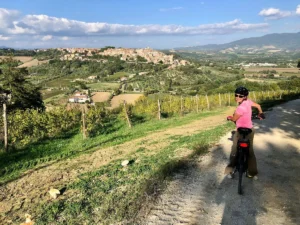
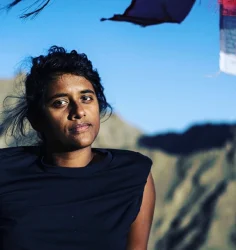
The interview conducted by Greenwald delves into how writers of color navigate space and belonging while traveling. Mary Ann Thomas, a queer Indian-American writer, nurse, and adventurer, brings a perspective shaped by her unconventional journeys, including a solo bicycle trip across the United States. Her work often challenges the stereotypical imagery of the "outdoorsy" traveler, advocating for a more inclusive definition of adventure. Christina Brobby, whose work has been featured in The James Franco Review and other literary outlets, provides a complementary perspective on the interiority of travel—how the act of moving through different landscapes mirrors the internal navigation of identity and memory.
Addressing the Reality of Harassment for Diverse Travelers
A critical component of the episode’s discourse revolves around the safety and systemic challenges faced by women of color in the travel space. While the podcast omitted its traditional "News" segment to accommodate the length of the interviews, it heavily referenced a concurrent report published by Ethical Traveler regarding sexual harassment and assault. The report, titled "Sexual Harassment and Assault of Travelers Goes Beyond White Women in Developing Nations," serves as a stark reminder that travel experiences are not monolithic.
Data from various international travel safety monitors suggest that women of color often face a "double jeopardy" of both gender-based harassment and racial discrimination. By integrating this context, the podcast transitions from a purely literary discussion to a socio-political analysis of the travel industry. The discussion emphasizes that "ethical travel" is not merely about where one spends their money, but also about acknowledging the varying degrees of privilege and vulnerability that different travelers carry with them.
Narrative Structure: From Nicaragua to the Himalayas
The episode follows a carefully curated chronological structure, beginning with a narrative segment by Jamilah Malika. Her story, set in Nicaragua, sets the tone for the episode by grounding the listener in a specific sense of place while introducing themes of displacement and discovery. This opening is supported by the atmospheric track "Mmhmm" from the album Nicaragua Nights by the artist Oisima, creating a multi-sensory entry point into the episode’s themes.
Following the opening narrative, the program transitions into the primary interviews with Thomas and Brobby. The dialogue explores the specific pedagogical approach of the VONA workshops, where writers are encouraged to move beyond "writing for the white gaze" and instead write toward their own communities and truths. This shift in audience focus is presented as a radical act in a genre that has traditionally prioritized the comfort and curiosity of a privileged demographic.
The episode also serves as a promotional and educational bridge to the 2018 Himalayan Writers Workshop. Facilitated by Jeff Greenwald and Laurie Wagner, this workshop represents the practical application of Ethical Traveler’s philosophy—combining the craft of writing with immersive, respectful engagement with local cultures. The workshop aims to teach participants how to document their journeys without falling into the traps of cultural appropriation or "poverty tourism."
Musical Integration and Cultural Resonance
The production quality of the podcast is enhanced by a diverse selection of global music, which serves as more than just background audio. The theme music, "Energizer" by Stephen Kent from the album Family Tree, provides a rhythmic consistency to the series. Kent is a renowned multi-instrumentalist known for his work with the didgeridoo, symbolizing a bridge between ancient traditions and modern global sounds.
The closing track, "Sad Nile," is performed by The Polyversal Souls, a Berlin-based ensemble. The band’s style is heavily influenced by Ethiopian Jazz (Ethio-jazz), a genre pioneered in the 1960s that blends traditional Ethiopian music with jazz, Afrobeat, and soul. The inclusion of this track from their 2015 release Invisible Joy aligns with the podcast’s mission to celebrate cross-cultural fusion and the sophisticated artistic outputs of the Global South. Additionally, contributions from Jef Stott, a producer known for his work in the "Global Bass" scene, further reinforce the episode’s internationalist aesthetic.
The "Bourdain Effect" and the Geo Quiz-zine
In a poignant moment toward the end of the episode, the "Geo Quiz-zine" references the late Anthony Bourdain. The question asks listeners to identify the city where Bourdain would have chosen to have his final meal if he had only 24 hours to live. This reference is significant given the timing of the episode’s release, coming shortly after the death of the influential chef and documentarian.

Bourdain’s legacy is inextricably linked to the themes of the podcast. He was a vocal advocate for the "ethical" approach to travel—one that prioritized empathy, curiosity, and the dismantling of stereotypes. By including this quiz, the podcast acknowledges Bourdain’s role in paving the way for the kind of intersectional travel writing that Thomas and Brobby represent. The prize for the quiz, a copy of Faith Adiele’s memoir Meeting Faith, further emphasizes the focus on diverse voices; Adiele’s book chronicles her journey as a Black woman becoming a Buddhist nun in Thailand, a landmark text in contemporary travel literature.
Broader Impact and Industry Implications
The themes discussed in Episode 12 of the Ethical Traveler podcast reflect a broader shift in the $9 trillion global travel and tourism industry. There is an increasing demand for "authentic" and "responsible" travel, yet these terms are often co-opted by marketing departments. The work of VONA writers and organizations like Ethical Traveler provides a necessary counter-narrative, insisting that authenticity cannot exist without an honest accounting of power dynamics, race, and history.
The implications of this discourse are manifold. For the publishing industry, it signals a need to diversify the rosters of travel magazines and guidebooks. For the travelers themselves, it offers a framework for self-reflection: asking how one’s presence impacts a destination and whose stories are being centered during the journey.
Furthermore, the focus on harassment and safety for women of color highlights a gap in the travel insurance and safety tech industries. Standard safety advice often fails to account for the nuances of racial profiling or intersectional harassment, suggesting that a more tailored approach to traveler support is required.
Conclusion
Ethical Traveler Episode 12 stands as a sophisticated synthesis of art, activism, and journalism. By eschewing the traditional news segment to allow for a deeper conversation with Mary Ann Thomas and Christina Brobby, the podcast demonstrates that the most important "news" in the travel world often involves the evolution of human perspective and the breaking of long-standing cultural silences. Through the integration of global music, literary analysis, and socio-political commentary, the episode provides a roadmap for what ethical travel looks like in the 21st century: a practice that is as much about listening and learning as it is about moving and seeing. As the travel industry continues to recover and evolve in a post-pandemic world, the voices and values championed in this episode will likely remain at the forefront of the global conversation on how we engage with the planet and each other.