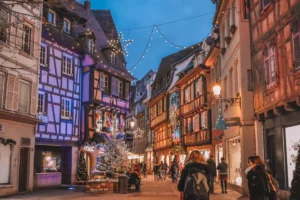
As the 2026 holiday season approaches, thousands of international travelers are finalizing plans for one of Europe’s most iconic winter traditions: the Christmas market. Originating in the late Middle Ages, these markets—known as Christkindlmarkt in German-speaking regions—have evolved from simple winter supply gatherings into massive cultural and economic engines. With temperatures across the continent frequently hovering near or below freezing, strategic preparation is essential for both comfort and logistical efficiency. Navigating cobblestone streets and crowded public squares requires a disciplined approach to packing, prioritizing thermal regulation and mobility.

Historical Context and Modern Significance

The tradition of the European Christmas market dates back to the 14th century, with the earliest documented markets appearing in Vienna (1298) and Dresden (1434). Historically, these markets served as crucial hubs for citizens to stock up on meat, supplies, and winter essentials before the deepest part of the season. Today, they represent a significant tourism segment, contributing billions of Euros to the European economy annually. Cities like Strasbourg, Nuremberg, and Cologne host millions of visitors, necessitating an infrastructure that balances historical preservation with modern crowd management. For the 2026 season, travel analysts expect record attendance, further emphasizing the need for visitors to manage their luggage footprint to navigate transit hubs and high-density tourist areas efficiently.

Strategic Packing for Winter Climates

Professional travel consultants and seasoned winter travelers consistently emphasize the "carry-on only" philosophy for European travel. The primary constraint is the physical nature of the environment; European urban centers often feature historic, uneven terrain and narrow infrastructure. A heavy, oversized suitcase is not only a hindrance during transit on trains and cobblestone streets but also limits the ability to procure local goods and artisanal crafts at the markets.

The core of effective winter travel is the layering system. Rather than relying on a single, heavy outer garment, travelers are advised to utilize a base layer, a mid-layer for insulation, and an outer shell for weather protection. High-quality synthetic or merino wool base layers effectively manage moisture and body temperature, a critical factor when transitioning between the sub-zero temperatures of outdoor market squares and the heated interiors of shops, cafes, and museums.

Data-Driven Apparel Recommendations

Meteorological data from major European holiday destinations, including Germany, Austria, and the Czech Republic, indicates that average temperatures in December typically range from -2°C to 5°C (28°F to 41°F). To combat these conditions, the following technical considerations are recommended:

Footwear: The primary requirement for navigating Christmas markets is reliable traction and insulation. Cobblestone surfaces, when damp or icy, become significant safety hazards. Footwear should feature high-friction rubber soles and adequate arch support. While fashion-forward options are common, industry experts suggest prioritizing waterproof, insulated boots that provide ankle stability.

Outerwear: A wind-resistant and water-repellent coat is non-negotiable. Modern "packable" down or synthetic insulation jackets offer an optimal warmth-to-weight ratio, allowing them to be compressed into small spaces when not in use. A hood is a necessary feature for protection against sudden precipitation or wind chill.

Accessories: Peripheral heat loss is the most common cause of discomfort. High-quality gloves—preferably those compatible with touchscreen technology for navigation—along with scarves and beanies, are essential. Accessories are also the most efficient way to manage thermal regulation; they can be added or removed in seconds as environmental temperatures shift.

Logistical Planning and Chronology

For travelers planning a multi-city tour in 2026, the sequence of movement should be accounted for in the packing list. If the itinerary includes transit via rail, which is the standard for European travel, luggage must be stowed in overhead racks or dedicated compartments. A hybrid rolling bag that can convert into a backpack provides the greatest versatility for these transitions.

A suggested packing chronology for a ten-day trip would look as follows:

- Pre-departure (30 days out): Review regional weather patterns for the specific cities on the itinerary. Unlike domestic travel, regional variations in Europe can be significant; the coast of France will have vastly different humidity levels than the alpine regions of Switzerland.
- Procurement (21 days out): Purchase necessary thermal layers. Avoid cotton, which retains moisture and fails to insulate when damp. Focus on wool or synthetic blends.
- Organization (7 days out): Utilize compression cubes to maximize the capacity of a carry-on bag. This leaves room for the inevitable acquisition of souvenirs, which remain a primary economic driver of the Christmas market experience.
- Execution (Departure day): Wear the heaviest items—the coat and the bulkiest sweater—to the airport. This maximizes the utility of personal carry-on weight allowances and creates space in the luggage for lighter items.
Implications of Sustainable Travel

The 2026 travel season is seeing an increased emphasis on sustainable tourism. Travelers are encouraged to consider the "buy local" aspect of Christmas markets. By choosing to purchase hand-crafted gifts, artisanal ornaments, and local foods at the markets, visitors directly support local economies. Furthermore, by packing lightly, travelers reduce the carbon footprint associated with transport.

Official statements from European tourism boards often highlight that the sustainability of the markets depends on the behavior of the visitors. Managing waste, utilizing public transportation, and respecting the historic settings of these markets are essential components of the modern travel experience.

Technological Aids and Accessories

Modern travel has been significantly altered by the integration of digital tools. A compact, lightweight tripod is recommended for those intending to document their travels, particularly in the low-light conditions of evening markets. However, the most important technological tool remains the mobile device for navigation and contactless payments. As Europe moves toward a cashless society, ensuring that a phone is easily accessible—and protected by a high-capacity external power bank—is vital, as cold temperatures can rapidly deplete battery life.

Professional Advice for Diverse Travelers

While the focus often rests on the aesthetics of the holiday season, the reality of the experience is one of high physical activity. It is common for visitors to walk over 15,000 steps per day while exploring various market stalls and city centers. Therefore, the "cute but impractical" footwear should be strictly avoided. Instead, consider hybrid footwear that offers the comfort of a sneaker with the aesthetic versatility of a leather boot.

For male travelers, the combination of durable, weather-resistant trousers—often featuring fleece lining or worn over thermal leggings—and a high-quality, hooded parka remains the industry standard. For female travelers, fleece-lined leggings worn under skirts or dresses provide an excellent balance of traditional European aesthetics and modern thermal comfort.

Final Considerations for the 2026 Season

The success of a European Christmas market trip is largely predicated on the ability to remain warm and mobile. By prioritizing functional layering, reliable footwear, and organized luggage, travelers can ensure that their focus remains on the cultural and festive elements of the experience rather than the physical discomfort of the winter climate. As the 2026 season approaches, those who plan with these logistical realities in mind will be best positioned to enjoy the historical and culinary offerings of Europe’s most cherished winter tradition. Whether visiting the grand, sprawling markets of major capital cities or the intimate, village-style settings of smaller towns, the principles of preparation remain constant: prioritize utility, value warmth, and respect the historic environment.