The Ultimate Guide to Trekking the Lost City in Colombia: A Journey Through Time and Terrain

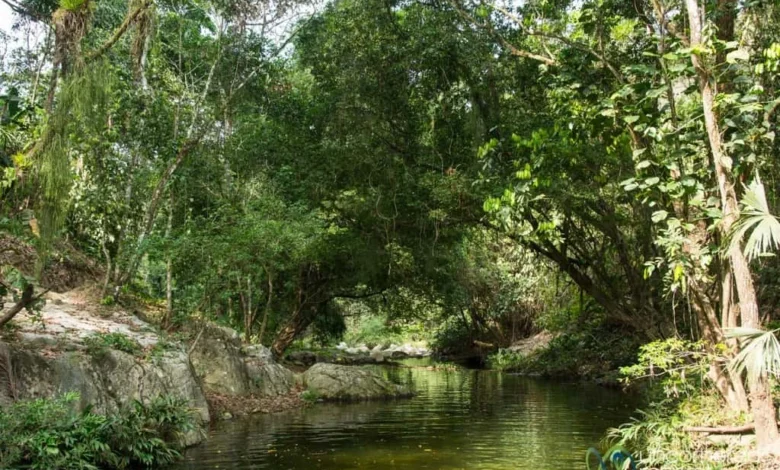
The trek to Ciudad Perdida, or the Lost City, represents one of South America’s most significant archaeological and physical challenges. Located deep within the Sierra Nevada de Santa Marta mountain range in northern Colombia, this ancient settlement—known to the indigenous Tayrona people as Teyuna—has evolved from a remote, guarded secret into a centerpiece of Colombian adventure tourism. The 46-kilometer (28-mile) round-trip expedition traverses dense tropical rainforests, rugged mountain passes, and river valleys, requiring participants to navigate extreme humidity, steep topography, and high-altitude transitions.

Historical Context and Archaeological Significance
Teyuna was established around 800 A.D., predating the famous Inca citadel of Machu Picchu by approximately 600 years. It served as the political and economic heart of the Tayrona civilization, a sophisticated culture that engineered extensive stone-terraced infrastructure across the mountainsides. The site was abandoned during the 16th century, likely in response to the arrival of Spanish colonial forces. For centuries, the city remained obscured by dense jungle canopy, known only to the descendants of the Tayrona—the Kogi, Wiwa, Arhuaco, and Kankuamo indigenous groups—who maintained it as a sacred ceremonial site.

The site’s formal "rediscovery" in the early 1970s by local treasure hunters led to significant looting of gold and pottery, which damaged much of the archaeological record. Unlike other well-documented civilizations, the Tayrona left no written language, leaving the true extent and purpose of the city to be reconstructed through oral tradition and ongoing site surveys. Today, the Colombian Institute of Anthropology and History (ICANH) works alongside local indigenous communities to manage the site, prioritizing preservation over mass tourism.

Logistics and Itinerary Overview
Access to Ciudad Perdida is strictly regulated. Trekkers are prohibited from visiting the site independently and must be accompanied by certified, indigenous-led tour groups. The standard expedition typically spans four to five days, beginning in the coastal city of Santa Marta.

Day 1: The Ascent Begins
The journey typically begins with a transfer from Santa Marta to Machete, a small rural hub. From there, hikers embark on the initial ascent. This phase is characterized by a 45-minute steep climb followed by a descent into the first major valley. Travelers are introduced to the region’s biodiversity, with the trail frequently crossing the Rio Buritaca.

Day 2: Navigating the Jungle Interior
The second day serves as a transition deeper into the tropical environment. Hikers pass through indigenous villages, such as those inhabited by the Kogi, providing insight into the ongoing cultural preservation efforts in the region. The terrain varies from river-side paths to dense, mud-prone jungle tracks.

Day 3: The Ascent to Teyuna
The highlight of the expedition is the climb to the city itself. Hikers must scale 1,200 ancient stone steps carved into the mountainside. This ascent is both physically demanding and culturally significant, as it leads to the primary residential and ceremonial terraces. Upon reaching the summit, visitors are granted a panoramic view of the stone foundations that once housed thousands of residents.

Day 4 & 5: The Return Journey
The descent follows the same path, though the psychological shift from the destination back to the trailhead often highlights the physical toll of the hike. The final day involves a return to Machete and a subsequent transfer back to Santa Marta.

Physical Demands and Environmental Factors
The Sierra Nevada de Santa Marta presents a unique set of challenges. While the peak altitude of the trek is approximately 1,500 meters (4,920 feet)—precluding the need for extreme altitude acclimatization—the combination of high heat and 90% humidity creates a demanding physiological environment.

Data from local tour operators suggest that the primary cause of dropout among trekkers is not a lack of cardiovascular fitness, but rather the failure to properly manage hydration and heat exhaustion. The region experiences distinct seasons; while the dry season from December to March is preferred, the wet season (May through September) transforms the trail into a complex, muddy environment that requires specialized footwear and a higher degree of agility.

Health and Safety Protocols
Given the remote nature of the terrain, hikers must prepare for limited medical infrastructure. The most frequent health issues reported by visitors include:

- Vector-borne illness: The prevalence of mosquitoes and ticks necessitates the use of high-DEET repellents and proper clothing coverage.
- Dermatological concerns: Due to the damp climate, foot care is critical to prevent trench foot or severe blistering.
- Digestive health: While meals are provided by support staff, maintaining consistent electrolyte intake is mandatory to offset the mineral loss caused by extreme perspiration.
Cultural Responsibility and Sustainable Tourism
A critical aspect of the modern Lost City experience is the interaction with the indigenous populations. The Wiwa, Kogi, Arhuaco, and Kankuamo people view the Sierra Nevada as the "Heart of the World." Consequently, their involvement in the tourism industry is not merely as service providers, but as guardians of the site.

The G Adventures partnership with local communities serves as a model for sustainable development in the region. By employing indigenous guides, the tour operator ensures that the historical narrative presented to tourists is filtered through the lens of those whose ancestors built the city. This approach mitigates the risk of cultural exploitation and ensures that a portion of tourism revenue directly benefits the local economy.

Economic and Environmental Impact
The growth of the Lost City trek has prompted a delicate balance between economic development and environmental conservation. The trail passes through protected forest reserves where deforestation and mining remain external threats. The presence of regulated, small-group tourism has acted as a deterrent to illegal logging and mining, as the constant foot traffic and presence of guides provide a form of passive monitoring.

However, the increasing number of visitors has also created waste management challenges. Most operators have implemented "carry-in, carry-out" policies for non-biodegradable waste. Furthermore, the campsites are limited in capacity to prevent over-extraction of local resources.

Final Preparation Recommendations
For prospective trekkers, the following preparations are essential:

- Gear: A lightweight, moisture-wicking wardrobe is standard. Cotton should be avoided due to the long drying time in high humidity.
- Footwear: Sturdy, broken-in trail shoes with aggressive tread are required. River sandals are often utilized for the multiple water crossings.
- Documentation: As the area is sensitive, visitors must register their passport details with local authorities through their tour operator in advance.
- Mental Conditioning: The "Lost City" experience is defined by endurance rather than speed. Success is largely predicated on the ability to maintain a consistent, meditative pace through the most arduous sections of the ascent.
In conclusion, the Lost City Trek remains one of the most vital conduits for understanding the pre-Columbian history of South America. It serves as an intersection where endurance, archaeological discovery, and indigenous advocacy meet. While the journey is physically taxing, the reward is an unparalleled insight into a civilization that, despite being "lost" to the outside world for centuries, remains deeply embedded in the cultural fabric of Colombia.