New York City reaches a zenith of cultural and aesthetic appeal during the autumn months, characterized by a unique confluence of favorable climate, a dense concentration of high-profile events, and a vibrant social atmosphere. As the humidity of summer dissipates, the city experiences a surge in both tourism and local engagement, highlighted by the annual TCS New York City Marathon in November, which draws over 50,000 runners and millions of spectators. This season presents a rare opportunity for travelers to experience the city’s evolving luxury hospitality landscape and its most significant artistic and culinary openings of the year.
The Evolution of the Luxury Hospitality Sector
The Manhattan hotel market has seen a marked shift toward experiential and design-forward luxury. While legacy institutions like The Carlyle and the extensively renovated Waldorf Astoria remain bastions of traditional New York elegance, the emergence of newer properties has redefined the guest experience. The Fifth Avenue Hotel and the whimsical, color-saturated properties under the Kit Kemp portfolio continue to attract a discerning clientele seeking a departure from the minimalist aesthetic that dominated the previous decade.
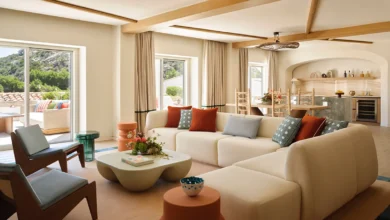
The most notable recent addition to this competitive landscape is Faena New York, which opened in West Chelsea in September 2025. This property has quickly established itself as a cultural anchor for the neighborhood, bridging the gap between high-end hospitality and the local gallery scene. Beyond its aesthetic, which favors maximalist design and intricate patterns, the hotel has integrated itself into the fabric of the neighborhood through its programming. The property’s focus on nightlife, specifically at the venues La Boca and the Living Room, provides a consistent rotation of live musical performances and DJ sets.
A significant differentiator for the property is its commitment to the arts. Guests are offered curated Chelsea art walks, a high-touch service providing exclusive access to internationally recognized galleries such as Hauser & Wirth and Paula Cooper. At a price point of $3,500 for a three-hour engagement, these experiences are targeted at collectors and high-net-worth travelers who prioritize private, deep-access cultural immersion over standard tourism.

A Reinvigorated Culinary Landscape
The city’s dining scene is currently undergoing a structural transformation, with high-profile chefs pivoting away from multi-concept locations toward more focused, signature brasseries. A prime example is the recent move by renowned chef Daniel Boulud, who has closed a trio of his Lincoln Center-adjacent establishments to consolidate his efforts into a singular, highly anticipated brasserie project. This consolidation reflects a broader trend in the hospitality industry: prioritizing operational efficiency and brand cohesion in response to rising labor costs and shifting consumer preferences in the post-2025 economy.
Market analysts suggest that this trend of "culinary consolidation" is not merely a cost-saving measure but a strategic response to the demand for "elevated comfort." Diners are increasingly seeking the reliability of established culinary brands housed within more approachable, high-volume environments. This shift has implications for the broader restaurant ecosystem, as space once occupied by legacy dining rooms is now being re-evaluated for more modern, flexible usage.
The Arts and Performance Calendar
The autumn cultural season in New York City is particularly dense, offering a diverse array of programming that spans from mainstream Broadway productions to elite classical music institutions.
Chronologically, the season is anchored by several major events:
- September 15 – December 6: The limited engagement of Oh, Mary!, starring Bowen Yang, at the Lyceum Theatre. The production has garnered significant critical attention for its subversive take on historical narratives.
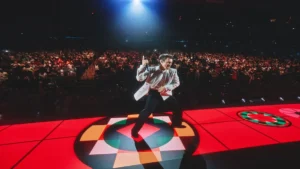
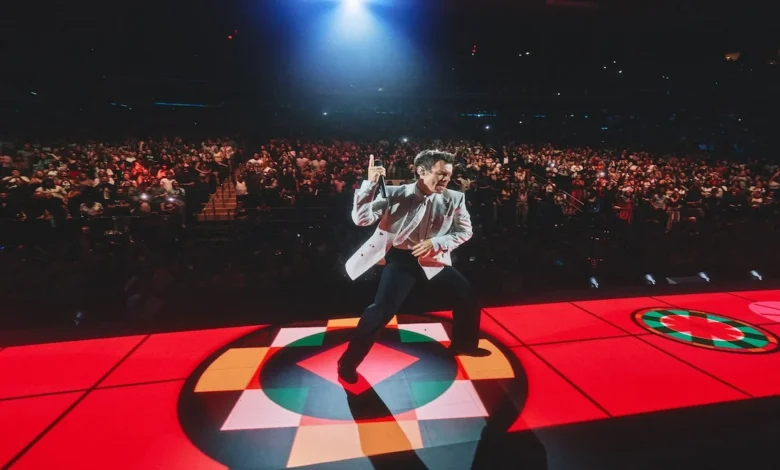
- October 31: The conclusion of Harry Styles’s 30-day residency at Madison Square Garden. This event serves as a bellwether for the city’s tourism sector, as major concert residencies consistently drive hotel occupancy rates in the Midtown area.
- November: The debut season of conductor Gustavo Dudamel with the New York Philharmonic. This transition represents a major shift in the leadership of one of the world’s most prestigious orchestras, signaling a new era for classical music in the city.
The integration of television and film stars into the theater scene—such as the Broadway debut of Julia Louis-Dreyfus in Other Desert Cities—continues to be a primary driver of ticket sales. Data from the Broadway League suggests that star-driven vehicles are currently the most effective method for attracting younger, diverse demographics to the theater district, a vital strategy for the long-term sustainability of the industry.

The Intersection of Fine Art and Maritime History
A noteworthy addition to the November cultural calendar is the exhibition "Rock and Royals," featuring the work of acclaimed action and yachting photographer Kos Evans. The exhibition, held at the Gallery at 200 Lex, represents the artist’s formal entry into the U.S. market after decades of success in Europe.
The exhibition is notable for its technical innovation: Evans prints her photographs directly onto retired, heritage yacht sails. These materials carry significant historical provenance, including sails once used by President John F. Kennedy, the British royal family, and figures such as Pete Townshend of The Who. The choice of material serves to elevate the medium from standard photography to a form of sculptural, upcycled art.
"The process of sourcing these sails requires a deep network within the maritime community," Evans stated regarding the project. By focusing on the intersection of "rock" culture and "royal" history, the collection serves as a commentary on the endurance of iconic figures. Furthermore, the exhibition’s commitment to donating a portion of proceeds to Oceans Without Borders and Nantucket Community Sailing underscores a growing trend in the art world: the necessity for exhibitions to demonstrate a tangible social or environmental benefit to resonate with modern collectors.
Broader Implications and Future Outlook
The current state of Manhattan’s cultural and hospitality sectors suggests a robust recovery and a move toward a more specialized, service-oriented model. The city is no longer merely a destination for general sightseeing; it is increasingly a hub for curated, exclusive experiences.
From an economic perspective, the high demand for "insider" experiences—such as the private gallery tours and premium concert residencies—indicates that the luxury consumer is prioritizing access and exclusivity over traditional luxury indicators. For the city, this shift requires a continuous reinvestment in infrastructure that can support high-touch, private experiences while maintaining the mass-appeal events like the New York City Marathon that define the city’s identity.

As New York moves into the final quarter of the year, the combination of high-profile artistic debuts, the restructuring of the culinary scene, and the influx of high-net-worth travelers for events like the Dudamel Philharmonic season and major art exhibitions positions the city to maintain its status as the global epicenter of culture. The success of these initiatives will likely serve as a blueprint for other major metropolitan areas looking to revitalize their downtown cores through a mix of high-culture, hospitality, and private-sector partnerships.
The fall season in New York is more than a change in weather; it is a meticulously planned and executed cycle of cultural production that, while complex, continues to provide substantial value to both the city’s economy and its residents. Whether one is navigating the crowded aisles of a gallery in Chelsea or securing a seat for a premiere at the Philharmonic, the city remains a singular destination for those seeking the forefront of global trends.