The Ultimate Guide to Berlin Christmas Markets: A Seasonal Cultural Overview

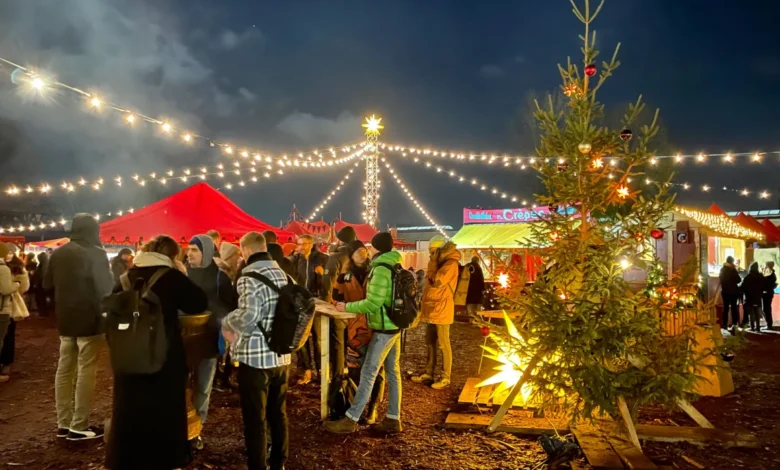
The tradition of the German Christmas market, or Weihnachtsmarkt, has evolved into a cornerstone of Berlin’s winter economy and social fabric. Unlike cities such as Nuremberg or Dresden, which are defined by singular, centuries-old central markets, Berlin offers a decentralized experience. As of the 2024–2025 season, the German capital hosts approximately 70 distinct markets, ranging from large-scale commercial venues in the city center to intimate, neighborhood-focused gatherings in the outer districts. This dispersion reflects the city’s unique administrative history and its polycentric urban layout, where local identity often supersedes a singular municipal focus.
Historical Context and Evolution
The roots of the Weihnachtsmarkt trace back to the Late Middle Ages in German-speaking territories, originally serving as practical venues for citizens to purchase meat and winter supplies during the Advent period. Over the centuries, these gatherings transitioned into cultural institutions. In Berlin, the market culture has undergone significant modernization. While historically overshadowed by the more "traditional" markets of southern Germany, Berlin has successfully rebranded its offerings to align with its identity as a cosmopolitan, diverse, and avant-garde hub.

The modern Berlin market experience typically begins in late November and concludes at the end of December or early January. This extended duration represents a shift from historical Advent observances to a broader winter festival model, designed to sustain local commerce through the darkest months of the year.
The Economic and Social Impact

The proliferation of these markets has significant economic implications for the Berlin metropolitan area. According to city tourism data, the holiday season serves as a critical secondary peak for the hospitality and retail sectors. Small-scale artisans, food vendors, and local community groups rely on these events as primary revenue drivers. Furthermore, the markets serve as essential "third spaces"—public areas where social interaction occurs outside of the home or workplace—fostering community cohesion during the winter months.
Key Market Profiles

The diversity of Berlin’s markets allows for a stratified visitor experience. A selection of the most prominent venues illustrates the city’s varied approach to holiday tradition.
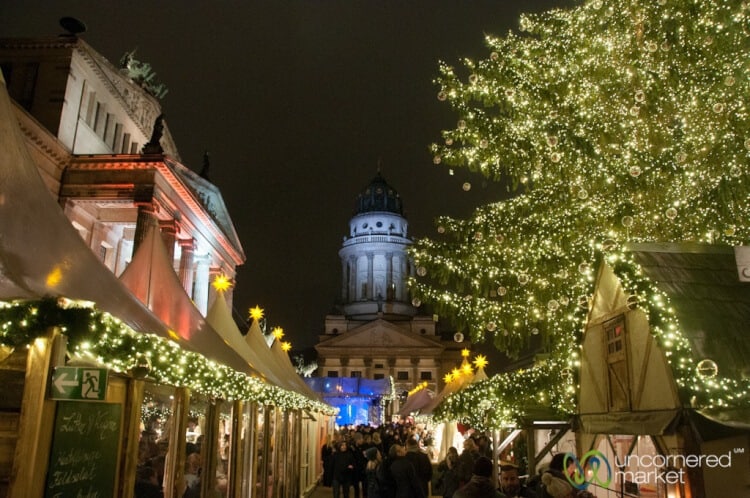
The WeihnachtsZauber Gendarmenmarkt remains the most recognized, characterized by its focus on high-quality handicrafts and culinary refinement. Situated between the Französischer Dom and the Konzerthaus, this market represents the more formal, curated side of Berlin’s offerings. The venue frequently employs a modest entrance fee, a strategy that assists in managing crowd flow and maintaining the structural integrity of the site.

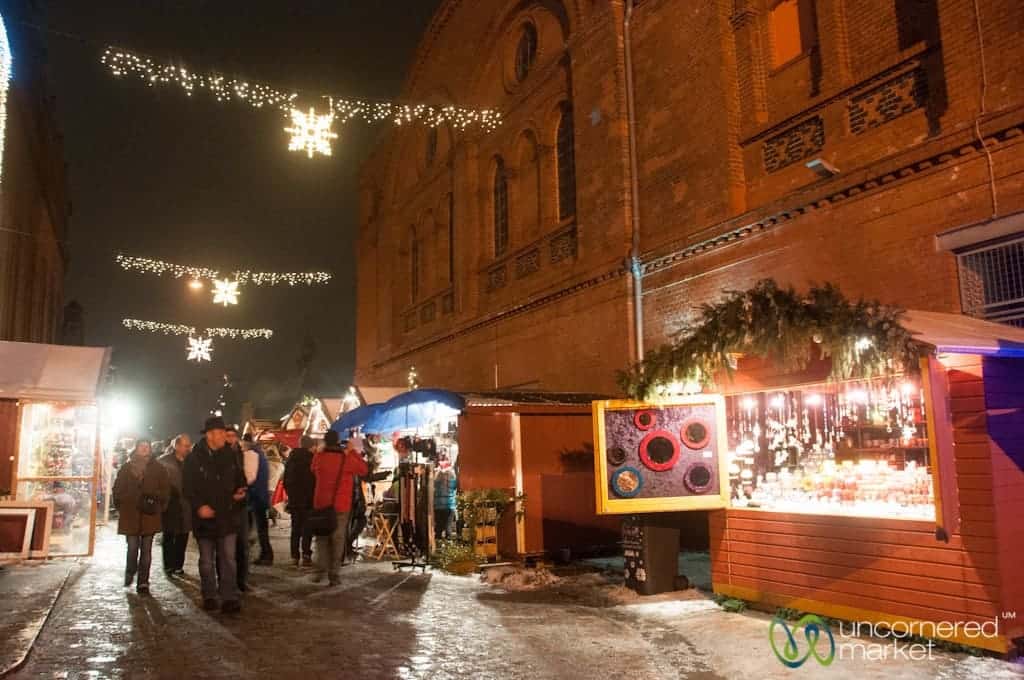
In contrast, the Lucia Christmas Market at the Kulturbrauerei in Prenzlauer Berg emphasizes a Nordic-Scandinavian theme. Its location—a 19th-century industrial brick complex—provides a stark, atmospheric backdrop for visitors to sample Northern European specialties, such as Swedish glögg and various Nordic culinary imports. This market is frequently cited by urban planners and cultural critics as a successful example of adaptive reuse, where historical industrial space is repurposed for seasonal community activity.
The Schloss Charlottenburg market offers a baroque aesthetic, leveraging the backdrop of the 18th-century royal palace to provide a "fairytale" atmosphere. This venue is notable for its integration of light-based art and large-scale traditional wood-carved displays, such as the classic Christmas pyramid, which serves as a center-point for the market’s layout.
The Medieval Historical Christmas Market at the RAW Cultural Center in Friedrichshain represents the "offbeat" segment of the market spectrum. By eschewing modern electrical lighting in favor of fire pits and torches, and by prioritizing historical reenactment—such as archery and axe throwing—the market provides an immersive, albeit stylized, look at pre-industrial festive life.
Regional Variations: Spandau and Potsdam

The Spandau Old Town market serves as a bridge between the city center and the periphery. As one of the largest in the region, it utilizes the city’s historic streets and the nearby Renaissance citadel. The duality of the event—combining a bustling street market with the historical weight of the fortress—offers a more robust experience for visitors interested in architectural heritage.
Potsdam, while technically a separate municipality, is intrinsically linked to the Berlin market circuit. The presence of the UNESCO World Heritage site, Sanssouci Park, makes it a frequent destination for those seeking a departure from the high-density urban environment of central Berlin. The Potsdam market is distinguished by its scale and its commitment to local traditions, such as the elaborate egg-based punches (Eierpunsch).

Neighborhood-Centric and Niche Markets
The Alt-Rixdorfer Christmas Market in the Neukölln district offers a different perspective, focusing heavily on non-profit initiatives. The market’s revenue is frequently channeled toward local schools and charitable organizations. Similarly, the Christmas Market at Domäne Dahlem operates on the grounds of an agricultural museum, emphasizing organic food and traditional rural crafts. These markets are essential for understanding the local, grassroots nature of the season, often drawing residents rather than international tourists.

Heissa Holzmarkt, located on the banks of the Spree River, exemplifies the contemporary Berlin approach. By incorporating elements such as silent discos and eclectic art installations alongside traditional bonfires, it reflects the city’s penchant for blending traditional customs with modern, experimental culture.
Logistics and Visitor Information

For those planning to visit during the 2024–2025 season, it is recommended to monitor official local government announcements regarding specific opening hours, which can vary due to public holidays and local regulations. While many markets are free to enter, an increasing number of venues have implemented small entry fees to cover security and cleaning costs, or to support charitable causes.
The reliance on public transport remains the most efficient method for navigating between these locations. Berlin’s U-Bahn and S-Bahn networks are optimized for the holiday influx, and the spatial distribution of these markets ensures that no single district becomes entirely overwhelmed, provided visitors utilize the diverse range of offerings across the city.

Analysis of the "Commercialization" Critique
A common criticism leveled against the expansion of the Weihnachtsmarkt is the perceived commercialization and the introduction of mass-produced, "schlock" merchandise. However, cultural analysts note that this is a natural byproduct of scaling a local tradition to accommodate millions of tourists. The market authorities in Berlin have responded by implementing stricter quality control measures at high-profile locations, such as Gendarmenmarkt, to preserve the reputation of the local craft scene.

Despite these concerns, the resilience of the market model suggests that the public value of these events—specifically the social and communal benefits—continues to outweigh the risks of over-commercialization. As the city continues to grow, the decentralized nature of its Christmas markets acts as a safeguard, ensuring that the "local" feel of the neighborhood market remains accessible, even as major tourist hubs expand.
Conclusion

Berlin’s Christmas markets are far more than mere retail opportunities; they are a manifestation of the city’s complex, evolving identity. Whether through the historic, high-end settings of the inner city or the grassroots, non-profit-driven gatherings in the outer districts, these markets serve as a vital counterpoint to the isolation often associated with winter urban living. By embracing both the traditional and the experimental, Berlin has solidified its position as a unique destination for winter cultural tourism, offering a multifaceted look at a tradition that remains as relevant today as it was in the medieval period.
Related posts: