The Evolution of a Tradition and the Onset of Chronic Illness
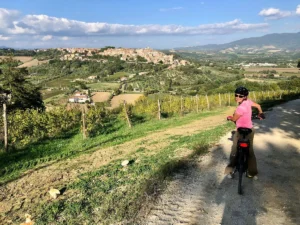
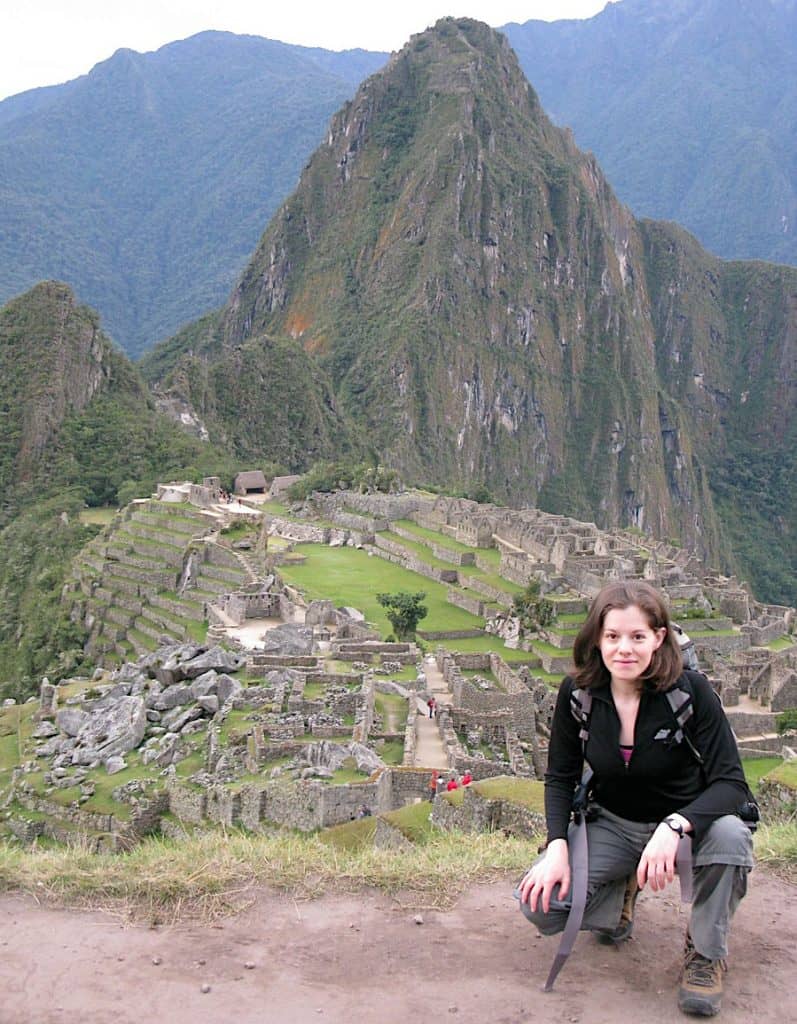
For years, Ettenberg marked her mid-August birthday by climbing mountains, a ritual established as a defiant response to a traumatic childhood incident. In the 1980s, at the age of six, Ettenberg suffered a severe fall from a 12-foot playground structure after another child stomped on her hands, causing her to lose her grip. The resulting injuries—a fractured rib and significant trauma—left a lasting impact on her physical health. Throughout her adulthood, the annual mountain climbs served as a deliberate reclamation of agency, an act of physical proof that she had survived a childhood trauma that nearly ended in catastrophe.
However, the trajectory of this tradition changed following a medical event in August 2017. One week after her birthday that year, Ettenberg sustained a spinal cerebrospinal fluid (CSF) leak, a debilitating condition characterized by the leakage of fluid surrounding the brain and spinal cord. This event marked a definitive shift in her life, transitioning her from an active traveler to someone navigating the complexities of chronic, invisible disability. For the past nine years, the management of this condition has necessitated a complete re-evaluation of her daily capabilities, transforming the month of August from a period of celebration into a recurring confrontation with the loss of her former physical self.
Defining Living Grief in the Context of Chronic Illness
The concept of living grief, as discussed by psychological theorists like Pauline Boss, addresses the distress caused by losses that are unresolved and lack clear boundaries. Unlike bereavement, which is recognized by society through established rituals and finite timelines, living grief involves the daily, compounding realization of what one can no longer do.
Data from the Centers for Disease Control and Prevention (CDC) indicates that approximately 27% of adults in the United States live with some form of disability, with many experiencing secondary mental health challenges related to the loss of functional independence. Ettenberg’s experience highlights a critical gap in societal support systems: while bereavement is culturally understood, the slow-motion, fluctuating loss of physical function is often met with impatience or skepticism. This phenomenon, often referred to as "othering," occurs when the patient’s reality does not align with the societal expectation of steady, quantifiable progress. The psychological burden is compounded when patients are urged to "fight harder" or are accused of "performing illness," a common experience for those with invisible conditions.
A Decade of Lost Data: The 2010 Brooklyn Burglary
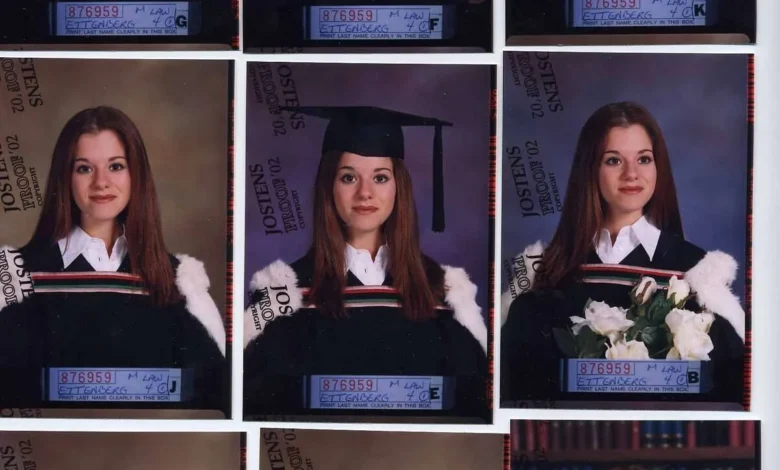
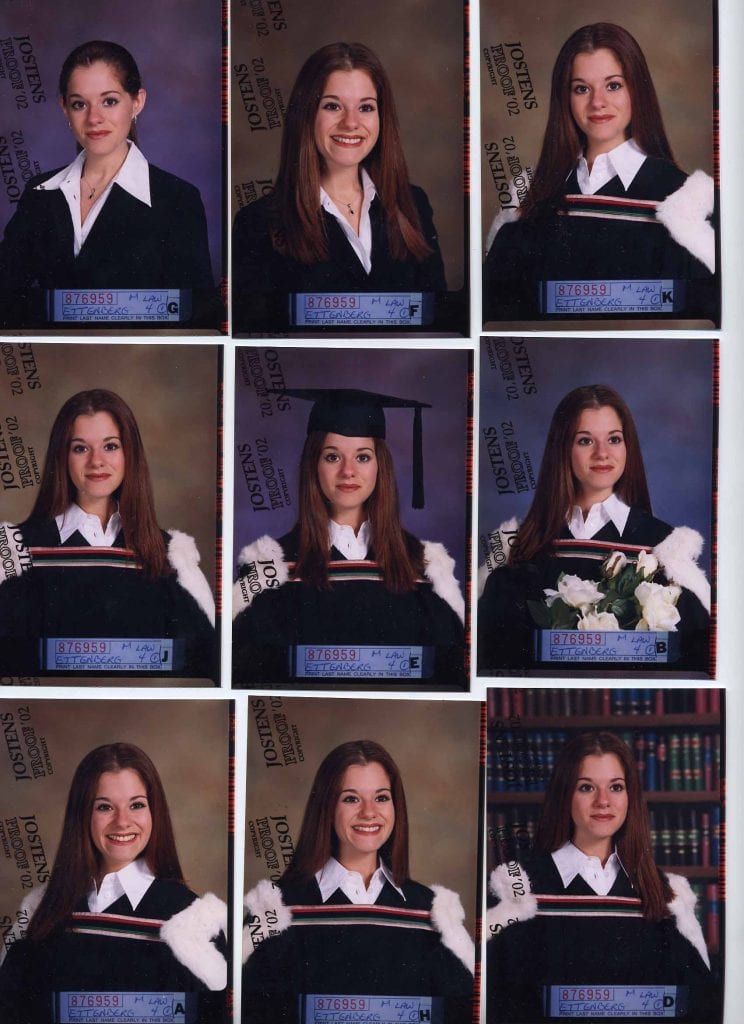
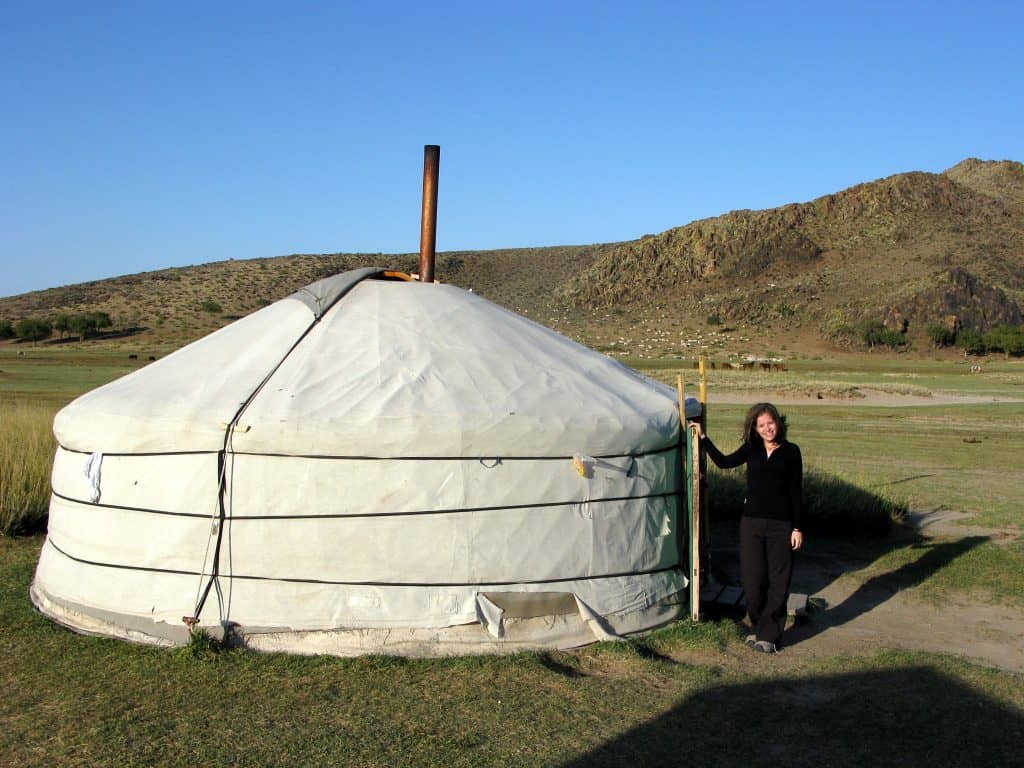
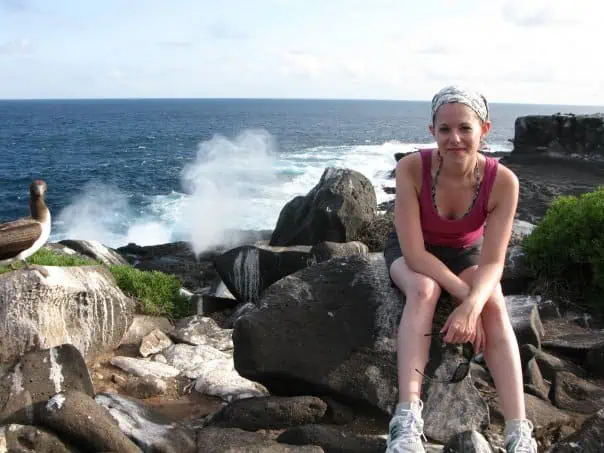
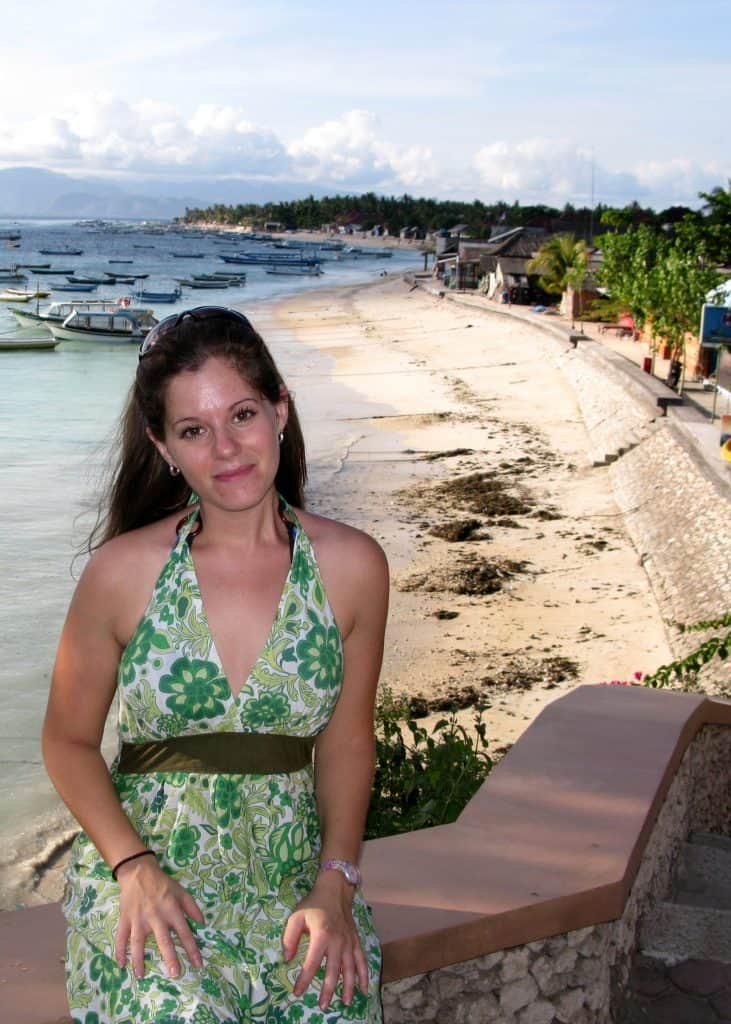
The narrative of Ettenberg’s health challenges is paralleled by a significant loss of personal archives. In 2010, while she was establishing her career as a travel writer, her residence in Brooklyn was burgled. The theft included a laptop and external hard drives containing the only existing copies of photos from her initial years of international travel, including documentation of trips to Mongolia, Southeast Asia, and South America, as well as irreplaceable family photos from her graduation and childhood.
The loss was not merely material; it represented the erasure of a decade of personal development and memory. Despite a public appeal for the return of these items, they remained missing for 15 years. The incident served as a catalyst for a change in personal data management; Ettenberg transitioned to cloud-based storage, which proved essential during a subsequent burglary in 2017. That second event, which coincided with the onset of her CSF leak, resulted in the loss of her physical belongings, but her digital footprint remained secure.

The Serendipitous Restoration of Digital Archives
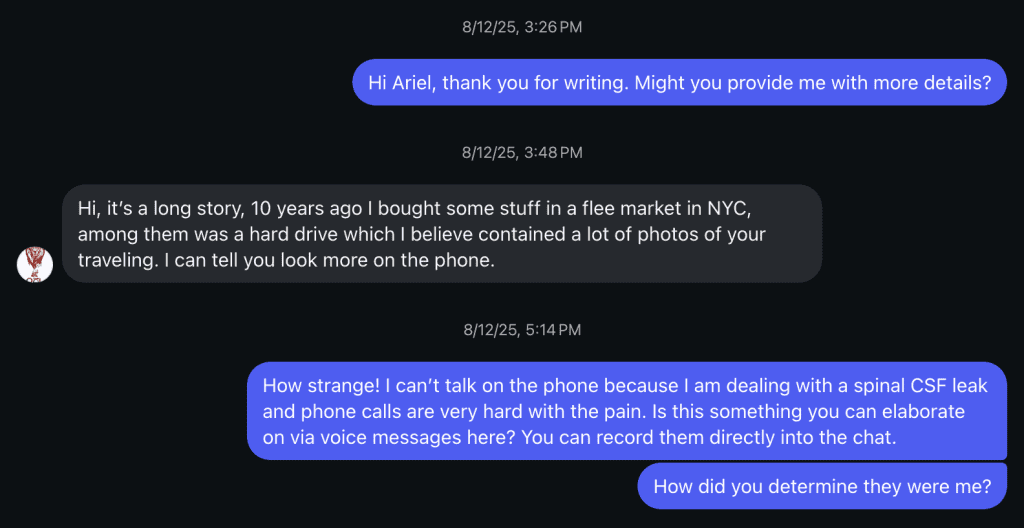
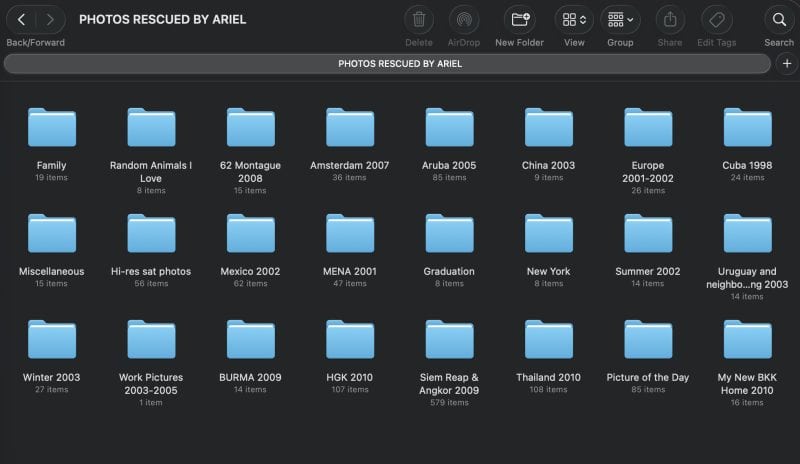
The resolution of the 2010 theft occurred in August 2025, when a filmmaker named Ariel contacted Ettenberg via Instagram. Ariel, who frequently purchased used electronics at flea markets to sustain his filmmaking practice, had acquired several hard drives in Brooklyn over a decade prior. Upon discovering the contents of one drive—folders containing graduation photos and travel logs—he attempted to identify the owner.
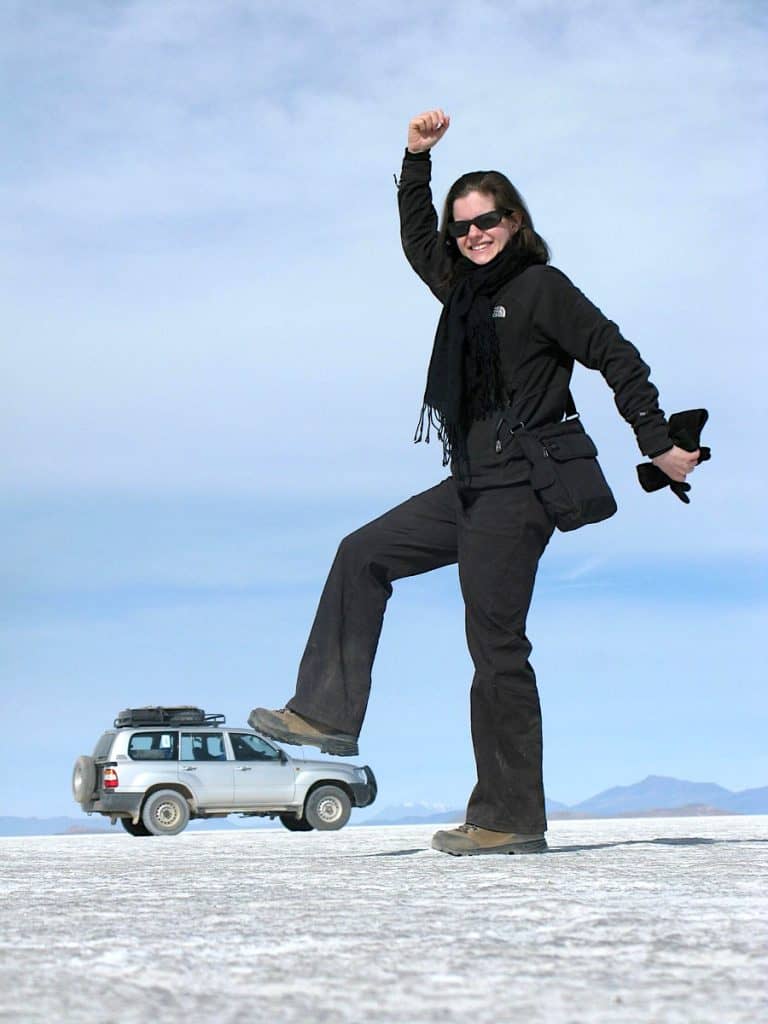
Ariel’s process was manual and non-automated, relying on the persistence of Ettenberg’s facial features and the inclusion of her surname in graduation proofs to locate her digital presence. His decision to reach out was driven by a sense of moral responsibility to return property he had inadvertently kept for years. The restoration of these files allowed Ettenberg to recover thousands of images, including candid moments of family members who have since passed away, such as her stepmother, and early travel photography that defined the inception of Legal Nomads.
Broader Implications and Institutional Perspectives
The implications of this recovery are two-fold. First, it highlights the vulnerability of personal archives in an increasingly digital world. As more personal history is stored on transient media, the loss of physical storage devices can equate to the loss of a life’s narrative. Experts in digital archiving often suggest a "3-2-1" strategy: three copies of data, on two different media types, with one copy stored off-site or in the cloud.

Second, the event underscores the importance of communal support for those experiencing chronic illness. Ettenberg’s ability to "hold space" for both her grief and her joy has been facilitated by her engagement in medical advocacy, including co-authoring research on CSF leaks. By reframing her identity through the lens of advocacy and shared experience, she has found a way to navigate the "void" left by her former physical activities.
Conclusion: Reframing the Future
As Ettenberg reaches her 47th birthday, her narrative suggests a shift from the acute trauma of loss to a more nuanced acceptance of her current reality. The reunion with her digital archives has not "cured" her chronic illness or erased the living grief associated with it; however, it has provided a historical context to her journey. It serves as a reminder that the endurance of one’s identity, even when physical capacity is significantly altered, is often supported by the external threads of memory and community.

The case of Legal Nomads remains a poignant illustration of the intersection between personal resilience and the fragility of the records we keep. For the millions of individuals navigating the daily realities of chronic illness, the lesson is not necessarily one of triumph over the body, but rather one of finding grace in the ongoing, often difficult, process of living.