The Cooper’s Hill Cheese Rolling and Wake: A Deep Dive Into Britain’s Most Dangerous Tradition

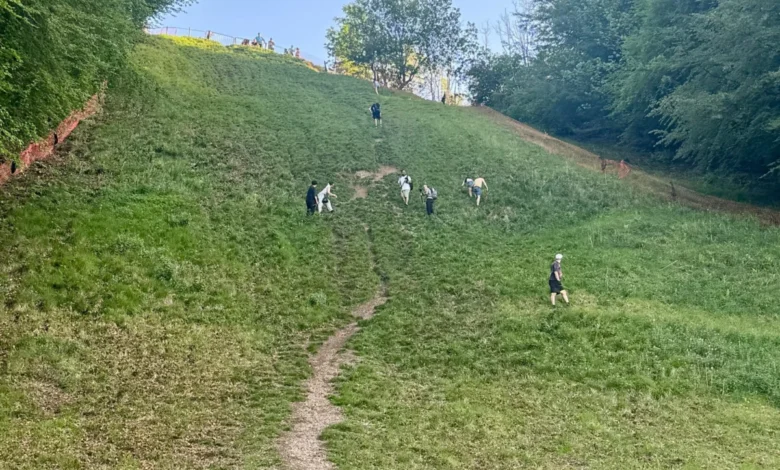
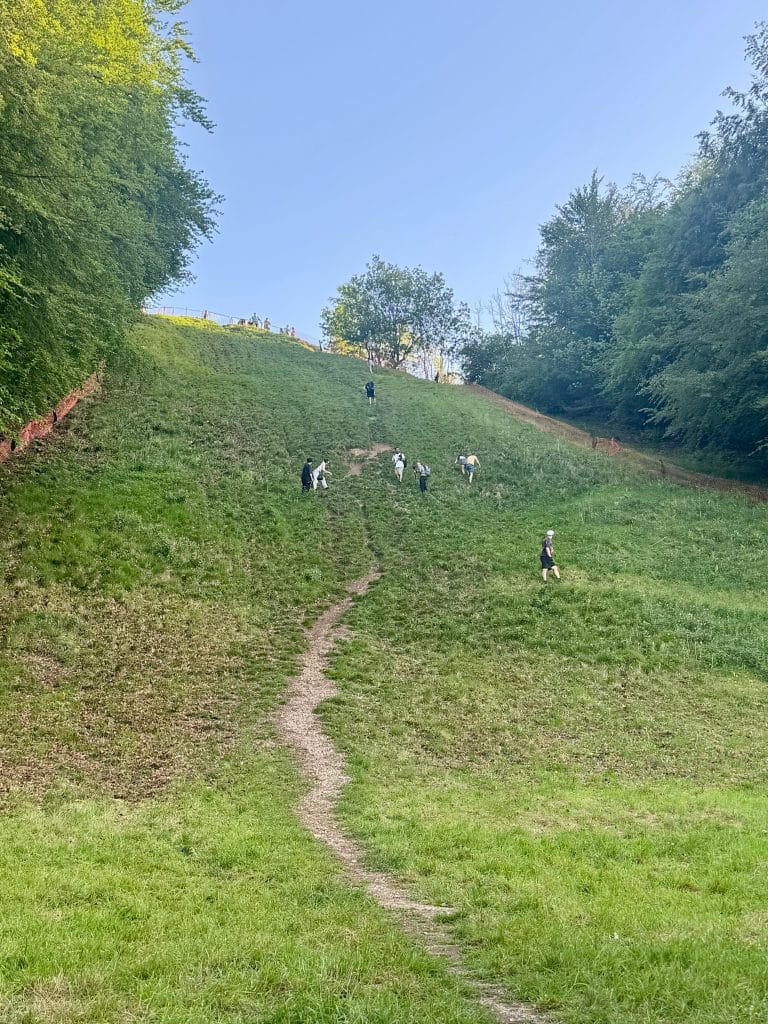
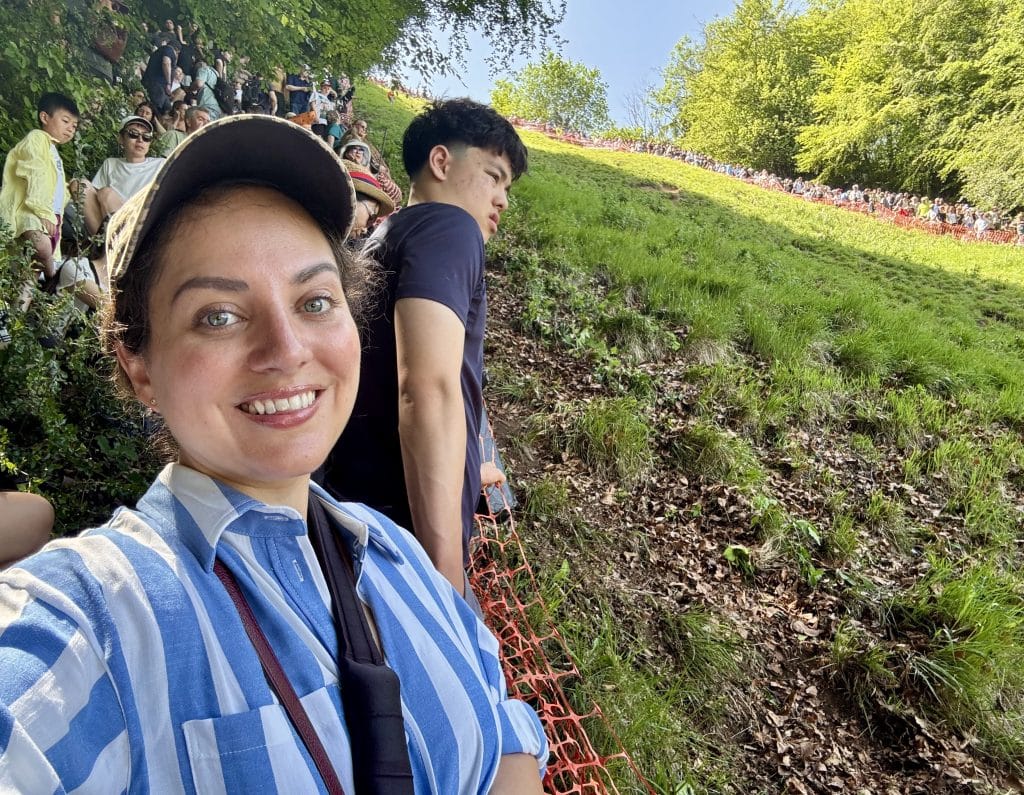
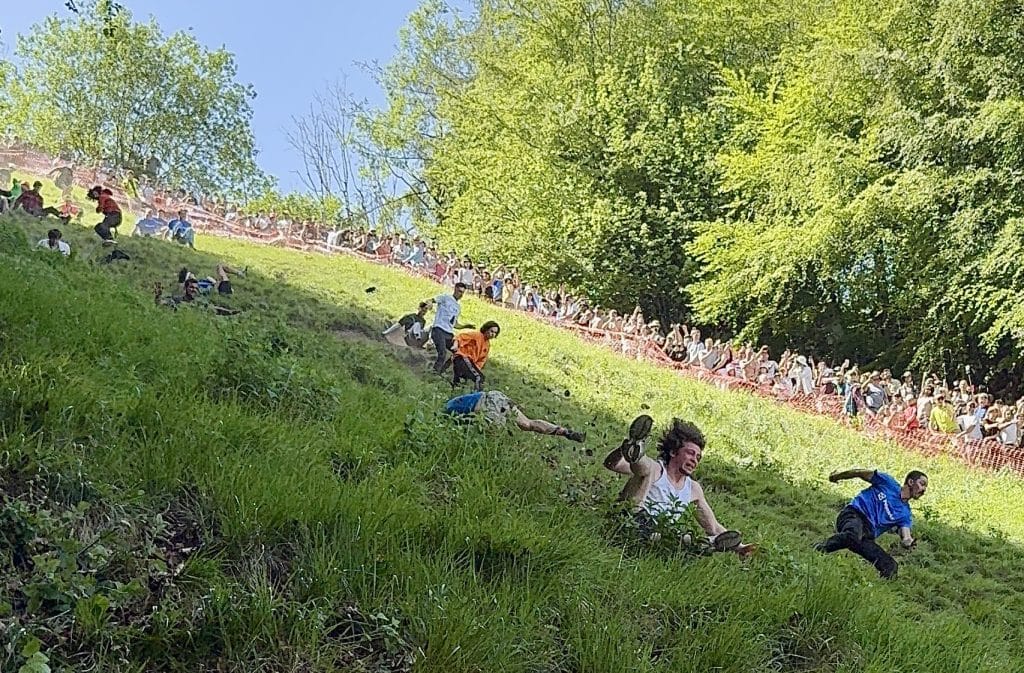
On the final Monday of May, a tradition steeped in centuries of mystery and gravity-defying lunacy descends upon Cooper’s Hill in Brockworth, Gloucestershire. The event, officially known as the Cooper’s Hill Cheese-Rolling and Wake, sees participants hurl themselves down a near-vertical, 200-yard incline in pursuit of a seven-pound wheel of Double Gloucester cheese. While the spectacle draws thousands of spectators from across the globe, it remains a logistical and medical challenge that tests the limits of local infrastructure and personal endurance.
The Origins and Evolution of the Tradition
Though the exact origins of the Cooper’s Hill Cheese-Rolling remain obscured by time, historians and local folklorists suggest the event dates back to at least the early 19th century, with some theories pointing to ancient pagan roots celebrating the onset of summer. What began as a localized village custom—a way to assert grazing rights or simply to celebrate the spring bank holiday—has evolved into a viral, international phenomenon.
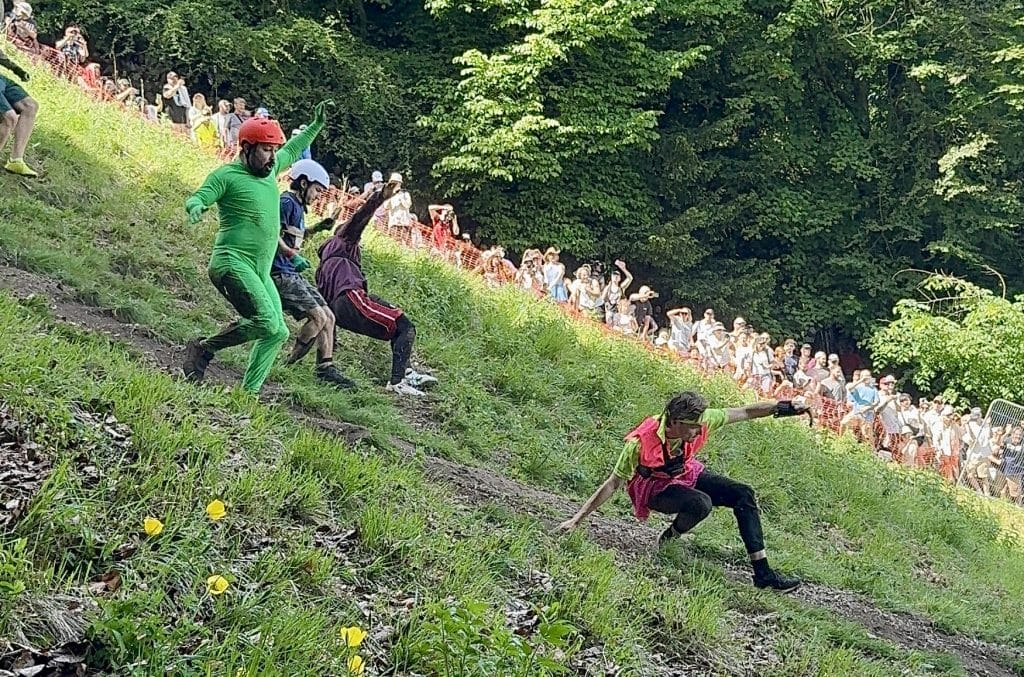
The event’s structure is deceptively simple: a master of ceremonies initiates the descent with a rhythmic cadence: "One to be ready, two to be steady, three for the cheese, and four to be off." Upon the final command, a seven-pound wheel of Double Gloucester is released. Given the gradient of the hill—which reaches a pitch of 1:2 in some sections—the cheese can achieve velocities of up to 70 miles per hour, acting as a projectile that poses a significant hazard to both runners and spectators.
The Paradox of an Unofficial Event
Despite its immense popularity, the Cooper’s Hill Cheese-Rolling is classified as an unofficial event. Following a series of high-profile injuries in the late 2000s, local authorities and organizers formally withdrew their support for the event in 2010. This creates a unique legal and safety landscape. Because there is no official governing body or sanctioned organizer, the responsibility for safety falls squarely on the individual.
The lack of official status means the site is not subject to the rigorous safety planning, crowd management, or emergency infrastructure typically required for large-scale public gatherings. However, the event’s endurance is testament to the community’s commitment to maintaining their cultural heritage. Local residents continue to act as informal stewards, and volunteer rugby players typically station themselves at the base of the hill to act as a "catch" system, preventing runners from careening into the dense crowds at the finish line.
Medical Impact and Emergency Logistics
The physical toll of the race is substantial. In 2025, the demand for emergency services was so high that it necessitated the deployment of both multiple land ambulances and an air ambulance to manage the surge of casualties, ranging from sprains and dislocations to more severe orthopedic fractures.
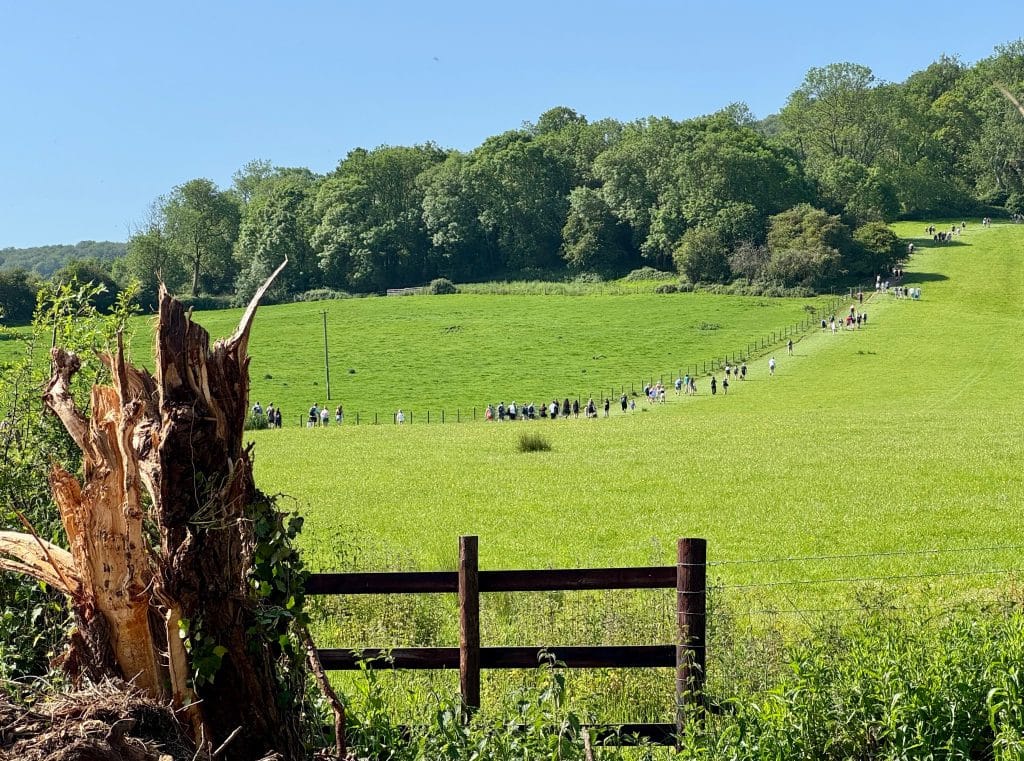
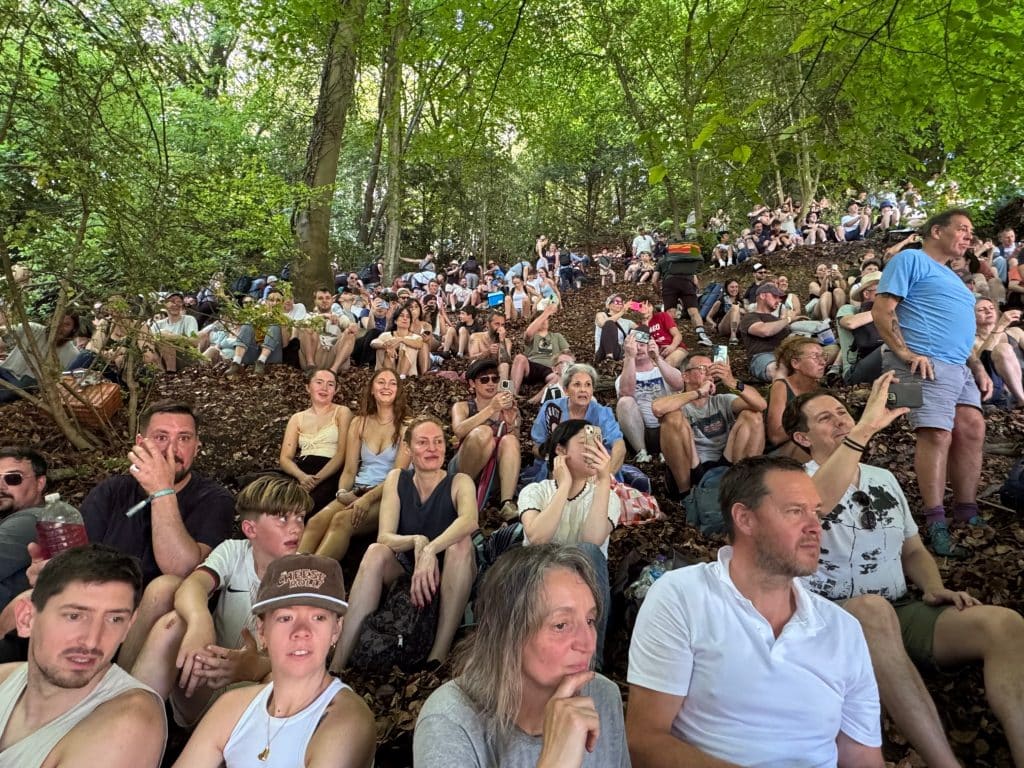
The hill itself—comprising loose dirt, leaf litter, and uneven limestone—becomes a hazardous terrain underfoot. For spectators, the challenge is similarly high. The climb to the viewing areas requires significant physical stamina, and the lack of accessible pathways makes the event inherently exclusionary for those with limited mobility. Local health authorities consistently warn that by participating or even spectating, individuals assume all liability for injuries sustained on the uneven, steep slopes.
The Competitive Landscape
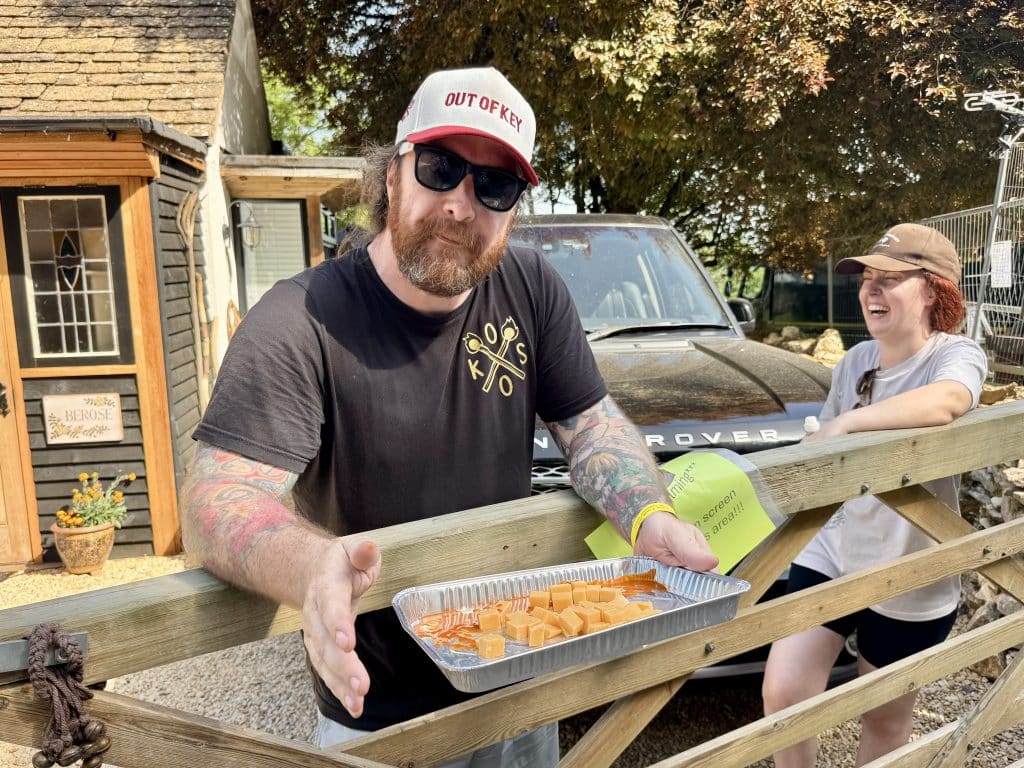
The race categories are segmented into four downhill heats—three for men and one for women—and several uphill races designed to be more accessible for younger demographics and families.
The competitive nature of the event has produced legendary figures. Perhaps the most notable is Chris Anderson, a local athlete who established a Guinness World Record with 23 individual wins between 2005 and 2022. Anderson’s temporary retirement and subsequent return to the hill in 2026 underscored the event’s high-stakes allure. The presence of international participants—such as German YouTuber Tom Kopke, who secured multiple victories in recent years—highlights how the race has transitioned from a local Gloucestershire affair to a premier event on the global daredevil circuit.

Economic and Cultural Implications
The transformation of the Cheese-Rolling into a global media event has had a measurable impact on the Brockworth area. During the late May bank holiday, local transport networks, including bus lines 10 and 166, experience significant strain as thousands of visitors attempt to reach the base of the hill.
Local businesses, such as the Cheese Rollers Pub in Shurdington, have capitalized on the influx, creating a secondary "after-party" atmosphere that serves to anchor the event’s cultural footprint. While the pub is not an official partner of the race, it has become the de facto site for post-race celebration, exhibiting memorabilia that honors the victors and the history of the sport. This economic activity provides a vital, albeit temporary, boost to the regional hospitality sector.
Logistical Challenges for Visitors
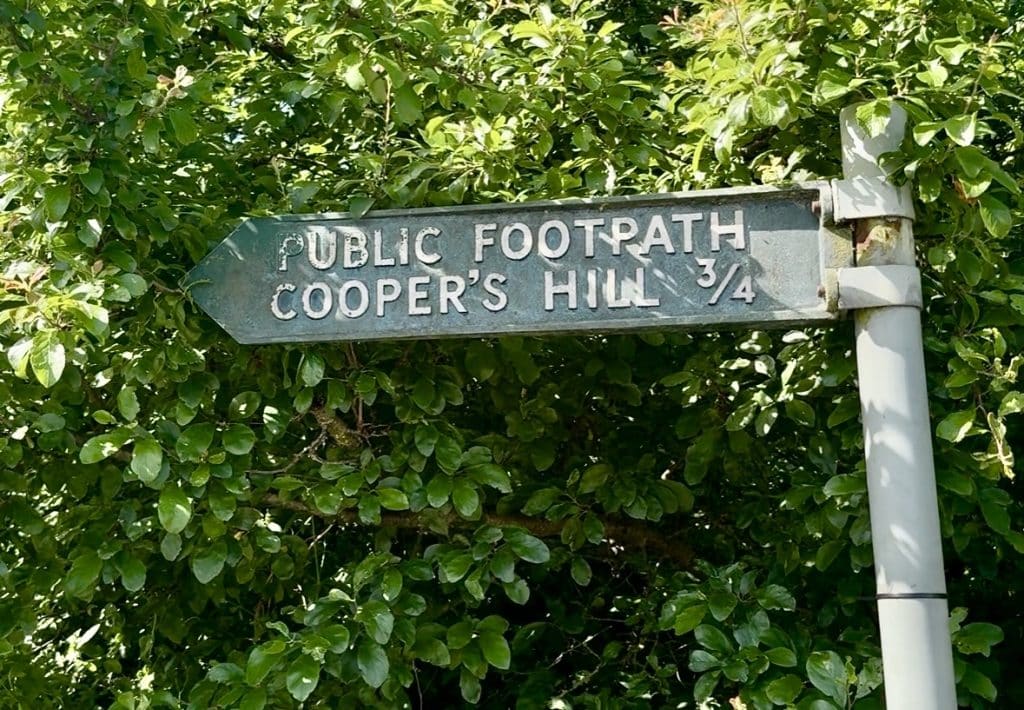
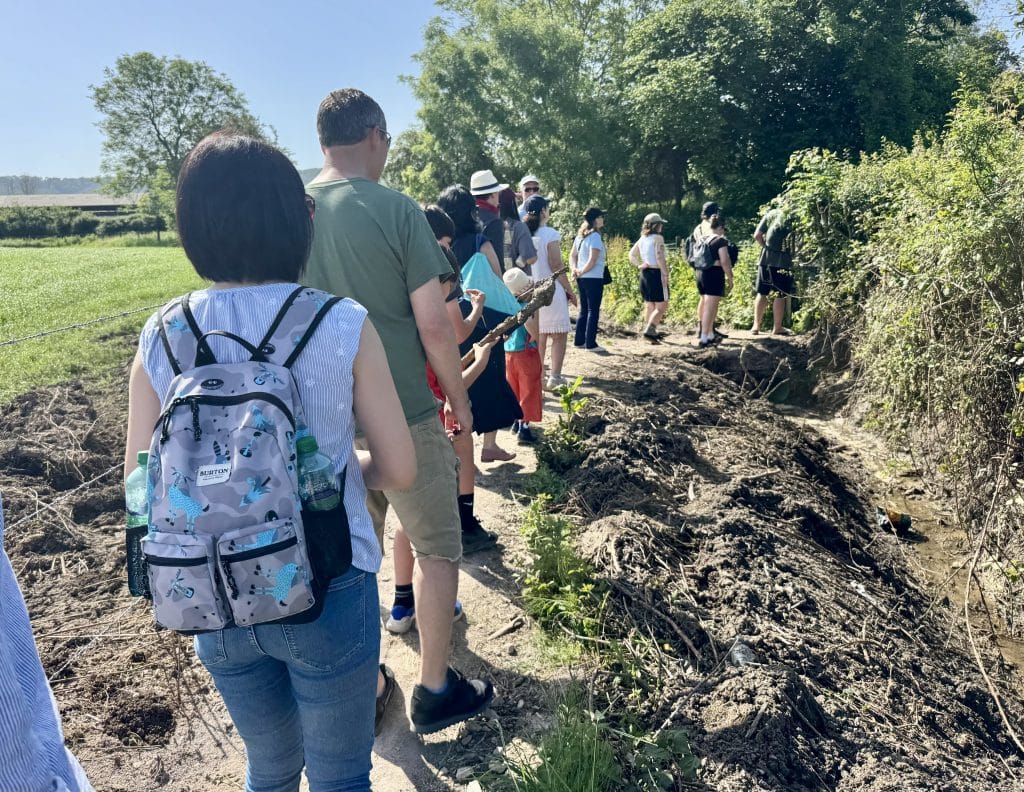
For those planning to witness the event, careful preparation is essential. The lack of infrastructure means that there are no public restroom facilities on the hill, and parking is strictly prohibited on nearby residential streets. The most reliable access point is the public footpath near the Shell station in Brockworth.
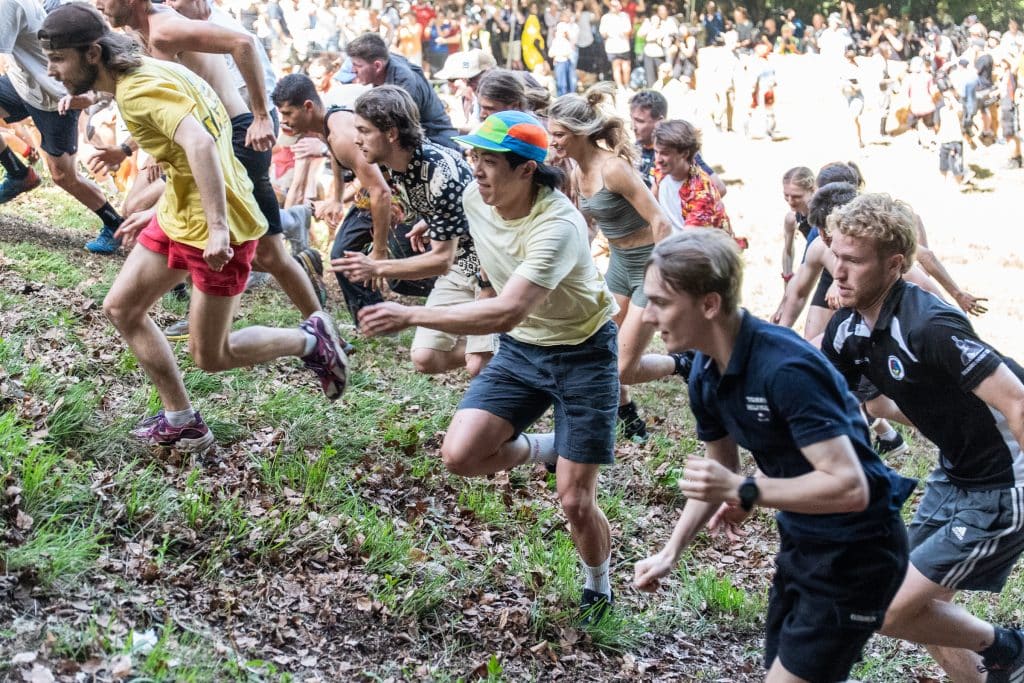
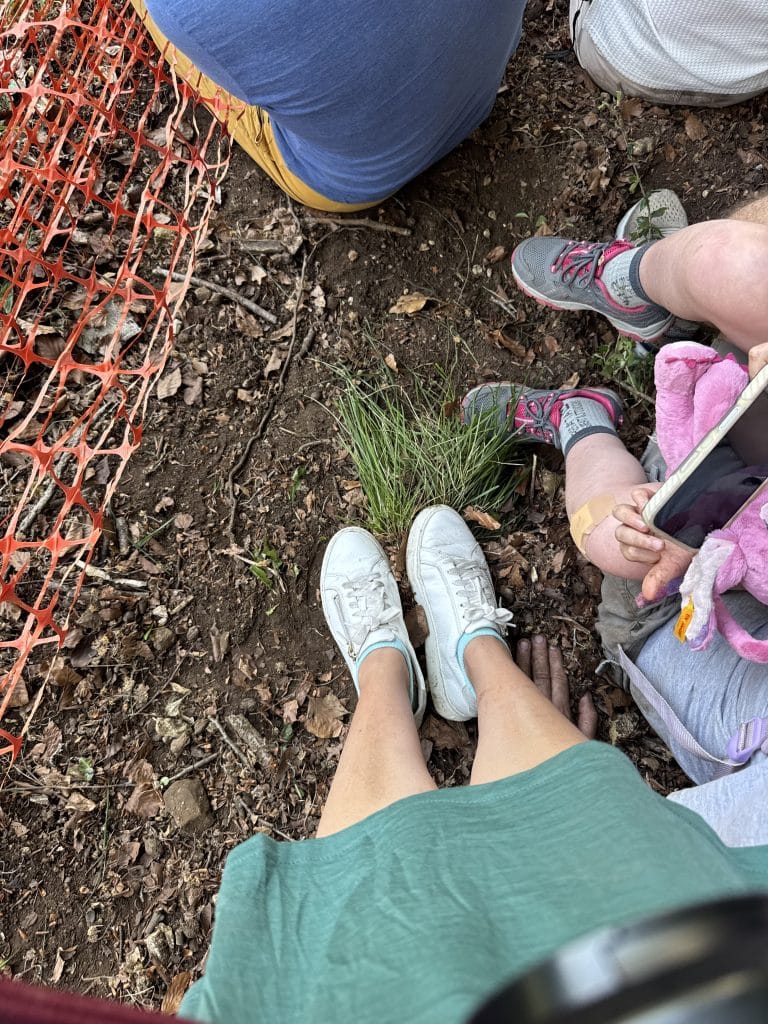
Experts and repeat attendees emphasize the importance of appropriate footwear. Standard athletic shoes are often insufficient for the terrain; hiking boots or specialized trail sneakers are strongly recommended. Furthermore, the weather plays a critical role in the event’s difficulty. On dry, hot days, the dirt becomes loose and unstable, acting like scree on a mountain. On rainy days, the hill transforms into a mudslide, making the ascent significantly more precarious.
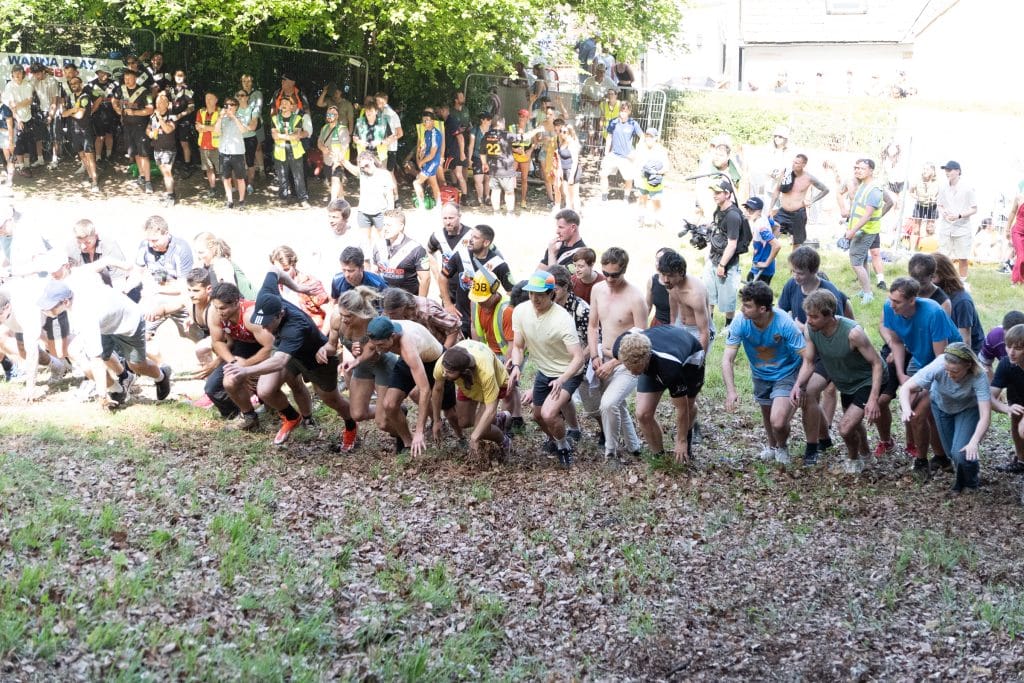
A Snapshot of Modern Challenges
The modern era of the race is characterized by the tension between tradition and the realities of modern media. The rise of short-form video platforms and documentaries like Netflix’s We Are The Champions has driven record attendance, creating a feedback loop of increased interest and, consequently, increased risk.
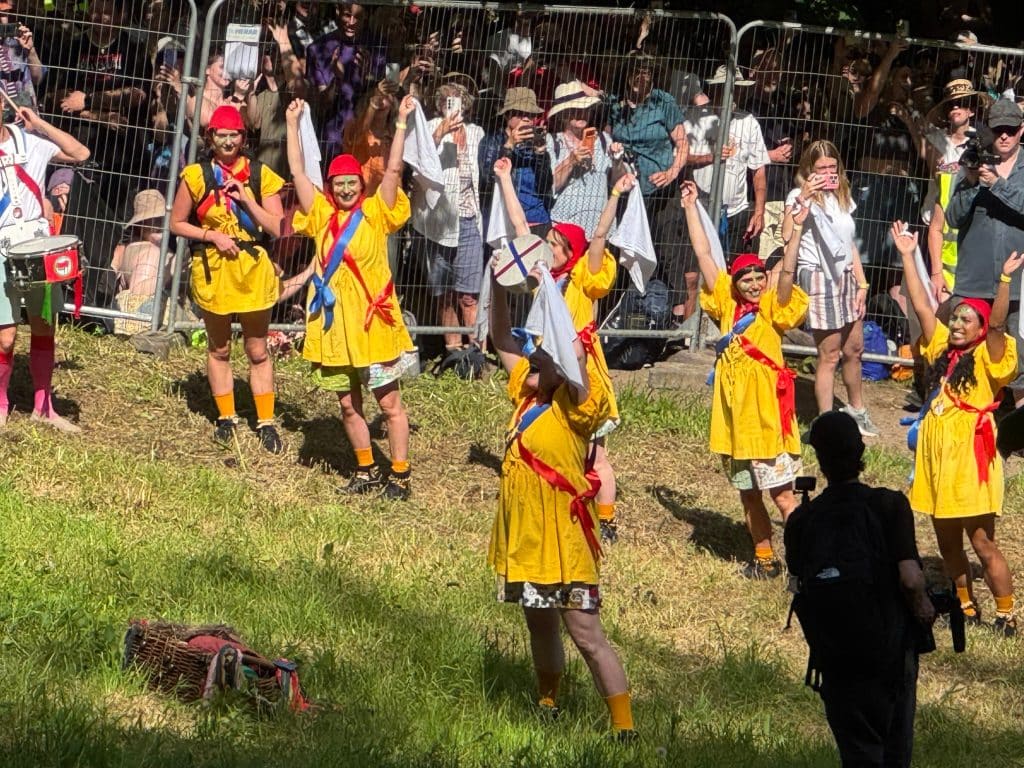
For the spectators, the challenge lies in capturing the event. Because the race occurs in seconds, photographers face the immense difficulty of fast-moving subjects and volatile lighting conditions on the hill’s shaded and sun-drenched patches. The struggle to get the perfect shot mirrors the broader struggle of the event itself: maintaining an authentic, dangerous, and traditional practice in an age of constant digital surveillance and liability-conscious governance.
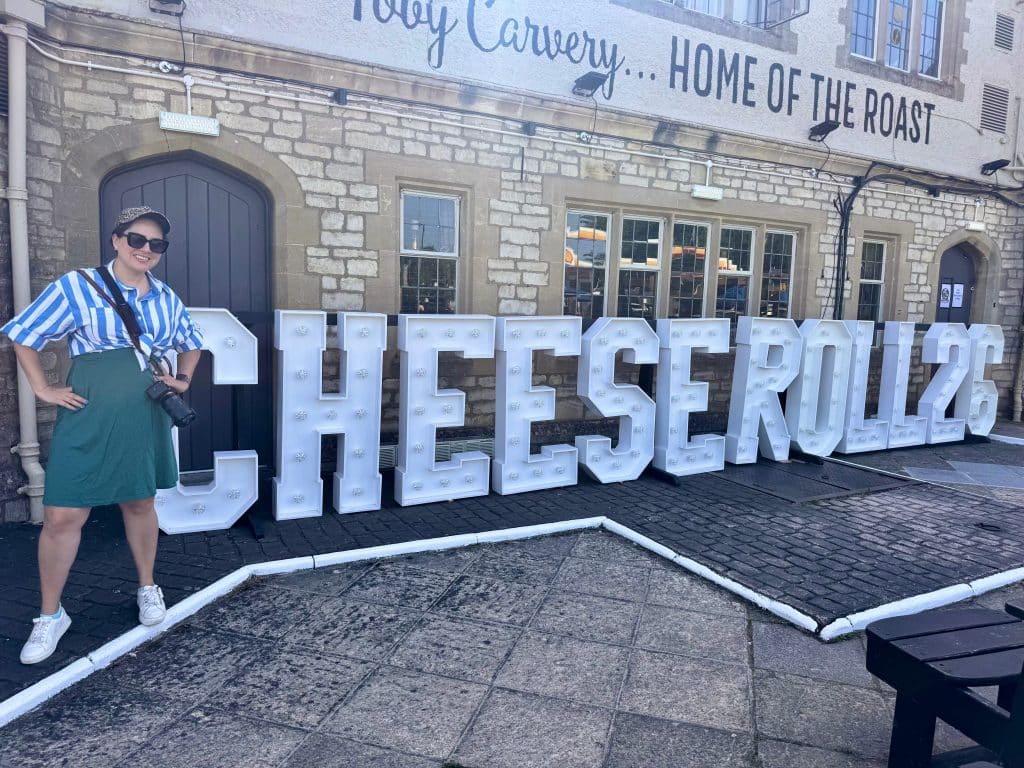
Conclusion: The Future of the Roll
The Cooper’s Hill Cheese-Rolling remains a poignant example of the resilience of English folk traditions. It is a spectacle that refuses to be tamed by modern safety regulations or sterilized by bureaucracy. While the physical risks are undeniable and the logistics continue to frustrate local authorities, the event persists because it represents a rare, visceral connection to the past.
As the race looks toward the future, the primary concern for the community remains the balance between public safety and the preservation of a singular cultural artifact. Until then, the tradition of the race will continue on the last Monday of May, as the world watches a group of individuals chase a seven-pound wheel of cheese into the history books, one tumble at a time.