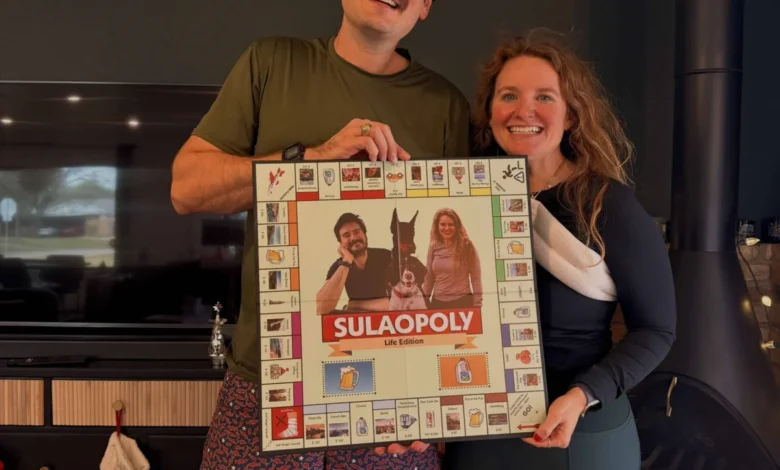
The modern consumer landscape is increasingly defined by the pursuit of convenience, often leading to a reliance on mass-produced retail items during major gift-giving seasons. However, a growing trend in personal gift-giving suggests that items requiring high levels of individual effort, historical context, and emotional labor often hold significantly higher long-term value than commercially purchased alternatives. By shifting the focus from monetary expenditure to the curation of personal memories and household items, individuals are finding ways to celebrate relationships without incurring financial costs. This shift is not merely an exercise in frugality; it is a strategic approach to creating artifacts that possess unique, non-fungible sentimental value.
The Psychology of Personal Value in Gift Exchange
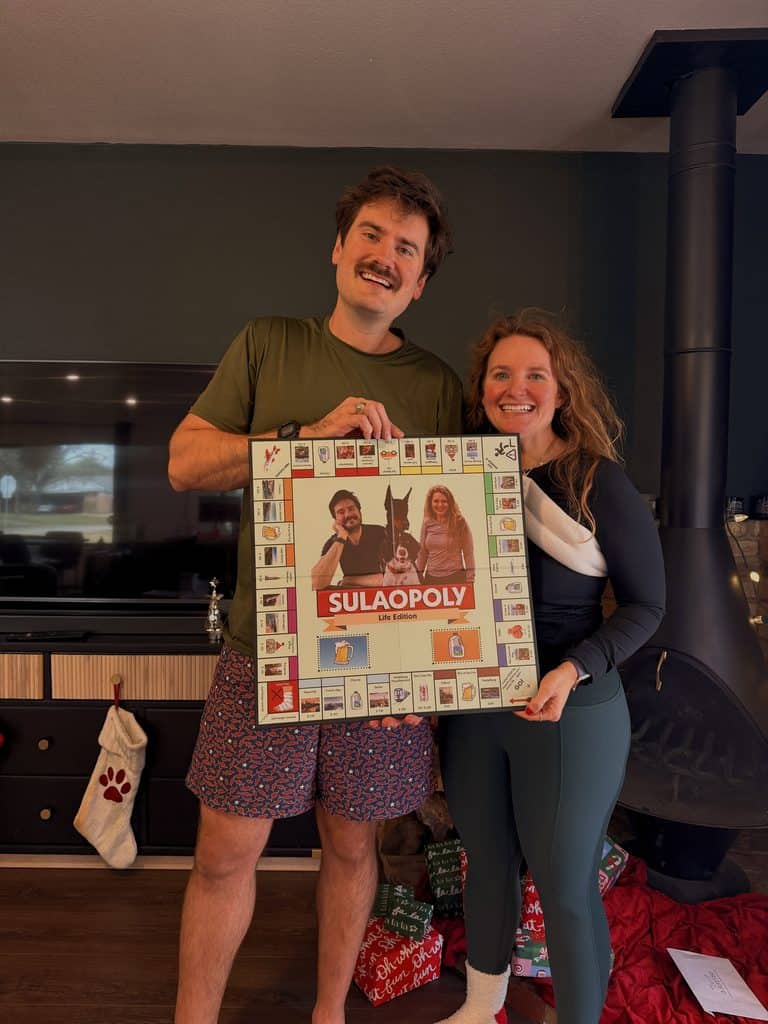
Sociological research into gift-giving behavior indicates that the "perceived value" of a gift is often detached from its retail price. According to studies on interpersonal relationships, recipients frequently rate gifts that demonstrate "insider knowledge"—such as shared history, private jokes, or specific knowledge of a person’s preferences—as significantly more meaningful than expensive, generic items. This phenomenon, often referred to as the "effort heuristic," suggests that the time invested by the giver is directly proportional to the recipient’s appreciation of the item.

When an individual takes the time to curate, frame, or organize personal archives, they are performing an act of labor that cannot be replicated by a retail transaction. Unlike a gift card or a mass-produced consumer good, which can be easily replaced or exchanged, a custom-curated item—such as a hand-annotated book or a restored photograph—is inherently tethered to the relationship between the giver and the receiver.
Chronology of Curated Giving
The process of creating high-impact, zero-cost gifts generally follows a structured timeline. While retail shopping can be completed in minutes, these gifts require an intentional multi-stage process:

- The Audit Phase (Days 1–2): The process begins with an inventory of personal property. This involves scanning digital archives (camera rolls, cloud storage), physical storage (shoeboxes of old photos, junk drawers, bookshelves), and identifying potential "heirlooms" or items of historical significance within the household.
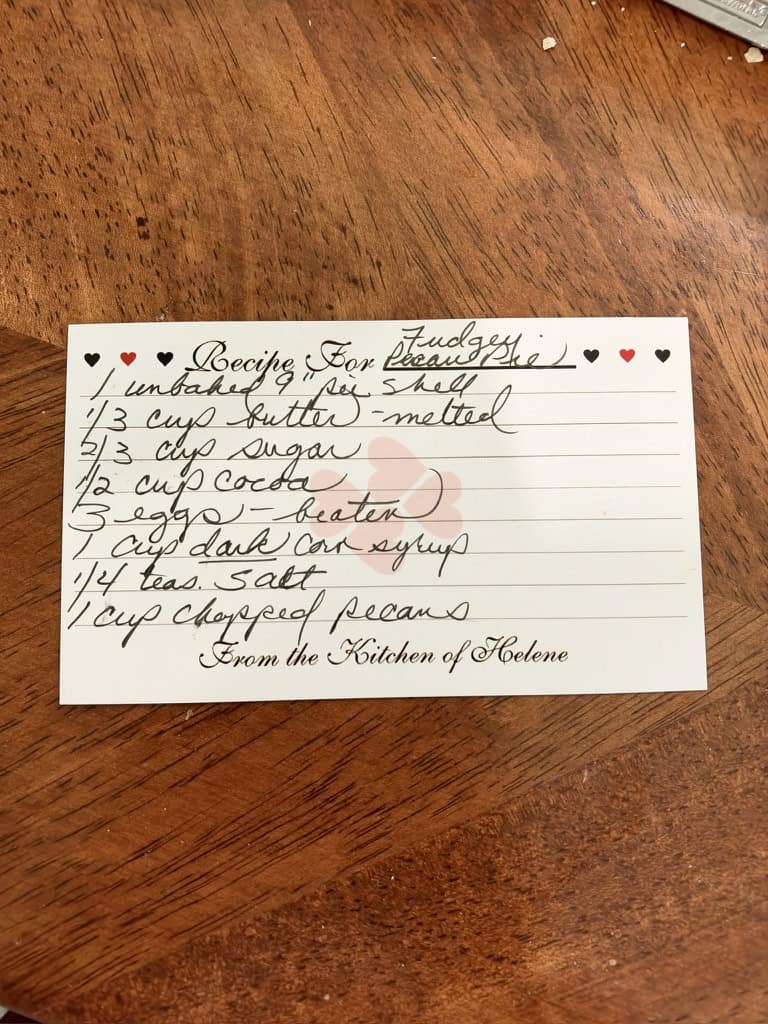
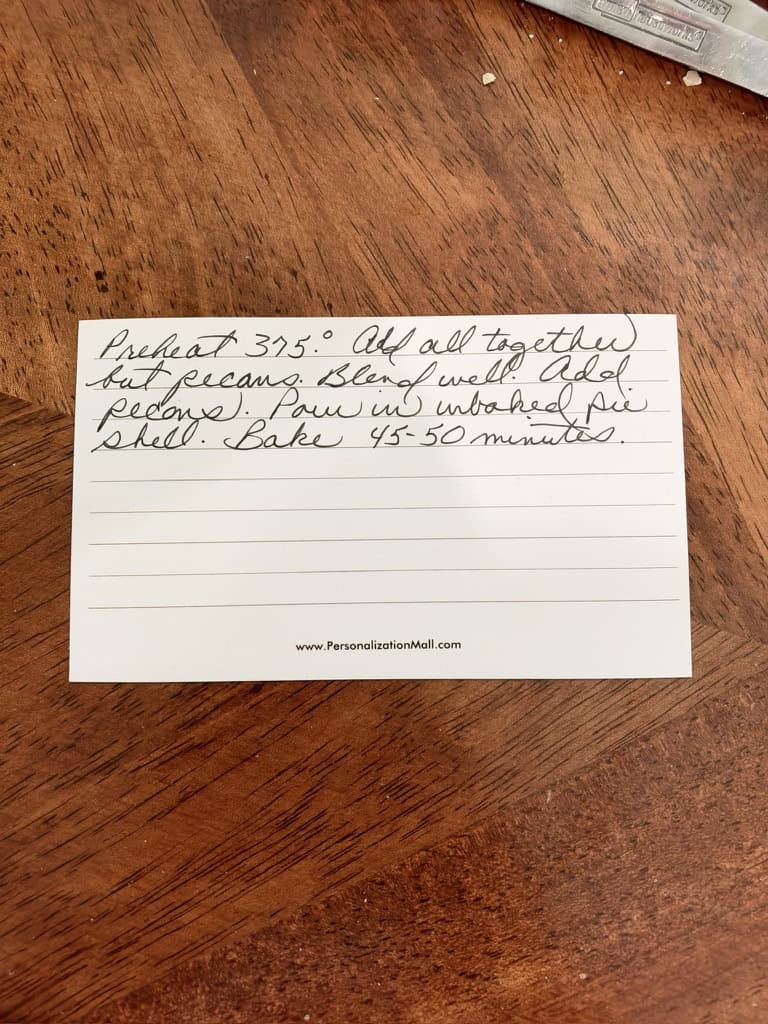
- The Curation Phase (Days 3–5): This stage involves selecting materials that tell a narrative. For example, rather than selecting a generic photo, a giver might select a candid image that captures a specific turning point in a relationship. This is also when supplementary materials—such as handwritten notes, recipe cards, or digital voice recordings—are organized.
- The Assembly Phase (Days 6–10): This is the labor-intensive portion where materials are transformed into a finished product. This may involve scanning old documents, assembling playlists with descriptive liner notes, or creating a "memory map" of significant locations.
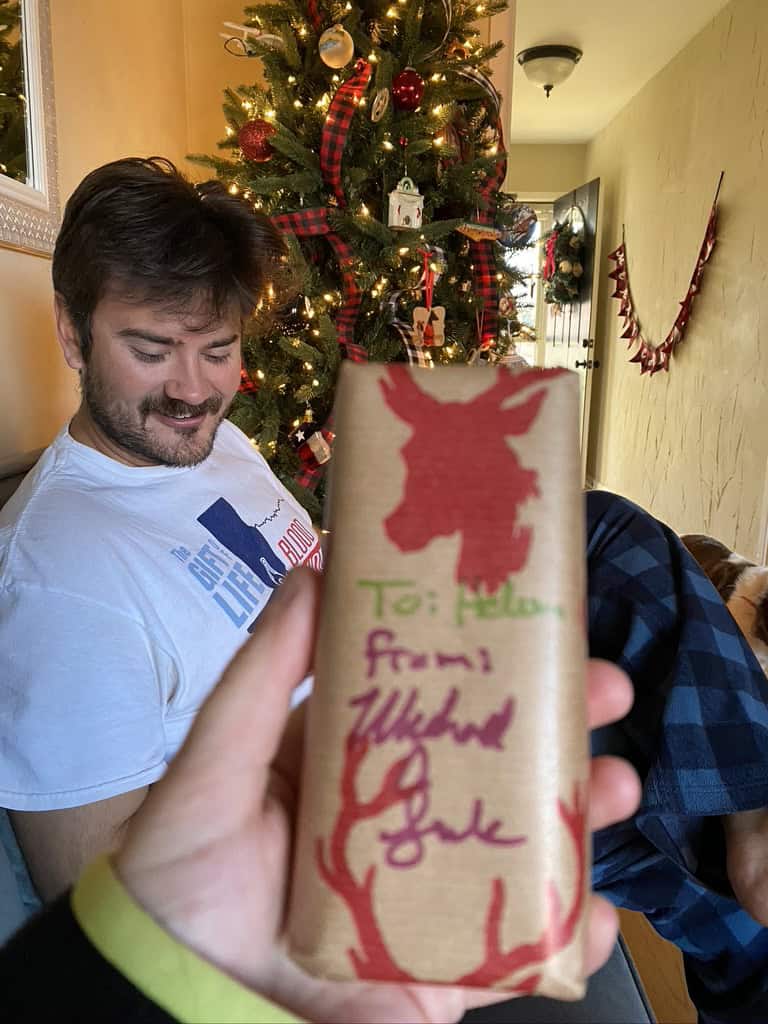
- The Presentation Phase (Day 11): Even the presentation of a zero-cost gift requires consideration. Utilizing repurposed materials, such as saved shopping bags or brown paper, aligns with the theme of the gift and avoids the disconnect of placing a deeply personal item in store-bought, generic packaging.
Practical Applications of Zero-Cost Gifting
There are several categories of high-value, zero-cost gifts that leverage existing assets. These are categorized by the nature of the medium used:
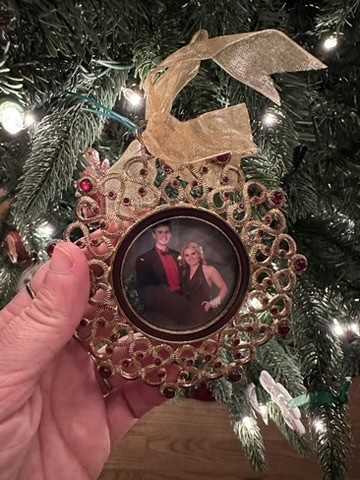
- Visual Archives: The digitization and preservation of physical photo collections remain one of the most effective ways to provide value. Using high-resolution scanning technology (such as Google Photos’ PhotoScan), individuals can preserve images that are otherwise prone to degradation. Providing these in a shared digital album or a restored physical frame ensures the longevity of the memory.
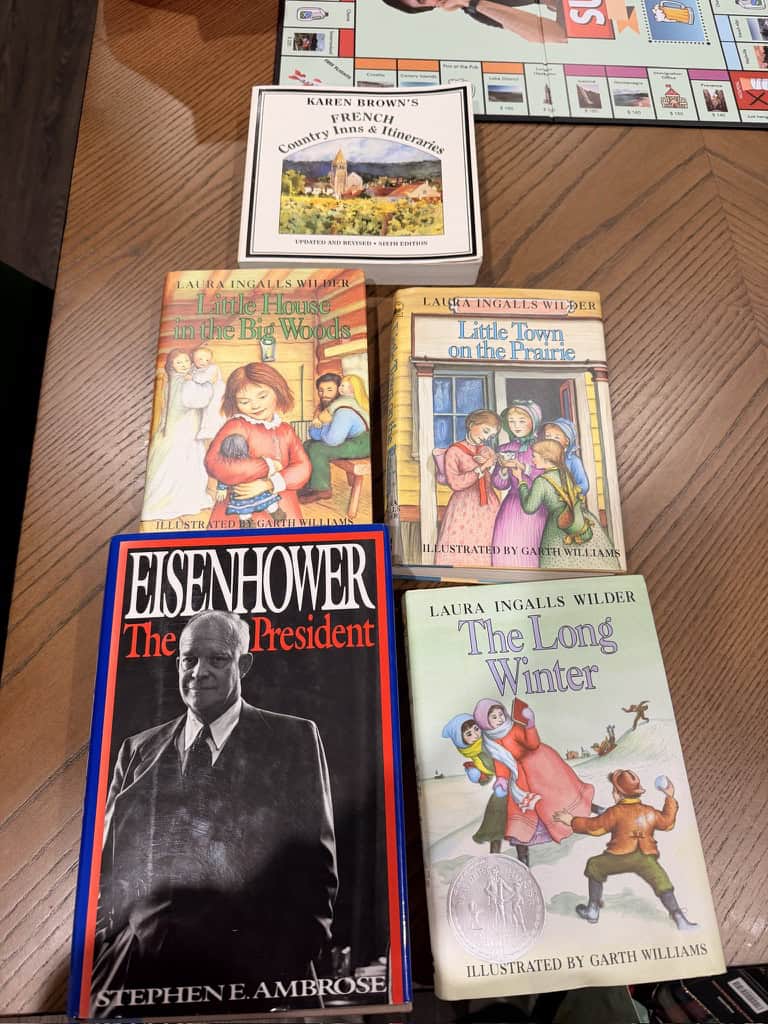
- Narrative and Literary Contributions: For those with a shared history of reading, annotating a personal copy of a favorite book—including margin notes and underlines—serves as a permanent record of the giver’s intellectual and emotional perspective. This transforms a commodity (a book) into a unique historical document.
- Skill-Based Service Contributions: Beyond physical goods, the donation of time—specifically toward tasks that the recipient finds burdensome, such as digital organization, home maintenance, or specialized tech support—offers tangible utility. Unlike a "coupon book" which can feel performative, direct action in solving a problem offers immediate, measurable relief.
The Impact of Economic Context on Consumer Behavior
Data from recent retail seasons suggest that economic volatility often drives a trend toward "conscious consumption." When inflationary pressures impact household budgets, consumers naturally pivot toward gifts that rely on labor rather than capital. This movement is supported by the rise of the "circular economy," where the reuse of existing materials (thrifting, upcycling, or re-gifting with a narrative) is seen as both environmentally responsible and socially sophisticated.
Analysts have noted that the "cost" of these gifts is not zero; rather, it is a payment in time and cognitive load. For the modern professional, time is often the most scarce resource. Consequently, a gift that requires five hours of preparation is, in some contexts, more expensive than a store-bought item costing fifty dollars.
Broader Implications for Social Capital
The long-term impact of these gifts is observed in the preservation of social history. Items such as handwritten family recipes, curated playlists of songs linked to specific life events, or books with personal inscriptions tend to be retained for decades, whereas mass-market gifts are frequently discarded or donated within a few years.
By prioritizing items that reflect the unique intersection of the giver and receiver’s lives, participants in this movement are effectively building a "private archive" of their relationships. This not only strengthens interpersonal bonds but also serves as a hedge against the ephemeral nature of modern digital communication.
Professional Guidance for Implementation
To successfully execute a zero-cost gift, it is essential to adhere to three core principles:
- Authenticity of Narrative: The item must be accompanied by context. Without an explanation of why the item was chosen, the gift loses its significance and risks appearing as an act of casual disposal.
- Quality of Execution: Even when using free materials, the standard of presentation must be high. Clean, deliberate, and thoughtful packaging is required to signal that the item is a gift, not merely a hand-me-down.
- Utility and Resonance: The gift must address a need or evoke a memory that is exclusive to the recipient. A gift that could be given to anyone is rarely a successful personal gift.
In conclusion, the most effective gifts are those that bridge the gap between memory and utility. By utilizing the assets already present in one’s environment and investing the necessary time to curate them with intention, it is possible to provide a gift of profound, lasting value without the need for financial expenditure. This approach represents a shift toward a more sustainable and meaningful mode of human connection.