Beyond the Horizon: The Critical Imperative of Inspiring Inclusion in Global Tourism

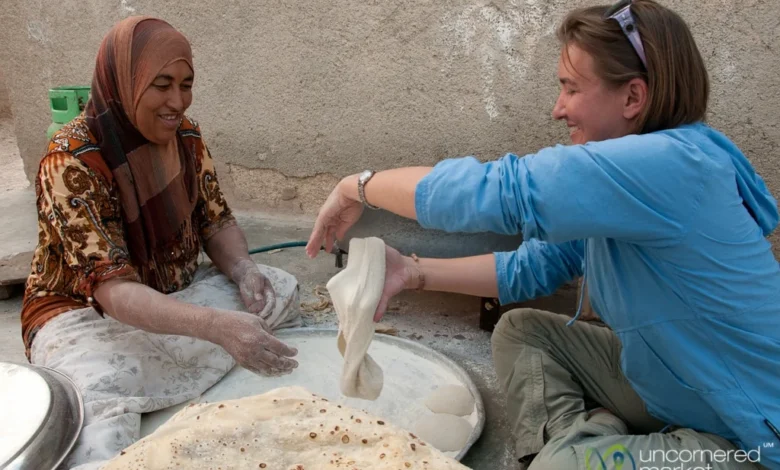
The 2024 International Women’s Day campaign, centered on the theme "Inspire Inclusion," serves as a definitive call to action for industries worldwide to dismantle systemic barriers, challenge entrenched stereotypes, and foster environments where women are not merely present but are valued and respected as decision-makers. While global progress toward gender equality has seen measurable gains over the last several decades, a significant disparity remains between policy intent and ground-level reality. Within the global tourism sector—an industry that serves as a primary economic engine for many developing nations—the mandate to bridge this gap is increasingly urgent. By integrating inclusive practices into the core of travel operations, the industry has the potential to transform from a traditional labor market into a robust, equitable engine for global social change.
A Historical Perspective on Gender and Tourism
The trajectory of gender parity in tourism has been marked by a paradox: while the industry relies heavily on female labor, it has historically failed to offer commensurate opportunities for leadership. In 1975, the United Nations held the first World Conference on Women in Mexico City, sparking a long-term dialogue about women’s roles in international development. Since then, tourism has often been touted as a "gateway" for female employment. By 2019, data from the World Travel and Tourism Council (WTTC) indicated that women accounted for 54% of the global tourism workforce. However, a longitudinal analysis by the UN World Tourism Organization (UNWTO) reveals that this figure masks deep-seated structural inequalities. The vast majority of these roles are concentrated in the informal economy, encompassing service, cleaning, and administrative tasks characterized by low wages, limited job security, and a lack of access to social protections. Currently, only 19% to 25% of executive and C-suite positions within the tourism sector are held by women, suggesting a "glass ceiling" that persists despite the sector’s reliance on female participation.
The Economic Rationale for Inclusive Investment
The argument for inclusion extends far beyond moral imperatives; it is rooted in tangible economic benefit. Data consistently demonstrates that organizations with diverse leadership teams achieve higher profitability and innovation. According to research published by McKinsey & Company, companies in the top quartile for gender diversity on executive teams are 25% more likely to have above-average profitability compared to those in the bottom quartile. This business case is particularly compelling in travel, where women represent a significant portion of the consumer base. Industry analysts estimate that women influence approximately 70% to 80% of all travel purchasing decisions, ranging from family vacations to luxury business travel. When tourism enterprises lack women in strategic roles, they inherently struggle to accurately process, understand, and cater to the needs of their primary demographic, resulting in missed market opportunities.

Beyond the corporate boardroom, the ripple effects of investing in women are well-documented by global financial institutions. Organizations such as Kiva and the UN Women division have established that when women are provided with financial autonomy and entrepreneurial training, they exhibit a high propensity for "social reinvestment." Studies show that women, on average, reinvest up to 80% of their earnings into the health, nutrition, and education of their children and the welfare of their immediate community. This creates a multi-generational cycle of poverty reduction that benefits entire regions, not just individual businesses. In the context of tourism, this means that every dollar earned by a female entrepreneur in a local supply chain—such as a handicraft producer or a local guide—acts as a catalyst for local economic development.
Strategic Mechanisms for Industry Reform
To move beyond symbolic gestures, the tourism industry must implement specific, measurable mechanisms to "Inspire Inclusion." These strategies fall into three primary categories: professional development, procurement reform, and policy advocacy.
Professional development must prioritize the transition of women from entry-level positions to management and ownership. This involves the creation of mentorship programs, transparent promotion pathways, and targeted leadership training that addresses the specific barriers women face, such as cultural expectations regarding family care or a lack of access to formal credit.
Procurement reform requires that travel companies—from large international hotel chains to tour operators—deliberately source goods and services from women-owned enterprises. By creating supply chain policies that prioritize local, women-led businesses, tourism companies can ensure that the economic benefits of their operations remain within the host community. This approach has been successfully piloted in various regions, where tour operators integrate visits to community-based social enterprises, providing both an authentic experience for the traveler and a direct revenue stream for local women.

Policy advocacy involves lobbying for and implementing corporate policies that protect women in the workplace, including maternity benefits, flexible working arrangements, and zero-tolerance policies for harassment. These measures are essential to ensuring that women, particularly those in the informal sector, are not disproportionately vulnerable to economic shocks—a reality that was made starkly evident during the global COVID-19 pandemic, where women in tourism experienced higher rates of job displacement than their male counterparts.
The Role of the Mindful Traveler
The consumer also plays a pivotal role in this transition. The rise of the "mindful traveler"—a demographic that prioritizes sustainability, ethical consumption, and social impact—is pushing the industry to account for its gender-based performance. Travelers are increasingly asking questions about the ownership of the companies they hire, the treatment of local staff, and the distribution of their tourism expenditure. By choosing to support businesses that prioritize inclusive hiring and local community investment, travelers create a market incentive for the rest of the industry to follow suit.
Expert commentary from organizations such as "Women in Travel" underscores that economic empowerment is the fundamental building block for broader gender equality. When a woman achieves financial independence through the tourism sector, the domestic power structure often shifts, leading to increased agency in household decision-making and greater educational attainment for her children.
Implications for the Future
The challenge for the remainder of the decade is to transform the 2024 "Inspire Inclusion" theme into a permanent operating standard. If the tourism sector successfully pivots toward this model, the implications for global development are profound. An inclusive industry is not only more resilient to economic volatility but is also more creative, diverse, and better equipped to handle the complex demands of the modern traveler.

However, this requires a departure from short-term profit-seeking toward a long-term strategy of community integration. Governments must play their part by providing the legislative framework to support women’s rights, ensuring that local women have the legal right to own land, secure loans, and participate in business development. International tourism bodies, such as the UNWTO, must continue to refine the metrics used to track gender parity, moving beyond simple employment numbers to measure the quality of employment, leadership participation, and ownership stakes.
Ultimately, the goal is to reach a stage where the phrase "inspiring inclusion" is redundant because inclusion is the standard operating procedure. This shift requires a departure from the status quo, where women are often relegated to the periphery of the industry’s economic benefits. By placing women in the driver’s seat—as partners, managers, and business owners—the travel sector can finally fulfill its potential to be a force for good. The path forward is clear: through deliberate, consistent, and systemic action, the global travel industry can help build a world where opportunity is not a privilege, but a fundamental outcome for all, regardless of gender. The journey toward a more equitable future depends on the actions taken by stakeholders today, ensuring that when the next International Women’s Day arrives, the conversation has moved from aspiration to established, normalized progress.
Related posts: