Navigating Cultural Nuance and Logistical Complexity on a Women-Only Expedition Through Northern India

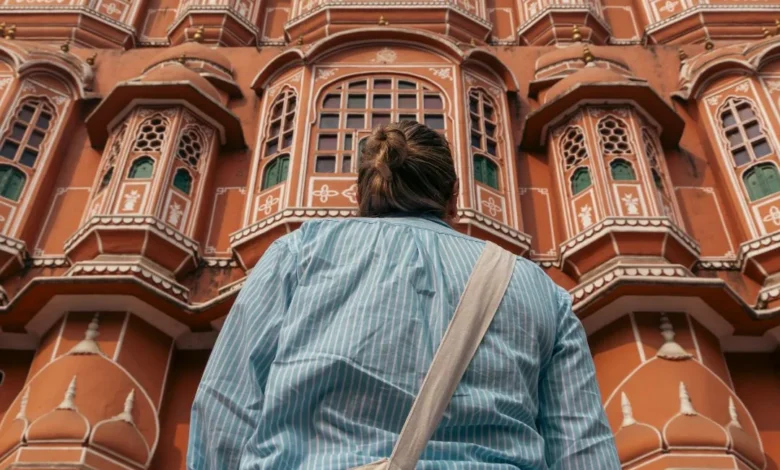
The landscape of international tourism in South Asia is undergoing a significant transformation as specialized travel models, such as female-only expeditions, gain traction among North American and European travelers seeking to navigate the region’s complex social and logistical environments. A recent case study of a Women’s Expedition through Rajasthan, led by local experts, highlights the evolving dynamics of cultural immersion, safety protocols, and the critical role of female leadership in India’s tourism sector. As global travel continues its post-pandemic recovery, with India’s tourism industry projected to contribute significantly to the national GDP, these niche expeditions provide a structured framework for travelers to engage with a country that often presents a high barrier to entry for solo visitors.
The Landscape of Specialized Tourism in India
India remains one of the world’s most diverse and populous nations, with Delhi alone housing an estimated 35.5 million people in its metropolitan area. For many international visitors, the sheer scale of the urban environment—characterized by erratic traffic patterns, dense crowds, and the seasonal intensity of the midday heat—presents an immediate logistical challenge. Industry data suggests that while India has seen a surge in foreign tourist arrivals (FTAs), concerns regarding safety, cultural etiquette, and logistical navigation remain primary deterrents for solo female travelers.
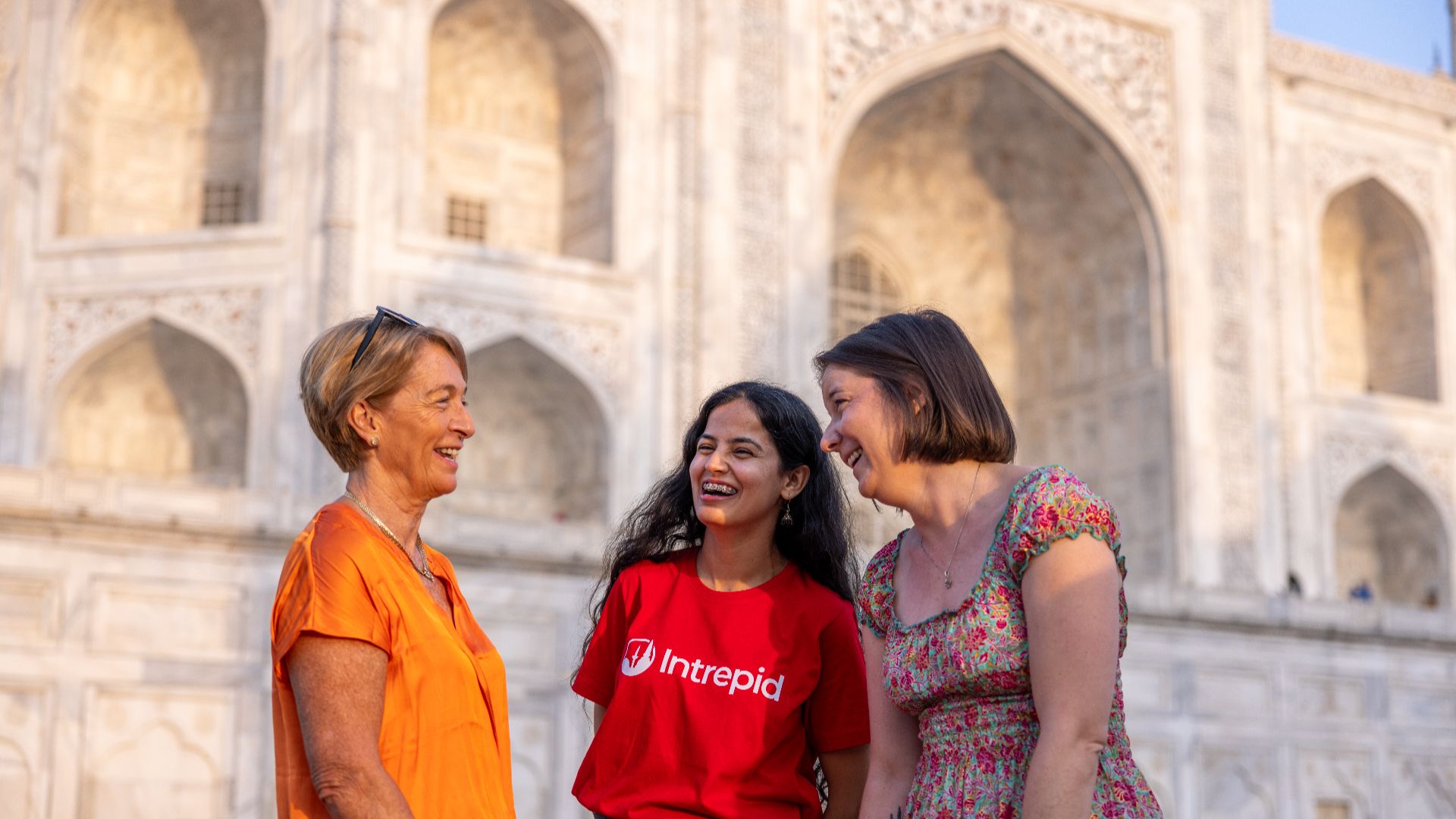
To address these concerns, travel operators like Intrepid Travel have developed "Women’s Expeditions." These programs are designed to offer a "cultural decoder" in the form of a local female leader. In the case of the Rajasthan expedition, the role of the leader, such as Parul, a professional guide, extends beyond traditional itinerary management. These leaders act as translators, safety experts, and cultural intermediaries, facilitating interactions that might otherwise be inaccessible to foreign tourists. According to industry analysts, the presence of a local female guide allows for a "safe space" where travelers can ask sensitive questions about local customs, gender roles, and religious practices without the friction of a language barrier or social misunderstanding.
Logistical Challenges and the Rhythm of Urban Navigation
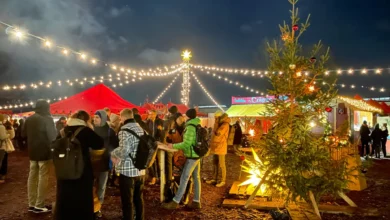
The initial experience of many travelers arriving in major hubs like Delhi is often described as "culture shock"—a psychological and physical response to a radically different environment. For Liz, a traveler from Seattle participating in the Rajasthan expedition, the arrival coincided with the preparations for Diwali, the Hindu festival of lights. Diwali is one of India’s most significant festivals, characterized by a massive increase in street activity, fireworks, and commercial traffic.
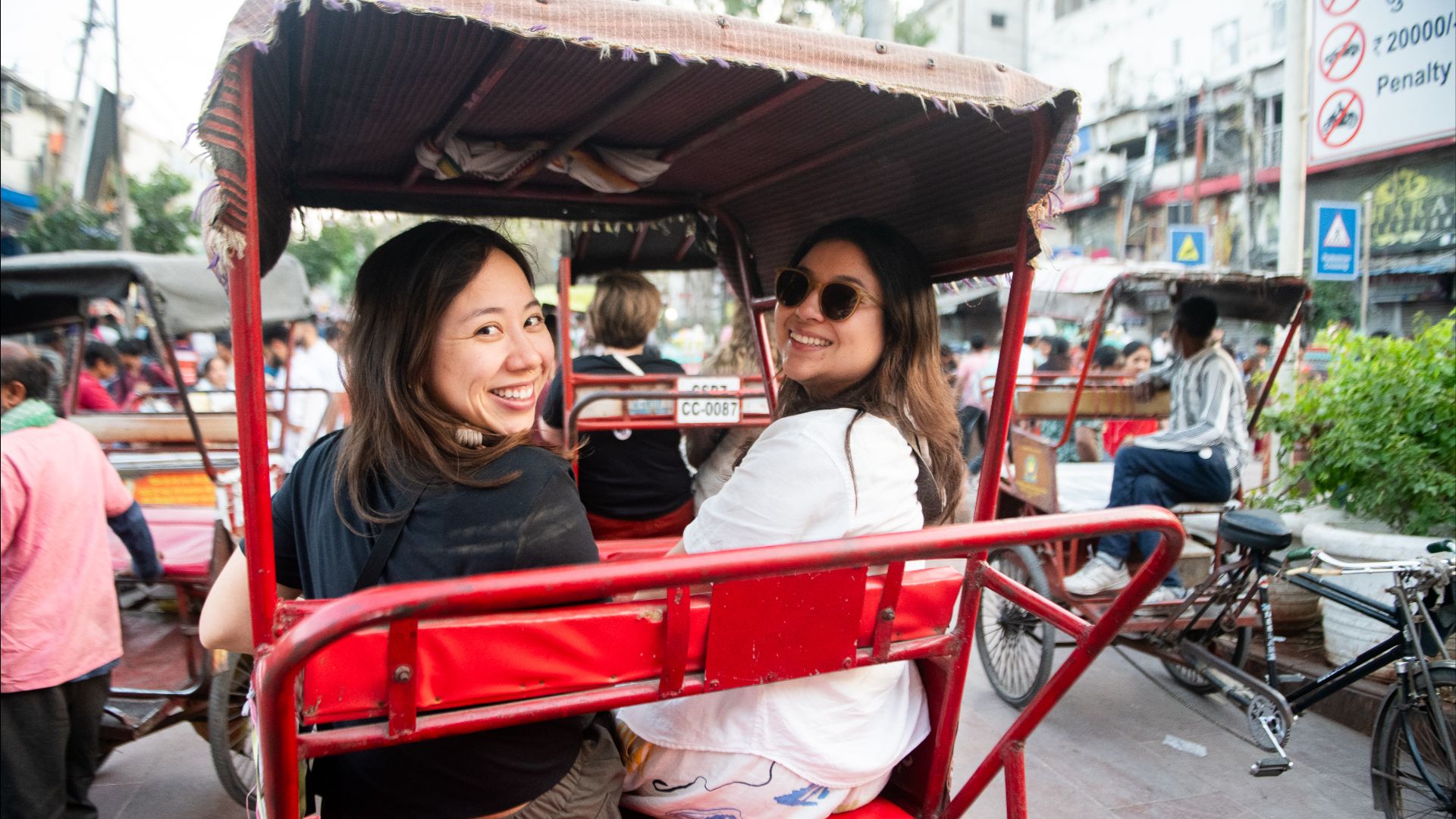
Navigating this environment requires an understanding of the "rhythm" of Indian traffic, which often appears chaotic to the uninitiated. Professional guides emphasize that what looks like disorder is frequently a complex system of non-verbal communication between rickshaws, cars, and pedestrians. The expedition model mitigates the "mental load" of these logistics. By utilizing a mix of transportation—including cycle rickshaws, sleeper trains, and 4WD vehicles—the tour provides a microcosm of the Indian transport infrastructure while ensuring that the group remains insulated from the more stressful aspects of independent navigation.

The Role of the Cultural Intermediary
The professionalization of female guides in India is a relatively recent but impactful trend. Guides like Parul represent a new generation of Indian women entering the workforce in roles that were historically dominated by men. These leaders provide more than just directions; they offer an "encyclopedic" knowledge of Hindu deities, historical context for monuments like the Taj Mahal, and practical advice on food safety.
One of the primary benefits of this leadership is the management of social boundaries. International female travelers often report "open staring" or requests for "selfies" from locals, particularly in popular tourist spots like Agra or Jaipur. While these interactions are frequently rooted in genuine curiosity rather than hostility, they can be overwhelming for visitors. A local leader provides the necessary context, explaining that being an "obviously foreign" woman attracts attention, while also teaching travelers how to set firm boundaries. This includes knowing when to politely decline a photo or how to seek assistance from local authorities or other women if a situation feels uncomfortable.
Economic Impact and Gender Empowerment
The Rajasthan expedition specifically focuses on supporting local female-led initiatives. This includes utilizing women-only train carriages and engaging with female rickshaw drivers in Jaipur—a program designed to provide sustainable livelihoods for women in the transport sector. By integrating these services into the itinerary, the expedition ensures that tourism dollars directly benefit local women, creating a circular economy within the travel industry.
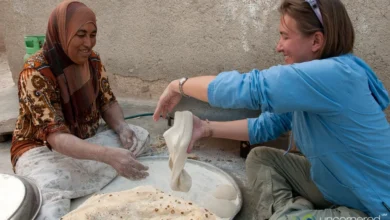
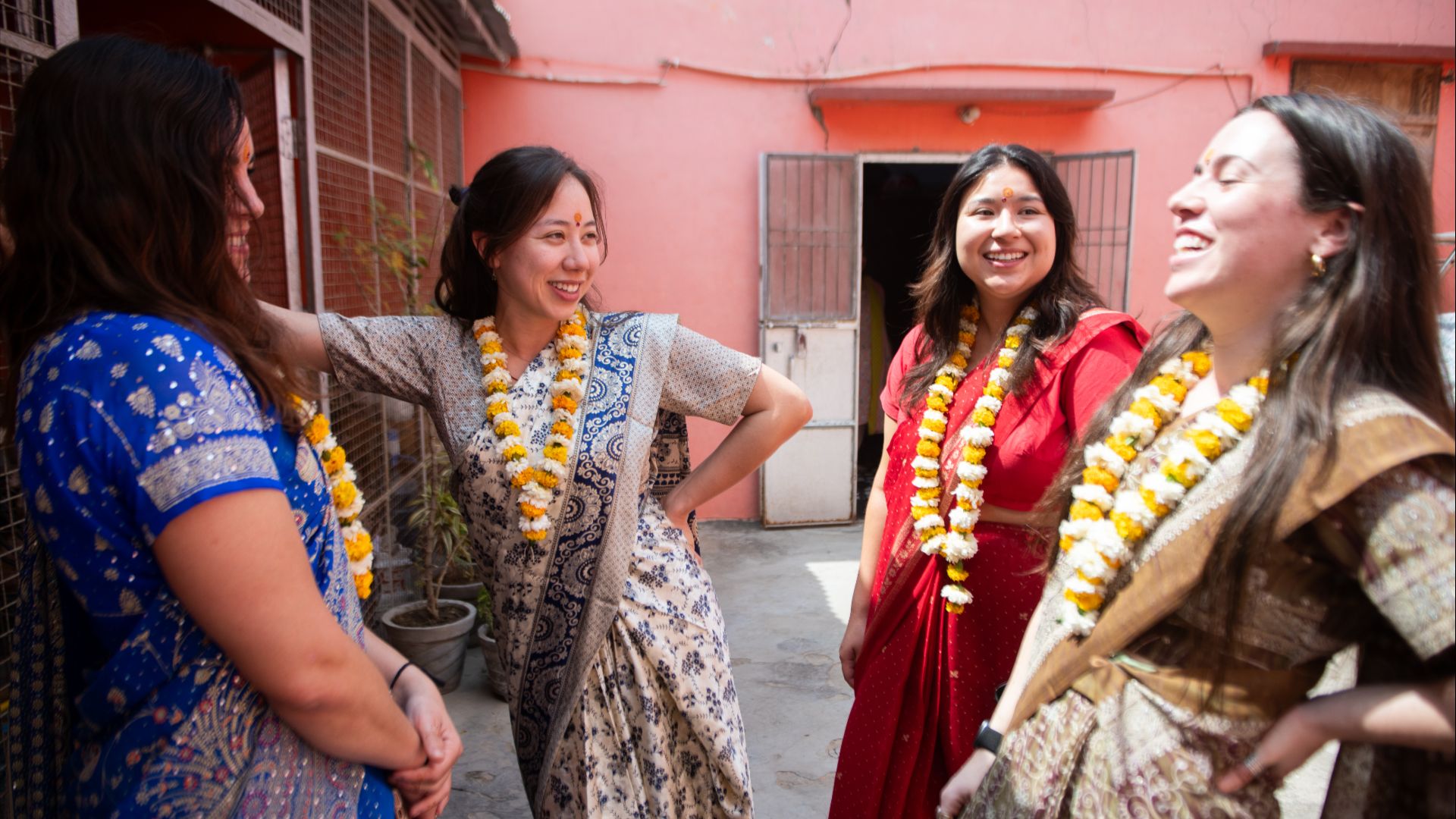
Furthermore, the expedition includes visits to rural villages where travelers engage in communal activities, such as making pakoras or learning the art of draping a sari. These interactions provide a platform for local women to share their heritage while gaining economic independence. For the travelers, these "off-map" experiences often prove more memorable than visiting major monuments, as they offer a glimpse into the domestic and social lives of Indian women across different socioeconomic strata.
Culinary Literacy and Regional Diversity
India’s culinary landscape is as diverse as its geography, yet it is often reduced to a few staple dishes in international markets. The Rajasthan expedition serves as an educational tool for culinary literacy, moving beyond well-known dishes like tikka masala to explore micro-regional differences.
In Northern India (Rajasthan and Delhi), the cuisine is heavily influenced by Mughal traditions, featuring wheat-based breads like roti and naan, dairy-rich gravies, and tandoor-cooked meats. In contrast, the expedition leaders explain the transition to Southern Indian cuisine, which relies on rice, lentils, and coconut milk, often tempered with curry leaves and mustard seeds.
The guide’s role in this context includes teaching "dining etiquette," such as the traditional practice of eating with the right hand and the communal nature of Indian meals. Understanding these nuances is essential for travelers to show respect and fully engage with the local culture. Moreover, having a "food-safety expert" on hand reduces the risk of illness, a common concern for first-time visitors to South Asia.
Safety Data and Global Perceptions
Safety remains a nuanced topic for tourism in India. While international media often highlights safety concerns for women, travel experts argue that these reports can create a skewed perception of the country as a whole. According to the National Crime Records Bureau (NCRB) of India, while certain urban areas report higher crime rates, the vast majority of tourist experiences are peaceful.
The Women’s Expedition model addresses safety through "strength in numbers" and the "insider knowledge" of the guide. Participants in the Rajasthan tour reported that traveling in a group allowed them to transition from feeling "unsure" to "confident" within a matter of days. By the end of the two-week journey, many were able to navigate train stations and bargain in local markets—skills that require a baseline level of comfort and understanding of local social dynamics.

Broader Implications for the Future of Travel
The success of these specialized tours suggests a shift in the global travel market toward "high-touch" experiences that prioritize cultural education over mere sightseeing. As the travel industry evolves, the demand for local, expert-led tours that address specific demographic needs—such as those of solo female travelers—is expected to grow.
For India, the continued development of this sector offers an opportunity to rebrand its tourism image. By showcasing the expertise of female guides and the vibrancy of its local communities, the country can move away from being viewed as a "difficult" destination and toward being seen as a place of profound cultural depth and hospitality. The Rajasthan expedition demonstrates that when travelers are provided with the right tools—leadership, context, and a supportive community—they can move beyond the surface-level "shocks" of the environment and find a meaningful connection with the destination.
In conclusion, the journey through Rajasthan is not merely a tour of palaces and deserts; it is a case study in how professionalized, gender-focused tourism can bridge cultural divides. It empowers both the traveler and the local host, creating a more nuanced and respectful dialogue between different parts of the world. As the participants of the expedition returned to their home countries, they carried with them a changed perception of India—one defined not by the chaos of the traffic, but by the warmth of the people and the expertise of the women who led the way.