Marriott International has officially introduced its prestigious Autograph Collection brand to the Indian subcontinent, marking a significant milestone in its ambitious expansion strategy within one of the world’s fastest-growing travel markets. The debut, announced on a recent Saturday, brings Marriott’s total brand count in India to 19, further solidifying its dominant presence in the nation’s diverse hospitality landscape. The inaugural property, Noormahal, Delhi NCR Karnal, Autograph Collection, is situated in Karnal, a mid-sized city in Haryana, approximately 130 kilometers (81 miles) north of the bustling capital, Delhi. This choice of location, rather than a conventional five-star tower in Mumbai or a business-centric hotel in Delhi, underscores a deliberate and evolving strategic direction for luxury hospitality in India, emphasizing unique, localized experiences over traditional metropolitan offerings.
A Deliberate Choice: Autograph Collection’s Indian Debut in Karnal
The selection of Karnal and Noormahal as the entry point for the Autograph Collection in India is far from arbitrary; it is a meticulously calculated move designed to align with the brand’s core philosophy: "Exactly Like Nothing Else." Kiran Andicot, Senior Vice President for South Asia at Marriott International, articulated this strategic rationale, stating, "Noormahal stood out because it brings a well-defined identity and a strong sense of place, brand prerequisites that are central to the Autograph Collection Hotels ethos." This statement highlights the brand’s commitment to curating a portfolio of independent hotels that are rich in character, history, and local charm, offering guests an immersive and authentic travel experience distinct from standardized luxury offerings.
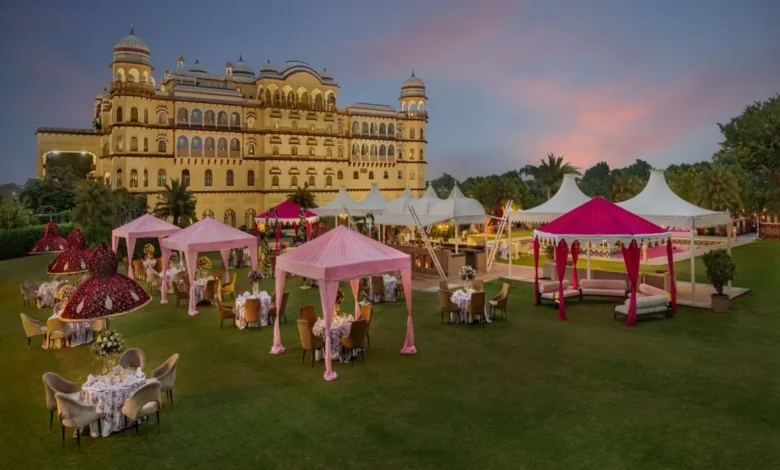
Noormahal, a 176-key property, was constructed in 2009 and is renowned for its architectural grandeur, drawing inspiration from the traditional Mughal and Rajputana schools of design. Its intricate detailing, majestic courtyards, and palatial interiors evoke a sense of bygone eras, seamlessly blending historical aesthetics with modern comforts. The property’s inherent uniqueness and its ability to tell a compelling story about Indian heritage made it an ideal candidate for the Autograph Collection, a brand that prides itself on celebrating individuality and a strong sense of place. The hotel’s design ethos, rooted in regional architectural traditions, offers a tangible connection to the cultural fabric of Haryana, providing an experience that cannot be replicated in a generic urban hotel.
Strategic Expansion in India’s Burgeoning Hospitality Landscape
Marriott International’s foray into India dates back decades, establishing itself as a pioneering force in the country’s modern hospitality sector. Over the years, the company has aggressively expanded its footprint, adapting to the dynamic demands of Indian travelers and the nation’s burgeoning economic growth. With the addition of the Autograph Collection, Marriott now commands an unparalleled portfolio of 19 distinct brands across India, encompassing over 130 operational hotels and a robust pipeline of upcoming projects. This diverse brand strategy allows Marriott to cater to a broad spectrum of travelers, from budget-conscious business travelers to ultra-luxury seekers, across various segments including full-service, select-service, and extended-stay properties.
India’s hospitality market is experiencing a significant boom, driven by a confluence of factors including rising disposable incomes, a growing middle class, increased domestic tourism, and enhanced infrastructure development. Government initiatives aimed at promoting tourism, coupled with improved air and road connectivity, have made previously less accessible destinations more viable for high-end hospitality ventures. The rise of tier-2 and tier-3 cities like Karnal as legitimate tourist destinations, weekend getaways, and even MICE (Meetings, Incentives, Conferences, and Exhibitions) hubs represents a crucial trend. These cities offer a blend of cultural authenticity, natural beauty, and a relatively less crowded environment compared to major metros, appealing to travelers seeking more nuanced and enriching experiences. Marriott’s move into Karnal is a clear acknowledgement of this evolving market dynamic and an affirmation of the untapped potential beyond India’s traditional urban centers.
The Autograph Collection Brand: A Global Philosophy of Individuality
Globally, the Autograph Collection was launched by Marriott International in 2010 as a distinctive portfolio of independent hotels, each chosen for its unique character, design, and immersive experiences. The brand’s philosophy is centered on the idea that every hotel has a story to tell, offering guests a curated stay that is both memorable and deeply personal. Unlike other brands that adhere to rigid design and service standards, Autograph Collection hotels are celebrated for their individuality, allowing owners to maintain their distinct identity while benefiting from Marriott’s extensive distribution channels, loyalty program (Marriott Bonvoy), and operational expertise.
This approach resonates strongly with the growing global trend of experiential travel, where discerning travelers prioritize authentic encounters, cultural immersion, and unique narratives over standardized luxury. Guests are increasingly seeking hotels that reflect the local culture, history, and environment of their destination. Noormahal, with its opulent Mughal and Rajputana architecture, its setting in a historically rich region like Haryana, and its commitment to delivering a luxurious yet culturally resonant experience, perfectly embodies the Autograph Collection’s global vision. It offers an escape that is not just about comfort but about engaging with a distinct sense of place.
Noormahal: A Deep Dive into Heritage and Modern Luxury
Noormahal, Delhi NCR Karnal, Autograph Collection, stands as a testament to the seamless fusion of historical grandeur and contemporary amenities. Built in 2009, the property meticulously recreates the splendor of India’s royal palaces, featuring intricate frescoes, ornate domes, majestic arches, and sprawling gardens. The architectural style, inspired by the Mughal and Rajputana eras, is evident in every detail, from the grand lobby to the exquisitely designed guest rooms and suites. Each of the 176 keys offers a blend of traditional aesthetics and modern conveniences, ensuring a luxurious and comfortable stay for guests.
The hotel boasts a comprehensive array of facilities designed to cater to both leisure and business travelers. These typically include multiple dining venues offering a range of culinary experiences from authentic Indian cuisine to international fare, a luxurious spa and wellness center, an outdoor swimming pool, state-of-the-art fitness facilities, and extensive banqueting and conference spaces. The opulent ballrooms and expansive lawns make Noormahal an attractive venue for grand weddings, corporate events, and social gatherings, further contributing to its versatility and appeal. Its location in Karnal, strategically positioned on the Delhi-Chandigarh highway (NH44), also makes it an accessible destination for weekend getaways from Delhi and other nearby cities, tapping into the robust domestic leisure travel market. Karnal itself is an important agricultural and industrial hub, offering potential for corporate bookings in addition to leisure tourism.
Implications for India’s Hospitality Sector
The launch of the Autograph Collection in Karnal carries significant implications for the broader Indian hospitality sector:
Validation of Tier-2 City Potential
Marriott’s decision to plant a luxury flag in Karnal sends a powerful signal to the industry. It validates the immense potential of tier-2 and tier-3 cities not just as emerging markets but as viable destinations for premium and luxury hospitality brands. This move is likely to encourage other international and domestic hotel chains to explore similar opportunities, diversifying the luxury travel map beyond the traditional metros.
Reinforcement of Experiential Travel
This launch underscores the growing importance of experiential travel in India. Travelers, particularly the younger demographic and affluent segments, are increasingly seeking unique, story-driven experiences that offer cultural immersion and a break from the conventional. Noormahal’s heritage-rich offering perfectly aligns with this trend, setting a precedent for future luxury developments.
Competitive Landscape Shift
By pioneering a distinctive luxury offering in a non-metro location, Marriott is actively shaping the competitive landscape. This strategic diversification allows Marriott to capture market segments that might be overlooked by competitors still focused on saturated urban markets. It also positions the company as an innovator in identifying and catering to evolving traveler preferences.
Local Economic Impact
The establishment of a luxury hotel like Noormahal under an international brand like Marriott brings substantial economic benefits to Karnal and the wider Haryana region. It creates direct and indirect employment opportunities, boosts local tourism revenue, stimulates demand for local goods and services, and enhances the region’s overall appeal as a tourist destination. This can lead to improved infrastructure and increased investment in the area.
Future Growth Trajectory
The success of Noormahal, Delhi NCR Karnal, Autograph Collection, could serve as a blueprint for future Autograph Collection properties in India, potentially leading to the identification of other unique, independent hotels in diverse locations across the country that embody the brand’s ethos of individuality and a strong sense of place. This could unlock new corridors of luxury tourism previously considered niche or underdeveloped.
A Chronology of Marriott’s Indian Journey and Autograph Collection’s Evolution
Marriott International’s journey in India commenced in the late 1990s, with its first property opening in 1999. Since then, the company has embarked on an aggressive expansion, steadily increasing its brand presence and hotel count. Key milestones include the introduction of various full-service brands like JW Marriott and Marriott Hotels, followed by the expansion into select-service segments with brands like Courtyard by Marriott and Fairfield by Marriott. The company also strategically entered the luxury segment with brands like The Ritz-Carlton and St. Regis in major metropolitan areas.
Globally, the Autograph Collection was launched in 2010, marking Marriott’s entry into the independent hotel space. It quickly grew to become one of Marriott’s fastest-growing soft brands, attracting unique properties from around the world that sought to retain their individual identities while benefiting from a global powerhouse’s resources. The decision to bring Autograph Collection to India reflects the brand’s global success and its relevance to the evolving demands of the Indian luxury traveler. The announcement of Noormahal’s inclusion in the Autograph Collection in late 2023 represents the culmination of this strategic alignment, bringing a decade-long global brand evolution to India’s shores.
Statements and Industry Reactions
Kiran Andicot’s assertion regarding Noormahal’s strong identity and sense of place underscores Marriott’s belief in the property’s unique appeal. Industry analysts have largely welcomed Marriott’s move, viewing it as a forward-thinking strategy. A senior hospitality consultant, who preferred not to be named, commented, "This is a shrewd move by Marriott. The Indian traveler is increasingly sophisticated and seeking authentic, differentiated experiences. Placing the Autograph Collection in a location like Karnal, with a property as distinct as Noormahal, taps directly into this demand, while also de-risking over-reliance on saturated metro markets."
Local tourism officials in Haryana have also expressed enthusiasm. "The arrival of an international luxury brand like Autograph Collection to Karnal will significantly elevate the profile of our region," stated a spokesperson from the Haryana Tourism Department. "It will attract a new segment of high-spending tourists, boost local businesses, and potentially lead to further investment in tourism infrastructure across Haryana, showcasing our rich heritage to a global audience." This sentiment highlights the perceived positive ripple effect on regional development and tourism promotion.
Challenges and Opportunities in Tier-2 Luxury
While the opportunities are vast, operating a luxury hotel in a tier-2 city like Karnal also presents unique challenges. These can include developing robust local supply chains for high-quality goods, attracting and retaining skilled hospitality talent in a less urbanized environment, and effectively marketing a niche luxury product to a broader audience that might initially associate luxury solely with metropolitan hubs. However, these challenges are often offset by lower operational costs, less intense competition compared to metros, and the distinct advantage of offering truly authentic and less commercialized experiences. The opportunity lies in carving out a unique market position, leveraging the local culture and history to create an unparalleled guest journey.
In conclusion, Marriott International’s strategic decision to launch its Autograph Collection in India with Noormahal in Karnal represents a pivotal moment for luxury hospitality in the country. It signifies a confident pivot towards experiential travel, a validation of tier-2 cities as viable luxury destinations, and a testament to Marriott’s adaptive and innovative approach to market expansion. As India’s travel landscape continues to evolve, this move positions Marriott at the forefront of a new era of luxury that blends global standards with deep local authenticity, promising unique and unforgettable experiences for the discerning traveler.