Navigating Nepal’s Post-Disaster Tourism Recovery: Balancing Economic Survival With Responsible Travel

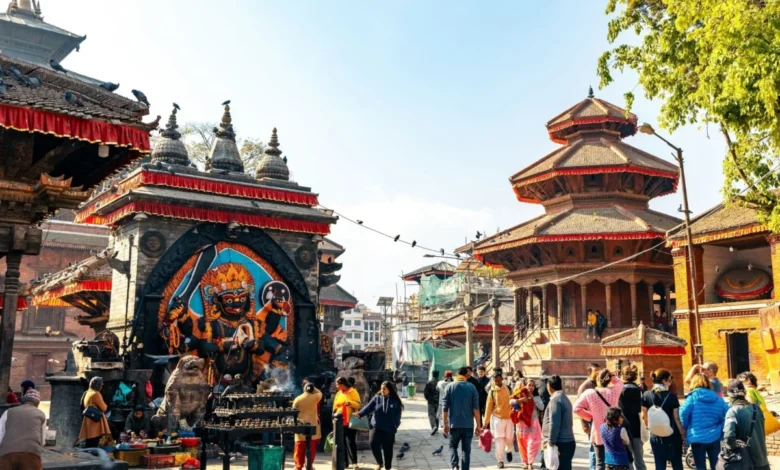
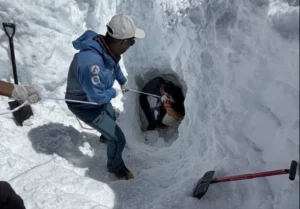
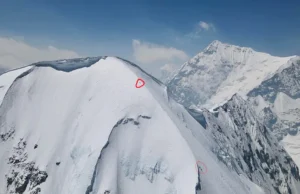
Catastrophic flooding and massive landslides swept across Nepal and neighboring Tibet in late August, resulting in an immense humanitarian tragedy and severe infrastructure damage. According to recent international monitoring and humanitarian reports, the disaster claimed the lives of at least 1,386 people, while thousands more remain missing. For weeks, the primary focus for government agencies, local authorities, and international aid organizations has been centered squarely on emergency search-and-rescue operations, delivering life-saving relief supplies, and working tirelessly to restore basic utility and transport services to cut-off communities.
However, as the initial shock subsides and stabilization efforts take hold, the Himalayan nation faces a secondary, highly complex crisis: economic survival. With international headlines broadcasting images of devastation, tourism operators and government officials have issued urgent pleas to global travelers not to cancel their upcoming trips. Because much of the country remains entirely unaffected and open for business, tourism authorities stress that staying away will only compound the disaster, turning localized physical destruction into a nationwide economic catastrophe. Treading the fine line between rushing tourism back prematurely and waiting so long that livelihoods are irreparably shattered has become one of the most delicate challenges facing modern destination management.
The Economic Weight of Tourism in Nepal
To understand why tourism recovery is so critical to Nepal’s immediate future, one must examine its foundational role in the national economy. Prior to the disruptions of the COVID-19 pandemic and subsequent global economic shifts, tourism was expanding at a record pace. Last year alone, nearly 1.16 million foreign tourists visited the country, marking its strongest performance in years.
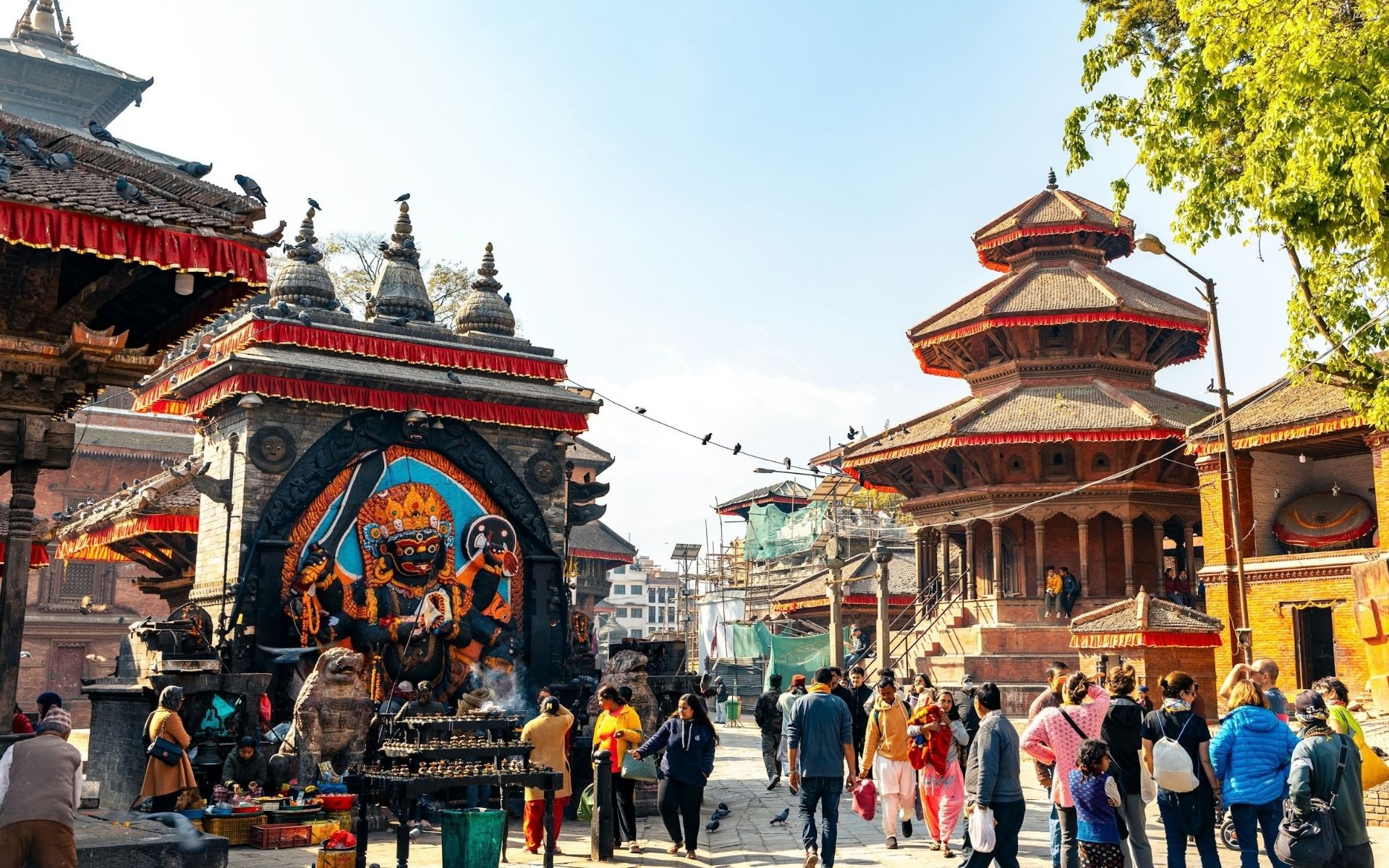
The sector generates roughly 6 to 8 percent of Nepal’s gross domestic product (GDP) and accounts for approximately 15 percent of total national employment—translating to nearly one in every seven jobs. This economic ecosystem is remarkably vast and decentralized. Its benefits extend far beyond luxury hotels and urban tour operators in Kathmandu; they directly support remote mountain communities, teahouse owners, local guides, porters, transportation networks, and independent agricultural producers who supply trekking lodges.
When visitor numbers plummet, the ripple effects are felt instantly in rural valleys where alternative sources of income are scarce. Yet, policymakers and industry experts warn against an uncalculated rush to bring back travelers. Inviting tourists back before essential infrastructure is repaired can stretch local resources to a breaking point and endanger visitors. Conversely, a prolonged absence of tourism threatens to plunge vulnerable communities into a deep, protracted financial depression that could outlast the physical damage of the floods.
The Psychology of Risk and the "Perception Footprint"
Historical precedents demonstrate that traveler behavior is driven as much by psychological perception as it is by actual physical risk. In the wake of natural disasters, global media coverage, social media algorithms, and blanket travel advisories frequently combine to create what crisis management experts refer to as a "perception footprint." For prospective travelers situated thousands of miles away, news of a disaster in a specific region often distorts into a generalized, false impression that an entire country is unsafe and closed to visitors.
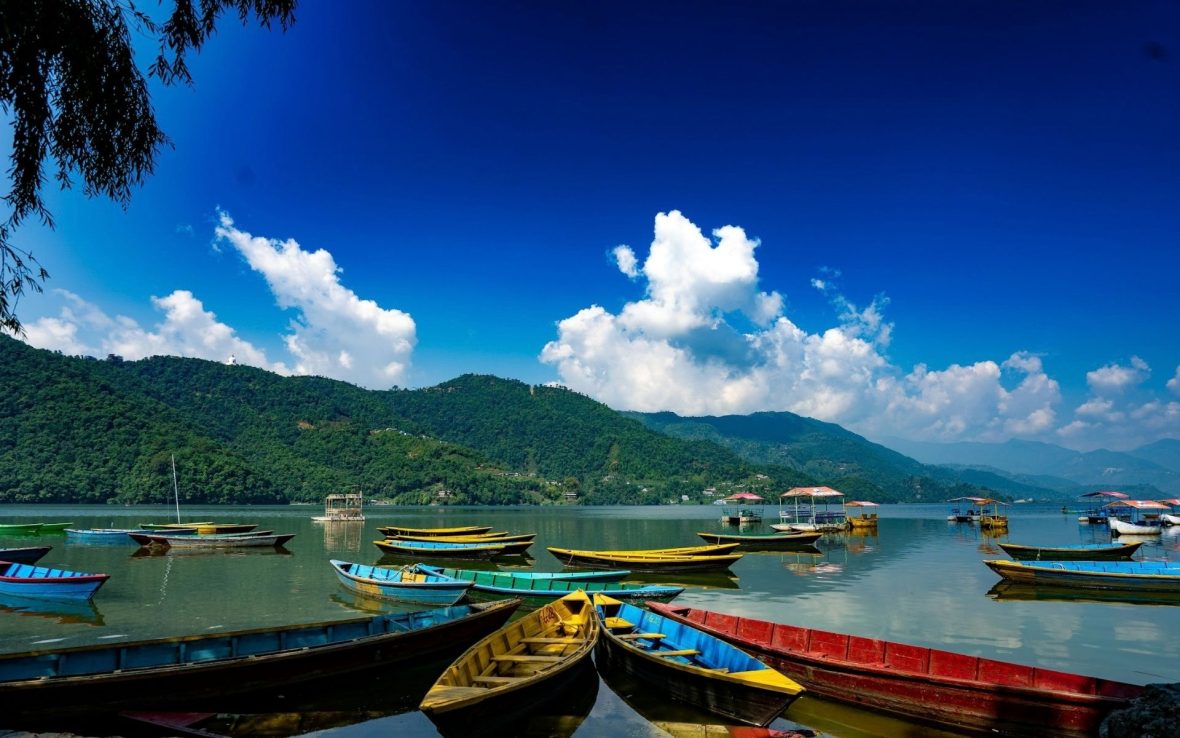
Nepal experienced this phenomenon firsthand following the devastating Gorkha earthquakes in April 2015, which claimed more than 8,800 lives. Despite major tourism hubs like Pokhara in the Himalayan foothills and the lowland wildlife sanctuary of Chitwan escaping major structural damage and remaining entirely safe for travel, international visitor arrivals plummeted by 32 percent across 2015. Harrowing images of historic temples in the Kathmandu Valley reduced to rubble created a generalized global perception of a nation completely in ruins.

It took a coordinated, strategic multi-year recovery campaign—leveraging international media partnerships, transparent government updates, and user-generated content from travelers on social media—to rebuild international confidence. By 2017, visitor numbers rebounded strongly, reaching a then-record 940,000 arrivals as tourists realized that much of the country was fully operational and welcoming guests.
Parallels from Global Disasters
The challenge of managing post-disaster tourism perception is not unique to Nepal. Similar scenarios have played out globally following major natural catastrophes. For instance, the catastrophic Queensland floods in Australia in 2011 affected an area combined the size of France and Germany, claiming 33 lives and inflicting widespread property damage.
Academic research conducted in the aftermath of the Queensland floods surveyed thousands of potential travelers to understand their willingness to visit disaster-affected regions. The findings revealed a deep public uncertainty: while many travelers expressed a strong desire to support economic recovery through tourism, they were held back by a lack of clear, trusted information regarding which specific areas were safe to visit.
Further research following Cyclone Marcia in Australia reinforced these conclusions, highlighting that trust, transparency, and consistent communication between regional tourism organizations and government bodies are absolute prerequisites for a successful recovery. Studies into traveler demographics consistently show that repeat visitors—those who have traveled to a destination multiple times before—and individuals visiting friends and relatives (VFR travelers) are significantly more likely to return during the early stages of recovery than first-time visitors, owing to their deeper personal ties and more realistic understanding of local conditions.
The Strategy: Timing, Transparency, and Targeted Appeals
As Nepal works to stabilize its tourism sector in the wake of the late-August floods, tourism boards and government ministries are deploying targeted digital campaigns, prominently utilizing social media tags such as #NepalCalling to broadcast real-time updates and counter misinformation.
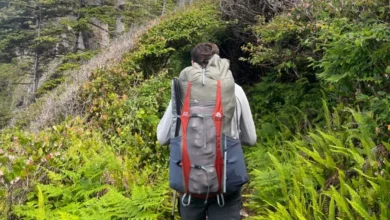
Effective disaster recovery, however, requires more than an optimistic marketing slogan. Industry experts emphasize that reopening must be methodical and transparent. To restore traveler confidence and ensure safety, official channels must provide detailed, location-specific intelligence answering several critical questions: Which trekking routes are structurally sound and clear of debris? Which regional airports and roadways are fully operational? Are local medical facilities and hospitality services capable of accommodating guests without burdening disaster-relief logistics?
Travelers are strongly encouraged to consult official government foreign office advisories—such as Australia’s Smartraveller, New Zealand’s Safetravel, and the United States Department of State travel advisories—alongside verified local updates before finalizing travel itineraries.
Ultimately, Nepal’s overarching challenge lies not in simply declaring the country "open" for business, but in providing granular, trustworthy guidance on precisely which regions are ready to receive visitors. By aligning tourism recovery with the genuine capacity of local communities, Nepal aims to ensure that international travelers return not as a burden on strained resources, but as a vital lifeline supporting long-term economic renewal and resilience.