The Top Ten Coastal Destinations in the Messinian Region and the Strategic Development of Tourism in the Peloponnese

Kalamata, a pivotal urban center in the Peloponnese region of Greece, has long been recognized for its industrial and agricultural contributions, specifically the globally exported Kalamata olive. However, in recent years, the city and its surrounding Messinian coastline have undergone a significant transformation into a primary destination for international and domestic tourism. While the city’s historical and mythological heritage provides a robust cultural foundation, the region’s geographical diversity—ranging from the Taygetus mountain range to the deep cerulean waters of the Messinian Gulf—has positioned it as a competitor to the more traditional Greek island destinations. The development of the Peloponnese as a "mythical" travel destination is part of a broader strategic initiative by the Greek National Tourism Organization (GNTO) and regional authorities to diversify the country’s tourism product beyond the over-saturated Cyclades.
The Strategic Importance of Kalamata Beach and Urban Coastal Development
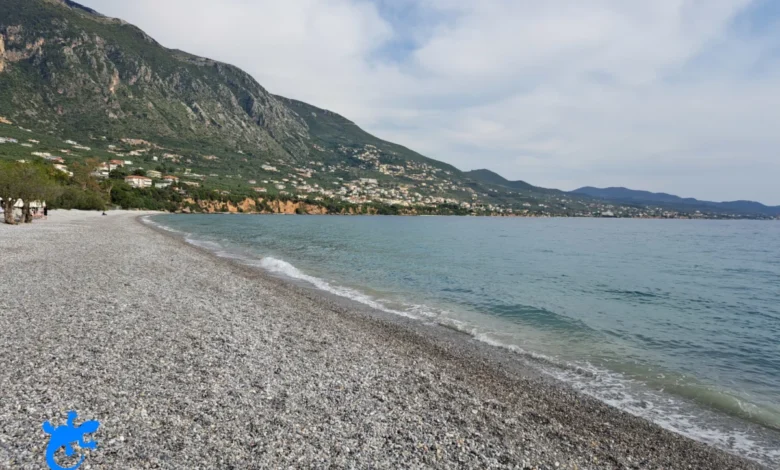
Central to the region’s tourism appeal is Kalamata Beach, a sprawling coastline that dominates the city’s southern edge. Unlike many urban beaches that suffer from industrial runoff, Kalamata Beach consistently maintains its Blue Flag certification. The Blue Flag is an international eco-label awarded to beaches that meet stringent criteria regarding water quality, environmental management, safety, and services. The beach is characterized by its yellow-white sands and shallow, temperate waters, making it a cornerstone for family-oriented tourism.
The development of the Kalamata boardwalk represents a successful model of gentrified coastal planning. The promenade serves as a dual-purpose infrastructure: a recreational space for the city’s 70,000 residents and a high-yield zone for hospitality businesses, including tavernas, luxury boutiques, and high-end hotels. This integration of urban utility with leisure tourism has allowed Kalamata to maintain economic activity year-round, rather than relying solely on the summer peak.

Environmental Conservation and Mythological Heritage at Voidokilia
Perhaps the most geographically distinct location in the region is Voidokilia Beach. Located approximately 50 kilometers from Kalamata, Voidokilia is renowned for its symmetrical "omega" (Ω) shape. Beyond its aesthetic appeal, the site is a critical component of the Gialova Lagoon, a protected area under the European Union’s Natura 2000 network. As a designated Special Area of Conservation and a Special Protection Area for Birds, the lagoon serves as a vital stopover for migratory species and a habitat for the African chameleon.
The site is also a nexus of Greek mythology and archaeology. The southwestern end of the beach houses Nestor’s Cave, named after the legendary King of Pylos mentioned in Homer’s Iliad and Odyssey. Historically, the cave is situated below the Old Navarino Castle (Paleokastro), built by the Franks in the 13th century. This layering of environmental sensitivity with ancient and medieval history creates a complex management challenge for regional authorities, who must balance high visitor numbers with the preservation of delicate ecosystems and archaeological integrity.
Ecological Significance and the Protection of Endangered Species
Mavrovouni Beach, situated on the east coast of the Mani Peninsula, represents another facet of the region’s environmental importance. Stretching over six kilometers, it is one of the longest beaches in the Peloponnese. While it is a hub for windsurfing due to the reliable "Meltemi" winds, its primary ecological value lies in its role as a nesting ground for the Caretta caretta (Loggerhead sea turtle).
The Loggerhead sea turtle is classified as a vulnerable species, and the beaches of the Peloponnese are among the most important nesting sites in the Mediterranean. Organizations such as ARCHELON, the Sea Turtle Protection Society of Greece, maintain a constant presence in the area during nesting seasons. These efforts involve monitoring nests, protecting them from human interference, and educating tourists on light pollution, which can disorient hatchlings. The coexistence of high-octane water sports and sensitive wildlife conservation at Mavrovouni is a testament to the region’s commitment to sustainable tourism.

The Diverse Coastal Landscape: From Santova to Foneous
The Messinian coastline offers a variety of specialized beach experiences that cater to different demographic segments. Santova Beach, located just outside Kalamata, has been developed as a premier destination for the younger demographic, featuring a high density of beach bars and organized social events. In contrast, Mikri Mantinia Beach serves as a suburban extension of Kalamata’s tourism infrastructure, offering family-friendly amenities and a water park against the backdrop of the Taygetus mountains.
Further south in the Mani region, Foneous Beach in Kardamili represents the "hidden gem" archetype of Mediterranean travel. This small, pebbly cove is enclosed by dramatic limestone cliffs and sea caves, typical of the karst topography of the Mani Peninsula. Unlike the expansive sandy stretches of Voidokilia or Mavrovouni, Foneous offers a more rugged, exploratory experience. The presence of a large, natural rock formation in the center of the bay provides a platform for cliff jumping, a popular activity among local residents and adventurous travelers.
Literary Connections and Cultural Tourism in Stoupa
The village of Stoupa features two significant beaches: Stoupa Beach and Kalogria Beach. While both are characterized by turquoise waters and fine sand, Kalogria Beach holds immense cultural significance. It was here that the renowned Greek author Nikos Kazantzakis lived and worked in 1917. His experiences in the region, specifically his friendship with George Zorbas, provided the inspiration for his world-famous novel, Zorba the Greek.
This literary connection has been leveraged to promote cultural tourism in the region. Visitors often seek out the "Zorba’s Cave" and other sites associated with the author. The integration of literary history into the coastal experience provides a unique value proposition that distinguishes the Messinian coast from generic sun-and-sea destinations.

Infrastructure, Accessibility, and Economic Impact
The growth of tourism in Kalamata and the surrounding beaches is inextricably linked to infrastructure improvements. The Kalamata International Airport (KLX), also known as "Captain Vassilis Constantakopoulos," has seen a steady increase in international flight paths, connecting the Peloponnese directly to major European hubs such as London, Munich, and Amsterdam. Furthermore, the completion of the Moreas Motorway (A7) has significantly reduced travel time from Athens to Kalamata, making the region more accessible for domestic weekend travelers.
Economically, the influx of tourism has provided a necessary counterbalance to the volatility of the agricultural sector. According to data from the Hellenic Statistical Authority (ELSTAT), the Peloponnese region has seen a consistent rise in overnight stays and tourism-related revenue over the last decade. The "Mythical Peloponnese" branding campaign, a partnership between regional government and private stakeholders, has successfully marketed the area as an authentic, less-crowded alternative to the Aegean islands.
Chronology of Regional Development
The timeline of Kalamata’s emergence as a tourism powerhouse can be traced through several key phases:
- Post-1986 Reconstruction: Following a devastating earthquake in 1986, Kalamata underwent a massive urban renewal project that laid the groundwork for its modern, visitor-friendly infrastructure.
- The 2000s Infrastructure Boom: The expansion of the Kalamata International Airport and the planning of the Moreas Motorway transformed the region from a remote outpost to an accessible destination.
- 2010s Luxury Pivot: The opening of major luxury resorts in the nearby Costa Navarino area raised the international profile of the entire Messinian region, attracting high-net-worth individuals and increasing demand for diverse coastal experiences.
- 2020s Sustainability Focus: Current regional policy is heavily focused on "Green Tourism," emphasizing the protection of Blue Flag beaches and the conservation of Natura 2000 sites like the Gialova Lagoon.
Analysis of Implications and Future Outlook
The continued expansion of tourism in and around Kalamata presents both opportunities and challenges. On a positive note, the diversification of the beach portfolio—ranging from the urban accessibility of Kalamata Beach to the ecological sanctuary of Voidokilia—ensures that the region can appeal to a wide variety of traveler profiles. This prevents the "monoculture" of tourism that has affected other parts of Greece.

However, the environmental impact of increased foot traffic remains a primary concern for local authorities. The presence of endangered species at Mavrovouni and the delicate ecosystem of the Gialova Lagoon require a rigorous regulatory framework. Future development must prioritize low-impact infrastructure and sustainable waste management to ensure that the natural beauty of the "Mythical Peloponnese" remains intact.
In conclusion, the coastal region of Kalamata and the broader Messinian peninsula represent a sophisticated blend of natural beauty, mythological depth, and modern infrastructure. By leveraging its unique geographical assets and maintaining a commitment to environmental standards, the region is well-positioned to remain a cornerstone of the Greek tourism industry for the foreseeable future. The success of the Peloponnese serves as a blueprint for other mainland regions seeking to capitalize on their coastal and cultural heritage in a sustainable manner.