Southwest Airlines Eyes Strategic Shift with Potential Lounge Network to Attract Premium Customers and Bolster Loyalty Program Engagement

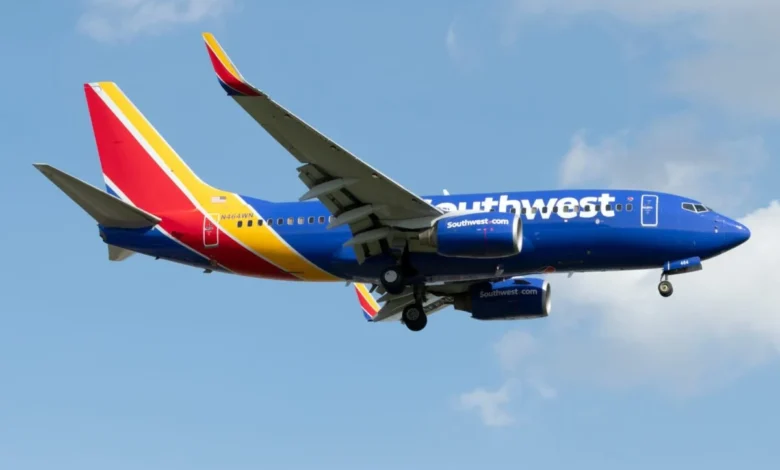
Southwest Airlines, long known for its unique low-cost, no-frills operating model, is signaling a significant strategic pivot with the strong possibility of introducing airport lounges. This move, hinted at by CEO Bob Jordan, represents a concerted effort to capture a more premium customer segment and substantially boost engagement with its highly successful Rapid Rewards loyalty program, particularly its co-branded credit card portfolio. The potential introduction of lounges would mark a notable departure from the carrier’s traditional approach and position it more directly against legacy airlines in a competitive landscape increasingly defined by ancillary services and premium amenities.
A Strategic Evolution for Southwest
For decades, Southwest Airlines has carved out a distinctive niche in the North American aviation market. Founded on a philosophy of low fares, point-to-point service, open seating, and two free checked bags, it cultivated a fiercely loyal customer base that valued efficiency and affordability over luxury. The absence of traditional amenities like assigned seating, business class, or airport lounges was central to its cost-effective operations and brand identity. However, the airline industry has evolved dramatically, with premium services and loyalty programs becoming critical battlegrounds for market share and profitability.
CEO Bob Jordan’s recent remarks during an analyst call on Thursday offered the clearest indication yet of this impending strategic shift. "I know I’ve teased the lounges. That’s something obviously — there’s work underway," Jordan stated, though he emphasized, "We’re not ready to formally announce that yet." This statement underscores that the concept has moved beyond preliminary discussions into active development, suggesting a well-thought-out plan rather than mere speculation. The primary driver, according to Jordan, is to "expand co-brand opportunities, expand the card set and provide to our customers something that they really want." This explicitly links the lounge initiative to the lucrative realm of credit card partnerships and customer desire for enhanced travel experiences.
The Premium Customer Imperative
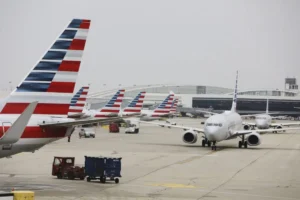
The airline industry has increasingly recognized the outsized profitability of premium passengers, including business travelers and affluent leisure travelers. These segments are often less price-sensitive and more willing to pay for convenience, comfort, and exclusive access. Legacy carriers like American Airlines, Delta Air Lines, and United Airlines have long understood this dynamic, investing heavily in extensive networks of airport lounges (Admirals Club, Sky Club, United Club, respectively) that serve as key differentiators and powerful incentives for their loyalty program members and co-branded credit card holders.
Southwest, despite its strong brand loyalty, has historically struggled to attract a larger share of this premium demographic, primarily due to its lack of premium cabins and ground amenities. While its business model has been highly successful in the leisure and budget business travel segments, the absence of lounges has meant that high-value customers often turn to competitors when seeking a more elevated travel experience, particularly for longer journeys or when connecting. By introducing lounges, Southwest aims to address this gap, offering a tangible benefit that could sway premium travelers who might otherwise overlook the airline. This move acknowledges that even a low-cost carrier must adapt to changing customer expectations and competitive pressures to ensure sustained growth.
Chronology of Hints and Strategic Deliberations
The idea of Southwest considering lounges is not entirely new, but the clarity and directness of Jordan’s recent statements mark a significant progression. Early whispers and informal discussions within industry circles have occasionally surfaced over the past few years, often framed as hypothetical scenarios for how Southwest might evolve.
- Early 2020s (Pre-Pandemic/Early Recovery): As the airline industry began to recover from the initial shock of the COVID-19 pandemic, discussions around enhancing customer experience and loyalty became more prominent. Southwest, like many airlines, was evaluating various strategies to rebound stronger.
- Late 2022/Early 2023: CEO Bob Jordan began subtly hinting at potential future enhancements to the Southwest product offering. While not explicitly naming lounges, he spoke broadly about evaluating customer desires and exploring ways to add value beyond the core flight experience. These hints were often interpreted by industry analysts as Southwest exploring avenues to appeal to a broader or more premium customer base.
- Q4 2023 Earnings Call: Jordan provided a slightly more direct, though still cautious, acknowledgment of the lounge concept, indicating it was "something we’re looking at."
- Most Recent Analyst Call (Thursday): Jordan’s statement, "I know I’ve teased the lounges. That’s something obviously — there’s work underway. We’re not ready to formally announce that yet," solidified the trajectory. The phrase "work underway" signifies active project development, moving beyond mere consideration. This implies resource allocation, planning, and potentially site scouting are already in motion.
This gradual unveiling suggests a deliberate and carefully managed communication strategy, allowing the market to slowly digest the potential shift before a formal announcement.
Boosting Co-Branded Credit Card Portfolios: A Financial Imperative
The connection between airport lounges and co-branded credit cards is a well-established and highly lucrative one in the airline industry. For airlines, partnerships with major credit card issuers like Chase, American Express, and Citi generate substantial revenue through card acquisition bonuses, interchange fees, and annual fees. These partnerships are critical components of an airline’s financial health, often contributing hundreds of millions, if not billions, of dollars annually.
Southwest Airlines currently partners primarily with Chase for its co-branded Rapid Rewards credit cards. These cards offer benefits such as bonus points on Southwest purchases, anniversary points, and sometimes perks like early boarding or flight credits. However, they lack a premium benefit like lounge access, which is a major draw for competing cards like the Chase Sapphire Reserve (which offers Priority Pass Select access) or the American Express Platinum Card (which provides access to Delta Sky Clubs, Centurion Lounges, and Priority Pass).
By introducing lounges, Southwest would gain a powerful new incentive to offer potential and existing cardholders. A higher-tier Southwest credit card that includes lounge access could command a higher annual fee, directly boosting revenue for both Southwest and Chase. Furthermore, the allure of lounge access encourages greater card usage and loyalty, reducing churn and strengthening the overall partnership. This strategy aligns perfectly with Jordan’s stated goal: "The whole purpose is to expand co-brand opportunities, expand the card set." It implies the potential introduction of new, more premium credit card products designed to leverage lounge access as a key selling point.
The Economics and Operational Realities of Airport Lounges
Building and operating airport lounges represents a significant capital investment and ongoing operational expense. Airlines must consider:
- Real Estate: Securing prime airport real estate, often in congested terminals, is costly and complex.
- Construction and Design: Lounges require high-quality finishes, comfortable seating, food and beverage facilities, restrooms, and potentially showers or business centers.
- Staffing: Lounges need dedicated staff for check-in, food service, cleaning, and customer assistance.
- Amenities: Offering quality food, beverages (including alcoholic options), Wi-Fi, and comfortable workspaces is essential to meet customer expectations.
Despite these costs, the return on investment can be substantial. Lounges drive premium ticket sales, increase credit card revenue, and enhance customer loyalty, which translates into repeat business. For Southwest, the initial investment would need to be carefully weighed against the projected revenue increases from increased premium passenger volume and an expanded credit card portfolio. It’s plausible that Southwest might start with a limited number of lounges in its key hubs or busiest airports, such as Chicago Midway (MDW), Denver (DEN), Baltimore/Washington (BWI), or Dallas Love Field (DAL), before potentially expanding. This phased approach would allow them to test the concept and refine their offerings.
Competitive Landscape and Market Implications
Southwest’s entry into the lounge market would intensify competition, particularly in the domestic premium segment. While legacy carriers have well-established lounge networks, Southwest’s potential offering could attract a new demographic that appreciates its unique service culture but desires premium ground amenities.
- Legacy Carriers: American, Delta, and United have invested heavily in modernizing and expanding their lounges. Delta, in particular, has focused on creating a premium lounge experience. Southwest’s move might prompt these carriers to further differentiate their offerings or double down on their existing strategies.
- Budget Carriers: No other major ultra-low-cost or low-cost carrier in the U.S. currently offers a dedicated lounge network. Southwest’s move would further distinguish it from competitors like Spirit or Frontier, reinforcing its position as a "hybrid" carrier that offers value but is increasingly willing to provide enhanced services.
- Third-Party Lounges: Services like Priority Pass or LoungeKey, which offer access to a network of independent lounges, might see increased competition for cardholders if Southwest creates a compelling proprietary network.
The broader implication is a further blurring of the lines between traditional low-cost and legacy carriers. As customer expectations rise and airlines seek new revenue streams, the industry continues to converge in certain aspects, even while maintaining distinct core business models.
Enhancing the Customer Experience and Loyalty Program
For Southwest’s Rapid Rewards members, lounges would represent a significant upgrade to their travel experience. Currently, elite status (A-List Preferred, A-List) primarily offers benefits like priority boarding, bonus points, and dedicated customer service lines. Lounge access would add a tangible, desirable perk, especially for frequent flyers who spend considerable time at airports.
- Comfort and Productivity: Lounges offer a quieter, more comfortable environment away from the bustling terminal, providing a space to relax, work, or grab a bite before a flight. This is particularly valuable for business travelers.
- Perceived Value: The availability of lounges elevates the perceived value of Southwest’s loyalty program and its premium credit cards. It signals that Southwest is investing in its most frequent and valuable customers.
- Brand Image: Lounges contribute to a more premium brand image, aligning Southwest with the broader industry trend of enhancing the end-to-end travel journey. This could help shed any lingering "budget airline" perceptions among those unfamiliar with Southwest’s strong service reputation.
Analyst Reactions and Industry Outlook
Financial analysts are likely to view this potential move with cautious optimism. While the capital expenditure for lounges will be significant, the long-term strategic benefits – increased premium customer acquisition, higher credit card revenue, and enhanced loyalty – could outweigh the costs. Analysts will be keen to understand the rollout strategy, the projected return on investment, and how Southwest plans to integrate lounges while maintaining its distinct operational efficiencies.
One potential concern might be the dilution of Southwest’s core brand identity. Some loyal customers appreciate the simplicity and "everyman" appeal of Southwest. However, a carefully executed strategy could position lounges as an optional, premium enhancement rather than a fundamental shift away from its core values.
Challenges and Considerations
Implementing a lounge network for Southwest will not be without its challenges:
- Brand Alignment: How will the lounge experience align with Southwest’s fun, friendly, and efficient brand image? Will they maintain a unique Southwest flair, or emulate traditional airline lounges?
- Cost Management: Maintaining the low-cost structure that is fundamental to Southwest’s success while investing in premium amenities will require careful financial management.
- Capacity Management: Ensuring lounges don’t become overcrowded, particularly during peak travel times, will be crucial for maintaining a positive customer experience.
- Location Selection: Strategically choosing airports where lounges would have the most impact, considering passenger volume and competitive offerings, will be key.
- Partnerships: Exploring potential partnerships for lounge access (e.g., with Priority Pass for broader network access, or co-locating with Chase premium card lounges) could be an option to manage costs and expand reach.
In conclusion, Southwest Airlines’ exploration of airport lounges signifies a thoughtful and strategic evolution designed to tap into new revenue streams, attract a more premium customer base, and fortify its loyalty ecosystem. While a significant undertaking, this move reflects an airline adapting to the modern competitive landscape, demonstrating a willingness to innovate beyond its foundational model to secure long-term growth and relevance in the dynamic aviation industry. The coming months will likely bring more concrete details as Southwest prepares to unveil what could be one of its most significant product enhancements in recent history.