Casa Mani Reimagines Napa Valley Hospitality with an $80 Million Urban Resort Transformation

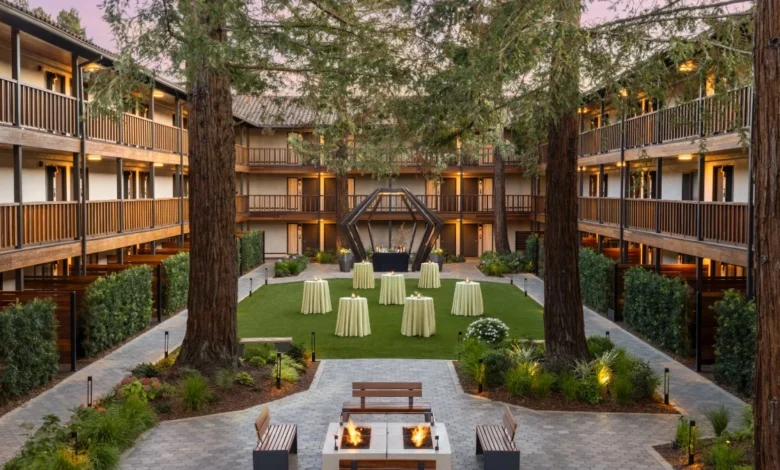
The landscape of Napa Valley hospitality underwent a significant evolution this year with the debut of Casa Mani, a project that signals a shift toward the "urban resort" concept in the heart of downtown Napa. Formerly an Embassy Suites, the property has undergone a comprehensive $80 million renovation spearheaded by the Mani Brothers. This transformation marks a departure from the traditional, secluded vineyard-estate hotel model, positioning the 203-room property as a central hub for both oenophiles and travelers seeking accessibility to the city’s culinary and cultural centers.
The Evolution of the Property
The conversion of the former Embassy Suites into Casa Mani represents a broader trend in luxury hospitality where underutilized real estate in established tourist corridors is being revitalized to meet modern expectations of aesthetic and functional design. The Mani Brothers, known for their focus on high-end real estate development, opted for a complete structural and design overhaul. The property now features 188 standard rooms and 15 expansive suites, including three designated presidential suites, all oriented around a central, resort-style courtyard pool.
The renovation timeline was intensive, aiming to bridge the gap between suburban hotel infrastructure and the boutique, high-touch luxury expected by Napa visitors. By focusing on the "urban resort" aesthetic, the developers have prioritized proximity to local attractions. Guests can walk to downtown Napa, including the culinary hub of Moulin, while remaining within a short commute of the Napa County Airport. This strategic location is intended to capture the demographic of travelers arriving via private aviation, specifically those utilizing JSX, the semi-private hop-on jet service that bypasses traditional security queues and offers a seamless transition from Southern California to the wine country.

Architectural and Design Considerations
The design philosophy at Casa Mani focuses on the intersection of comfort and utility. Each room is equipped with modern conveniences—SMEG kettles, Dyson hair dryers, and curated wine fridges—reflecting a nuanced understanding of the luxury traveler’s needs. The inclusion of private patios with integrated fire pits for ground-floor rooms addresses the demand for private, outdoor living spaces, a staple feature of California wine country retreats.
The three presidential suites, each spanning 880 square feet, serve as the crown jewels of the inventory. These units function less like traditional hotel rooms and more like upscale condominiums, offering dedicated living and entertaining areas. For the wellness-conscious guest, the property has introduced specialized wellness suites located in proximity to the spa, which feature in-room Peloton equipment, catering to the growing market segment that prioritizes fitness consistency during travel.
Strategic Partnerships and Culinary Integration
A core pillar of the Casa Mani experience is its integration with the local wine industry. Through a formal partnership with Lawrence Wine Estates, the hotel functions as a satellite tasting room for prestigious labels such as Heitz, Burgess, and Ink Grade. This eliminates the logistical hurdles of wine country tourism, allowing guests to engage with top-tier producers without needing to organize external transportation or manage complex reservations.
The culinary landscape of the hotel is anchored by the arrival of BOA Steakhouse, a prominent Los Angeles-based dining institution. This marks the brand’s first venture into the Napa Valley market. The presence of a high-profile steakhouse, known for its tableside service and extensive raw bar, elevates the hotel’s food and beverage offering from standard hospitality fare to a destination-worthy experience. The contrast between the relaxed, airy Creekside Terrace—which handles breakfast and brunch service—and the high-energy, upscale environment of BOA creates a tiered dining ecosystem that services both casual morning requirements and formal evening entertainment.

Operational Data and Guest Experience Metrics
In the context of luxury hotel evaluation, Casa Mani demonstrates a strong performance across key operational metrics, earning a 7.5 out of 10 in recent reviews. While the property lacks certain traditional ultra-luxury hallmarks—such as a dedicated private butler for every room—it compensates through thoughtful amenities.
For instance, the decision to install heated Japanese-style toilet seats rather than opting for traditional heated flooring reflects a modern approach to bathroom comfort. The use of full-sized, spa-grade toiletries from the brand Red Flower signals a commitment to sustainability and quality, moving away from the single-use plastics that have historically dominated the hospitality industry. However, the 250-thread-count Bellino Fine Linens, while high-quality, represent a baseline expectation for the category, suggesting that the property prioritizes a clean, minimalist luxury over the hyper-lavish soft goods found in historic, five-star heritage hotels.
Broader Economic and Tourism Implications
The opening of Casa Mani reflects the ongoing maturation of downtown Napa as a destination in its own right. Historically, the primary draw of Napa Valley was the vineyard experience in Yountville, St. Helena, or Calistoga. The success of Casa Mani suggests that there is a viable market for travelers who prefer to be within walking distance of downtown infrastructure while maintaining the resort amenities—such as a large pool and on-site spa—that define a true vacation experience.
The availability of Tesla vehicles for guest use further underscores this shift. By providing sustainable, premium transportation, the hotel encourages guests to explore the valley independently while mitigating the carbon footprint associated with traditional private car services. This initiative aligns with the broader environmental goals of the Napa Valley hospitality sector, which has faced pressure to manage the increase in vehicle traffic and congestion.

Analysis of Market Position
Industry analysts note that the "urban resort" model is particularly resilient. During periods of economic volatility, properties that are situated near city centers often perform better than remote, isolated estates due to their proximity to diverse revenue streams, including local dining traffic and business travel. The decision to include a high-capacity steakhouse like BOA allows the hotel to capture non-staying guests, thereby diversifying its income beyond room rates.
Furthermore, the integration of wine tasting experiences on-site serves as a hedge against the seasonality of Napa tourism. When weather or harvest conditions limit vineyard access, the hotel remains a viable destination for those interested in the wine-tasting experience. This vertical integration—combining lodging, dining, and winery partnerships—positions Casa Mani as a "home base" rather than merely a place to sleep.
Conclusion: Future Outlook
As the hospitality industry in Northern California continues to recover and evolve, Casa Mani stands as an example of successful adaptive reuse. The $80 million investment has moved the property from a mid-tier suite hotel to a modern, lifestyle-focused destination. While it may not compete directly with the world’s most exclusive, ultra-luxury heritage hotels, its combination of accessibility, high-quality dining, and localized wine experiences provides a compelling value proposition for the contemporary traveler.
The property’s trajectory will likely be defined by its ability to maintain its service standards as it integrates further into the competitive Napa Valley luxury ecosystem. For now, it serves as a functional and stylish anchor for travelers looking to navigate the complexities of wine country with ease and sophistication. Whether the property will continue to expand its suite offerings or pivot toward more experiential wellness programming remains to be seen, but its debut marks a significant milestone in the ongoing development of downtown Napa as a luxury destination.