The Evolution of Modern Travel Gear A Comprehensive Guide to Essential Tools for the Contemporary Voyager


The global travel accessories market has undergone a significant transformation over the last decade, driven by technological advancements, a surge in the "digital nomad" lifestyle, and a growing consumer preference for minimalist efficiency. Valued at approximately $48.2 billion in 2021, the industry is projected to exceed $95 billion by 2030, reflecting a compound annual growth rate (CAGR) of 6.4%. This expansion is not merely characterized by an increase in volume but by a shift toward specialized, high-utility equipment designed to address the complexities of modern transit. As international travel resumes its upward trajectory, the distinction between "luxury gadgets" and "essential gear" has blurred, leading to a new standard of packing that prioritizes portability, sustainability, and connectivity.
The Shift Toward High-Utility Travel Logistics
The philosophy of modern packing has evolved from the "more is better" approach of the early 2000s to a disciplined focus on high-utility items. Professional travelers and industry analysts note that the rise of low-cost carriers, which impose strict baggage weight and size limits, has forced a revolution in gear design. The adoption of 40-liter backpack systems as a primary luggage solution for long-term travel highlights a broader trend: the prioritization of mobility over excess. This shift is supported by the emergence of "smart" organization tools and multi-functional devices that reduce the physical footprint of a traveler’s inventory.

Organizational Infrastructure: The Role of Compression Systems
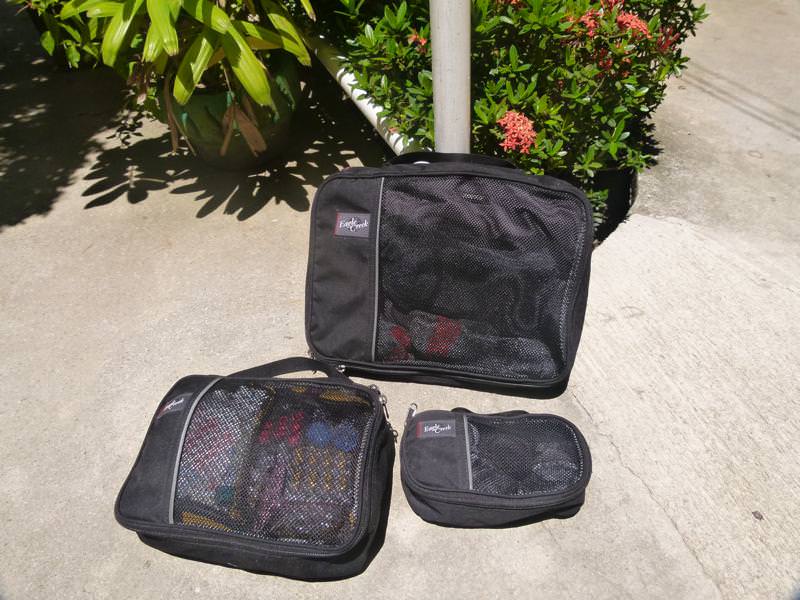
One of the most significant developments in travel logistics is the widespread adoption of modular organization systems, such as zipper-based packing cubes. Brands like Eagle Creek have pioneered the use of durable, lightweight materials to create compression environments within standard luggage.
Data from consumer travel reports indicate that using packing cubes can increase a bag’s internal capacity by up to 30% while significantly reducing the time spent on inventory management. These systems are no longer viewed as optional accessories but as essential infrastructure for maintaining order in high-mobility scenarios. The durability of these items—often featuring reinforced zippers and ripstop fabrics—reflects a move toward "buy-it-for-life" consumerism in the travel sector.
Technological Integration and Mobile Productivity
As remote work becomes a permanent fixture of the global economy, travel gear has increasingly integrated professional-grade technology. The requirement for constant connectivity and the ability to produce high-quality digital content has introduced several new "essentials" to the traveler’s toolkit.

Portable Power and Energy Security
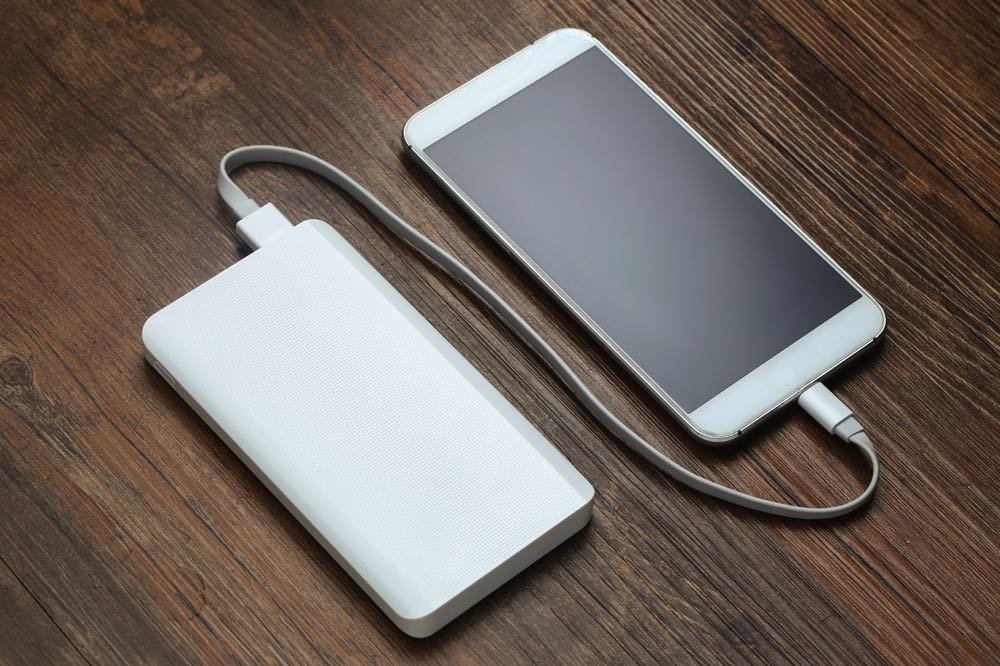
The dependency on smartphones for navigation, digital boarding passes, and financial transactions has made portable power banks a critical safety item. Market analysis shows a shift toward high-capacity lithium-polymer batteries with multiple outputs and fast-charging capabilities. Devices like the RavPower and TP-Link series provide the necessary redundancy for travelers operating in regions with inconsistent electrical infrastructure. The emergence of ultra-compact "card-sized" chargers also addresses the need for emergency power during short-duration urban excursions.
Aerial Photography and the Democratization of Cinematography
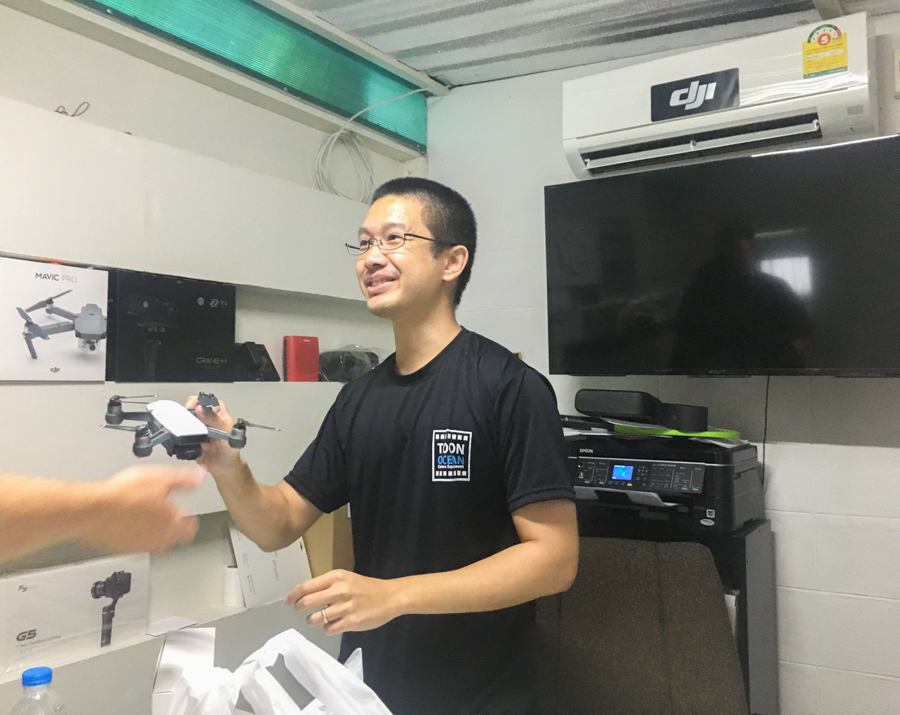
The integration of drones into the standard travel kit marks a significant shift in how journeys are documented. Once the exclusive domain of professional film crews, compact drones like the DJI Mavic Mini and the Spark have made aerial cinematography accessible to the average traveler. These devices now feature 3-axis gimbals and 4K video capabilities within frames that weigh less than 250 grams, often exempting them from certain registration requirements in various jurisdictions. However, this trend has also led to increased global regulation, with many countries implementing strict "No Fly Zones" and permit requirements for visiting tourists.
Sensory Management: Noise Cancellation and Auditory Comfort
In the high-stress environment of modern aviation and urban transit, noise-cancelling technology has become a staple for long-haul travelers. Industry leaders like Bose and Apple have refined Active Noise Cancellation (ANC) to a point where ambient cabin noise can be almost entirely neutralized. The Bose QuietComfort series and Apple AirPods Pro utilize external microphones to monitor environmental sounds and produce "anti-noise" signals, a feature that clinical studies suggest can significantly reduce travel-related fatigue and stress.
Sustainability and Ethical Consumption in Gear Selection
A burgeoning segment of the travel market is now dedicated to eco-friendly and sustainable products. As the environmental impact of tourism faces greater scrutiny, travelers are opting for gear that reduces plastic waste and supports ethical manufacturing practices.
Hydration and Water Purification
The environmental cost of single-use plastic bottles is a primary concern in the travel industry. Estimates suggest that over 8 million tons of plastic enter the ocean annually, with tourism contributing significantly to this figure in developing nations. To combat this, the use of reusable bottles paired with ultraviolet (UV) sterilization tools, such as the SteriPEN, has become a standard practice for responsible travelers. This combination allows for the safe consumption of tap water in regions where the infrastructure would otherwise necessitate the purchase of bottled water, thereby reducing both the traveler’s carbon footprint and their expenses.
Ethical Apparel and Multi-Functional Clothing
The "slow fashion" movement has also permeated the travel gear market. Brands like Prana have gained market share by focusing on Fair-Trade Certified apparel made from organic cotton and recycled materials. The Halle Pant and similar versatile garments are designed to perform across various environments—from high-altitude trekking to urban sightseeing—minimizing the need for a large wardrobe. This versatility is essential for travelers operating with limited luggage space.
Security, Health, and Safety Protocols
Personal security remains a paramount concern, leading to the development of specialized safety gear that is both compact and effective.
Room Security and Physical Deterrents
For travelers staying in non-traditional accommodations or hostels, portable security devices provide an added layer of protection. Items such as doorstop alarms, which emit high-decibel alerts if a door is tampered with, offer a low-tech but highly effective deterrent. Furthermore, the standardization of TSA-approved locks ensures that travelers can secure their belongings while remaining compliant with international aviation security protocols.
Health Maintenance and Hygiene
The global health landscape has reinforced the importance of carrying a robust first-aid kit and hygiene supplies. Essential medical kits now commonly include broad-spectrum antibiotics (where legally prescribed), rehydration salts, and basic trauma supplies. Additionally, the use of antimicrobial travel towels—which are lighter and dry faster than traditional cotton—addresses the need for hygiene in environments where laundry facilities are unavailable.
For female travelers, the adoption of silicone menstrual cups, such as the Diva Cup, represents a shift toward both convenience and sustainability. These products eliminate the need for carrying bulky disposables and provide a more reliable solution in regions where feminine hygiene products may be difficult to source.
Niche Innovations: From Coffee to Pet Travel
The diversification of travel gear has also led to innovations in lifestyle maintenance and specialized transit.
Mobile Specialty Coffee
The rise of global coffee culture has birthed a niche market for portable espresso makers. The Handpresso and AeroPress systems allow travelers to bypass the high costs of international coffee chains while ensuring access to high-quality caffeine. This trend reflects a broader desire among travelers to maintain "home comforts" while on the move, transforming the morning routine into a portable experience.

The Evolution of Pet Travel Gear
The increase in pet-friendly travel has necessitated a new category of gear. Following the guidelines of the Air Carrier Access Act (ACAA) in the United States and similar regulations elsewhere, manufacturers now produce specialized crates, behavioral tools, and documentation organizers for travelers with emotional support animals (ESAs) or pets. This sector focuses on the health and comfort of the animal, ensuring that the logistics of pet transit are as streamlined as human travel.
Implications for the Future of Global Transit
The enrichment of the travel gear market signifies a deeper shift in the nature of global exploration. Travelers are no longer passive observers but are equipped with tools that allow them to be self-sufficient, productive, and environmentally conscious. The transition from bulky, single-use items to compact, multi-functional, and durable gear reflects a more sophisticated understanding of global logistics.
As technology continues to shrink and become more powerful, the "essential" travel kit of the future will likely focus even more heavily on integrated systems—where clothing, luggage, and electronics work in a unified ecosystem to enhance the traveler’s experience. For the modern voyager, the right gear is no longer a luxury; it is the fundamental infrastructure that enables the freedom of movement in an increasingly connected world. In this context, the investment in high-quality, specialized equipment is not just a matter of convenience, but a strategic decision that impacts the safety, sustainability, and success of the journey.