Beyond the Sagrada Família: Unlocking Barcelona’s Hidden Neighborhoods and Regional Treasures for Returning Travelers

Barcelona remains one of Europe’s most magnetic destinations, drawing millions of international visitors annually to architectural marvels like the Sagrada Família, Park Güell, and the historic Gothic Quarter. However, for travelers embarking on a return journey to the Catalan capital, the conventional tourist checklist often takes a backseat to deeper cultural immersion. Tourism statistics from the Catalan government indicate that repeat visitors now account for a substantial share of total arrivals, signaling a structural shift in travel patterns toward off-the-beaten-path urban exploration. Rather than enduring the dense crowds along La Rambla, seasoned visitors are increasingly prioritizing neighborhood-level discovery, regional day trips, and gastronomic tourism across Catalonia.
The Evolution of Urban Tourism in Catalonia
The trajectory of tourism in Barcelona has undergone significant transformation over the past three decades. Following the 1992 Summer Olympic Games, the city experienced an unprecedented boom in global visibility, positioning itself as a premier European metropolis. Yet, this rapid expansion concentrated visitor foot traffic within a narrow urban footprint, primarily the Ciutat Vella (Old City) and immediate coastal zones.

Urban planning experts and municipal tourism boards have increasingly advocated for decentralization to alleviate pressure on historic districts and distribute economic benefits more evenly across outer neighborhoods. This evolution aligns with changing traveler demographics; modern tourists frequently seek authenticity over rapid sightseeing. By redirecting attention toward historically working-class districts and surrounding agricultural or coastal enclaves, visitors contribute to a more sustainable urban tourism model while experiencing the genuine rhythm of Catalan daily life.
Navigating the Cultural Fabric of El Raval and Sant Antoni
Situated immediately across La Rambla from the Gothic Quarter, El Raval offers a striking contrast to the medieval core. Historically characterized by its maritime and working-class heritage, the neighborhood has evolved into a vibrant, multicultural hub. El Raval houses the Museu d’Art Contemporani de Barcelona (MACBA), designed by American architect Richard Meier, which anchors a thriving contemporary art scene. The surrounding Plaça dels Àngels serves as an informal civic plaza where skateboarders and residents converge, reflecting the dynamic public life of the area.
Just south lies Sant Antoni, centered around the historic Mercat de Sant Antoni. Originally designed by architect Antoni Rovira i Trias and inaugurated in the late 19th century, the market underwent a monumental, multi-year infrastructural renovation before reopening in 2018. Beyond its iron-and-glass architectural significance, the market acts as a neighborhood anchor, offering fresh produce, local meats, and a renowned Sunday book and collector’s market. Culinary analysts note that Sant Antoni has emerged as a premier dining destination, where traditional Catalan culinary traditions intersect with contemporary culinary innovation.

Architectural Heritage and Industrial Transformation in Gràcia and Poblenou
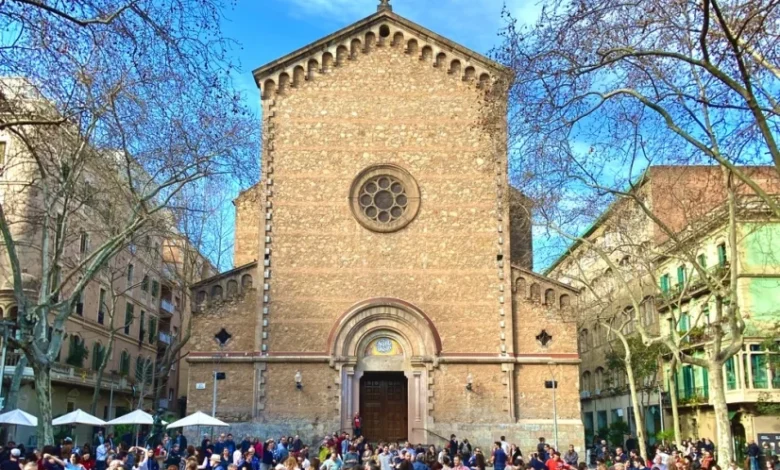
Further north, the neighborhood of Gràcia preserves an independent municipal identity that predates its formal annexation by Barcelona in 1897. Characterized by a dense network of narrow pedestrian streets and intimate public squares—such as Plaça del Sol—Gràcia maintains a distinct village atmosphere. Urban sociologists attribute the neighborhood’s unique cohesion to its strict height regulations and community-centric commercial landscape, which resists corporate homogenization.
Conversely, Poblenou tells the story of Barcelona’s industrial past and post-industrial reinvention. Once known as the "Catalan Manchester" due to its dense concentration of textile mills and factories in the 19th and 20th centuries, the district has undergone extensive urban renewal under the 22@ innovation district initiative. Former industrial warehouses have been successfully repurposed into tech incubators, art studios, and cultural centers, while preserving key architectural elements of the industrial revolution. Guided architectural tours in Poblenou provide essential historical context, explaining how municipal policy successfully integrated heritage preservation with modern economic development.
Gastronomic Landscapes and Local Commerce

Food tourism represents a primary driver for repeat visitors to Catalonia. While central institutions like La Boqueria remain globally famous, neighborhoods like Poble Sec offer alternative culinary traditions, notably along Carrer de Blai. Renowned for its concentration of Basque-style pintxos bars, the pedestrianized street exemplifies informal, communal dining formats that encourage social interaction over protracted, formal sit-down meals.
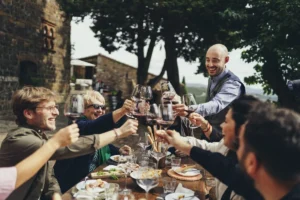
Beyond the urban center, the Alella Designation of Origin (DO), situated just north of Barcelona along the Mediterranean coast, represents one of Spain’s smallest and most historic wine regions. Viticulture in Alella dates back to Roman times, with a primary focus on white wine production, particularly the indigenous Xarel·lo (locally known as Pansa Blanca) grape variety. Regional agricultural economists emphasize that agritourism initiatives in Alella provide vital economic support to small-scale winemakers while offering visitors a manageable half-day excursion from the capital.
Regional Connectivity and Day Excursions
For travelers looking to expand their itinerary beyond city limits, Catalonia’s robust rail infrastructure facilitates efficient regional travel. High-speed rail networks connect Barcelona to Girona in approximately 40 minutes. Girona features a remarkably preserved medieval walled city, a dramatic cathedral, and the historic Call (Jewish quarter), offering deep historical insights into medieval Sephardic culture.

Similarly, the coastal town of Sitges, located south of Barcelona, combines modernist architectural heritage—exemplified by the legacy of artist Santiago Rusiñol—with an established coastal economy and significant cultural events, including its internationally acclaimed film festival. Inland, the Benedictine abbey of Montserrat, perched atop a jagged mountain range of conglomerate rock approximately 50 kilometers northwest of Barcelona, combines spiritual pilgrimage with geological significance. Environmental authorities manage extensive hiking networks surrounding the natural park, balancing high visitor volumes with ecological preservation efforts.
Implications for Sustainable Travel and Economic Distribution
The ongoing diversification of tourist itineraries in Barcelona carries profound implications for municipal policy and economic sustainability. By encouraging exploration beyond high-density monuments, local authorities aim to mitigate the negative impacts of overtourism, such as housing displacement and infrastructure strain in historic cores. Travel industry analysts suggest that the rise of eSIM mobile connectivity and hyper-local digital guides has further empowered independent travelers to navigate unfamiliar neighborhoods with confidence, bypassing traditional tour bus routes.
Ultimately, second-time and returning visitors to Barcelona play a vital role in fostering a more balanced tourism economy. By embracing the unscripted pace of districts like Gràcia and Sant Antoni, investing time in regional viticulture, and engaging with the industrial heritage of Poblenou, travelers gain a comprehensive understanding of Catalonia’s complex cultural identity—proving that the depth of the destination extends far beyond its iconic postcards.