A Comprehensive Review of Mid-Year Global Travel Trends and Personal Itinerary Management in 2026

The summer of 2026 has witnessed a significant surge in international tourism, characterized by a return to high-volume travel patterns that have stretched infrastructure and logistics across Europe. For many professionals in the travel sector, the period from late May through September has proven to be an exceptionally dense schedule of transit, requiring rigorous management of time and resources. This report synthesizes the travel experiences of international travelers during July 2026, highlighting key destinations, logistical challenges, and the broader implications of a lifestyle centered on constant movement.
Chronology of July 2026 Travels
The month was marked by a rapid succession of international transits, beginning in the Czech Republic and extending through major cultural hubs in France and Ireland, before culminating in a regional tour of Southern Italy.

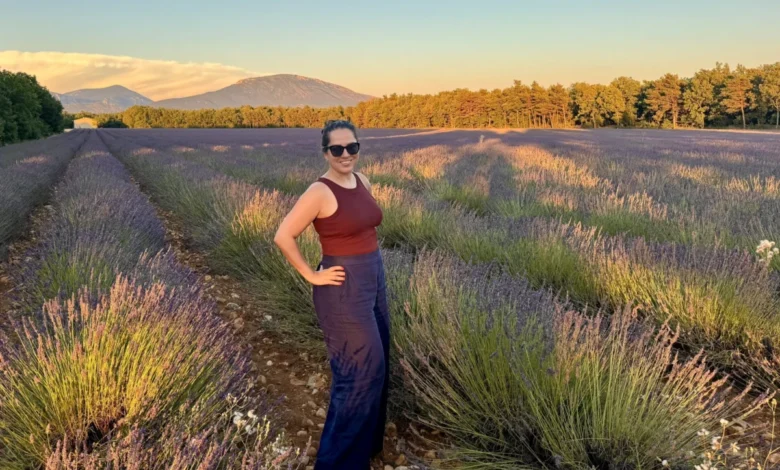
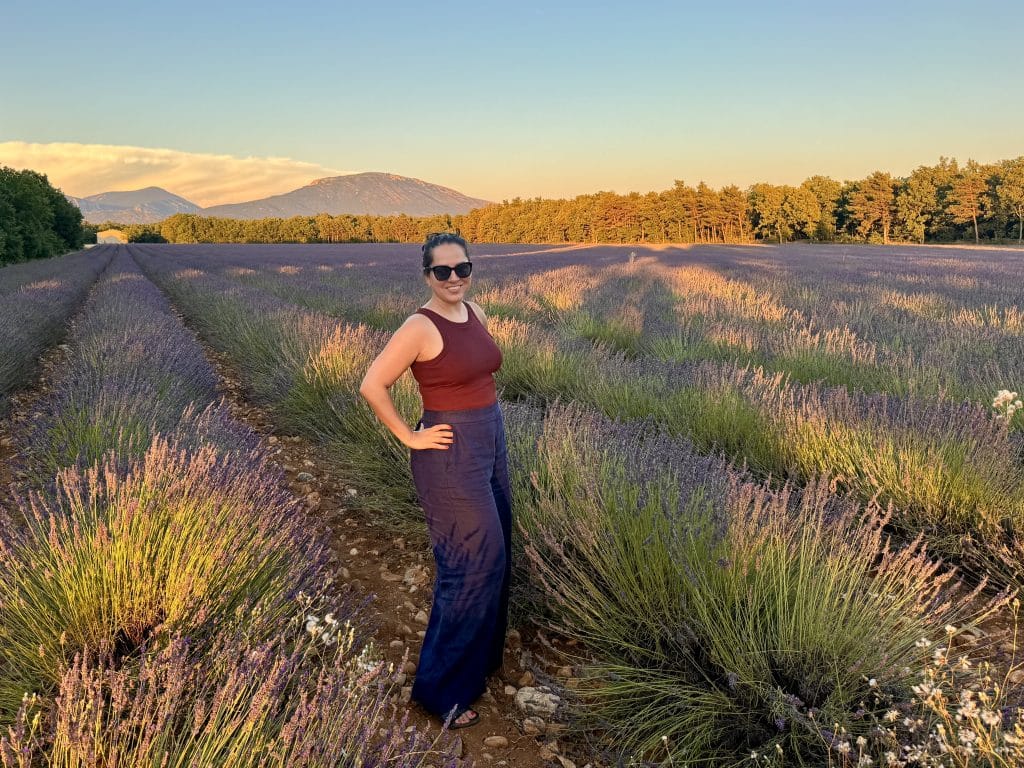
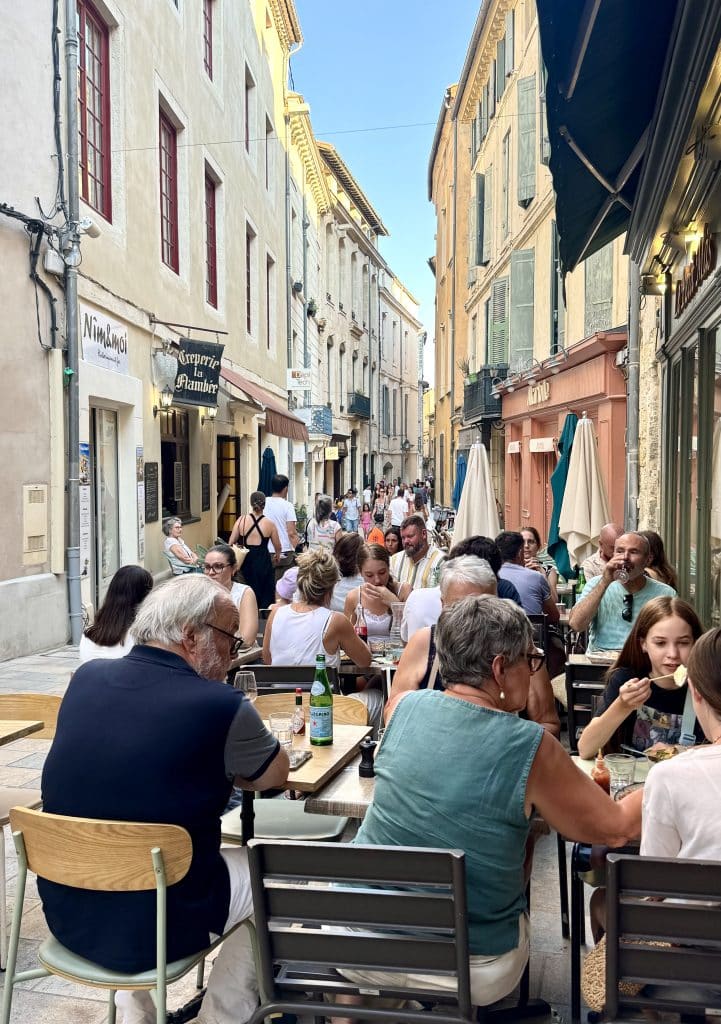
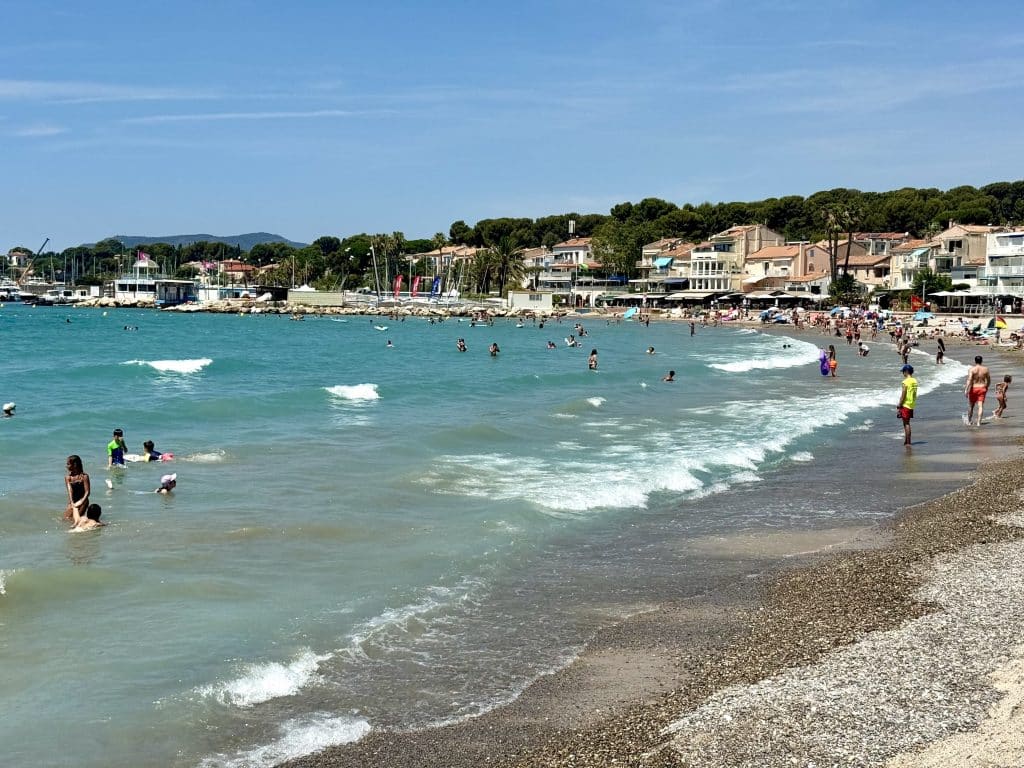
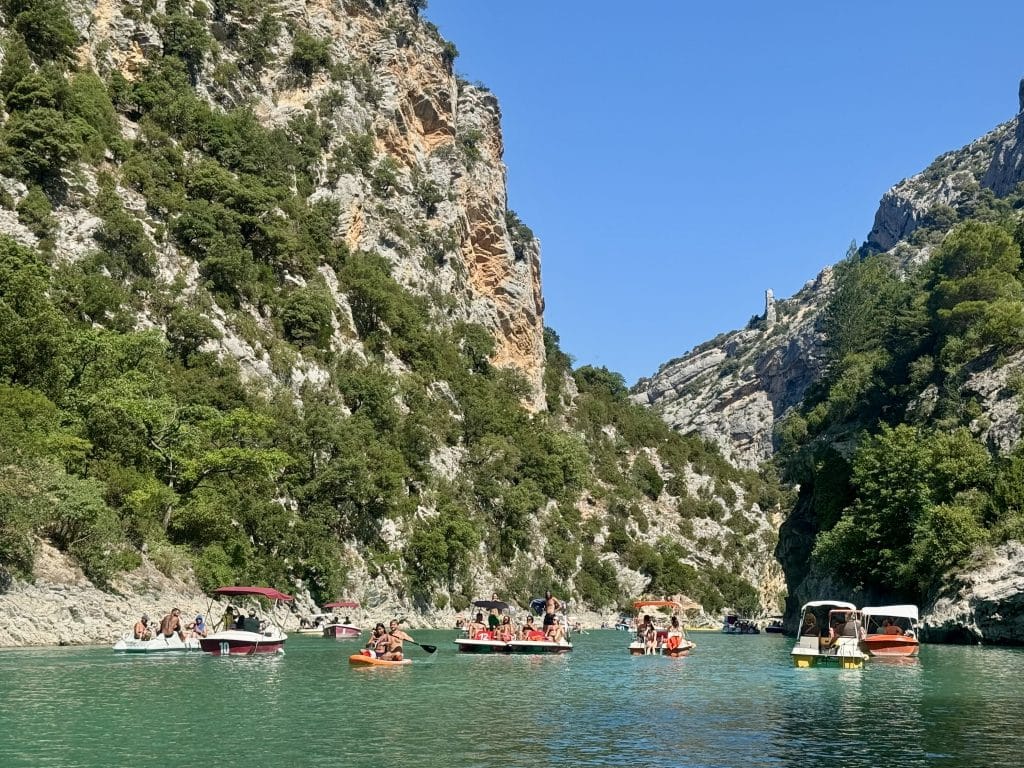
In early July, the focus shifted to the Provence region of France, where travelers engaged in a week-long regional road trip. This itinerary included stops at the Gorges du Verdon, known for its geological significance and recreational water activities, followed by visits to the Mediterranean coastline, specifically La Ciotat and Saint-Cyr-sur-Mer. The transit continued to Arles—a city historically significant for its association with Vincent van Gogh—and concluded with a stay in Nîmes. The latter has recently gained attention for its robust summer cultural programming, specifically its Thursday night live music events, which have bolstered the city’s reputation as a secondary destination for international visitors.
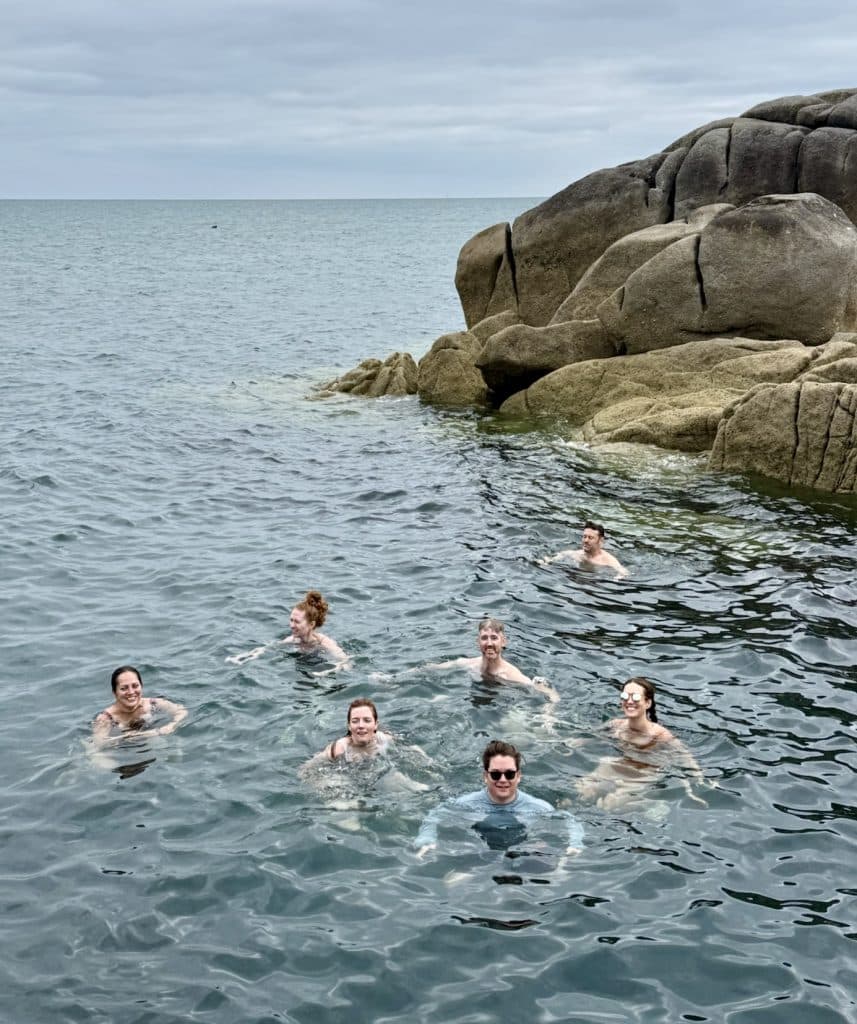
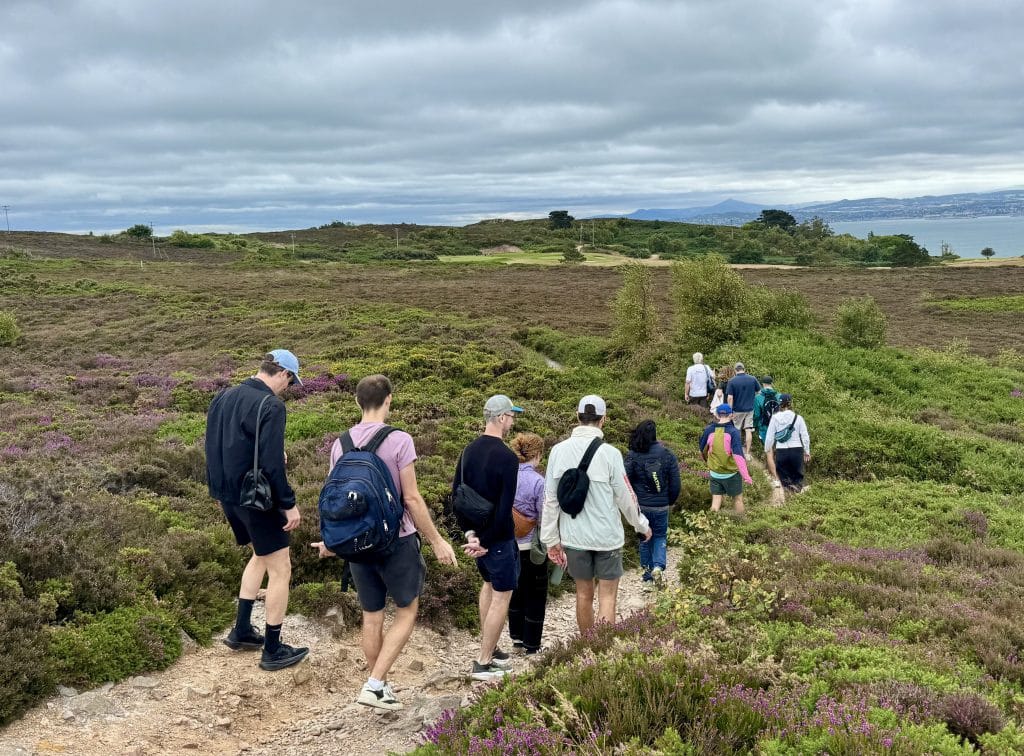
Following the French excursion, travel redirected toward Dublin, Ireland. This segment of the journey was primarily social, involving group activities such as maritime recreation at the Forty Foot in Sandycove and hiking expeditions in the coastal village of Howth. The itinerary was rounded out by cultural tours, including the Teeling Whiskey Distillery and the Guinness Storehouse, both of which represent significant contributors to Dublin’s tourism economy.
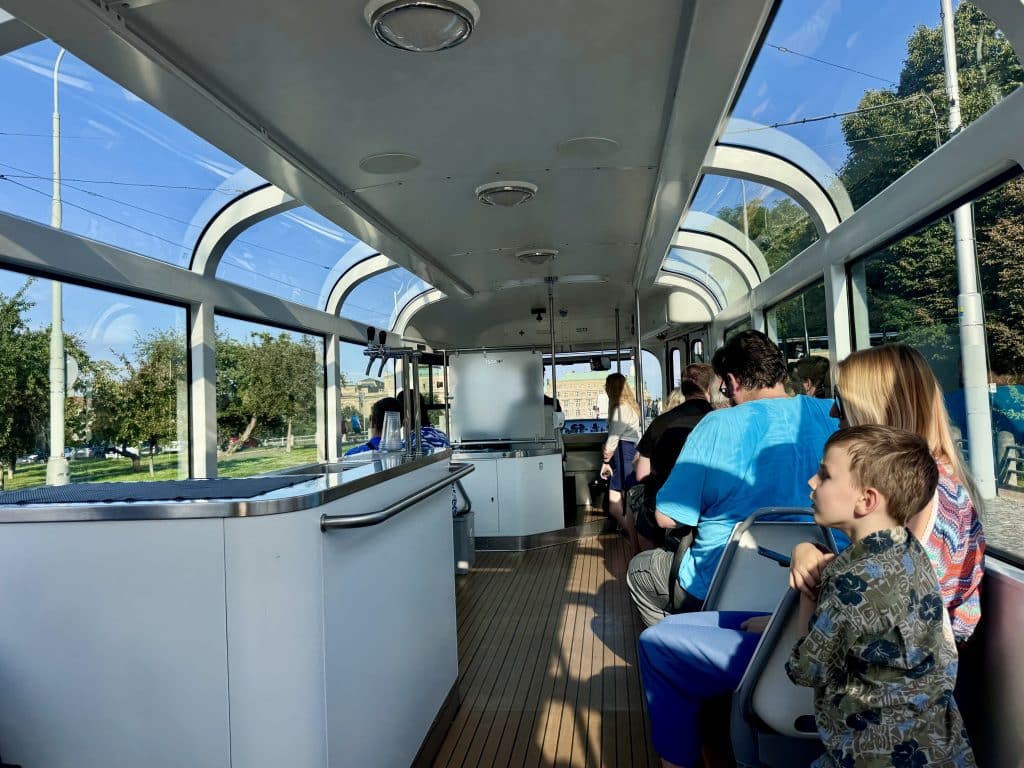
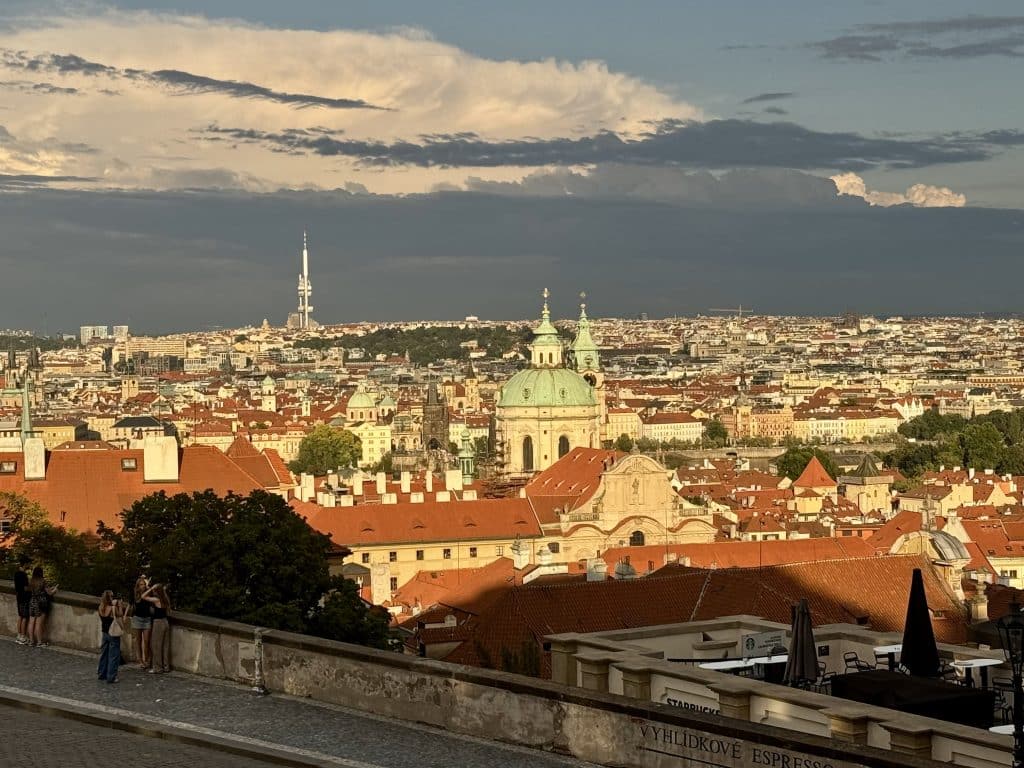
The mid-month period saw a return to Central Europe, specifically Prague, for a series of planned engagements. Among the highlights was a public-transit event featuring the specialized T3 Coupé tram, a vintage-style vehicle utilized for exclusive tours, as well as cultural attendance at the Prague Shakespeare Company’s outdoor performances. The month concluded with a transition to the Campania region of Italy, focusing on Naples and the island of Ischia.
Supporting Data and Logistics
Logistical challenges during this period reflected the broader strains on European tourism infrastructure. High temperatures, frequently exceeding 38°C (100°F) in Southern France, underscored the critical importance of climate-controlled accommodation. Data regarding regional heatwaves in July 2026 suggest that interior regions of Provence experienced sustained thermal stress, which impacted traveler decision-making. Recommendations from those navigating these conditions emphasize a shift toward coastal accommodations or a rescheduling of interior travel to the shoulder seasons of late spring or early autumn to mitigate the risks associated with extreme heat.

Furthermore, transportation incidents—specifically vehicle malfunctions on high-speed transit corridors—served as a reminder of the volatility inherent in intensive travel schedules. Such incidents, while not uncommon, highlight the need for comprehensive contingency planning for those relying on rental transport.
Professional Analysis of Travel Burnout
A growing trend among long-term, nomadic, or high-frequency travelers is the phenomenon of professional burnout. This state, characterized by emotional and physical exhaustion, often results from a lack of stable routines, which are essential for sustained productivity and mental health. The implications of this are significant: individuals who rely on consistent environments to manage professional output, physical exercise, and psychological well-being often find their performance compromised when travel frequency exceeds sustainable thresholds.
Industry observers suggest that "travel fatigue" is becoming a recognized concern within the remote work community. Experts recommend a transition to a more balanced model, often cited as a "quarterly cycle," where travel is limited to one short-duration trip and one long-duration trip per three-month period. This structure allows for a "re-anchoring" phase, providing the necessary downtime to resume stable living patterns.
Cultural Engagement: The Pitbull Concert Phenomenon
The July itinerary also included attendance at a high-profile performance by the artist Pitbull in Prague. This event served as a case study in modern fan culture, characterized by a high degree of participant costume-themed interaction. Statistical observations from the venue indicated that approximately 50% of the audience engaged in thematic dressing, with a notable 25% opting for full-head hair-concealment (bald caps), reflecting the artist’s signature aesthetic. This event highlights the shift in concert-going from passive consumption to immersive, community-driven spectacle.

Literature and Cultural Consumption Trends
The reading habits of travelers during this period provided a window into current literary trends. The publication of Kin by Tayari Jones has been identified as a significant contribution to 2026 literature, with critics noting its nuanced character development and exploration of diverging life paths. Additionally, the release of Baby-Sitters Summer, timed for the 40th anniversary of the franchise, offered a modern retrospective that incorporates contemporary social themes, including LGBTQ+ representation and a more diverse authorial voice, marking a significant evolution from the series’ original 1990s iteration.

Furthermore, the engagement with media such as Netflix’s Outlast: The Jungle provides insight into current interest in psychological and gender-dynamic studies within competitive reality programming. These selections suggest a preference for content that offers deeper social commentary rather than purely entertainment-based narratives.
Future Projections: Africa and the 100-Country Milestone
Looking ahead to the final quarter of 2026, travel focus shifts toward Southern Africa. This upcoming itinerary includes Cape Town, South Africa, followed by a guided tour through Botswana and the Victoria Falls region of Zimbabwe and Zambia.
The logistical significance of this trip is twofold: it represents a transition to organized, multi-day adventure tourism, and it serves as a milestone for the participants. For those involved, reaching the 100-country mark is a major life goal, reflecting a long-term commitment to global exploration. The itinerary includes specialized wildlife observation, such as Hwange National Park’s lion populations, and adventure-based activities like whitewater rafting on the Zambezi River.

Summary of Implications
The experiences of July 2026 confirm that while international travel remains a primary engine for cultural exchange and professional development, the industry is reaching a point of saturation. The necessity for infrastructure, particularly in the face of climate change, and the personal need for stable, sustainable routines are the most pressing issues for the modern traveler. As we move into the latter half of the year, the focus will inevitably shift from "volume of travel" to "quality and sustainability of experience," a shift that is likely to redefine the travel industry’s standards for years to come.